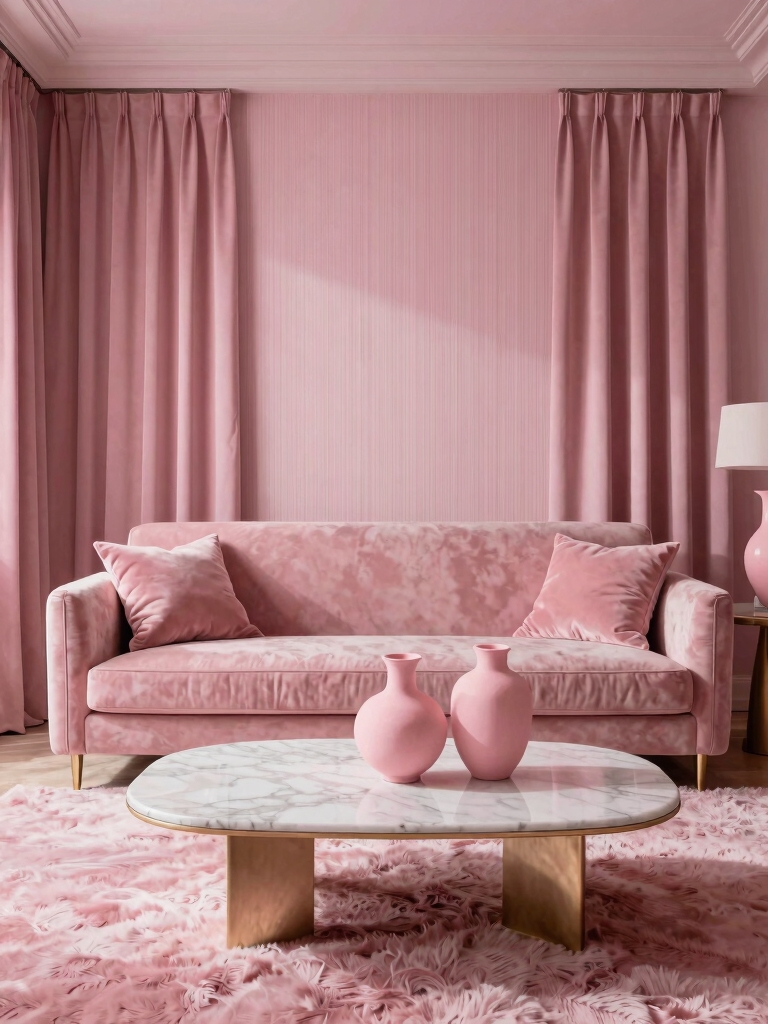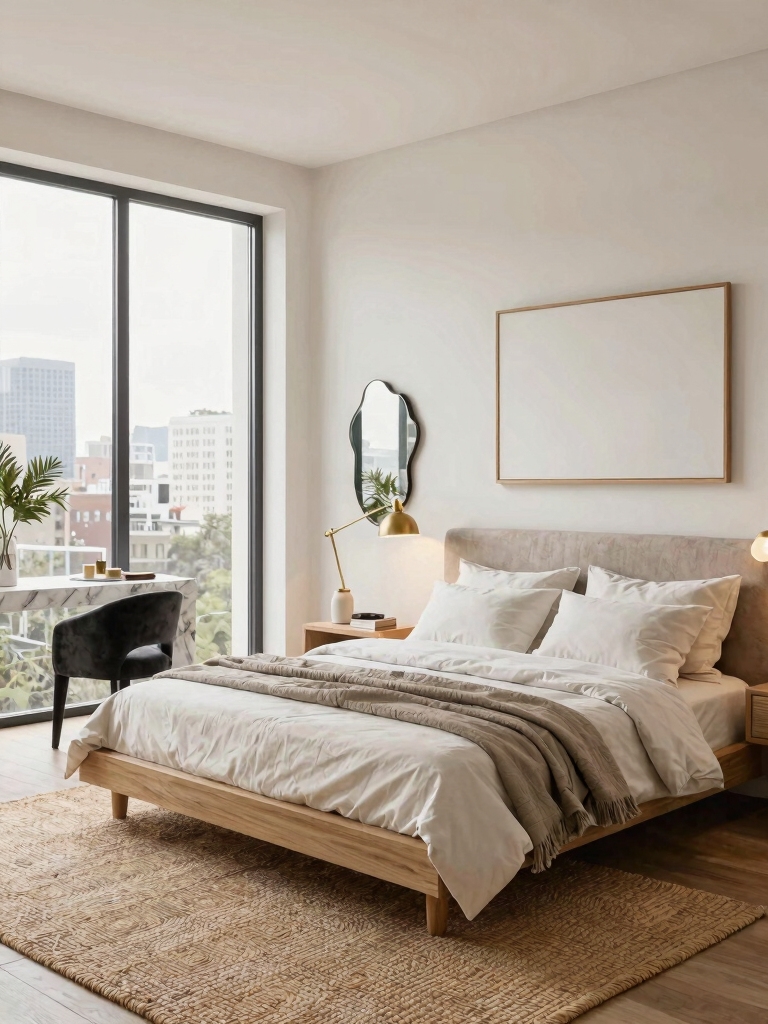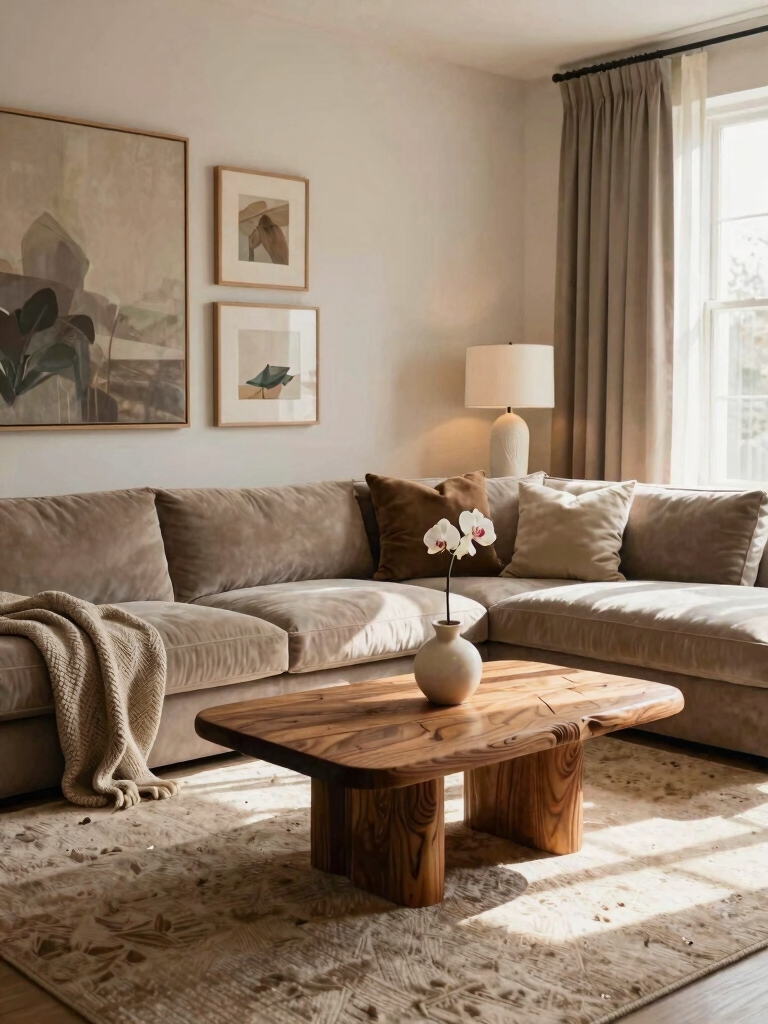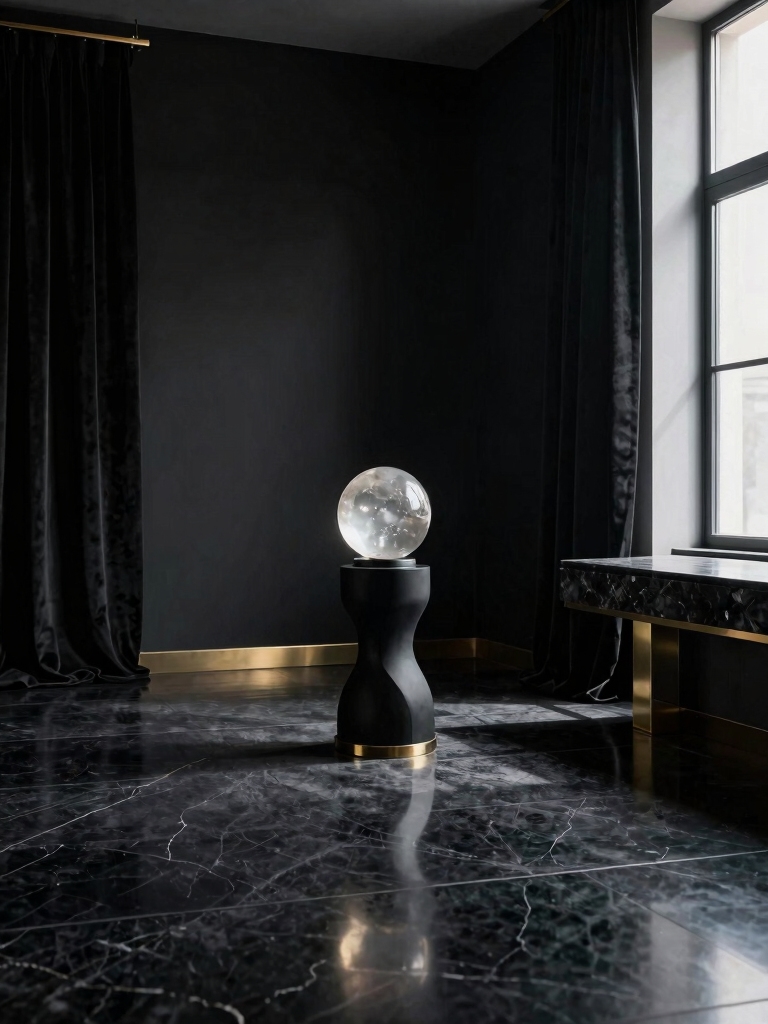
How do some living rooms look like a five-figure designer job when the people who own them swear they did it on the cheap? It is rarely about the budget at all. The expensive look comes from a handful of decisions, scale, restraint, warm light, and texture, that cost far less than the result lets on.
Here are the living room ideas that read high-end without the price tag, the trend-led moves designers actually lean on, with how to bring each one into your own room. Get a few of them right and the whole space lifts at once.
The Expensive Look, Decoded
What makes a living room look expensive? Restraint and cohesion, mostly. A calm neutral base, one confident statement piece, layered warm light, and rich texture read high-end far more than a room full of pricey things.
Where should I spend my budget? On the few things you see and touch most, lighting, a good rug, and one hero piece, and save on everything swappable. That balance is what reads designed instead of cheap.
What instantly cheapens a living room? Cold overhead light, a too-small rug, clutter on every surface, and a matching showroom set. Fix those four and the room jumps a tier for almost nothing.
The Budget-Luxe Mindset: Fewer, Better, Considered
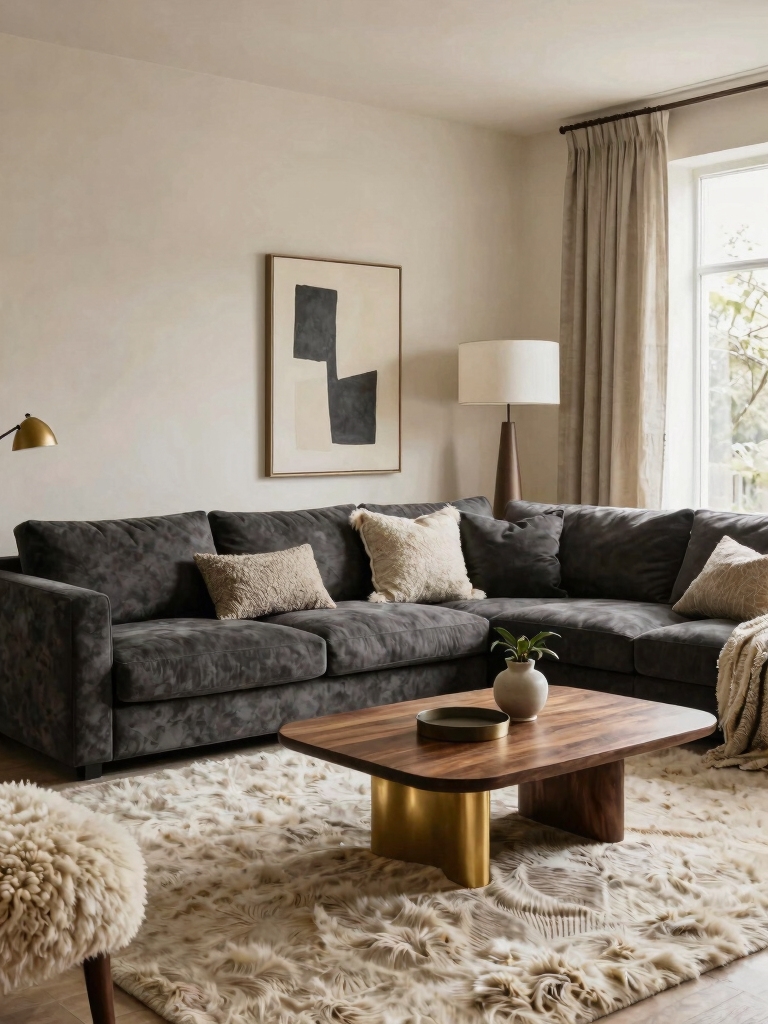
The expensive-looking living rooms filling your feed right now share a mindset more than a budget: fewer things, chosen better, arranged with restraint. A pared-back room with three considered pieces looks richer than one crammed with bargains, every single time.
Before you buy anything, decide on the one feeling you want, calm and warm, bold and moody, light and airy, and let it guide every choice after. That single thread is what makes a budget room look collected and intentional, and our designer living-room ideas lean on the same discipline.
- Edit first: pull out anything that does not earn its place before you add a single new thing
- Spend on the pieces you touch daily and save on the swappable, decorative ones
- Pick one mood and let it steer the palette, the lighting, and every accent
Build a Calm, Layered Neutral Palette
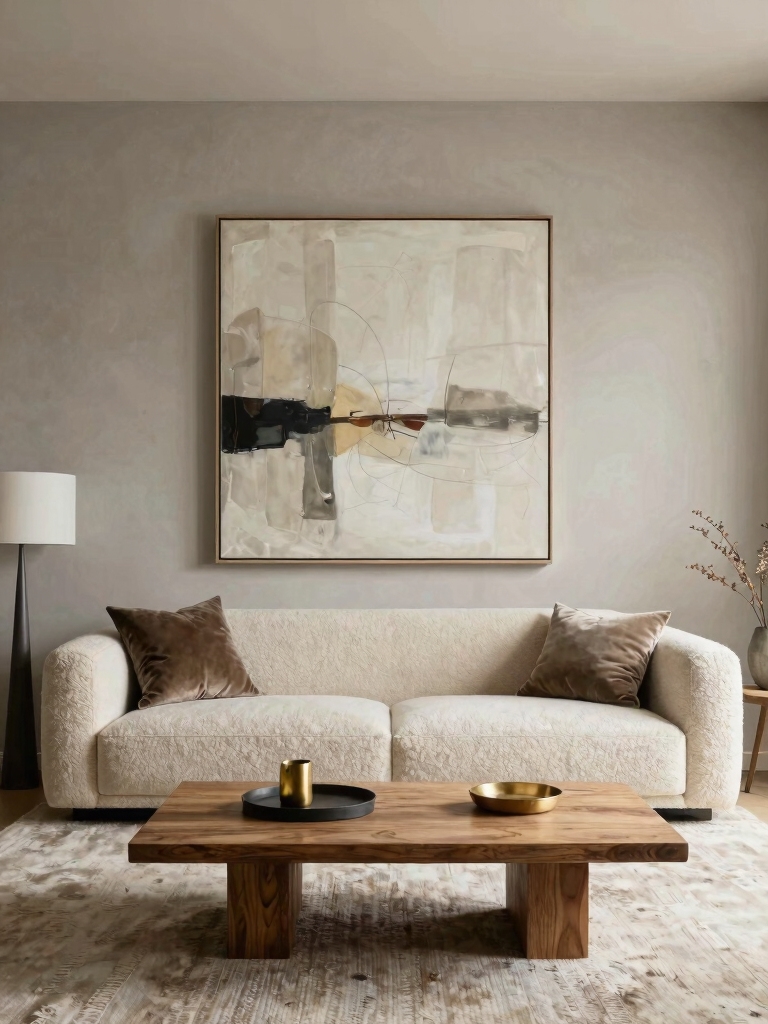
Nothing looks high-end faster than a calm, tonal neutral palette. Warm whites, oatmeal, greige, soft taupe, and a deeper brown or charcoal accent give a living room that quiet, gallery-like polish bold color cannot fake.
One undertone, layered shades
What designers do is stay in one undertone and layer shades, not contrasts: a greige wall, a slightly deeper sofa, cream-and-camel cushions, a warm wood coffee table. The calm is what people pay a fortune for, and you can build it from paint and textiles alone.
Keep any bold color to one easily swapped layer, a couple of cushions, a vase, a single piece of art, so you can refresh the whole room for the cost of a throw when the mood shifts. For a high-contrast take on the same idea, our black living room decor shows how to do drama without losing the polish.
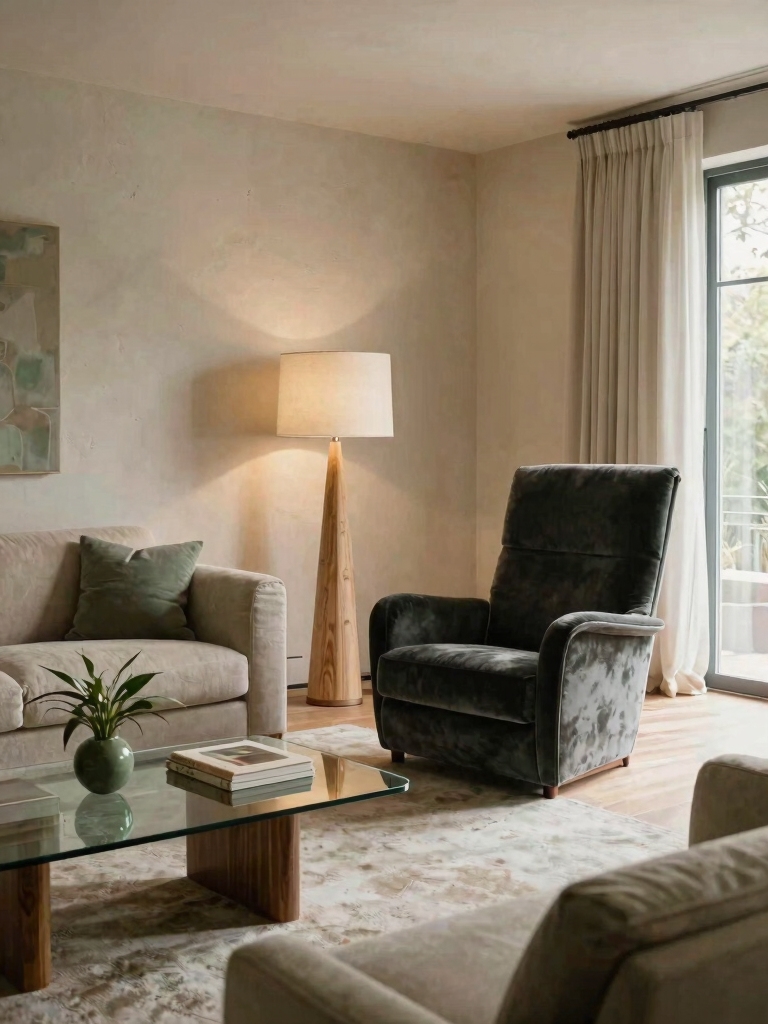
“One trick I use in nearly every living room is a single lamp set on the floor behind a chair or a tall plant, throwing light up the wall. That low, hidden uplight adds the depth and soft shadow that make a room look styled, and almost nobody thinks to try it.”
Invest in One Statement Piece, Save on the Rest
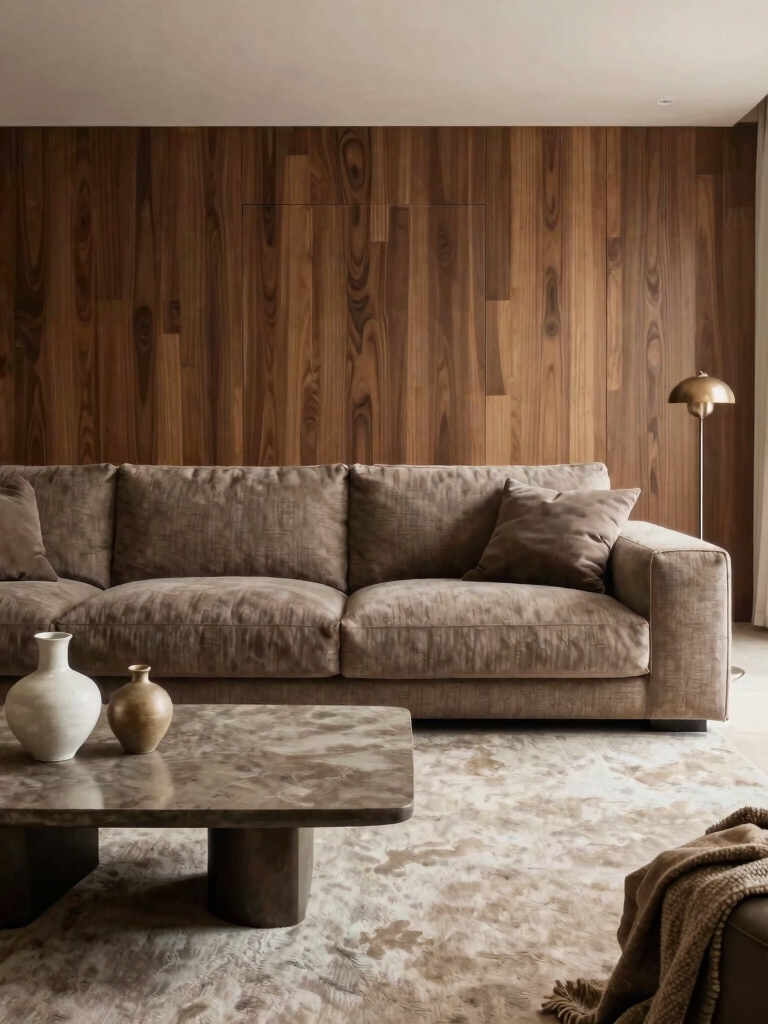
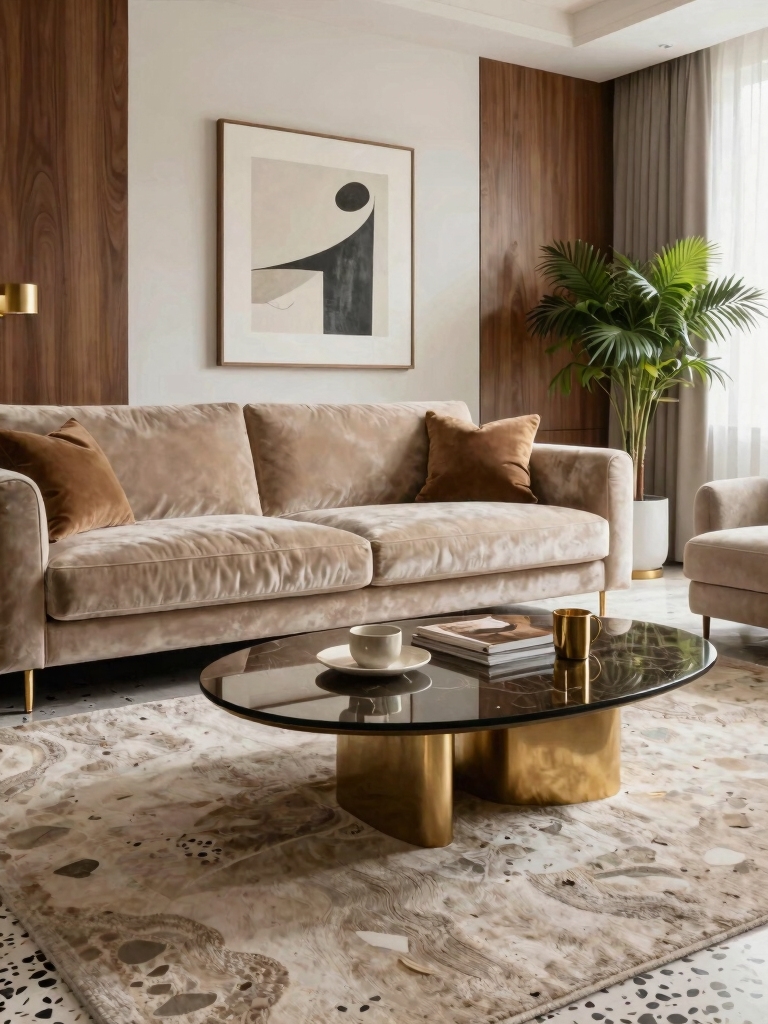
An expensive-looking living room usually has one hero piece doing the heavy lifting, a sculptural chair, a curved sofa, a real stone or burl-look coffee table, surrounded by quiet, inexpensive supporting players. The hero is the one thing I tell people to splurge on, even a few hundred dollars on one piece against thrift-store prices everywhere else, since the eye then takes the whole room as high-end. A few ways in:
- Choose one sculptural or trend-led piece, a curved chair, an arched lamp, a stone-look table, as the focal point
- Thrift solid-wood furniture and refresh it with paint or new legs, since it looks richer than new particleboard
- Pass on the matching showroom set, since a collected, slightly mismatched mix looks far more designed
- Reupholster a great-boned thrifted sofa in a neutral linen for a fraction of buying new
Layer Texture From Everyday Materials
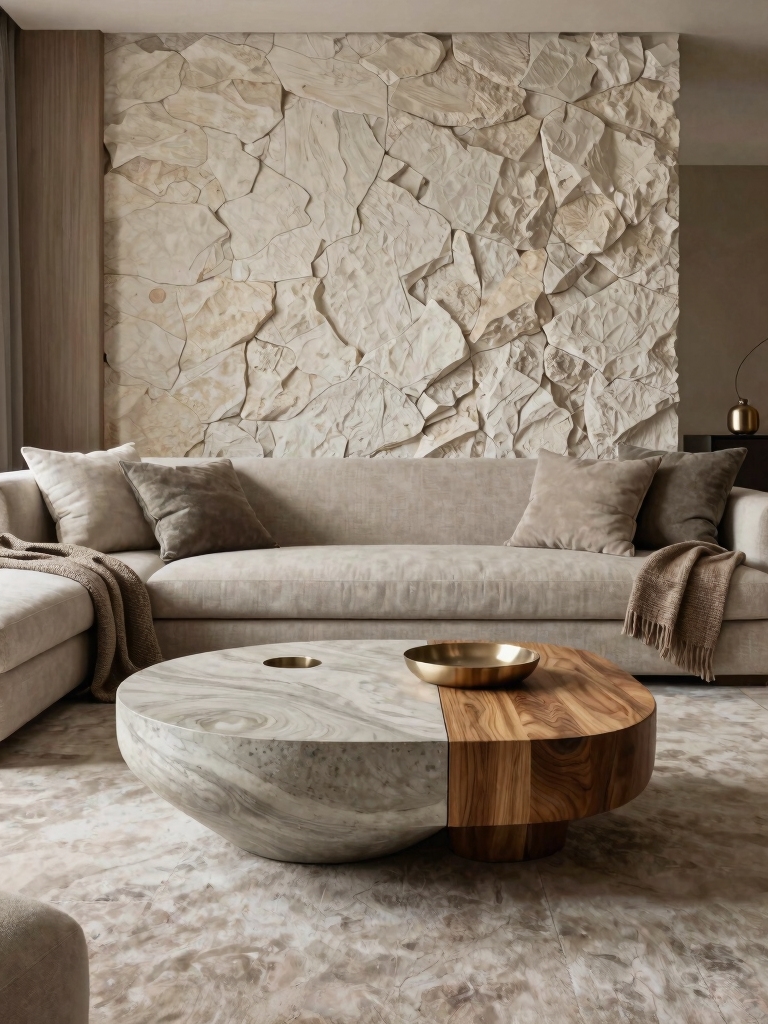
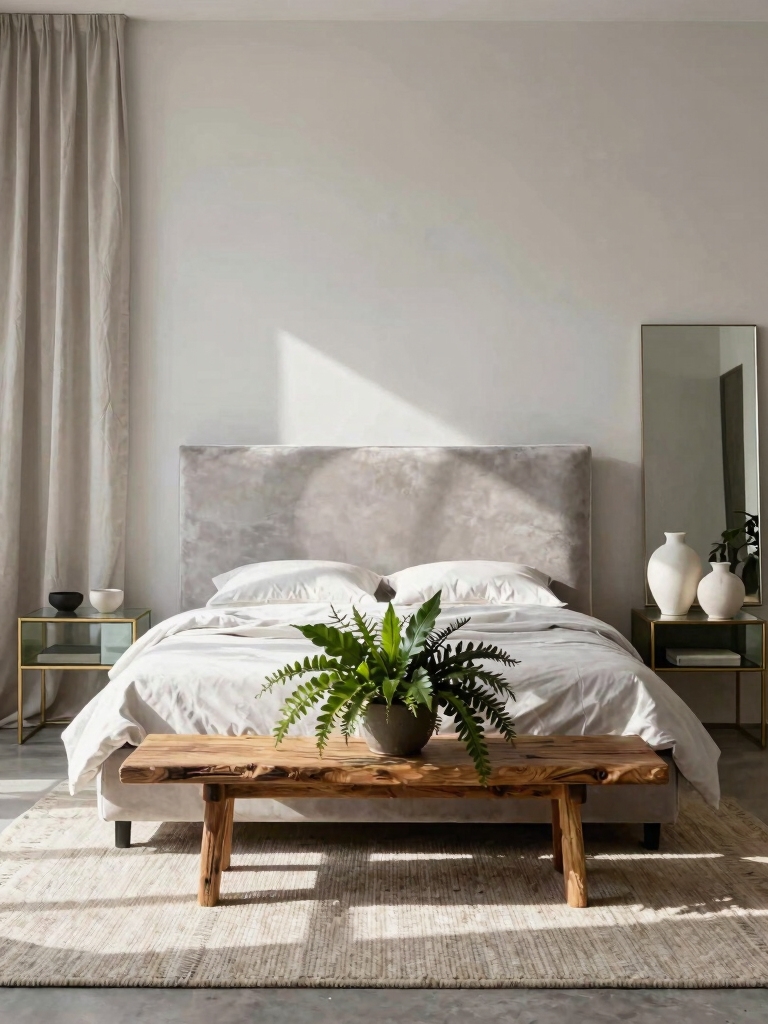
When the palette is quiet, texture is what keeps a room from going flat, and it is the richness a small budget cannot buy outright. Linen, bouclé, nubby wool, rattan, aged wood, and stone all catch the light and add depth, so the room feels layered and considered even when nothing was pricey.
Smooth against rough
Set a smooth surface against a rough one in every vignette: a chunky knit throw on a leather chair, a jute rug under a velvet stool, a rough ceramic on a glossy table. That contrast in feel is what lands as expense, and most of it comes from cushions, throws, and baskets you can swap cheaply.
Natural materials especially pull their weight, since rattan, linen, and raw wood are both on-trend and forgiving on a budget. A few woven and wooden pieces warm up a neutral room and keep it from feeling cold or staged.
Not sure where to begin? Start with what your room needs most:
🎯My room feels cold and flat
Start with the light. Warm bulbs, a couple of lamps, and a dimmer fix it for under fifty dollars and change the whole feel of the room.
🎯My room feels cluttered and cheap
Edit and ground it. Pull out half the small stuff, size up the rug, and let one piece lead; the restraint is the look you are missing.
Layer the Lighting for a Warm, Designed Glow
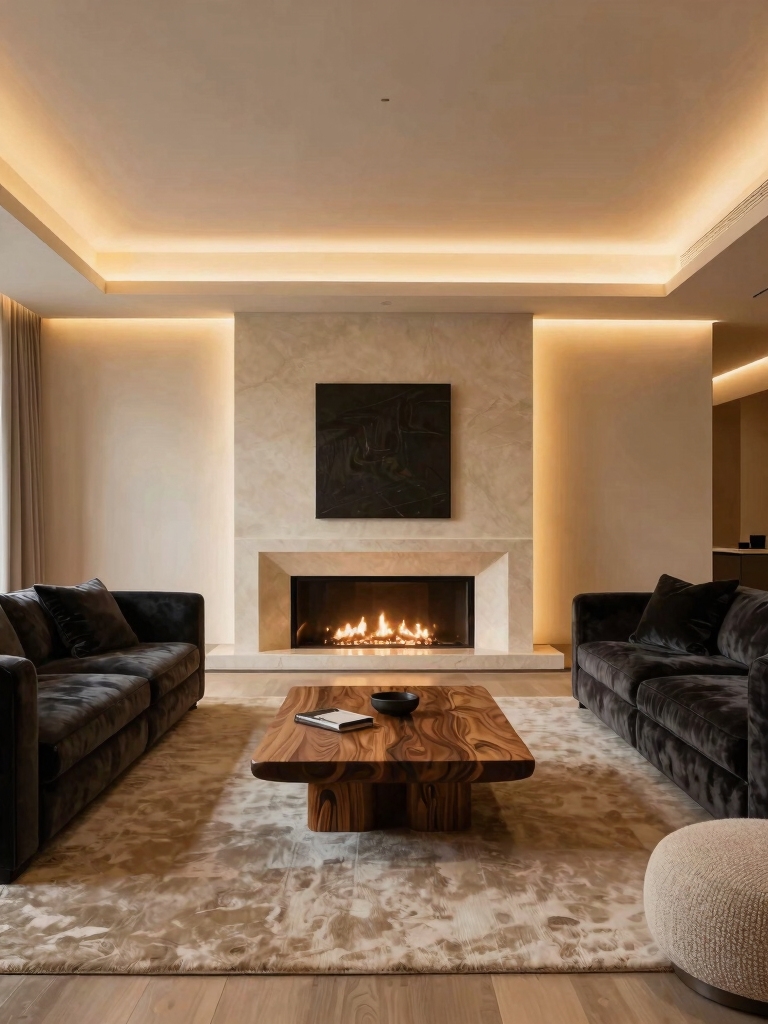
If one change separates an expensive room from an ordinary one, it is the lighting. Trade the single cold ceiling fixture for layered, warm light at different heights, and the whole room turns intimate and designed after dark, for the price of a few lamps and bulbs. A five-minute bulb swap is where I start every room. Build it up like this:
- Add three or four warm light sources you can control separately, a floor lamp, table lamps, a sconce
- Swap every bulb to warm white around 2700 kelvin so nothing in the room reads cold or clinical
- Put the overhead on a dimmer so you can drop the room into a soft evening glow
- Tuck a warm LED strip behind a console or shelf for a modern, low wash of light
Hang a Gallery Wall That Looks Designer-Made
A well-done gallery wall is one of the highest-impact, lowest-cost ways to make a living room look collected and expensive. Free printables, thrifted frames, your own black-and-white photos, or a single oversized piece all read as real art once they are framed and hung with a little care.
Consistency is what sells it: stick to one or two frame finishes, keep the gaps even, and lay the whole arrangement on the floor before a single nail goes in. Scale up where you can, since one large piece above the sofa looks more expensive than a scatter of small frames, an idea our small living-room wall decor takes further.
Style Surfaces With a Few Polished Details
The last ten percent, the styling, is what tips a budget room into looking designed. A coffee-table tray, a small stack of design books, one sculptural object, and a single stem in a vase turn a bare surface into a considered vignette, and almost all of it is thrifted or free.
- Group accessories in odd numbers and vary the heights so every surface looks styled
- Edit hard, since a few good pieces look luxe while a crowded surface looks cluttered
- Hide cords, remotes, and clutter so the calm, expensive feel actually holds up
Let One Showpiece Lead the Eye
Designer rooms almost always have a clear visual hierarchy: one piece your eye lands on first, then a path it travels through the rest. That sense of order, not the price of any single thing, is what separates a room that feels composed from one that feels busy.
Build the hierarchy with placement, not just purchases. Put your boldest element where the eye enters the room, angle the seating to lead toward it, and keep the supporting pieces low-contrast so nothing fights for first place. The same eye-flow shapes a well-zoned sitting area within a larger room, where one anchor sets the order for the whole corner.
Ground the Room With the Right Rug
The wrong rug, almost always one that is too small, can quietly cheapen an otherwise lovely room, while the right one ties everything together and looks instantly high-end. Size up boldly so at least the front legs of every seat sit on the rug, and the whole arrangement feels anchored and deliberate.
- Go larger than feels natural, since a floating, undersized rug is the most common budget mistake
- Layer a smaller textured rug over a big inexpensive jute one if a single large rug is out of reach
- Stick to a low-contrast, tonal pattern that calms the room rather than fighting it
Use Mirrors to Multiply Light and Space
A large mirror is a designer trick that makes a living room feel bigger, brighter, and more expensive all at once. Lean an oversized floor mirror against the wall or hang one opposite a window, and it bounces light around and doubles the sense of space for very little money.
Thrifted and marketplace mirrors with good frames turn up cheaply, and a coat of paint or a little gilding wax makes a dated frame look custom. An arched or thin-framed shape in brass or black looks especially current, and positioning it to reflect a lamp or a window, so it amplifies light instead of a cluttered corner, is what makes it feel intentional.
Hide the Clutter So the Calm Holds
Every expensive-looking room you admire has one thing in common you cannot actually see: there is nowhere for clutter to land. The calm that reads as luxury is mostly the absence of visual noise, so the real work is giving everyday stuff, the remotes, chargers, mail, and blankets, a home out of sight. A budget room with smart hidden storage looks far richer than a pricey one buried in clutter.
Build it in quietly: a storage ottoman or a lidded coffee table for throws, baskets on a shelf, a console with drawers or doors instead of open legs. A few woven baskets alone, around ten to thirty dollars each, turn a messy corner into something that looks deliberate. The goal is surfaces that stay clear, since clear surfaces are what let all your considered choices actually show.
An Expensive Look You Build, Not Buy
An expensive-looking living room is built, not bought. Get the neutral base, the warm light, the texture, and one strong piece right, and a room full of budget finds will read like a designer pulled it together.
So start with the single change your room needs most, the light, the rug, or a good hard edit, and build from there. Done with a little patience and restraint, the look comes together for a fraction of what it appears to cost.
Where to Next