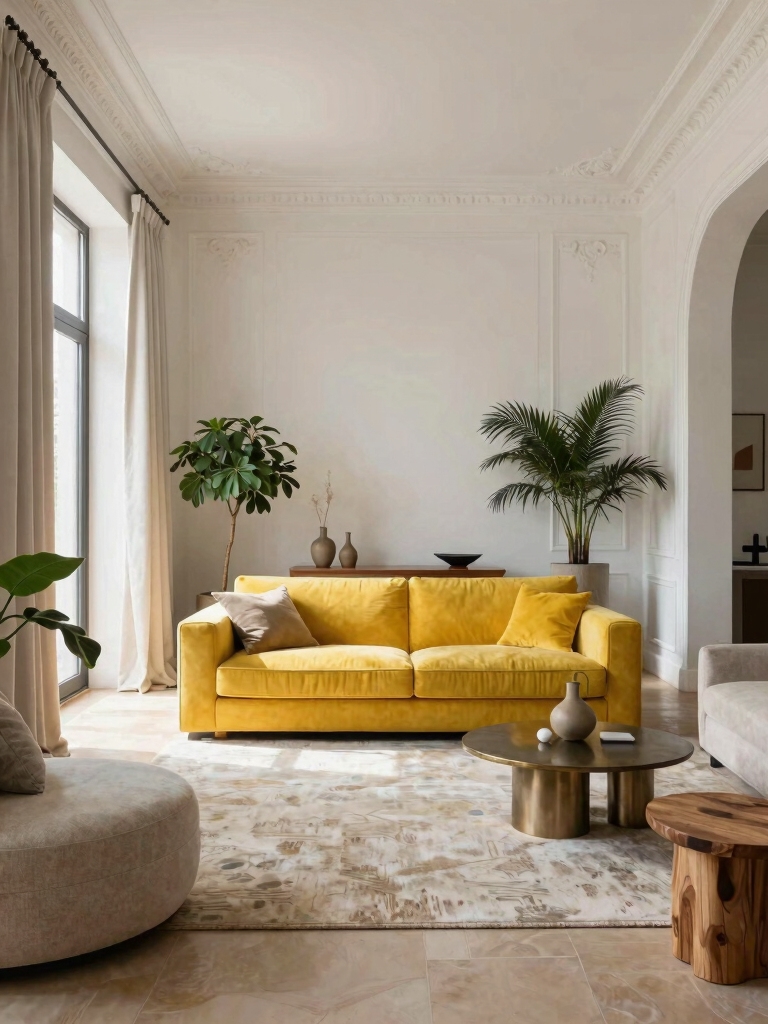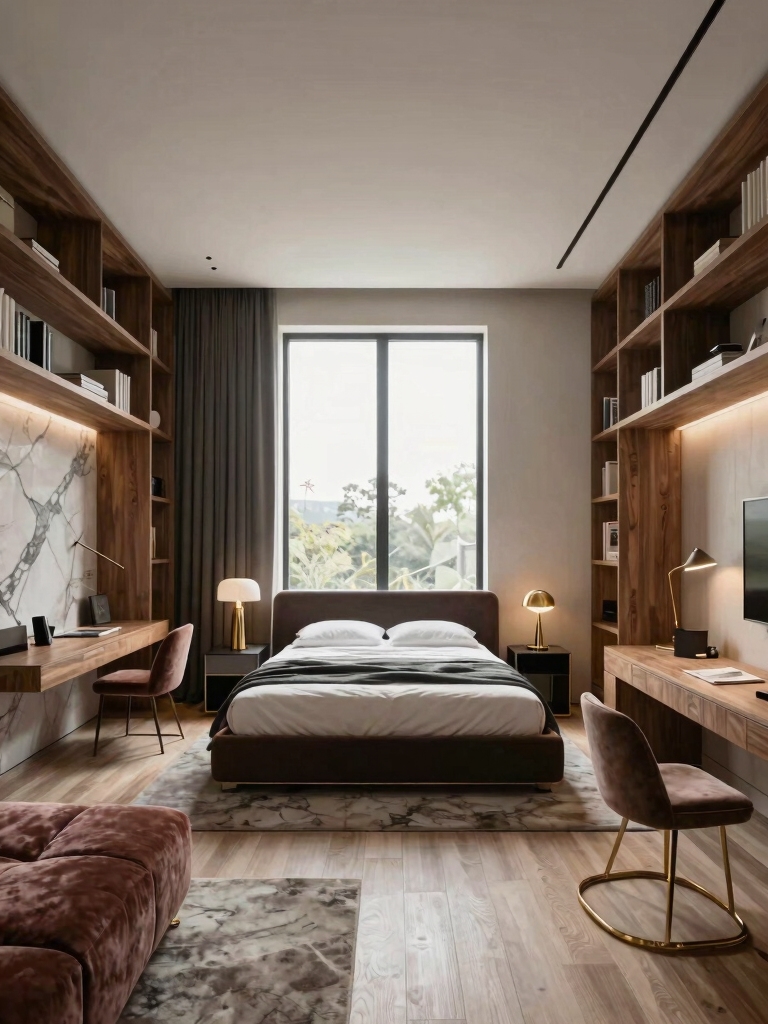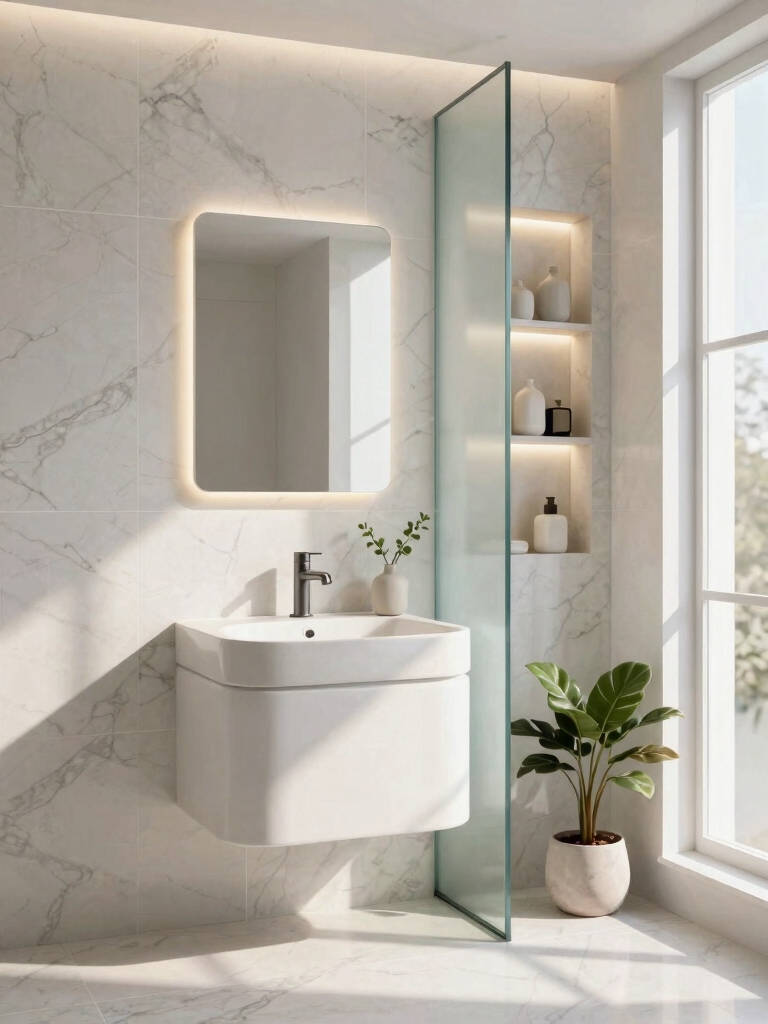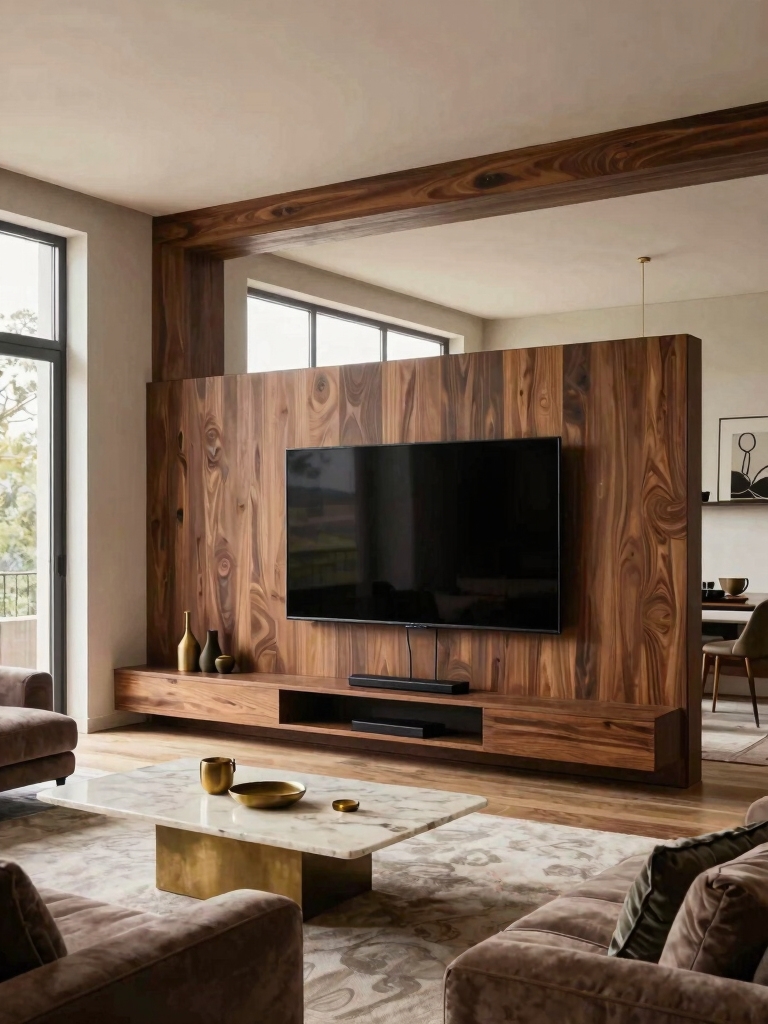
The first room I ever made over had a hundred-dollar budget and a lot of nerve. I repainted a thrifted dresser at midnight, rehung the curtains higher than felt natural, and by morning the space looked like a different room. That is the quiet truth behind most budget room ideas: what actually transforms a space costs far less than you would think.
You rarely need new furniture or a contractor. With a plan, some paint, and a few well-placed swaps, almost any room can feel fresh, layered, and current. Here is how I work through it, in the order that makes every dollar count.
What a Budget Refresh Really Takes
A budget makeover is less about spending and more about sequencing. Sort the room, settle on a color story, then layer in paint, light, and texture in that order, and the money you do spend stretches much further.
Spend where your hands and eyes land most — lighting, textiles, and hardware — and save on the big, swappable pieces. The aim is a room that looks pulled-together and current, and almost none of it is permanent.
Start With a Plan Not a Shopping Cart
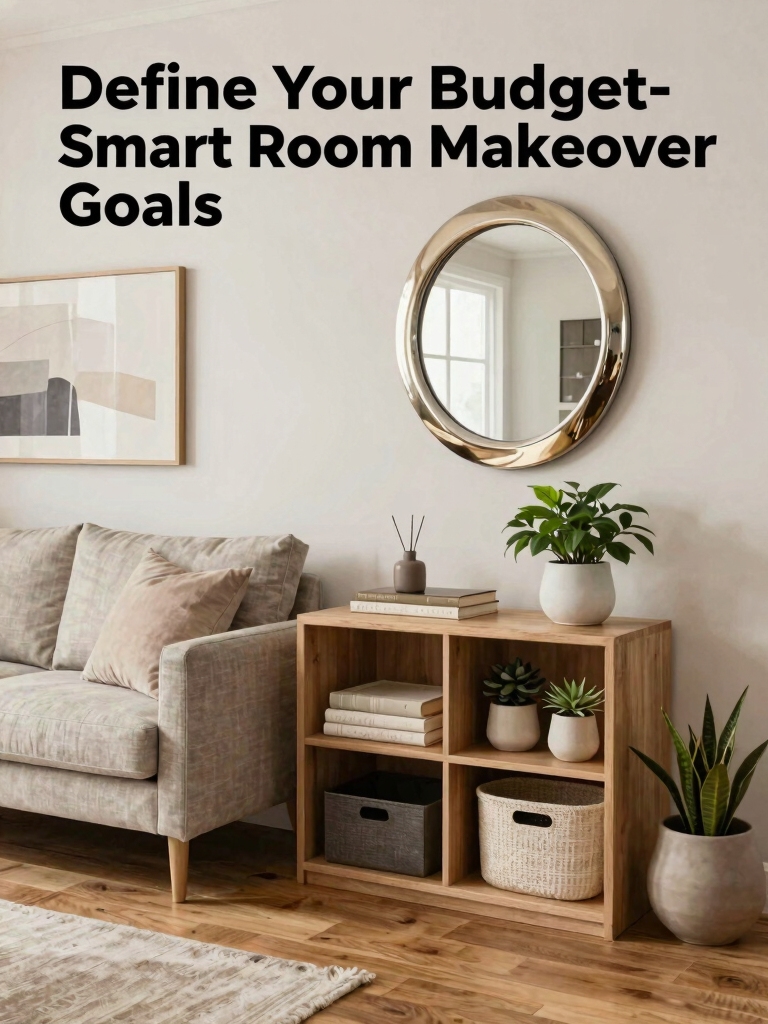
Before you buy a single thing, the most valuable budget room idea is also the least exciting: make a plan. Walk into the room and decide what is actually dragging it down, the clutter, the lighting, the tired walls, and rank those problems honestly by how much they bother you.
Set a number and a priority list
Give yourself a real number, then split it: roughly half for the one change that will shift the room most, and the rest spread across small wins. A written priority list is what stops the impulse buys that quietly drain a budget on things the room never needed.
This step suits every room and every wallet, from a first apartment to a dorm-room refresh, and it costs nothing. The honest trade-off is patience, since planning feels slow when you want to rip everything out tonight, but it is the difference between a refresh that looks intentional and a pile of mismatched bargains.
Build a Color Plan Around What You Keep
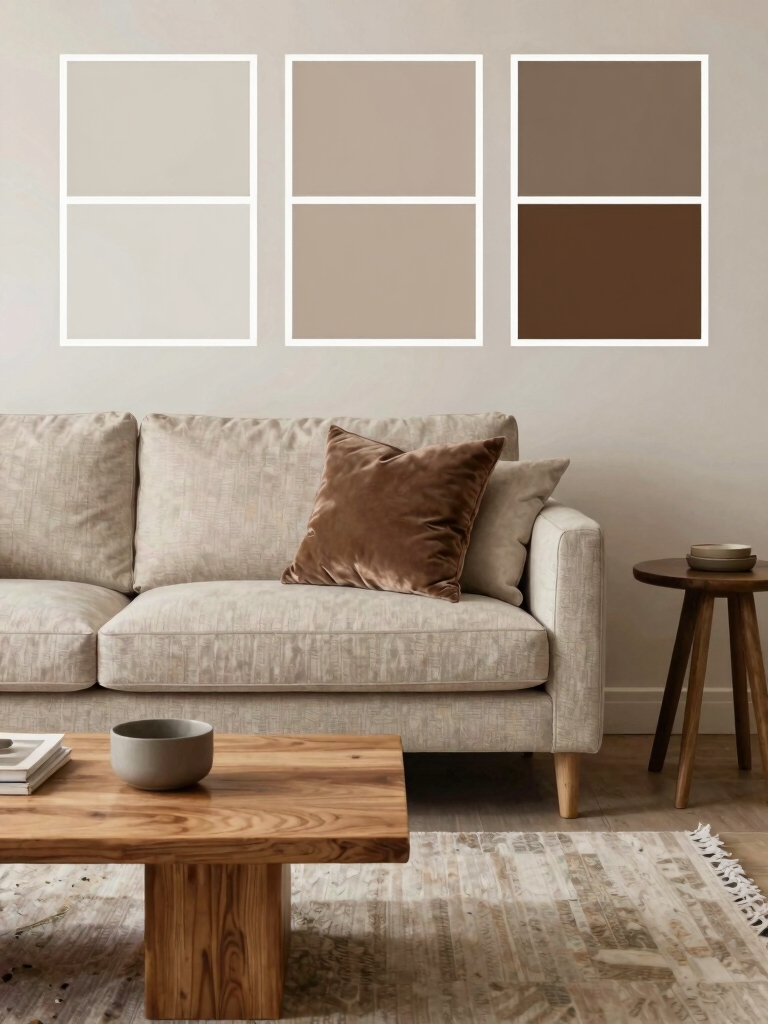
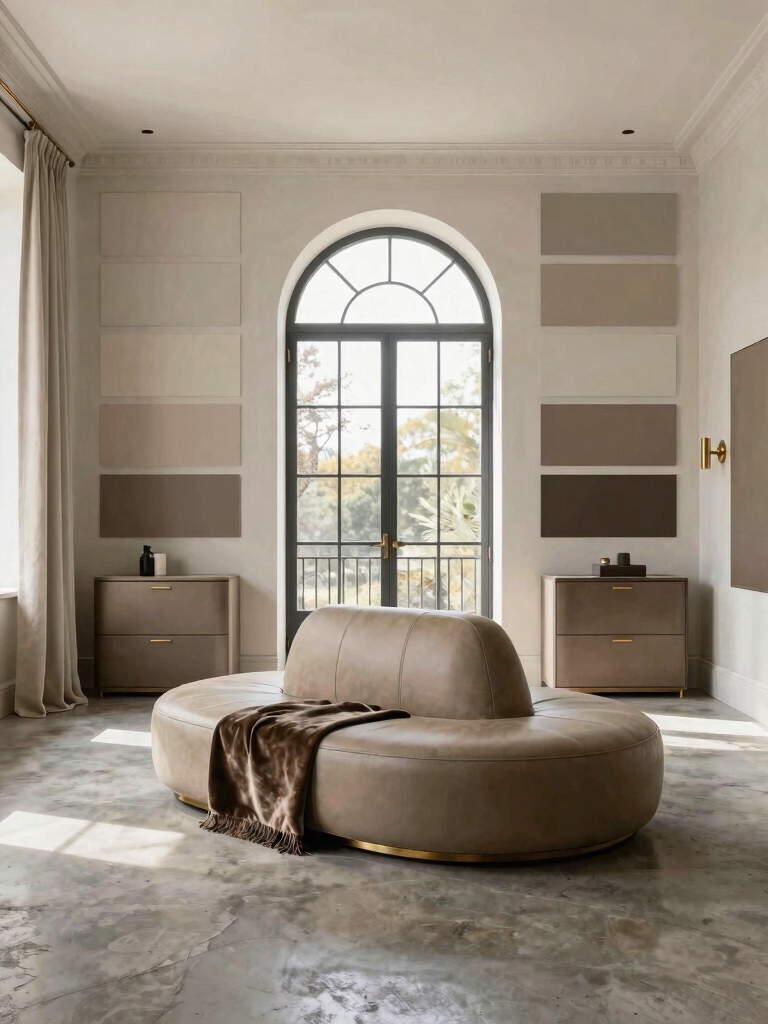
Color is the cheapest way to transform a room, so settle it before anything else. Start from a piece you are keeping — a rug, a sofa, a piece of art — and pull two or three tones from it to build the whole scheme. Working from something you already own keeps the room cohesive and heads off costly mistakes.
The simple sixty thirty ten split
A reliable split keeps it from going wrong: about sixty percent a dominant neutral on the walls and big furniture, thirty percent a secondary tone in textiles and an accent chair, and ten percent a bold accent in cushions, art, or a vase. It is the structure designers lean on, and it works in any room, whether you are after a modern, minimal scheme or something bolder.
This suits the indecisive especially, since it removes the guesswork. Test paint and fabric samples in the actual room at different times of day before you commit, because a tight budget cannot absorb repainting a wall you got wrong.
Transform the Walls With Paint Tricks
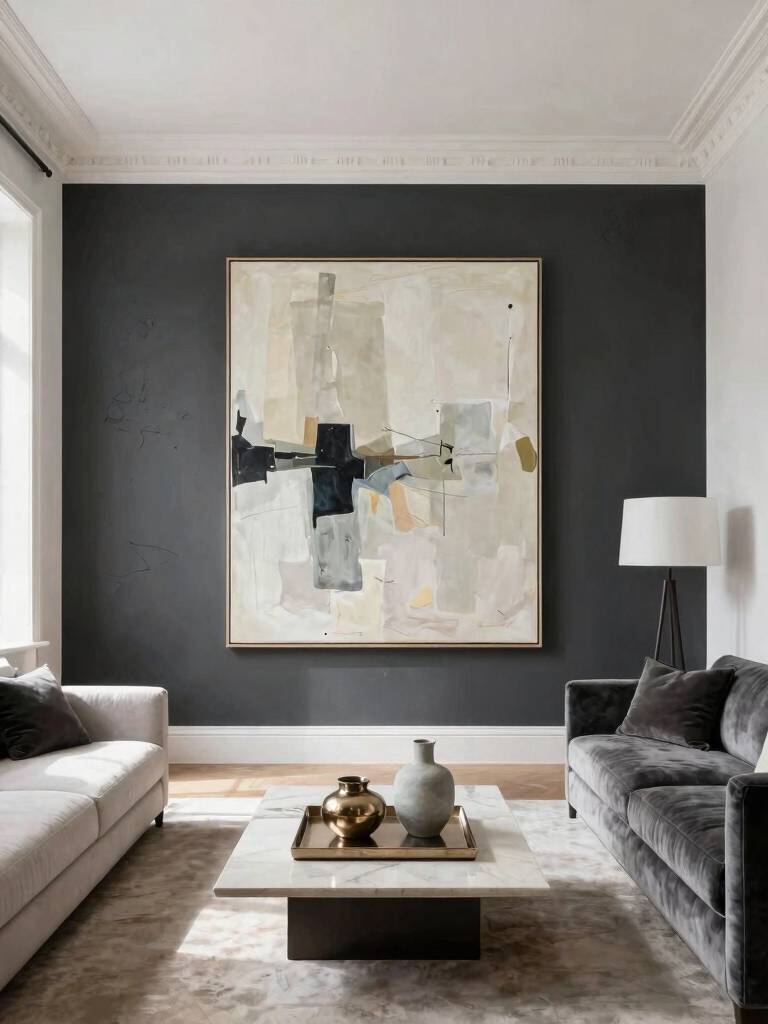
Nothing returns more for the money than paint, and a few tricks stretch a single can further. A fresh coat in a light tone, a single weekend’s work, instantly brightens and enlarges, while a moody, earthy color on one wall, the warm clays and olives everyone is reaching for now, adds depth and a current feel for the price of a tester pot.
Prep is where budget paint jobs live or die. Clean, fill, and lightly sand first, then use painter’s tape for crisp edges, so the finish looks clean and professional.
- Paint the ceiling the same pale shade as the walls to make a small room feel taller
- Try a half-painted wall or a simple painted arch behind the bed for a designer look at no extra cost
- Use leftover paint on a thrifted dresser or shelf to tie furniture into the scheme
Add a Feature Wall You Can Undo
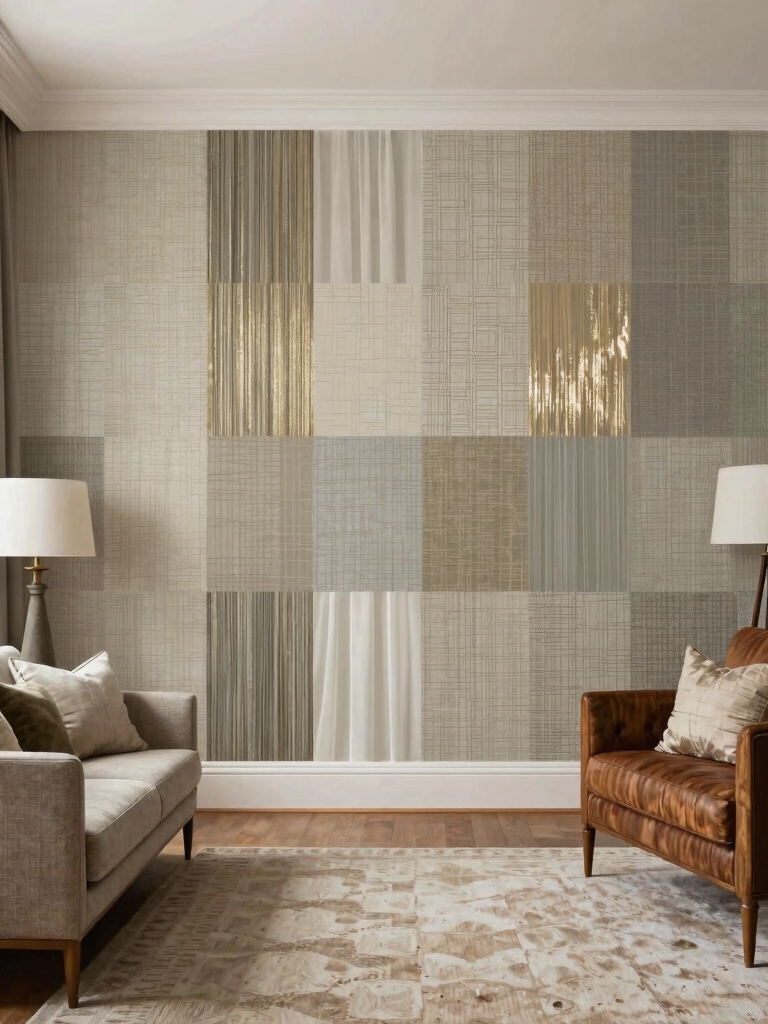
If paint feels too permanent, or you rent or live in a dorm, a removable feature wall delivers the same drama with none of the risk. Concentrate it on one wall — usually behind the bed or sofa — so it reads intentional, and pick a pattern or warm tone pulled straight from your color plan. Most options come right back down when you move or change your mind.
- Peel-and-stick wallpaper for bold pattern with no commitment
- A grid of thin painted battens for cheap architectural texture
- A panel of fabric stretched on a frame for softness and a little sound dampening
Before You Stick It Up
Peel-and-stick wallpaper and adhesive panels grip best on smooth, clean, fully-cured walls. On textured or freshly painted surfaces they can lift at the edges or pull off paint when you remove them. Test a small offcut in a hidden corner for a few days before committing a whole wall, and avoid it over flaky or damp paint.
Swap Storage Instead of Buying Furniture
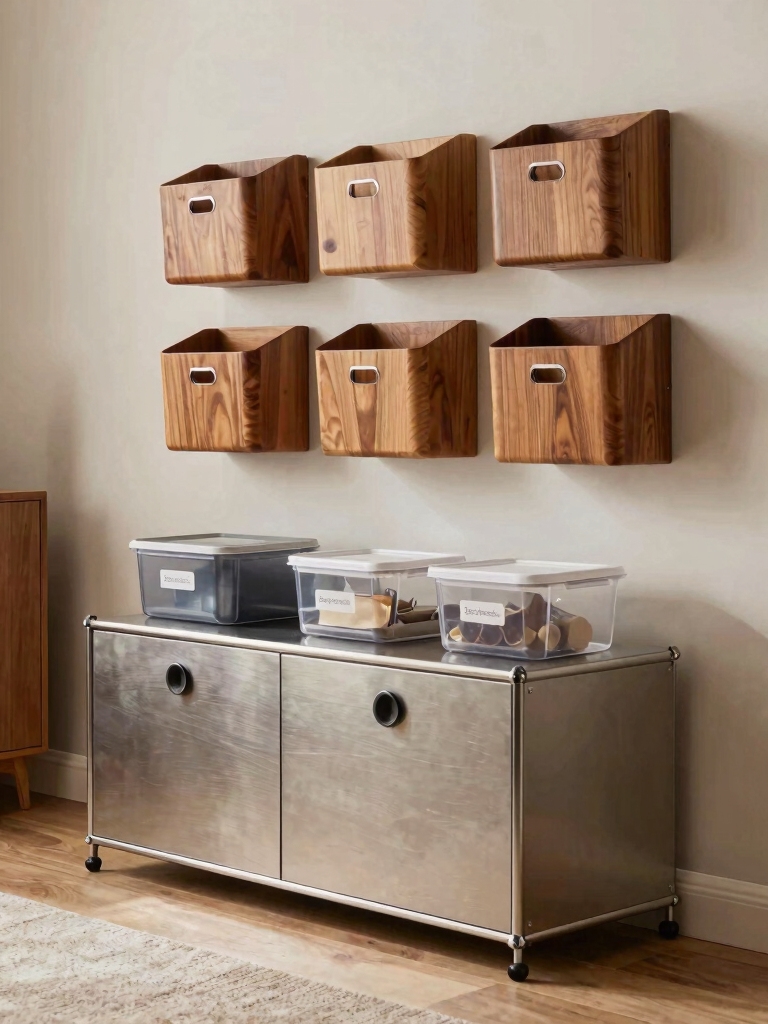
When a room feels cramped, the instinct is to buy more furniture, but smarter storage usually fixes it for far less. Swap open clutter for baskets, claim dead vertical space with a shelf, and slip organizers into the drawers and cabinets you already own, and the room instantly reads calmer and larger.
The move is hiding the everyday and displaying only what you love. Matching baskets or a row of labeled boxes turn visual noise into something deliberate, usually for a fraction of a new sideboard, the same calm behind loft-bed space-saving dorm ideas. This suits small rooms and renters best, since nothing is built in.
Layer Textiles for Instant Warmth
Soft furnishings are the fastest way to make a room feel finished, and they are endlessly swappable. A larger rug, a throw over the sofa, and a mix of cushion sizes add warmth, color, and texture in a single afternoon with no tools at all.
Scale is the detail most people get wrong. Size the rug up so the front legs of your furniture sit on it, and the whole arrangement instantly feels anchored and more expensive than it was.
- Layer two cushion textures, one smooth and one nubby, for depth
- Swap textiles by season to refresh the room without buying anything big again
- Hang curtains high and wide so the windows and walls look taller
Use Mirrors to Double the Light
A well-placed mirror is a small-room trick worth its weight, bouncing light around and faking extra depth. Lean a large one against the wall or hang it opposite a window, and a dim, boxy room suddenly feels brighter and more open.
Thrift stores and marketplace listings are full of cheap mirrors with good bones; a coat of paint or a little gilding wax on the frame makes them look far more expensive. Cluster a few small ones together if a single big mirror is out of budget, since the reflective effect is the same.
Set the Mood With Layered Lighting
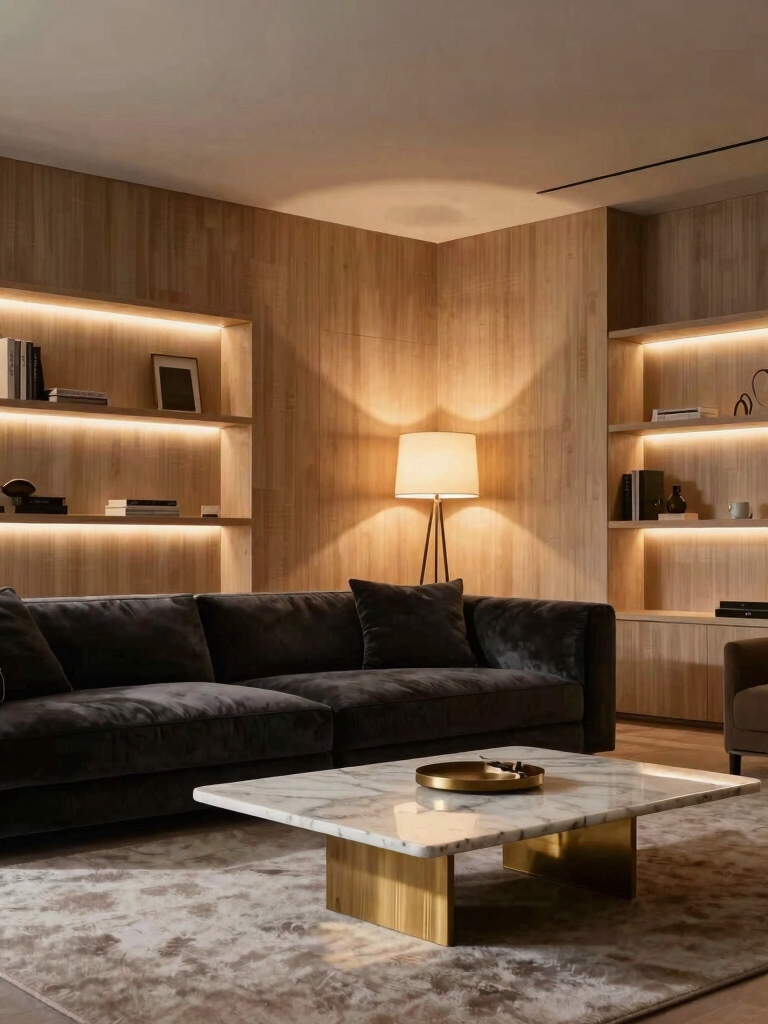
Overhead light alone flattens a room, and it is the first thing I fix in a budget makeover. Layering light at a few different heights is what makes a space feel warm and considered after dark. Build it up like this:
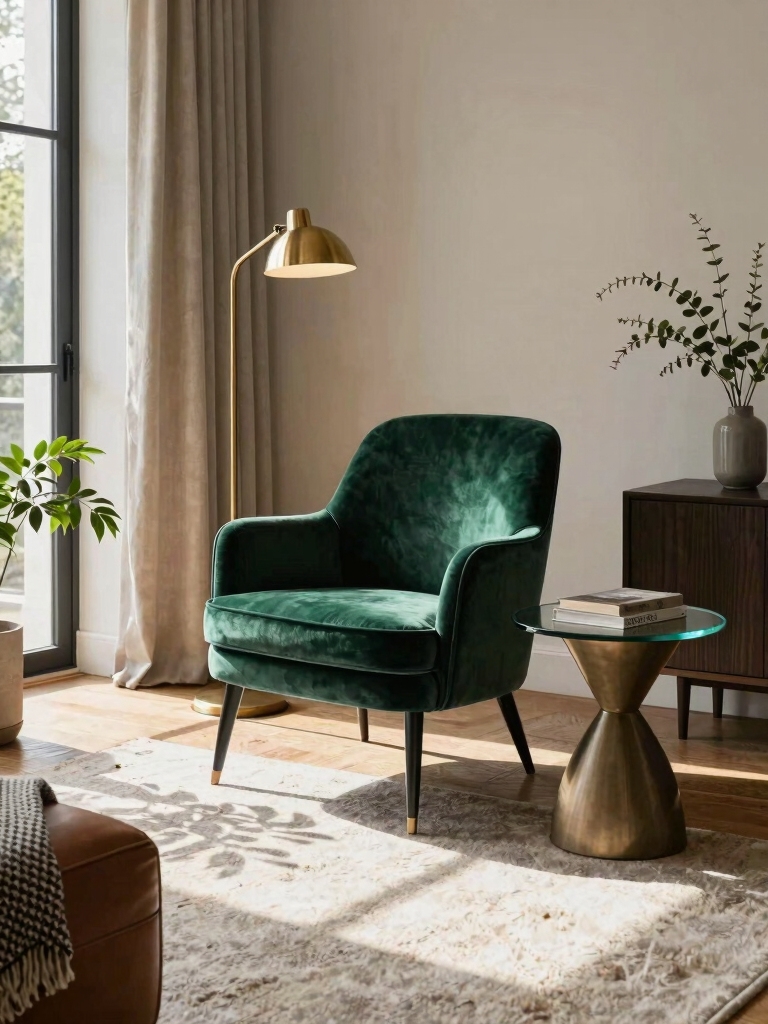
- Add a floor or table lamp in the darkest corner to lift the shadows
- Swap cool bulbs for warm ones around 2700K, a five-minute change that makes the whole room feel cozier at once
- Put the main light on a cheap plug-in dimmer to shift from task-bright to evening-soft
- Tuck discreet LED strips behind a shelf or headboard for a soft, modern glow
Swap Hardware for a Quick Lift
Tired cabinets, doors, and drawers transform with new hardware alone, and it is the highest-impact swap per dollar in the whole room. Replacing dated knobs and pulls with brass, matte black, or fluted handles instantly drags old furniture into the present.
The same logic covers switch plates, taps, and curtain rods, where a single cheap, dated fixture quietly cheapens everything around it.
- Photograph the existing screw spacing before you shop so new pulls actually fit
- Mix metals sparingly: pick one main finish and let it lead
- Spray-paint the handles you have if replacements are not in the budget
Make a Gallery Wall From Almost Nothing
Blank walls make a room feel unfinished, but art does not have to cost much. A gallery wall built from free printables, pages of a thrifted book, pressed leaves, or your own photos in matching frames looks collected for the price of a few prints.
Consistency is what makes inexpensive art read as intentional. Stick to one frame color and keep even gaps between the pieces, so the eye reads the whole wall as one collection.
Plan it before a single nail goes in: lay the arrangement on the floor first, then cut paper templates of each frame and tape them to the wall to test the layout. It saves both your walls and your patience.
Bring in Budget Greenery
Plants add life, color, and a settled, collected feel that styling alone cannot, and they are some of the cheapest decor going. A few well-placed pots soften hard corners and warm up a room for a handful of dollars, and you can multiply them for free over time.
- Choose forgiving, low-light types like pothos, snake plant, or ZZ
- Propagate cuttings in glass jars to turn one plant into several
- Hide cheap plastic pots inside a thrifted basket or a painted tin
Where to Save and Where to Spend
What keeps a budget room from looking like one is knowing where to point the money you do have. The rule that has never failed me is cost-per-use: the more your hands and eyes touch something every day, the more it earns a little investment, while anything you only glance at can stay cheap and swappable.
Right now that means putting your small budget into warm, layered lighting, one good rug, and solid hardware in the finishes having a moment, unlacquered brass and matte black. Let the trend-led pieces, the fluted everything and the of-the-moment color, live in cushions and art you can switch out cheaply when the look moves on. That is how a budget room stays current without a costly redo every season.
🅰️Spend a little on
Lighting, a good rug, and hardware, the pieces you touch daily and keep for years.
🅱️Save on
Trend accents, art, cushions, and anything you will happily restyle next season.
Budget Room Makeover Questions
?How can I redo a room on a small budget
Start with a plan, not a purchase. Declutter, settle on a color scheme built around something you already own, then spend on paint, lighting, and textiles in that order. Those few moves transform a room for very little, and almost none of it needs new furniture or a professional.
?What gives the biggest impact for the least money
Paint and lighting, every time. A fresh wall color and a few layered, warm light sources change how a whole room feels for the price of a can of paint and a couple of bulbs. New hardware on existing furniture is a close third.
?How do I make a budget room not look cheap
Consistency and restraint. Stick to one color story, match your frames and baskets, and spend a little on the few things you touch daily, like lighting and hardware. A room reads expensive when it looks considered, not when it actually cost a lot.
?Can I do all of this as a renter
Yes, nearly every idea here is reversible. Peel-and-stick wallpaper, removable hardware, freestanding lamps, rugs, mirrors, and plants all leave with you and do no damage. Save the permanent changes like painting for a place you own one day.
Small Changes Add Up Fast
A room rarely needs a big budget to feel new; it needs a plan and a few well-chosen changes layered in the right order. Paint, light, texture, and a little restraint do more than money ever does on its own.
Start with the one thing that bothers you most, live with it, then add the next layer when you can. Done slowly and on purpose, a handful of small budget room ideas add up to a space that looks like it cost far more than it did. The same approach powers our small-space dorm ideas.