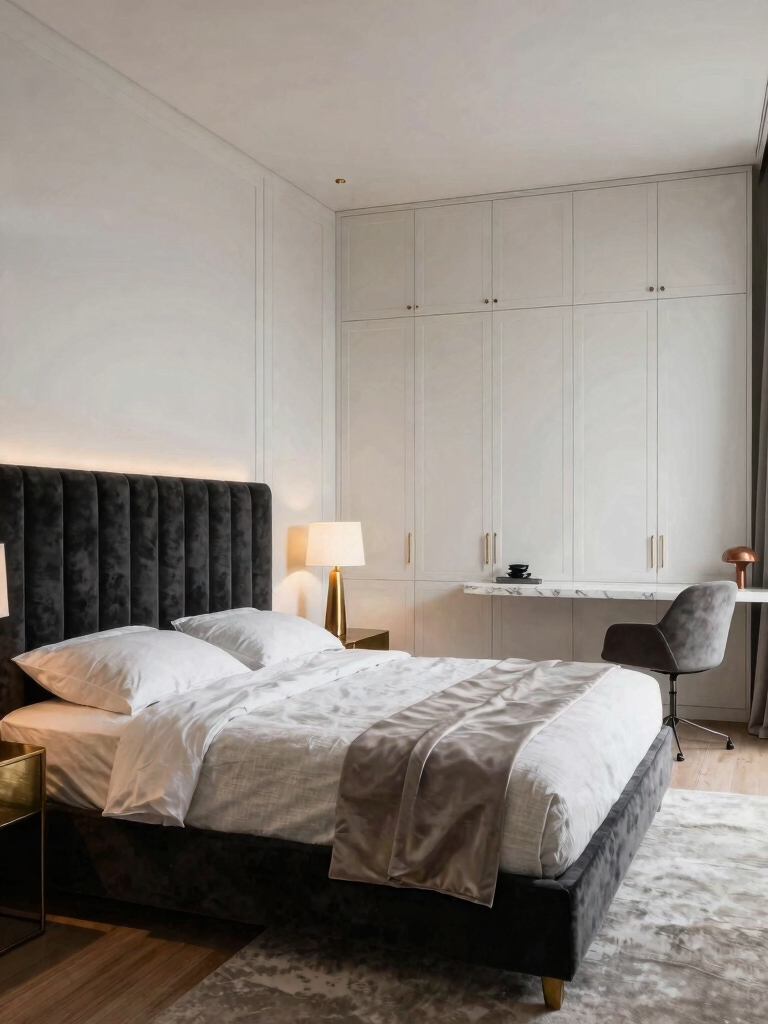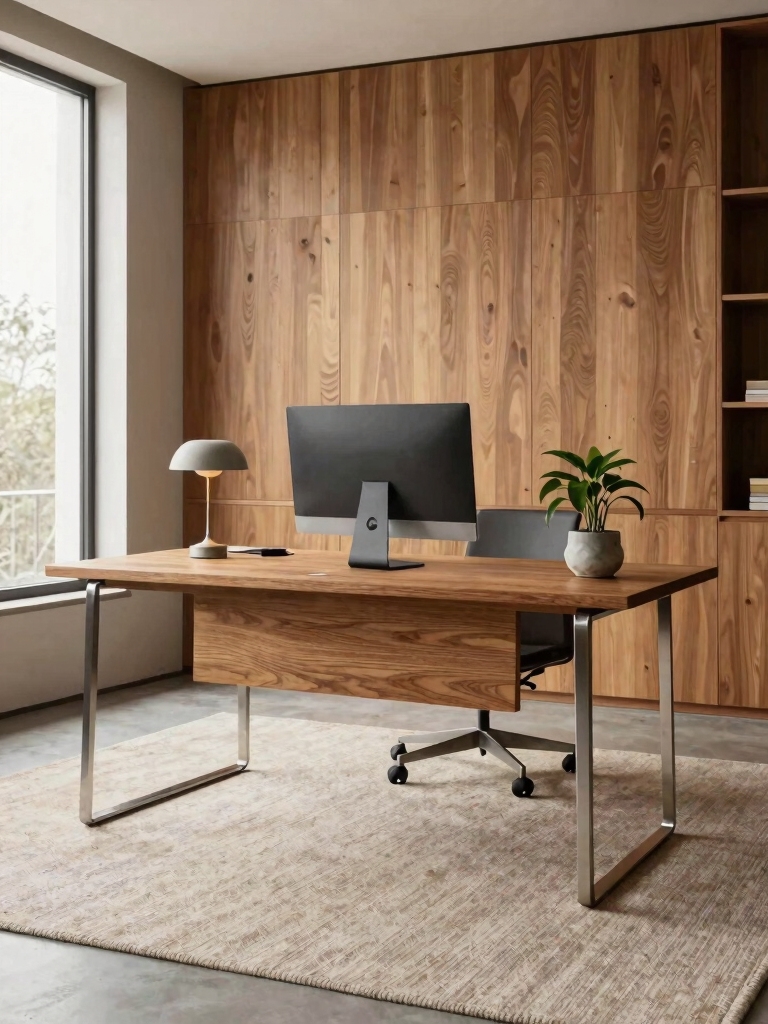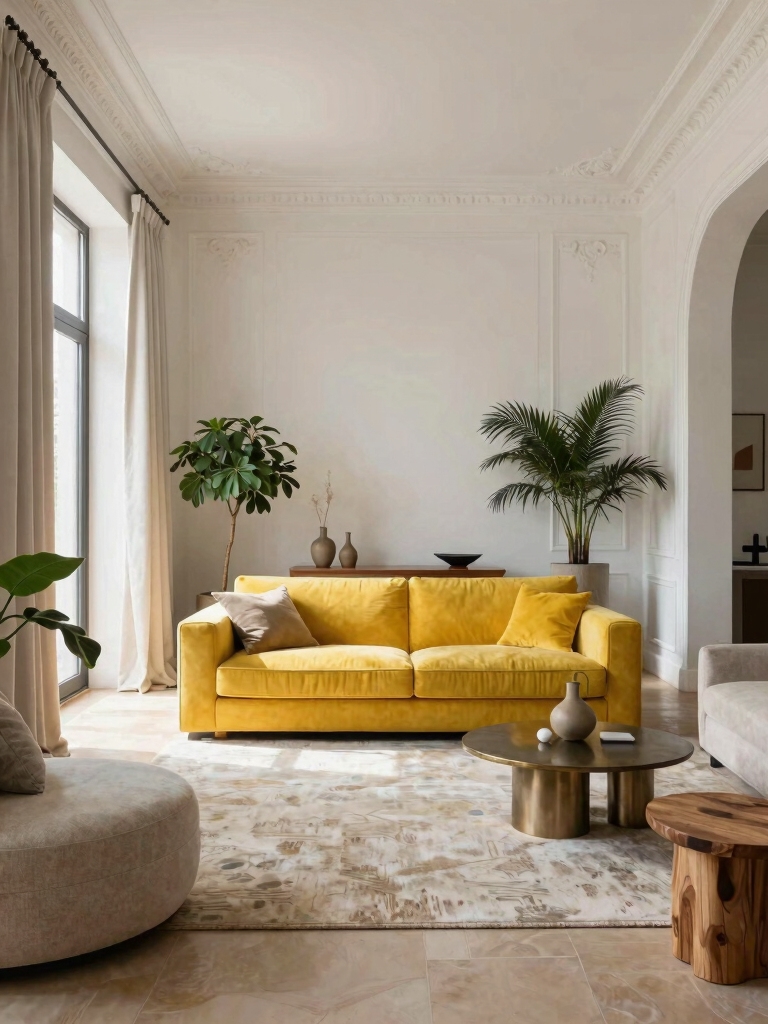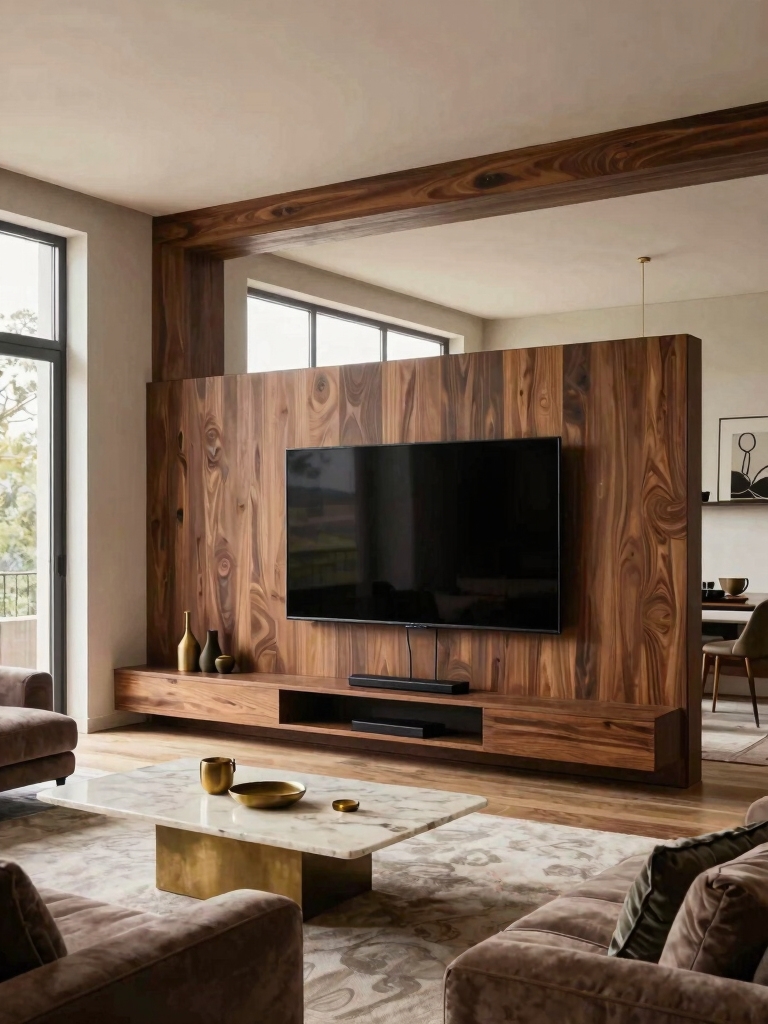
I’ve got you covered with 16 living room TV wall ideas that hide cords, from built-in cabinetry and recessed panels to floating consoles and in-wall channels. I’ll guide you through discreet power management, slim cable routes, and paintable panels that vanish into walls. I’ll highlight wireless setups and budget tips so your space stays clean and cohesive. If you want more specifics, you’ll find practical steps and pros/cons that help you plan your perfect cord-free wall.
What Qualifies as a Hidden-Cord TV Wall Setup
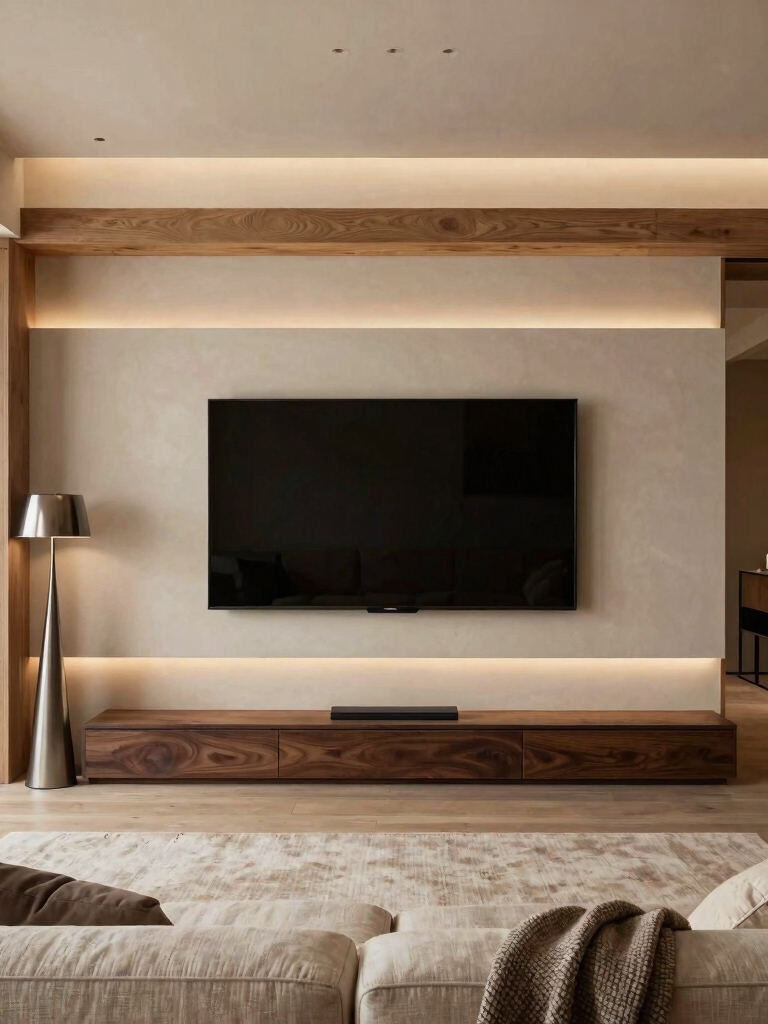
A hidden-cord TV wall setup is one where all cables disappear behind the wall or through clean concealment paths, leaving only the TV and a sleek, uncluttered look.
I’ll explain what qualifies: hidden conduits or in-wall Power/AV runs, minimal visible connections, and secure routing that avoids exposed cords.
The goal is tidy, safe, and adaptable to future tech changes.
Incorporating creative TV wall ideas can transform your living room focal point while maintaining a clutter-free appearance.
Built-In Cabinetry That Hides Cables Seamlessly
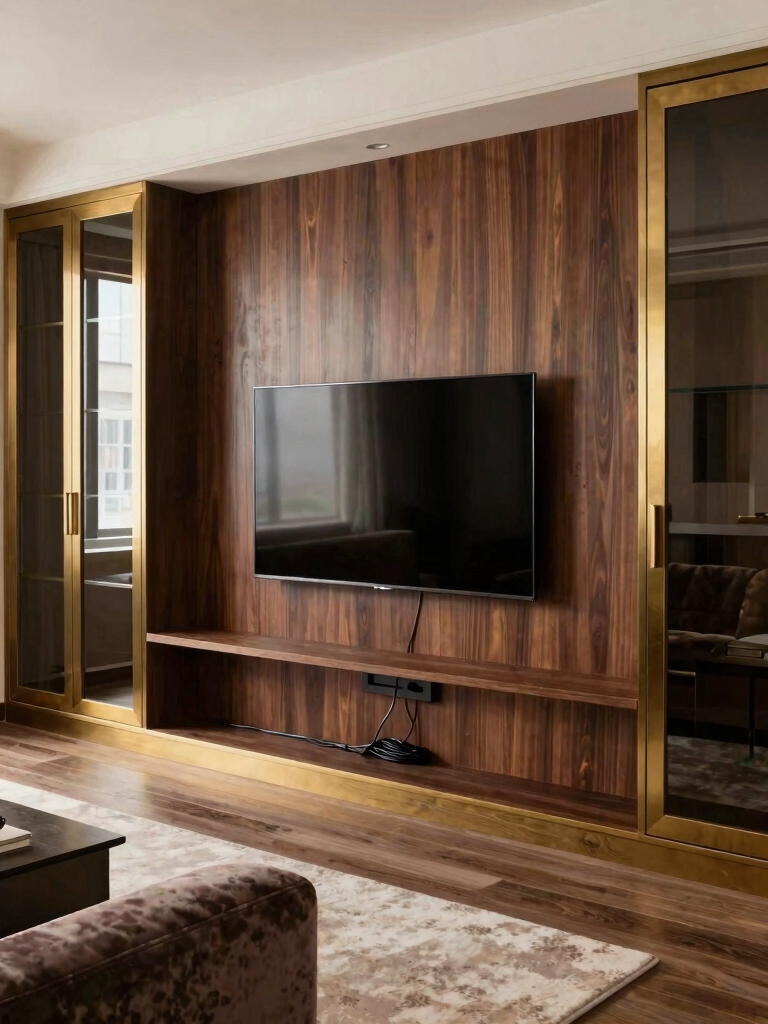
I’m curious how built-in cabinetry can hide cables without sacrificing function.
I’ll show simple, seamless cable concealment paired with integrated storage solutions that keep remotes and cords out of sight.
Let’s explore practical layouts that blend aesthetics with easy access whenever you need it.
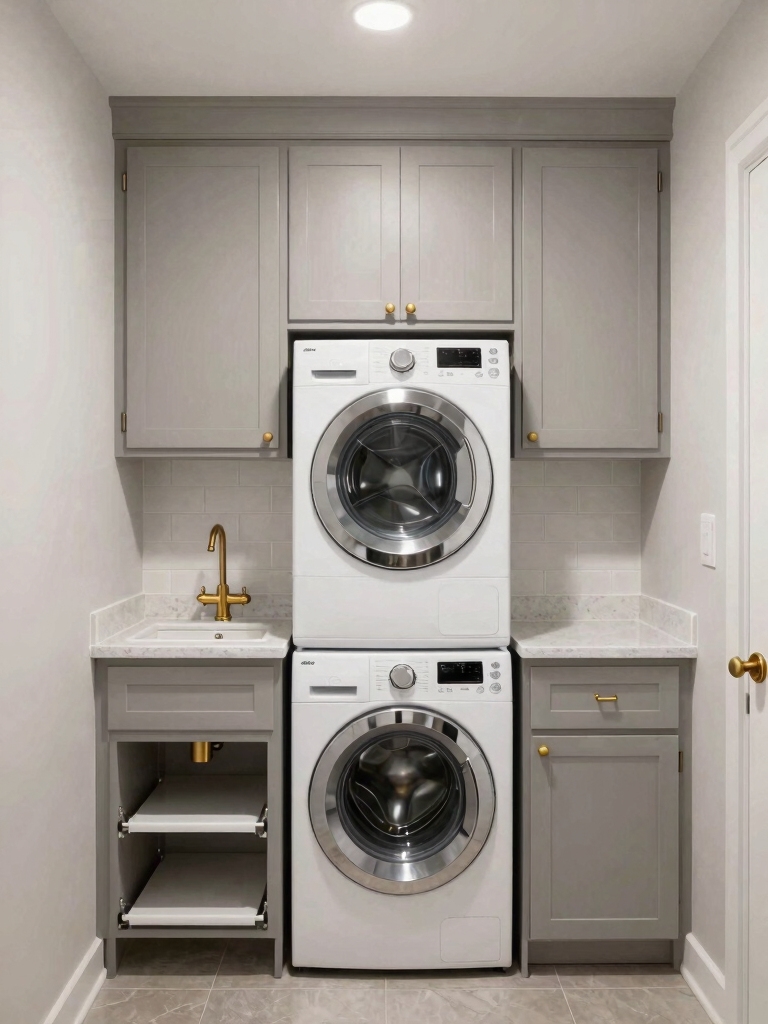
Incorporating clever utility room solutions can inspire innovative ways to maintain a tidy and organized entertainment space.
Seamless Cable Concealment
I tailor storage with clean panels and clever channels, keeping outlets accessible but unobtrusive.
I route cables behind shelves, then seal gaps for a unified look.
You gain instant calm, no dangling cords.
Practical, precise design guarantees function, aesthetics, and easy future updates without clutter.
Integrated Storage Solutions
- Custom dimensions fit your space
- Cable routes stay organized
- Doors hide devices entirely
- Accessible panels simplify maintenance
Recessed Panel Systems for a Clean Look
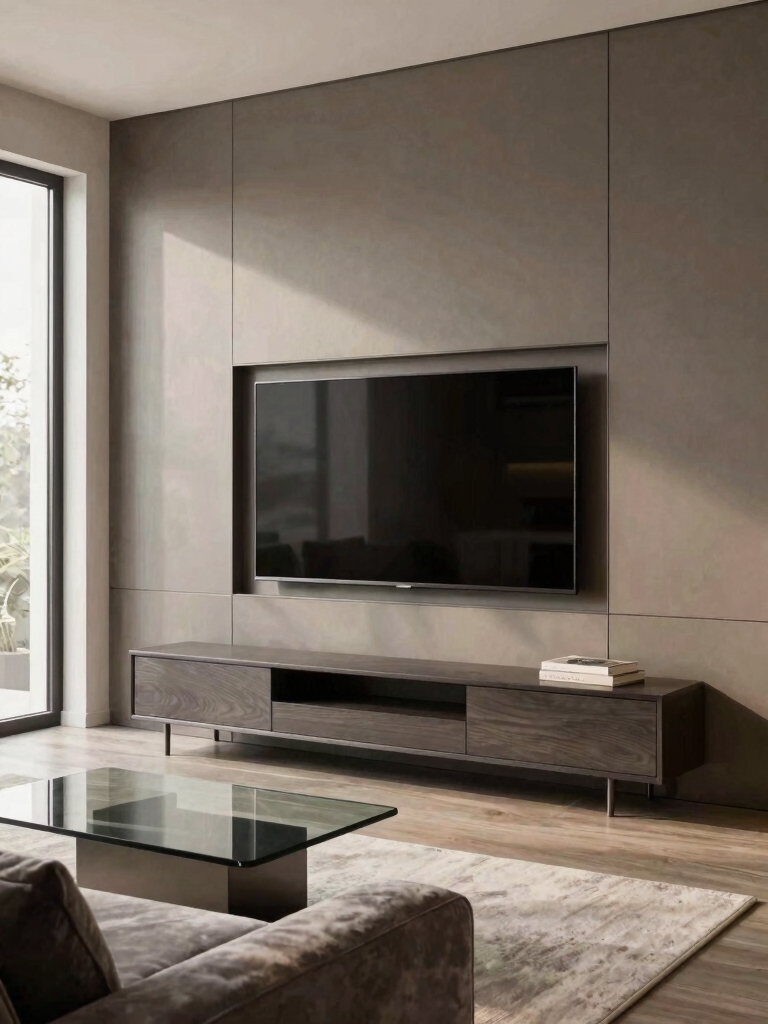
Recessed panel systems offer a clean, streamlined backdrop for a living room TV, hiding cables and bulky hardware so the screen can take center stage.
I install them with simple framing and paint to match walls, keeping joints tight and almost invisible.
You gain a seamless look, improved lighting control, and quicker setup, without sacrificing access or future upgrades.
Additionally, incorporating creative wall decor ideas around the recessed panels can enhance the overall aesthetic while keeping the space functional.
Floating Media Consoles With Hidden Runs
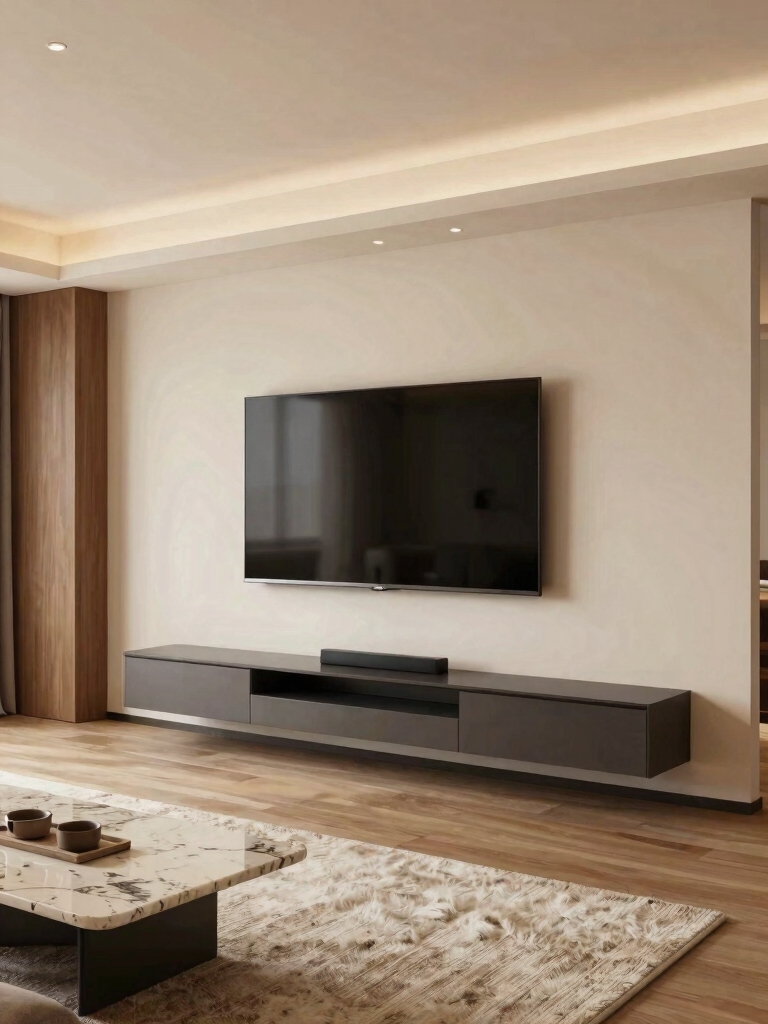
I’m curious how hidden wiring pathways and smart cable management keep a floating console clean-looking and secure.
We’ll look at practical routes and solutions that protect your walls and cables while preserving that sleek, floating aesthetic.
Let’s discuss how effective cable routing and tidy finishes enhance the overall look and function.
Incorporating creative wall mirror ideas can also help reflect light and visually expand the space around your media console.
Hidden Wiring Pathways
- Plan routes: behind molding and along baseboards
- Use cable raceways for tidy, low-profile runs
- Anchor hardware to studs for stability
- Label each cable for easy future tweaks
Cable Management Solutions
Floating media consoles with hidden runs make cable management feel seamless and intentional.
I design setups that conceal power and HDMI paths behind panels, then route cords along clean troughs or wall channels. You’ll enjoy quick installation, fewer gaps, and better airflow.
I recommend adjustable compartments for future gear, labeled ports, and simple access ports for service and upgrades.
Floating Console Aesthetics
A floating console isn’t just about hiding cables; it’s about how it looks and feels in your space.
I design with clean lines, hidden runs, and practical access. You’ll get a sleek, airy vibe without clutter.
Here are ideas:
- Choose matte finishes
- Use under-floor wiring
- Integrate wireless components
- Prioritize cable-free mounts
In-Wall Cable Channels: Pros, Cons, Tips
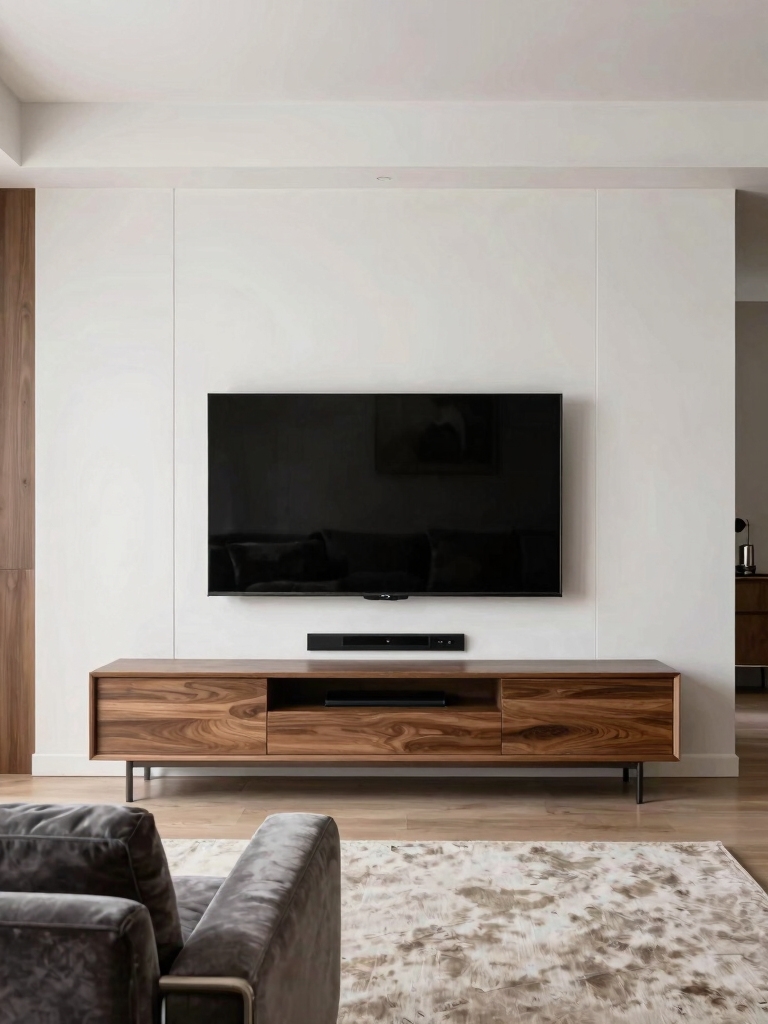
In-wall cable channels offer a cleaner, safer way to hide wires behind your living room TV, but they’re not a one-size-fits-all solution.
I’ll spell out pros, cons, and practical tips I’d use myself.
Pros: neater look, restart-friendly access.
Cons: cost, potential fire risk if misinstalled.
Tips: hire a pro, follow code, plan routing, use low-voltage kits, test before drywall.
Incorporating smart design tips can transform even the smallest spaces, making your living room both functional and stylish with hidden wiring solutions like these tiny living room ideas.
Wall-Mounted Niches and False Backs for Tidier Wiring
Wall-mounted niches and false backs can keep cords tucked away without major renovations, and they’re surprisingly helpful for tidier wiring.
I’ll show simple steps you can trust:
- Measure wall space and outlet placement.
- Choose slim, retrofit-ready backs.
- Route cables through channels, conceal with paint.
- Label cords for quick future tweaks.
These solutions are perfect for small room ideas that instantly double your space by reducing clutter.
Hidden Power and AV Outlets: Where to Place Them
I’m thinking about practical placements for power and AV outlets that keep cables tidy and accessibility simple.
We’ll cover smart power outlet placement, AV outlet positioning for players and consoles, and how to route cables cleanly without visible clutter.
Let’s jump into a few concrete tips you can apply right away.
In addition, using creative room divider solutions can help conceal cords and devices, maintaining a clean and organized open living space.
Power Outlet Placement
Hidden power and AV outlets should be tucked where they’re easy to reach but out of sight, so you won’t see cords hanging when you’re relaxing or entertaining.
Here’s how I place them:
- Position near seating for easy access
- Align with TV height for neat cables
- Use a clean chase or furniture gap
- Label circuits for quick troubleshooting
AV Outlet Positioning
If you’re putting AV outlets in smart, hidden spots, the key is to place them where cords disappear yet you can reach them without crawling behind furniture.
I prefer mounting outlets at mid-wall level behind the TV or inside a shallow cabinet, close to the power strip.
Keep outlets aligned with HDMI and AV inputs for clean, quick connections.
Cable Routing Tips
When planning cable routing for a living room TV, I keep cords tucked away yet easy to reach, so you don’t have to crawl behind furniture every time you adjust your setup.
- Plan hidden outlets near seating and media devices
- Use in-wall or conduit routing where possible
- Label cables for quick swaps
- Choose low-profile power strips and cable sleeves
Wireless Setups That Minimize Cables
I prioritize wireless streaming, Bluetooth peripherals, and wall-mounted gear to cut clutter. Position your router centrally, pick reliable extenders if needed, and choose devices with solid wireless specs.
I bundle power into a single outlet using a smart strip, keeping cables hidden while I preserve easy access.
Hidden-Cord Gallery Wall Tricks Behind Art
I’ll share practical Hidden-Cord Gallery Wall tricks that keep cables out of sight without sacrificing art impact.
From artful cord concealment to behind-the-frame cables, these ideas streamline your setup while you still enjoy a clean, cohesive look.
Let’s explore simple, effective approaches you can implement today.
Transform your space with these inspiring room makeover ideas that enhance both style and function.
Hidden-Cord Gallery Wall
Hidden cords behind a gallery wall don’t have to ruin the look. I’ve found tidy tricks that keep cables tucked while you shine art.
- Route cords along the frame edge for minimal visibility.
- Use slim cable channels painted to match walls.
- Stage a lightweight, decorative cord cover for texture.
- Label outlets to avoid cable chaos later.
Artful Cord Concealment
I guide you to route cords along frame edges, behind canvas, or through discreet wall channels, then dress the paths with labeled clips for quick tweaks.
Keep everything taut, balanced, and aligned with your gallery vibe—clean lines, minimal distraction, confident results.
Behind-The-Frame Cables
- Mount a slim conduit behind frames
- Run cables along picture rails
- Label each cord for quick swaps
- Conceal outlets with decorative covers
Streamlined, practical, and almost invisible—you gain serenity without sacrifice.
TV Mounting on Acoustic Panels or Fabric Panels
If you’re mounting a TV on acoustic or fabric panels, you can do it without sacrificing sound quality or the panel’s look—just choose the right method.
I favor low-profile mounts secured to wall studs behind panels or to solid frames, plus vibration-damping spacers to prevent panel flutter.
Hide cables with internal routing, keeping the surface sleek and acoustically true.
Incorporating elements like warm tones and textures can also enhance the overall ambiance of your living room, creating a cozy atmosphere that complements the functional design of your TV wall. Cozy Grey Living Room Inspirations
Cord-Organization Accessories That Stay Invisible
Hidden cords don’t have to clutter your living room. I’ve found tiny, invisible helpers that keep everything tidy without shouting for attention.
Here are my go-to options:
- Cable clips that grip walls
- Cord conduits tucked along furniture
- Flexible zip ties for neat bundling
- Wireless adapters to reduce visible wiring
To enhance both functionality and aesthetic, consider incorporating stylish storage solutions that blend seamlessly with your room’s design.
Materials and Finishes for a Cohesive Cord-Concealment
Choosing the right materials and finishes makes cord concealment look intentional, not hacked together. I prioritize seamless textures and colors that match your wall and furniture, so cables vanish without shouting.
Use low-profile conduit, paintable panels, or wood veneer to blend. Finish edges cleanly, hide fasteners, and test under lighting.
Practical, tidy, and durable choices keep the look cohesive.
Lighting That Hides Cables and Sets the Mood
Lighting is where cables can disappear and the room can breathe, so I start with practical placements that double as mood setters.
Here’s how I do it:
- Use LED strips behind the wall mount for a soft glow.
- Let floor lamps bounce light off walls to conceal cords.
- Opt cable conduits with the same finish as furniture.
- Add dimmers to adjust ambiance without clutter.
Small-Space Cord-Saving Solutions: Slim Profiles and Corners
When space is at a premium, slim profiles and clever corner placements become your best friends for cord management.
I favor low-profile mounts and narrow concealers that hug the wall, keeping outlets accessible but discreet.
Corner shelving or angled cable trays route cords cleanly without crowding sightlines.
Minimal hardware, labeled cables, and simple clips finish the tidy, livable look you want.
DIY vs. Pro Install: What to Consider
If you’re weighing options, start with the scope of the project: basic wall mounting and cable management can usually be DIY, while larger mounts, ceiling setups, or specialty mounts might demand a pro.
1) Assess wall type and stud availability
2) Consider safety, weight limits, and warranty
3) Factor in cable routing and concealment
4) Compare cost, timeline, and future-proofing needs
Budgeting for a Cord-Free Living Room Wall
Kicking off a cord-free living room wall plan starts with a realistic budget that covers mount hardware, power and data solutions, and any professional help you might need.
I’ll map costs for mount, cables, and in-wall access, plus a buffer for surprises.
Prioritize essentials, compare options, and pre-plan power outlets.
A clear budget keeps the project smooth and stress-free from start to finish.
Conclusion
I’ve learned that a hidden-cord wall isn’t just tidy—it’s a quiet garden you can walk past without tripping. When cables disappear, shelves become silhouettes, and the TV becomes a window to the room’s real light. The cords, like old vines, fade behind panels, while you breathe easier, move freer, and enjoy the scene. So I’ll pick a method I can live with, commit to it, and let clarity grow where clutter used to hide.