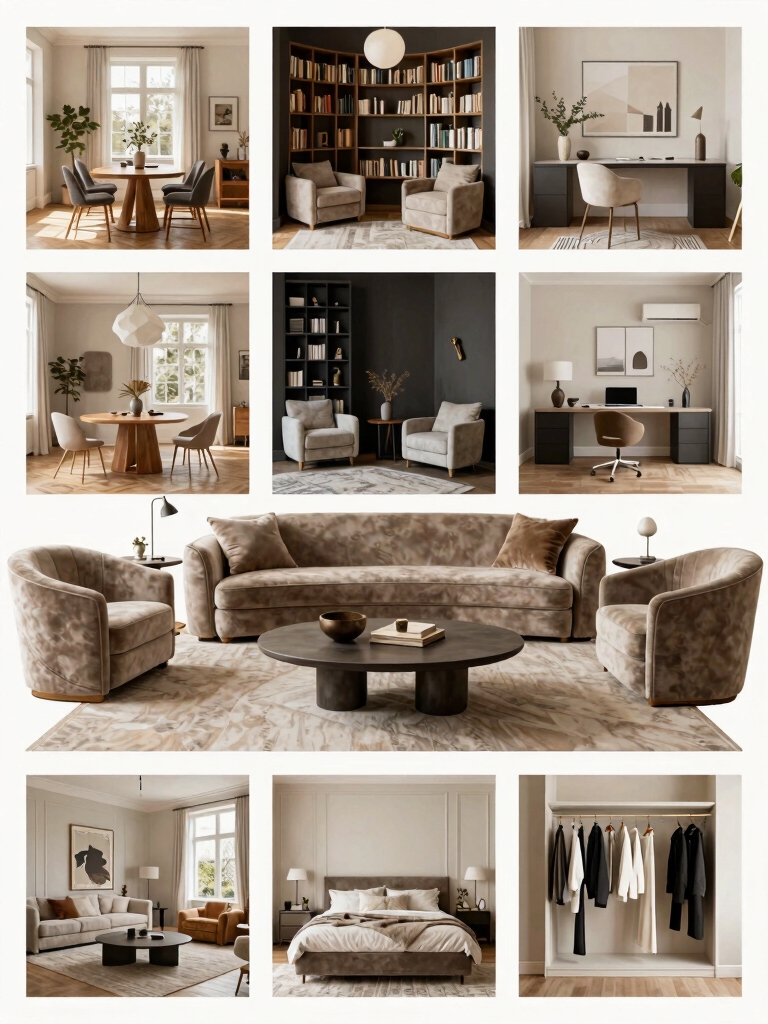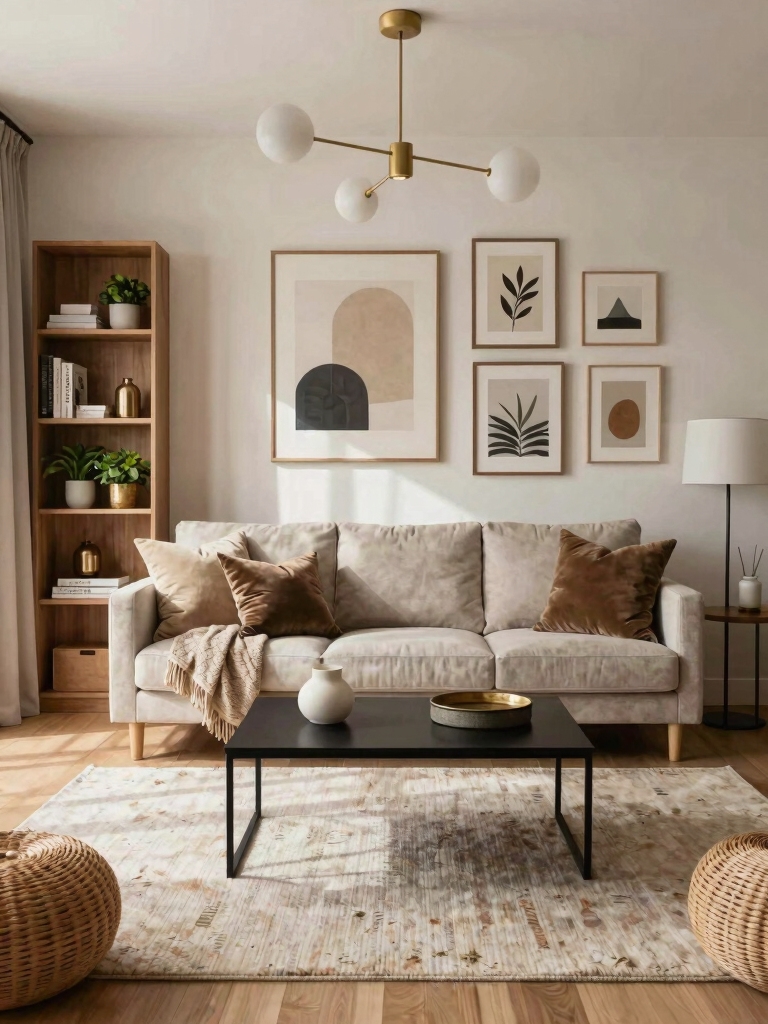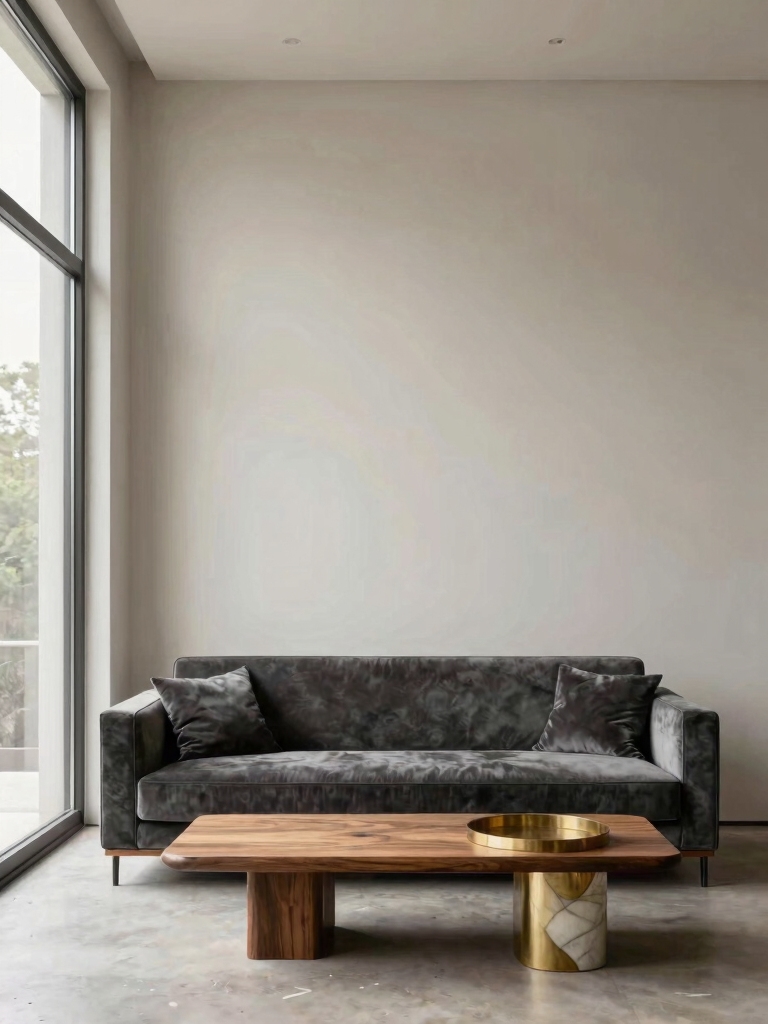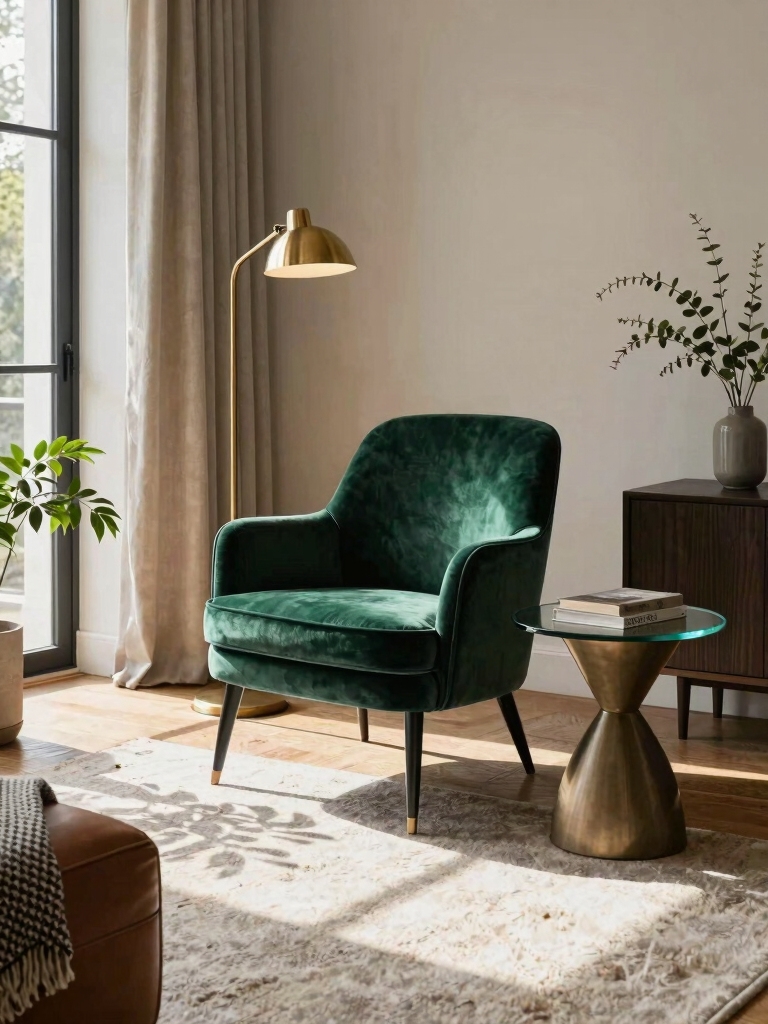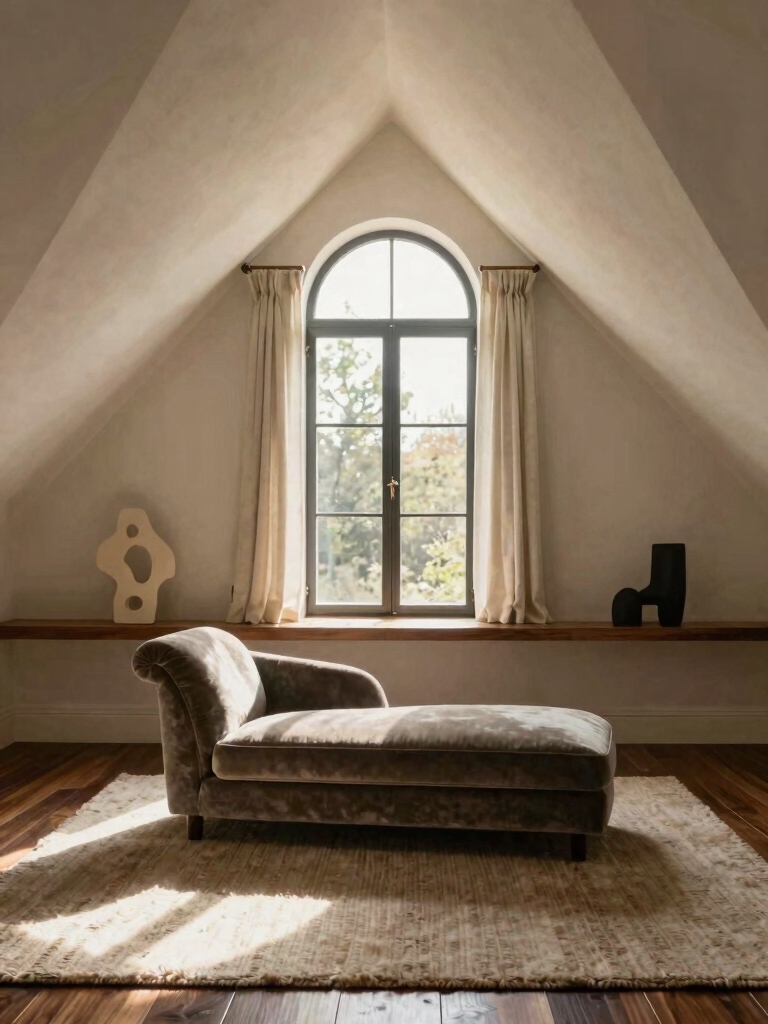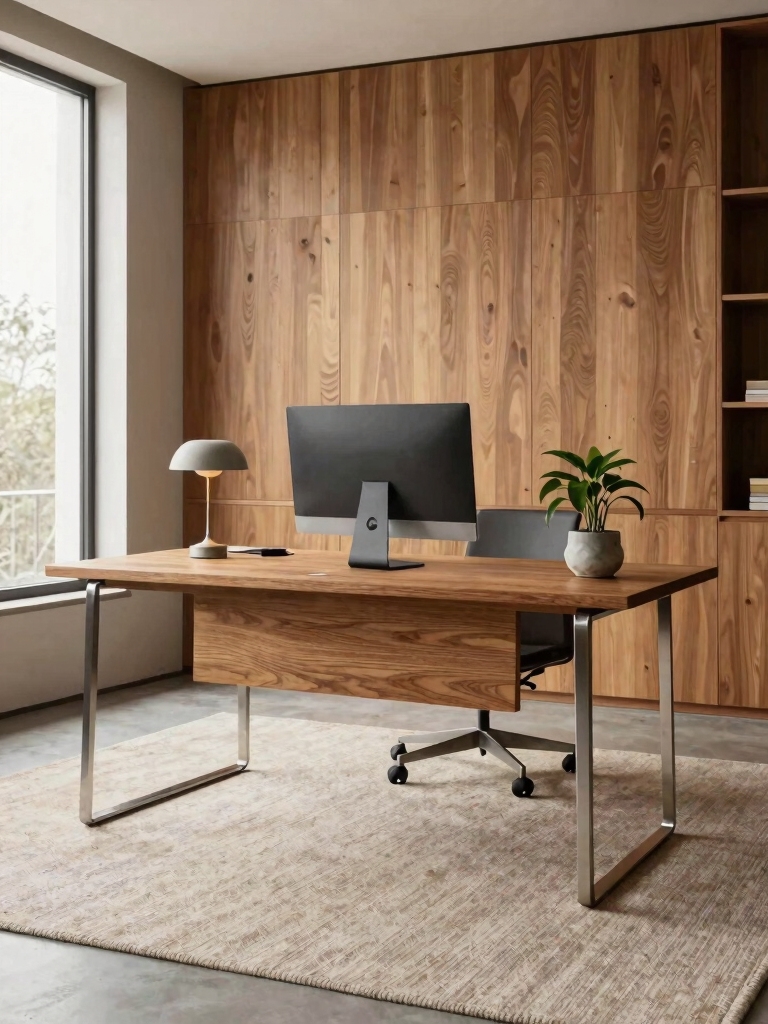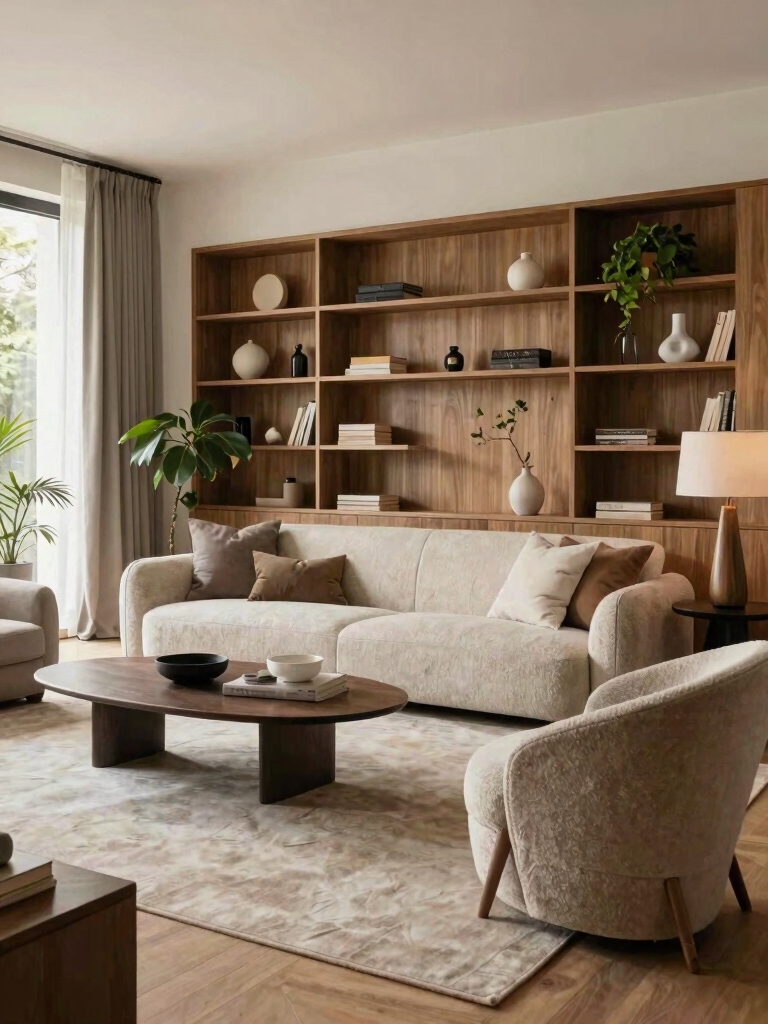
In my tiny living room, I lean on vertical space, warm textures, and smart zones to make big impact. I use hidden storage, slim shelves, and multifunction pieces like storage ottomans to cut clutter and boost usefulness. I zone with rugs, lighting, and careful layout, so pathways stay clear and rooms feel open. I pick a warm palette with soft textiles and a few bold accents for depth. Stick with me and you’ll uncover just how doable this is.
Why Vertical Space Matters in Tiny Living Rooms
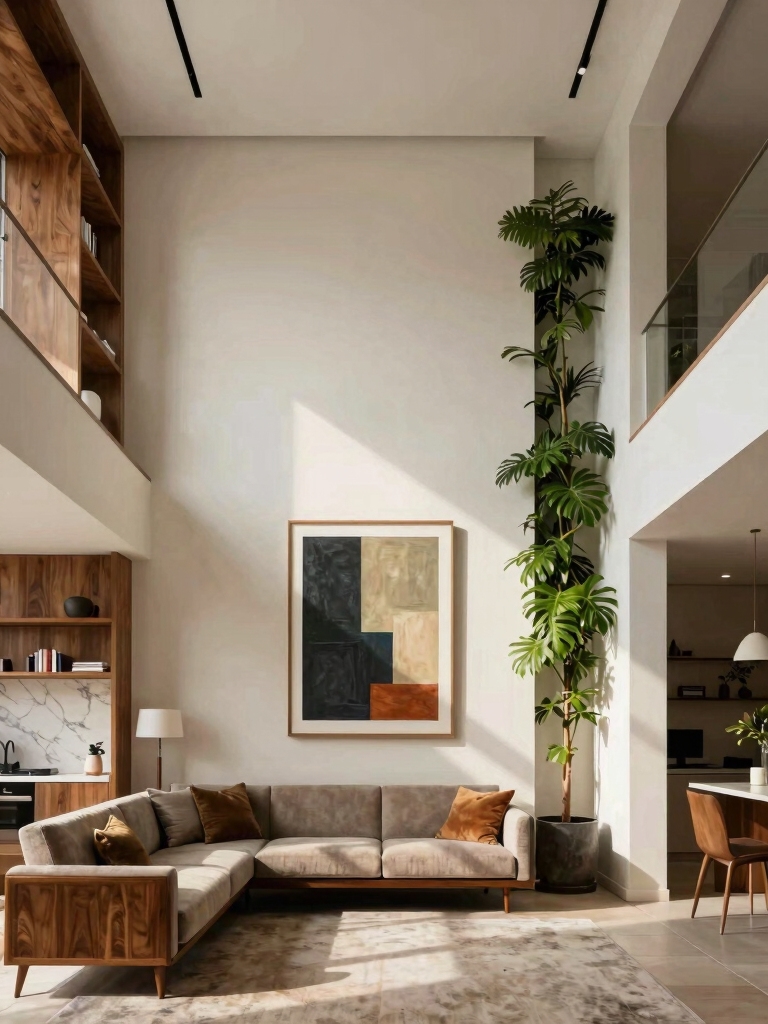
Vertical space isn’t just tall ceilings—it’s hidden storage, open sightlines, and room to breathe in a tiny living room.
I’ve learned that every inch up matters: shelves that hug the wall, hooks for coats, and vertical panels that hide clutter.
I’ll help you use height practically, keeping furniture light, routes clear, and daily living effortless without crowding the floor.
Maximizing vertical space is key to transforming small rooms into airy retreats that feel open and inviting.
Create an Open Feel With a Warm Color Palette
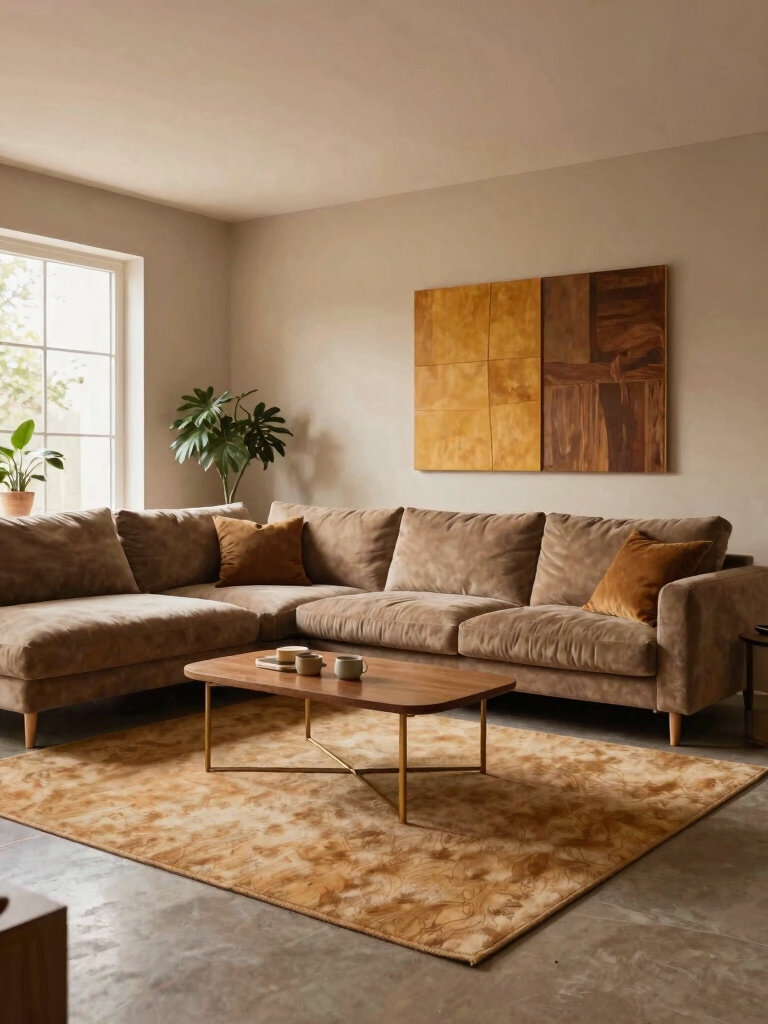
Color can make a tiny room feel bigger, warmer, and more inviting at the same time.
I start with a warm palette: soft creams, airy beiges, and gentle terracotta accents. I keep contrast minimal and let natural light breathe the space.
I choose breathable fabrics, light rugs, and simple art to preserve openness while adding cozy depth. Clarity, not clutter.
Incorporating cozy grey living room inspirations can also enhance warmth without sacrificing style.
Pick Multi-Function Furniture That Delivers Big Value
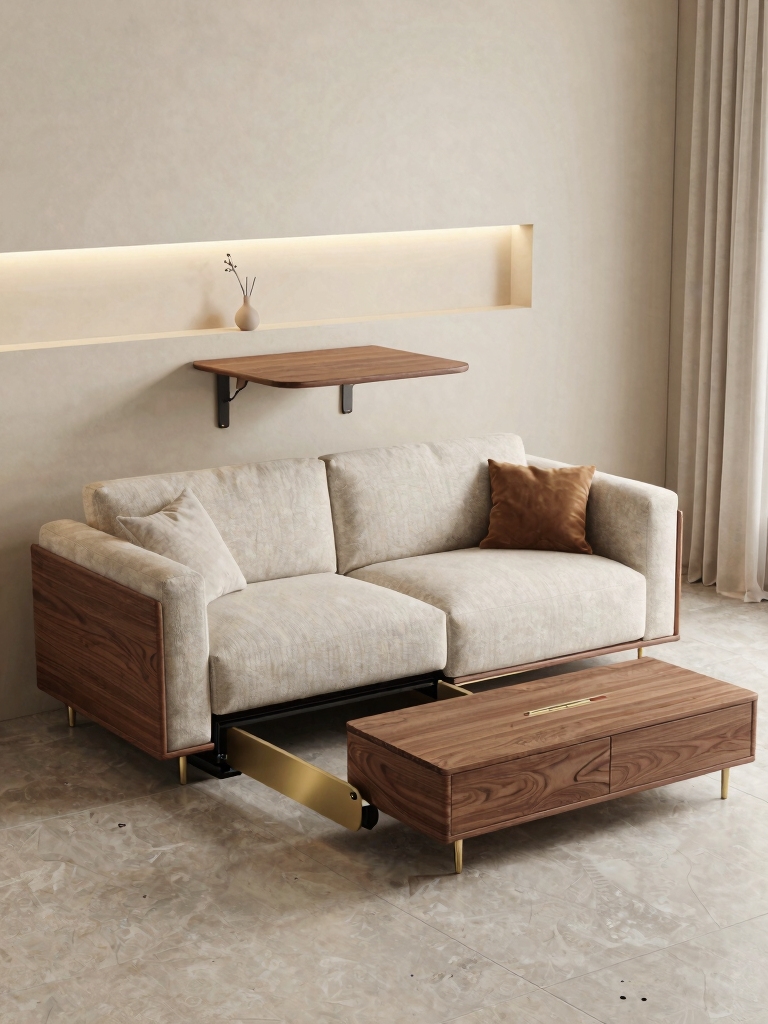
There’s no need to clutter a tiny living room with separate pieces when you can choose multi-function furniture that earns its keep.
I look for hybrids like ottomans with storage, desks that convert to tables, or sofa beds that don’t sacrifice comfort.
Each pick saves space, money, and effort, keeping minutes free for real life, not furniture fiddling.
Practical, welcoming, efficient.
Incorporating these options can double your space instantly, transforming your small room into a spacious retreat.
Zone Your Space Without Walls: Rugs, Lighting, and Layouts
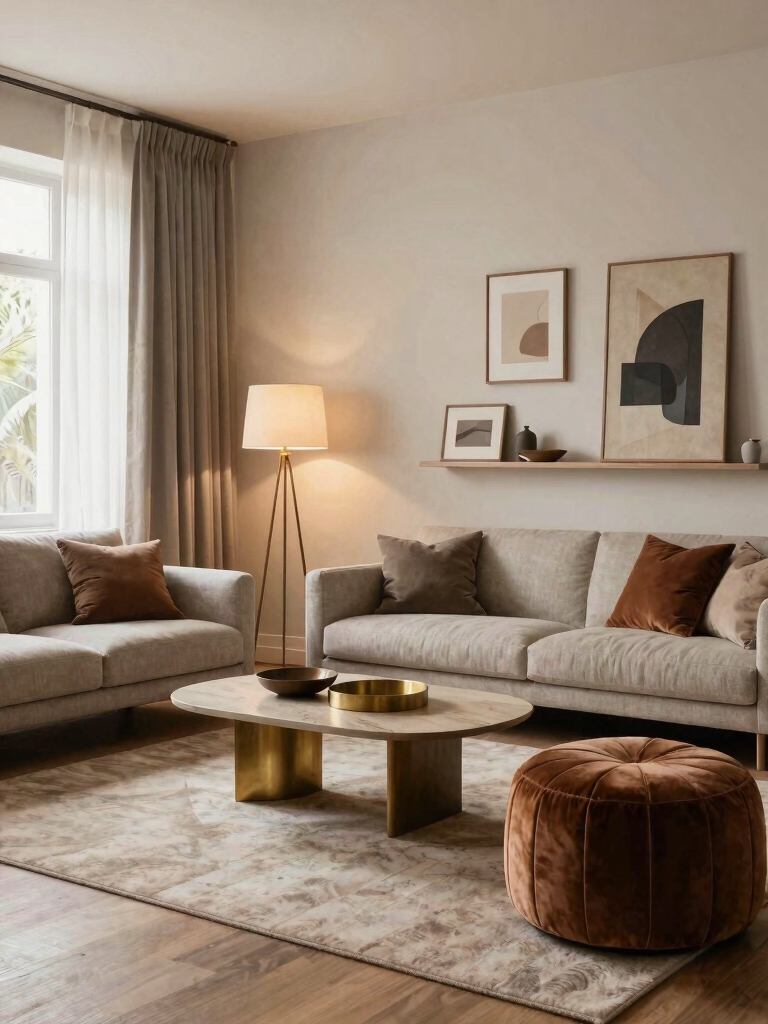
We’ve done a lot with multi-function pieces, and the next step is making the space feel defined without walls.
I trust rugs, lighting, and smart layouts to carve zones, softly guiding the eye and flow. Let’s tune texture, warm tone, and scale to keep the room intimate yet livable.
- Layer rugs to anchor zones without heaviness
- Use varied lighting for mood and focus
- Align furniture for clear pathways
- Color subtly to separate areas
- Embrace open sightlines with intentional gaps
For apartment dwellers, incorporating charming small living room ideas can maximize both style and function in limited spaces.
Size Your Furniture for Tiny Rooms: Proportion and Fit
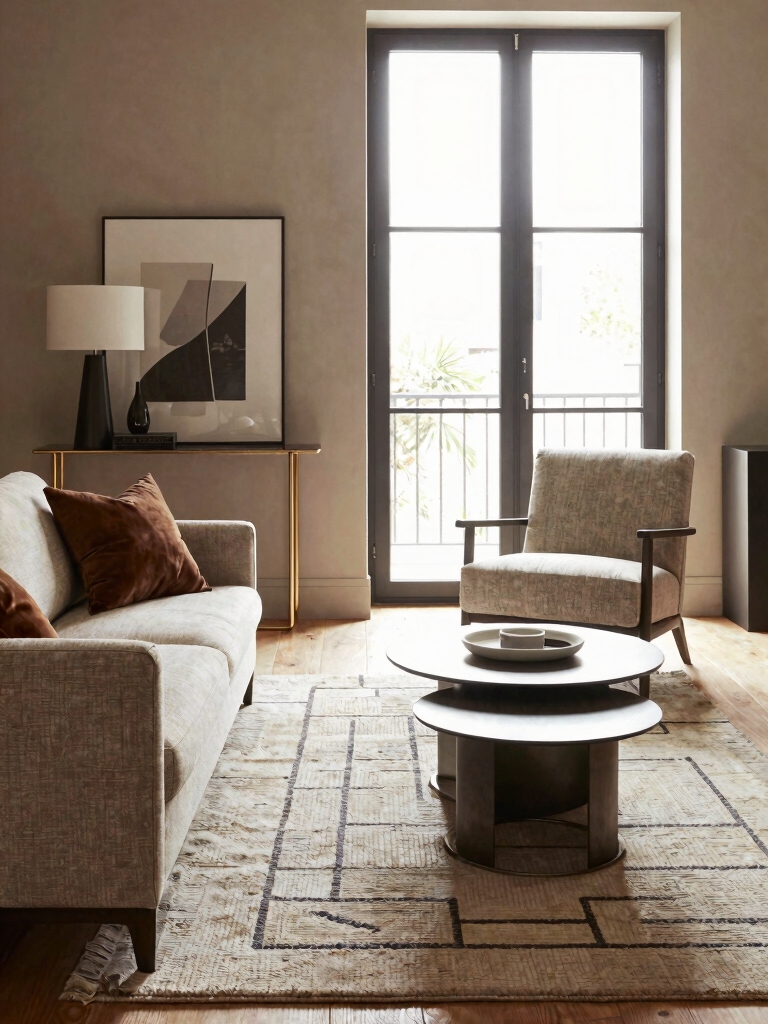
Proportion matters for small rooms, so I start by choosing pieces that fit the space rather than overwhelm it.
Fit comes first—measure, test, and place to see how each item works with traffic and sightlines.
Style follows once the scale feels right, keeping everything calm, practical, and easy to live with.
Incorporating creative ideas for cozy rooms can help maximize the potential of even the tiniest living spaces.
Proportion Matters For Rooms
When you’re dealing with a tiny living room, the right proportions can make the space feel bigger and more usable, not just nicer to look at.
I’ll share practical proportion tips that fit real rooms, not just design magazines.
- Choose scaled furniture that leaves clear sightlines
- Use long, slender pieces to expand perceived space
- Pair low profiles with wall clearance
- Balanced rug and seating footprint
- Symmetry reduces visual clutter
Fit First, Style Follows
Size matters first, and the right fit reveals the look you want for tiny rooms.
I pick pieces that scale with your space, not your ego—leaving enough breathing room for traffic and texture.
I mix low-profile sofas, slender chairs, and floating tables, avoiding bulky silhouettes.
Proportion keeps rhythm; fit keeps function, so style follows naturally, quietly, practically.
Reflective Surfaces to Amplify Light and Space
I love using reflective surfaces to brighten a tiny living room, and I’ll show you simple swaps that won’t overwhelm the space.
Mirrors and light-reflecting accents bounce daylight around, making corners feel open and cozy at the same time.
Let’s chat about practical placements and finishes that keep the room practical, clean, and inviting.
Using creative wall mirror ideas is a fantastic way to expand space and transform your living room with major impact.
Mirror Magic Moments
- position mirrors to double daylight
- angle to extend sightlines without glare
- combine frames for cohesion
- lean a small mirror for flexibility
- experiment with shapes to soften edges
Light-Reflecting Accents
I choose glossy surfaces, pale sheens, and metallic touches to bounce daylight across walls. I pair them with soft textiles to prevent glare, keeping proportions in mind.
You’ll notice eye-level mirrors, glass coffee tables, and light-wood frames expanding space without clutter.
Practical, cozy, effective.
Smart Storage Tricks for Clutter-Free Living
Tiny spaces don’t have to feel cramped. I’ll show smart storage tricks that keep clutter invisible yet accessible, so you feel calm, not crowded.
Think hidden baskets, vertical shelves, and multi-use furniture. You’ll reclaim surface area while designing with intention.
- Use hinged lids for hidden storage
- Stackable, labeled containers
- Slim wall organizers
- Under-sofa baskets
- Multifunction coffee tables
Incorporating clever utility room solutions can further enhance your space by keeping essentials organized and out of sight.
Compact Seating That Keeps Comfort High
I love how cozy yet compact seating keeps a room flowing, so I’ll share options that feel snug without crowding.
Think flexible forms that adapt to moods—slim sofas, armless chairs, and ottomans you can move for extra support or a quick lap desk.
Let’s explore seats designed for comfort on every inch of space, without sacrificing ease or style.
Incorporating stylish sofa ideas can transform your living room, making even the smallest spaces feel inviting and functional.
Cozy Yet Compact Seating
When space is tight, I rely on compact seating that feels cozy without crowding the room.
I share practical picks that maximize comfort without bulk, from slender sofas to cushioned ottomans.
Think multi‑use, easy storage, and soft textures that invite lingering.
Cozy, approachable design tips that stay functional.
- Slim sofa with hidden storage
- Modular chairs that reconfigure
- Upholstered ottomans for extra seating
- Low-profile love seat accents
- Texture-rich fabrics for warmth
Flexible Forms For Comfort
I choose compact seating that flexes with guests and routines, so you’re never crowded or settled for long.
I mix low-profile couches, poufs, and modular pieces, inviting you to rearrange easily.
Comfort stays high, and room feels calm, organized, and effortlessly functional.
Lighting Plans to Make Tiny Rooms Glow
Lighting makes or breaks a tiny room, so start with a plan that combines function and mood.
I guide you toward calm, layered illumination that highlights space. Keep fixtures compact, use dimmers, and place light sources to avoid glare.
Here are ideas:
- Layer ambient, task, and accent lighting for flexibility
- Choose slim, wall-mount options to save surface area
- Use warm bulbs (2700–3000K) for coziness
- Mirror placements amplify natural light
- Hidden cable management keeps the glow clean
Transforming your space with these relaxation haven principles will create a cozy and peaceful atmosphere.
Color Pops and Texture for Depth and Warmth
Color pops and texture instantly warm a tiny room without overwhelming it.
I mix bold accents with soft textiles, layering color in small doses to avoid chaos.
You’ll notice depth from varied materials—woven rugs, velvet pillows, matte ceramics, and brushed metals.
Add warmth with warm whites and earthy tones, keeping surfaces calm so the pops feel intentional, not clumsy.
Incorporating vibrant accents like colorful pillows or artwork can transform a grey couch living room into a lively and inviting space.
Window Nooks and Built-Ins for Extra Coziness
Window nooks and built-ins are my go-to for instant coziness, especially in a tiny living room.
I share practical, calm ideas you can try today, with simple details that add warmth and function.
- Choose compact window seats with hidden storage
- Add cushions, plug-in lighting, and a soft throw
- Install slim, open shelving for loved objects
- Layer textures: wood, fabric, and rug
- Use built-ins to hide clutter and create calm corners
Easy Movement: Accessibility and Flow in Small Spaces
I’ve loved how window nooks and built-ins tucked away clutter and added cozy corners, and that tidy groundwork helps me think about easy movement now.
In small spaces, clear paths beat style for a reason: open sightlines, single-file traffic, and minimal clutter reduce trips.
I suggest concise layouts, versatile furniture, and rug anchors to guide flow without crowding.
Simple, practical comfort wins.
Real-Life Tiny-Living Wins: Before-and-After Tweaks
When I look at real-life tiny-living tweaks, the proof is in the before-and-after moments: a single shelf swapped for wall-to-wall storage, a sofa reoriented to open a path, and curtains that hint at a separate zone without slicing the room in two.
- Vertical storage frees floor space without crowding
- Soften boundaries with area rugs and dividers
- Multi-functional furniture boosts usability
- Hidden cables, tidy corners, calmer mood
- Light layering transforms perceived size
Conclusion
I’m all about tiny spaces, so I stacked a few thoughts like a brave bookshelf: you don’t need a cathedral to feel at home—just a smart plan, a clever chair, and a rug that pretends it’s a carpeted planet. Imagine this: vertical shelves reaching for the sun, a pouf doubling as a guest, shadows hugging corners. Cozy, practical, and a touch cheeky, your small-room dream fits neatly between a coffee sip and a sigh of contentment.