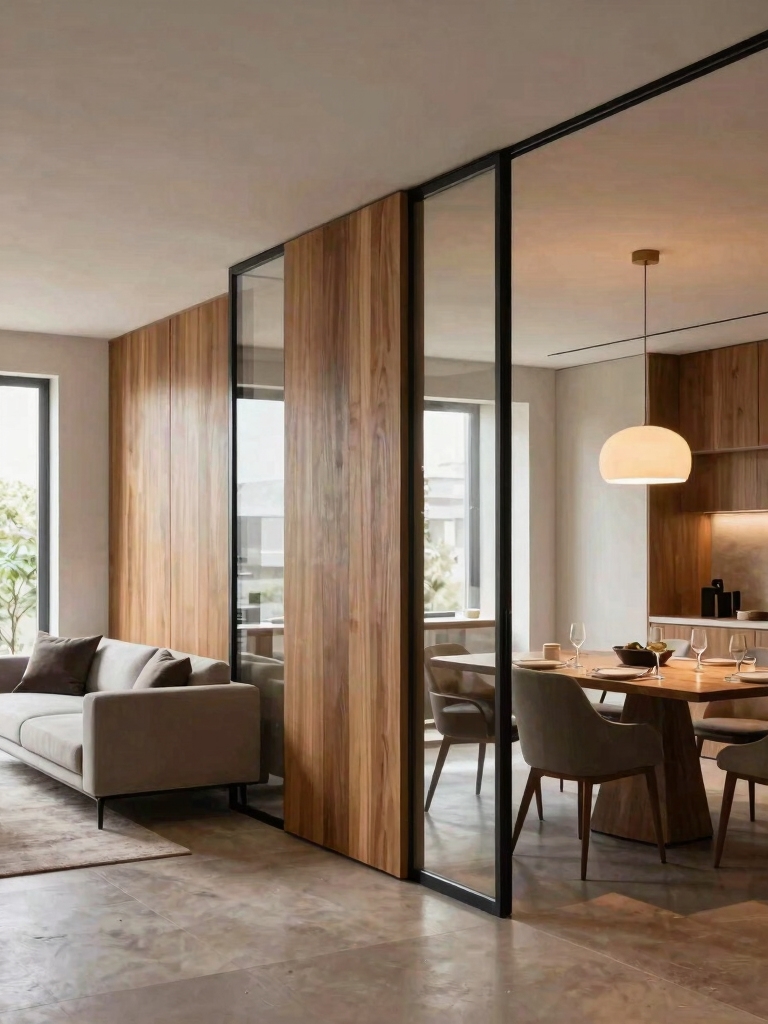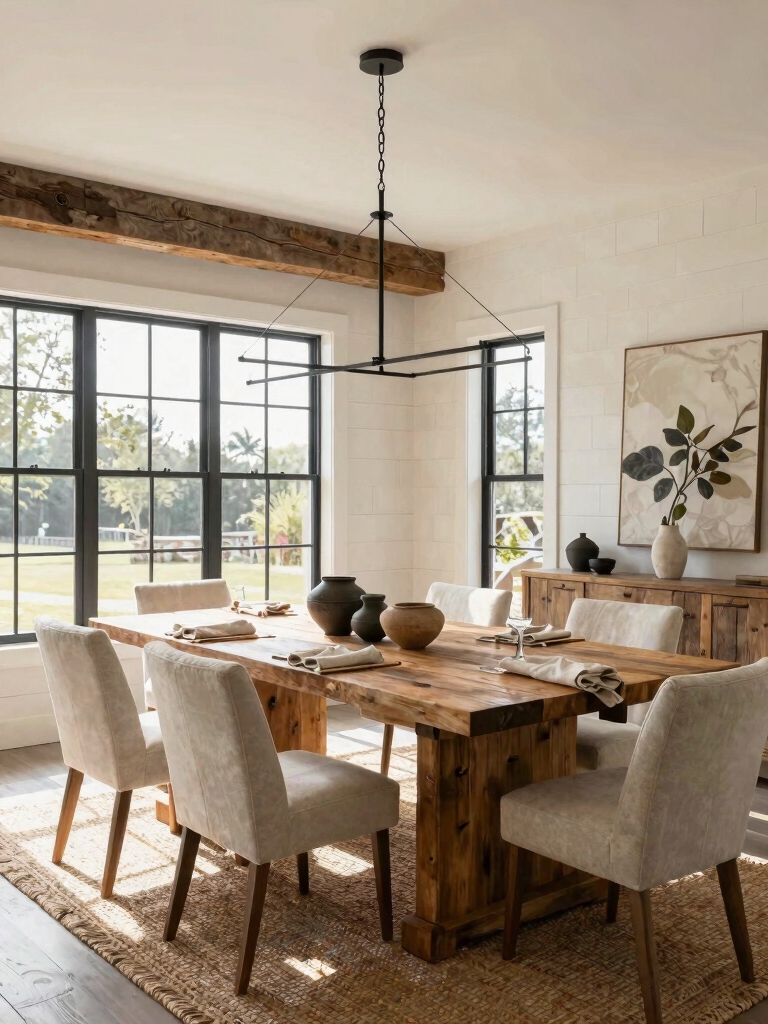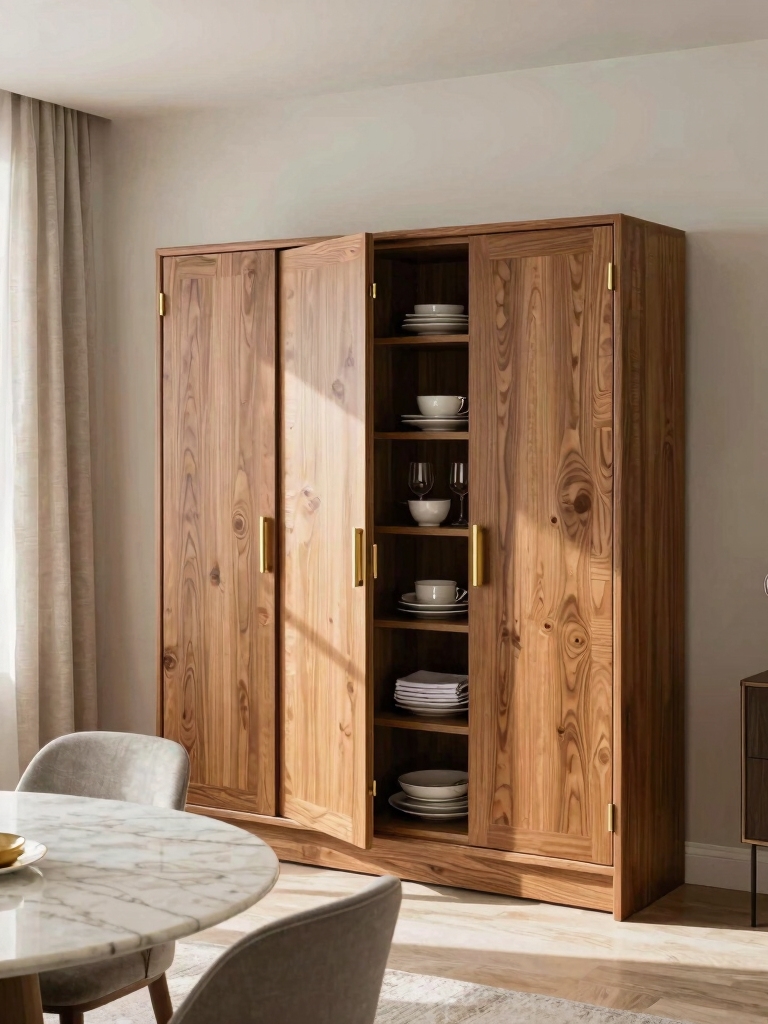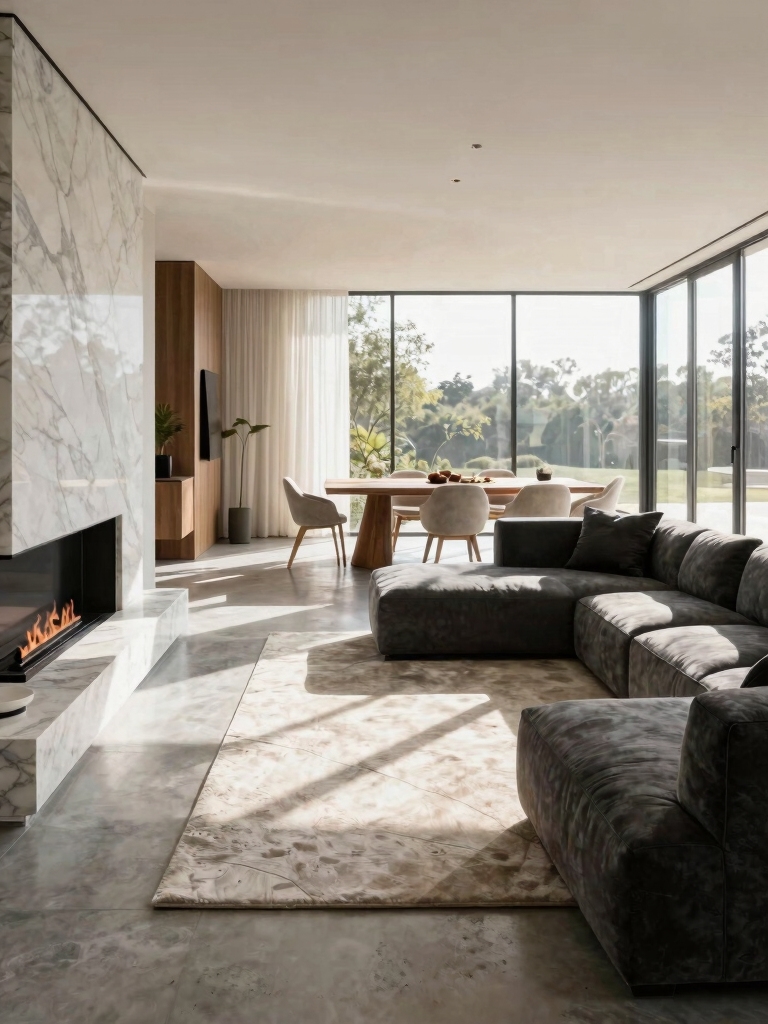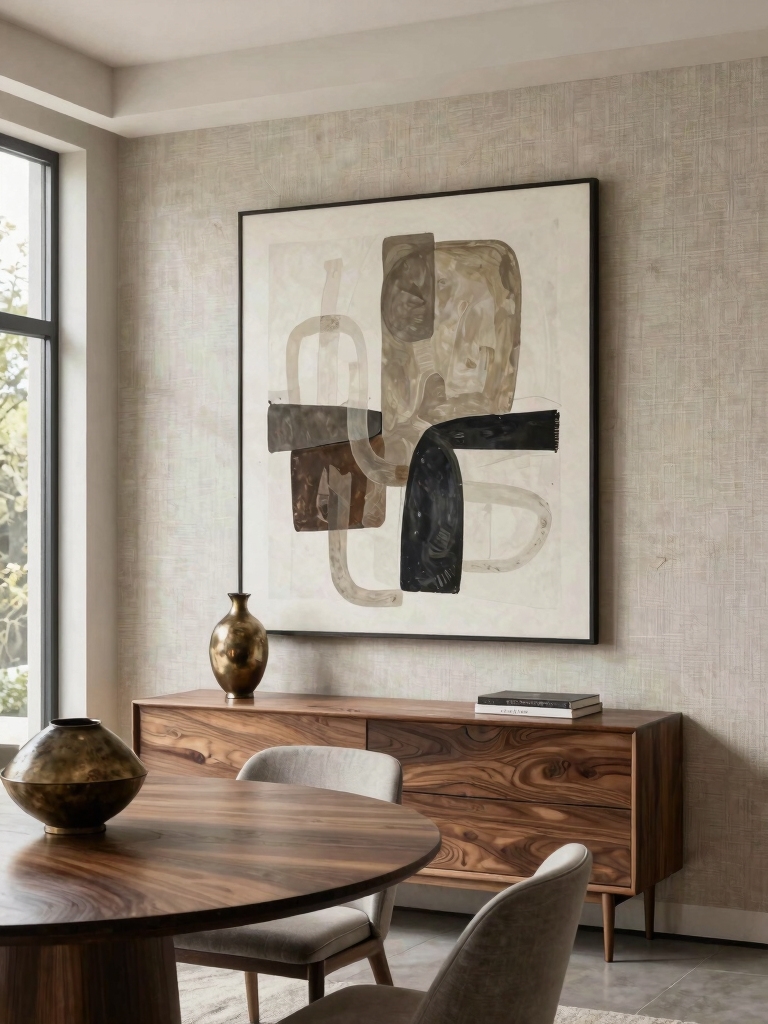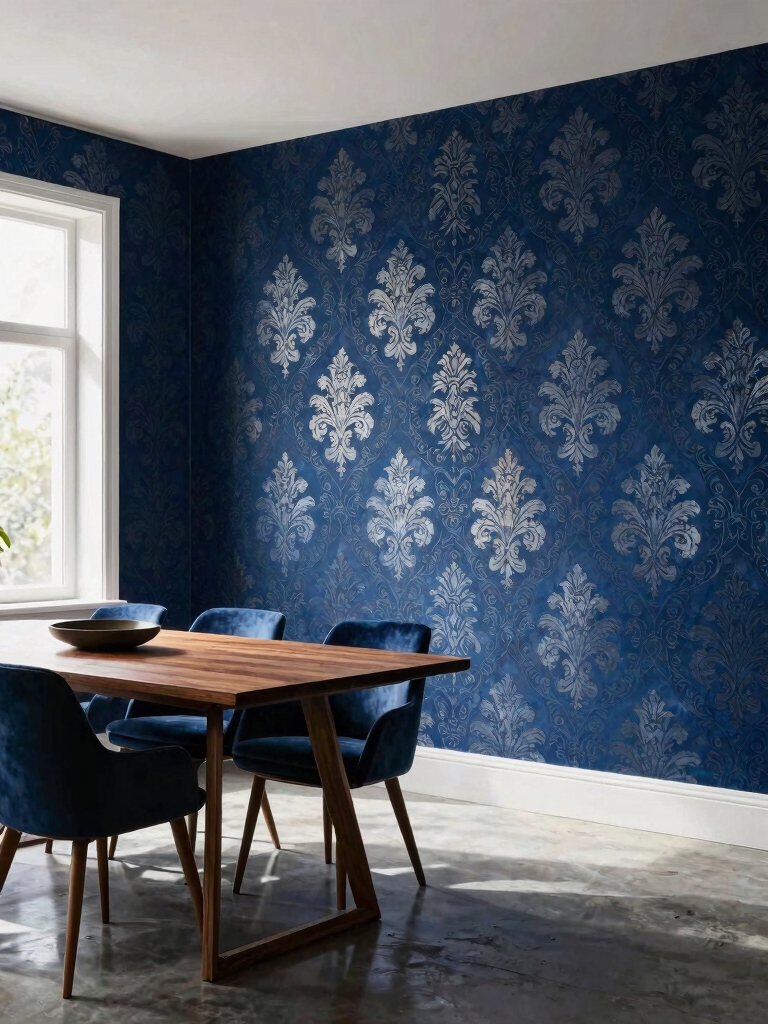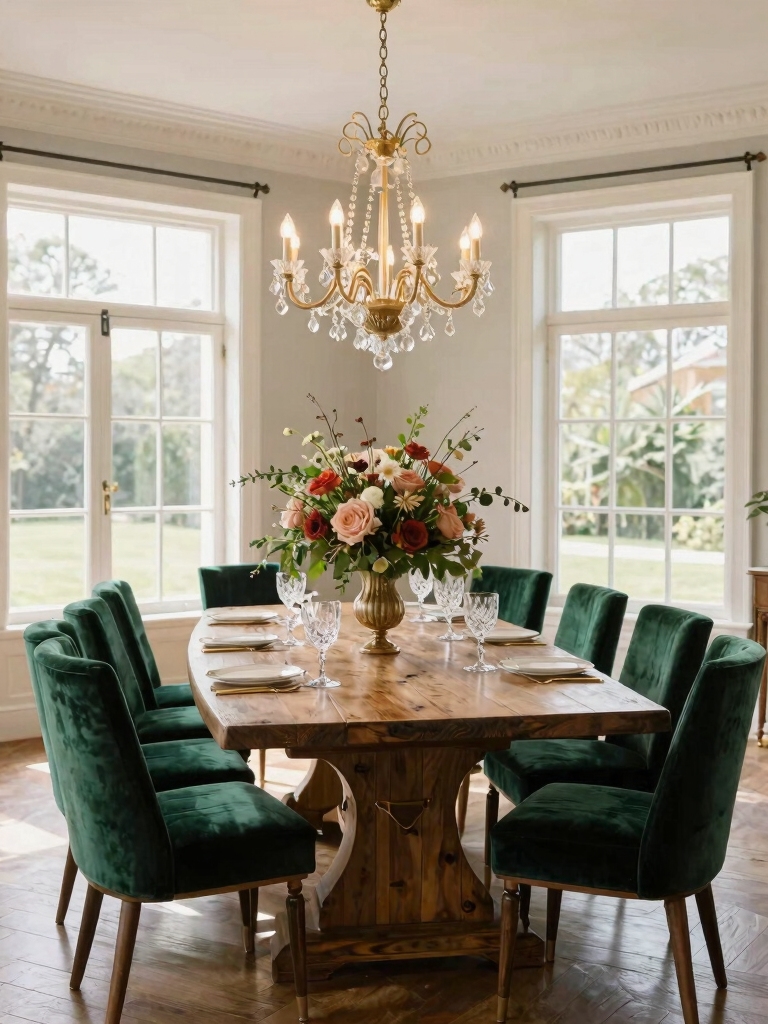
I start by anchoring my room with a monolithic dining table, like oak or marble. I then choose sculptural, upholstered chairs for comfort and contrast. For drama, I embrace dark wood tones or a vivid accent wall, balanced by a statement chandelier and layered lighting. I finish with curated textiles and a focal art piece to personalize the space. There’s more to discover about crafting this elegant atmosphere.
Anchor Your Space With a Show-Stopping Dining Table
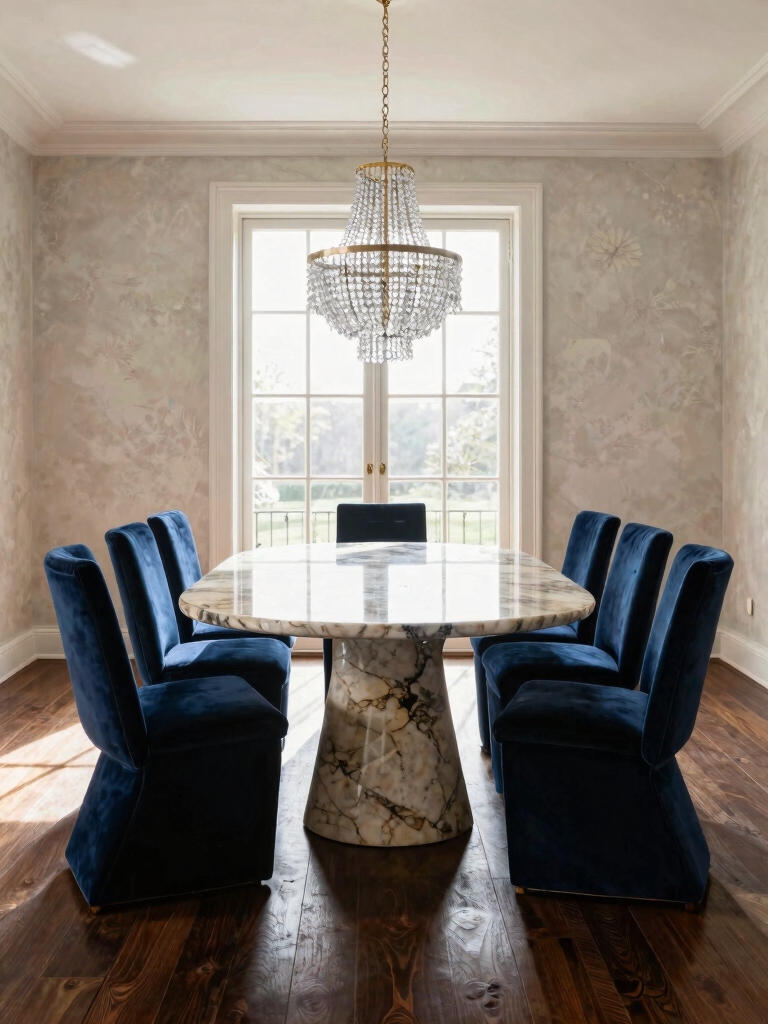
How do you establish a focal point in a formal dining room?
I always begin with the dining table itself. It’s the anchor. I select a singular, show-stopping piece—perhaps a substantial oak slab on a blackened steel base or a monolithic marble design.
Its materiality and clean form command the space. This foundational choice instantly grounds the room, setting a tone of considered elegance before I layer anything else. Complementing the table with stylish wall decor ideas can further enhance the room’s visual impact and create a cohesive, inviting atmosphere.
Choose Dining Chairs for Comfort and Dramatic Style
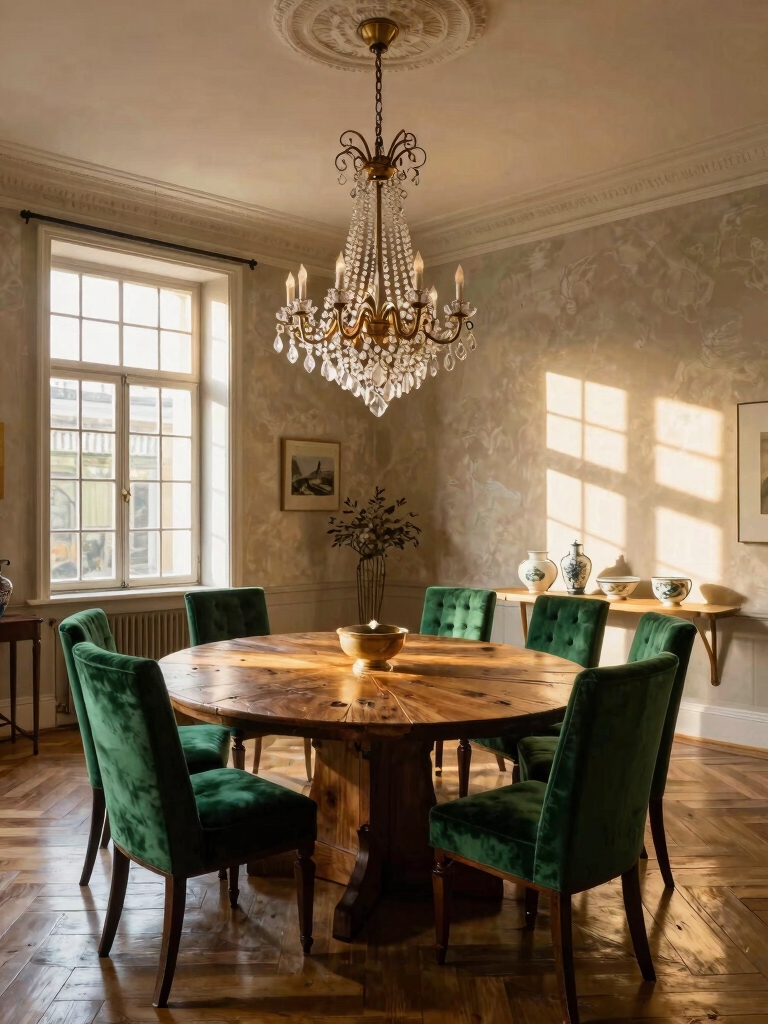
I often find my chair selection defines a room’s blend of comfort and drama.
I’m drawn to upholstered statement chairs for their luxurious feel against a neutral backdrop.
I balance them with chairs that have modern frames in materials like aged metal or wood to achieve that warm-industrial tension.
Incorporating stunning dining room ideas can elevate the overall ambiance and create a truly inspiring space.
Upholstered Statement Pieces
These upholstered dining chairs command attention, marrying plush comfort with sculptural form.
I select pieces with deep, inviting cushions in soft neutrals, letting their silhouettes become the room’s artwork. Their tailored shapes hold a beautiful tension against a raw wood table.
It’s a personal formula that guarantees your gatherings feel both sophisticated and deeply relaxing from the very first seated moment.
Modern Frame Materials
While upholstery offers tactile warmth, the chair’s frame establishes its enduring character.
I prefer bold, sculptural forms. A blackened steel base grounds a design, while warm-toned bronze adds subtle drama.
Slim, fluted wood legs offer a lighter, organic touch. Each material crafts a distinct silhouette.
Your choice should feel like architecture for the room—strong, intentional, and the perfect counterpoint to softer textiles.
Embrace the Drama of Dark, Timeless Wood Tones
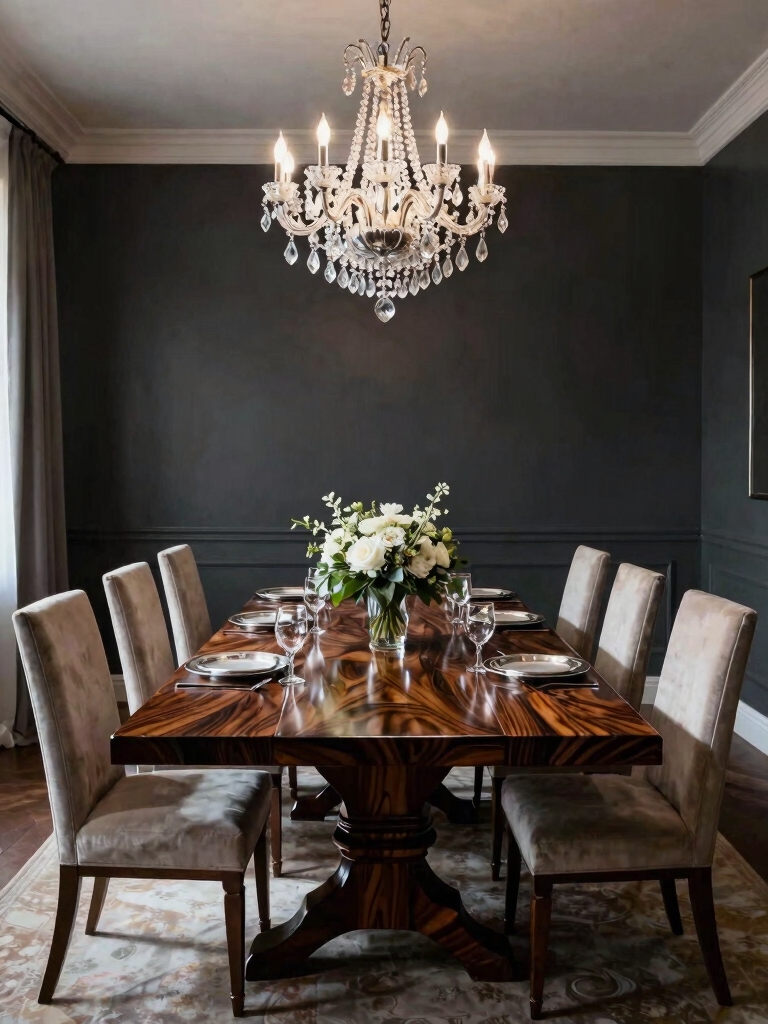
Even if your space is filled with light, you can create a striking focal point by anchoring the room with rich, dark wood tones.
I love the weight of a solid walnut table or the deep grain of stained oak cabinetry. It grounds an airy room with warmth and history.
Pair these pieces with simple, textured linens and matte metals for a sophisticated, warm-industrial look that feels both timeless and intentional.
Incorporating these elements ensures your dining room embraces the essence of timeless modern design while maintaining a classic edge.
Or, Make a Bold Statement With a Light or Colorful Table
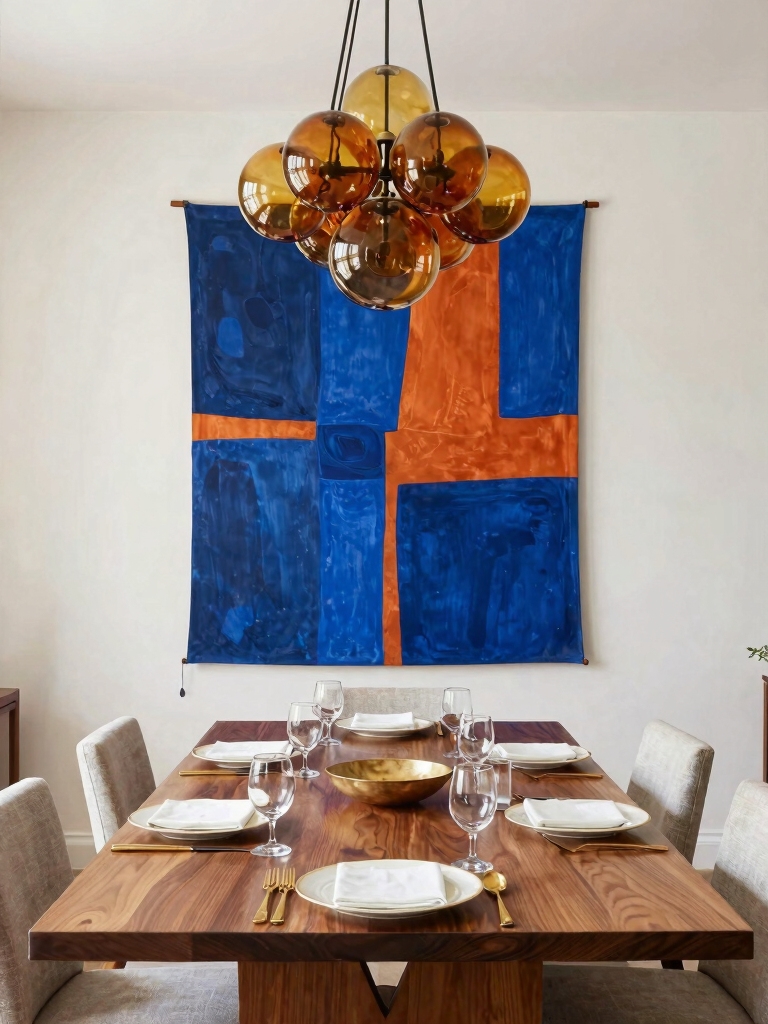
I love the impact of a light or colorful table against my room’s neutral walls.
Consider a bold, contrasting palette or a monochromatic centerpiece to create instant drama.
I’ve even used an unexpected tablecloth hue as my statement piece.
A stunning chandelier can amplify this effect, becoming the perfect dining room focal point to steal the spotlight.
Contrasting Color Palettes
If you want to introduce energy to your formal dining space, consider the impact of a contrasting color palette. I find it instantly defines the room’s architecture and mood.
Keep your walls and large furniture in a neutral base, then layer in deliberate, vivid accents. This creates a dynamic yet composed setting.
- Charcoal walls paired with a blush linen runner.
- A walnut table against emerald velvet chairs.
- Burnt orange napkins on slate gray place settings.
- Brass lighting fixtures above a deep navy sideboard.
Monochromatic Centerpiece Drama
While contrasting tones energize a room, a single powerful hue can command it.
I choose a centerpiece—a sculptural vase or a low bowl—and let its color dominate. It’s not about subtlety. In my elegant-minimalist space, a pillar of crimson or a slab of slate commands the neutral table.
This isn’t decoration; it’s a focal point. The drama comes from restraint, letting one bold, monolithic form hold the entire room’s gaze.
Unexpected Tablecloth Hues
Why must the tablecloth simply be a backdrop? I prefer it as a foundational statement. Choose an unexpected hue to command the room with elegant confidence.
- A pale, dusty rose softens steel and wood.
- Slate blue grounds lighter porcelain and glass.
- Charcoal linen adds depth beneath metallic accents.
- A warm flax creates serene contrast with dark, grained wood.
This layered contrast defines the space.
Define the Room With a Dramatic Accent Wall
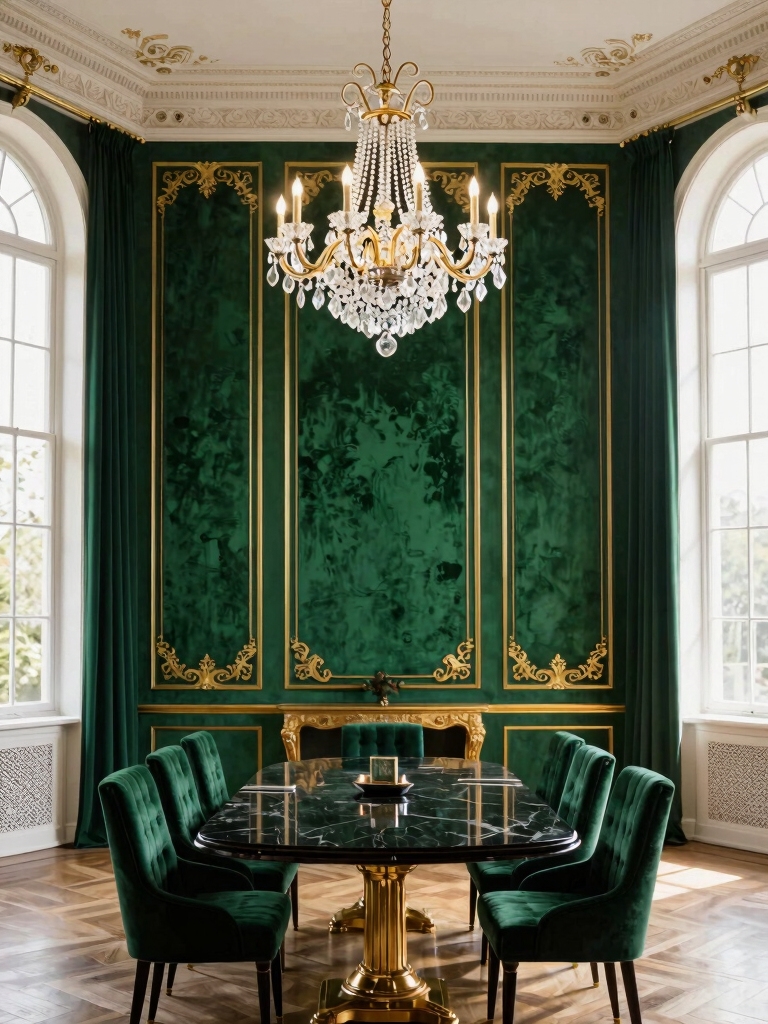
Since a dramatic accent wall instantly establishes the room’s visual anchor, I often start my formal dining designs with this powerful, intentional choice.
I select one wall for a textural material like fluted wood or stacked stone. This creates sophisticated depth and draws the eye, allowing the rest of the space to remain serene.
It’s a minimalist statement that provides all the warmth and character you need.
Bold wall designs can transform your dining area by adding living room drama that captivates and commands attention.
Introduce Character With an Unexpected Color Palette
After establishing that visual anchor with a dramatic accent wall, I introduce character by selecting an unexpected color palette that challenges tradition.
It creates a distinctive mood through considered contrast.
- A slate-blue ceiling against warm oak floors.
- Charcoal gray trim framing soft terracotta walls.
- Bronze metal accents paired with deep sage upholstery.
- Oxblood leather chairs on a pale limestone floor.
Incorporating bold wall ideas is a powerful way to refresh your dining space and make a lasting impression.
Build Sophistication With a Cohesive Monochromatic Scheme
I find a monochromatic scheme immediately calms a space and elevates its sophistication.
Let’s start by selecting your core color, a single neutral that forms the room’s foundation.
We’ll then build upon it by meticulously layering textures and subtle tonal variations.
This approach ensures your dining room creates an atmosphere perfect for memorable meals.
Selecting Your Core Color
To cultivate a sense of refined calm in your formal dining room, I often begin by selecting a single, core color to establish a sophisticated and monochromatic scheme. This anchors the space.
I then explore its full tonal spectrum.
- A deep charcoal for walls.
- A mid-tone greige for cabinetry.
- A pale oat for drapery.
- A warm, taupe-tinted wood for the table.
Layering Textures And Tones
With a core color anchoring the room, I now build depth by layering its shades through varied materials.
I’ll pair a pale oak table with deeper charcoal upholstery.
Then, I introduce texture: nubby linen drapes, a smooth concrete vase, and a brushed metal light fixture.
This tonal play keeps the look cohesive but never flat.
It’s how I create a rich, tactile environment that feels intentionally curated.
Install an Architectural Statement Chandelier as a Focal Point
First, think about the chandelier as an architectural anchor. I select a piece with deliberate scale and clean geometry to define the space. Its form and materiality provide that vital focal point above my table.
- Opt for a linear or geometric silhouette.
- Choose materials like aged brass or blackened steel.
- Confirm its width complements the dining table.
- Suspend it at a height that feels intimate yet commanding.
Consider incorporating budget-friendly elements to enhance the overall look without overspending, drawing inspiration from cost-effective decorating ideas.
Layer Lighting for a Warm, Adjustable Ambiance
Ambiance unfolds through a deliberate play of light, so I treat illumination not as a singular act but as a crafted composition.
I start with my statement chandelier, then supplement with dimmable wall sconces.
I finally add discreet, recessed fixtures. This layered approach lets me shift the mood from a bright, functional space to a softly glowing, intimate setting purely through the adjustment of a few switches.
Incorporating these elements creates a stunning decor that elevates the entire dining experience.
Add Warmth and Texture Underfoot With a Statement Rug
Just as lighting layers define the air, a statement rug establishes the foundation. I choose one for its texture and scale to add tactile warmth and anchor the space.
It’s a deliberate, grounding element that absorbs sound and complements the room’s architectural lines.
- Prioritize a low-pile, durable weave for easy maintenance.
- Guarantee it extends 24 inches beyond the table on all sides.
- Select a neutral base color with subtle tonal variation.
- Introduce texture with a bouclé or geometric flat-weave pattern.
Additionally, incorporating small living room decor ideas can inspire creative ways to maximize space and style in adjacent areas.
Set a Luxurious Tone With Rich, Layered Textiles
While the rug anchors the floor, I layer textiles above to build a sense of enveloping luxury.
I start with a substantial, textured linen tablecloth. A soft, wool throw draped over a single chair adds instant warmth.
I love the contrast of nubby linen against smooth leather or cool metal chair frames. It’s a quiet, tactile richness that feels both elegant and approachable.
Frame Windows With Floor-To-Ceiling Formal Drapery
I always frame my dining room windows with floor-to-ceiling drapery for its immediate formal impact.
The fabric’s weight and texture become a quiet statement against the room’s neutral walls and warm metals.
Achieving the right proportion is essential, as it transforms a simple window into a tailored architectural feature.
Choose Impactful Fabrics
Because formal dining rooms demand a sense of grandeur, framing your windows with floor-to-ceiling drapery is a powerful first step.
The fabric itself is essential. I opt for weighty, tactile textiles that feel substantial and enrich the room’s texture.
- Heavy Velvet for depth and light absorption.
- Linen-Blend for organic, structured folds.
- Wool Serge for a tailored, architectural feel.
- Silk Dupioni for a subtle, luminous sheen.
Master Formal Proportion
Mastering proportion is the most transformative step in designing a formal dining room, and it begins by anchoring your windows with floor-to-ceiling drapery.
I always hang these panels from the ceiling to the floor, never just at the window’s top. They visually lift your space, adding dramatic verticality.
For my look, I use a substantial neutral linen, hanging straight without pleats for a clean, tailored line that feels quietly grand.
Create a Bold Impression With a Curated Gallery Wall
Consider a gallery wall not as decor, but as the final layer of your dining room’s architectural character.
I create a bold impression by curating a collection that feels intentional and grounded.
- Use a neutral palette of black, white, and warm earth tones.
- Mix original art with architectural sketches or antique prints.
- Choose simple, unified frames in materials like brushed brass or black metal.
- Arrange with deliberate asymmetry, balancing larger and smaller pieces.
Display Treasures in a Conversation-Worthy Cabinet
I suggest choosing dramatic cabinetry with a strong silhouette to anchor your dining space.
Then, I curate my collection with pieces that speak to my personal journey. This approach lets my treasures spark genuine conversation around the table.
Choosing Dramatic Cabinetry
The cabinet isn’t just storage; it’s your dining room’s curated stage.
I choose cabinetry that makes a statement through form and finish, focusing on architectural presence.
Think beyond mere function.
- Opt for floor-to-ceiling, integrated units.
- Select matte black or charcoal stained oak.
- Incorporate interior LED lighting strips.
- Use glass fronts with minimal, black-metal framing.
Curating Your Collection
Once you’ve chosen your statement cabinetry, it’s time to populate it with intention—I treat each shelf as a canvas.
I group my ceramics in tonal stacks and let a single, sculptural object breathe alone. I mix aged brass with bleached wood and textured stoneware.
It’s not about filling space, but crafting a narrative of refined discovery that naturally sparks dialogue over dessert.
Incorporate Metallic or Mirrored Elements for Glamour
Because you’re aiming for glamour, consider incorporating metallic or mirrored elements into your formal dining room.
I use them to reflect light and add a refined sparkle. They introduce visual texture while keeping the overall aesthetic clean and anchored in a neutral palette.
You can begin with these simple additions:
- A polished nickel chandelier
- Gilded linen napkin rings
- A large, leaning floor mirror
- Hammered metal vase bases
Mix Materials for a Modern, Collected Feel
While I often lean toward clean lines and a neutral base, mixing materials lets me create a room that feels modern yet personally collected.
I pair a matte oak table with sleek metal legs. Then, I surround it with chairs upholstered in soft linen.
A concrete pendant light contrasts with warm wood shelving. This layered approach introduces texture and depth without clutter, achieving a serene, intentional aesthetic.
Add a Touch of Organic Refinement With a Statement Plant
To balance the curated materials, I’ll introduce a single, sculptural statement plant, which instantly adds organic refinement without complicating the palette.
- A mature Fiddle Leaf Fig in a simple, earthy terra-cotta pot.
- A textural Snake Plant in a smooth, charcoal-gray concrete planter.
- An architectural Bird of Paradise in a slender, blackened steel vessel.
- A cascading Philodendron in a rounded, light stoneware container.
Personalize With a Focal Heritage or Art Piece
After establishing a natural element, I’ll turn to a personal artifact or artwork that carries significant weight—this piece becomes the soul of the space.
I prefer a single, powerful statement. A large-scale abstract painting in muted tones or an heirloom sideboard with patina grounds the room.
Its texture and history create a warm, layered narrative against clean lines and a neutral backdrop, making the design distinctly yours.
Final Touch: Ensure Seating Is Both Ergonomic and Beautiful
A personal focal point gives the room its character, but I always complete the design by considering how we’ll physically inhabit it.
Beautiful seating must be truly comfortable. I select chairs that support posture and encourage lingering conversation.
- Prioritize a generous seat depth and solid back support.
- Choose clean-lined frames in oak or blackened steel.
- Upholster in durable, neutral fabrics like wool or linen.
- Guarantee the chair’s scale harmonizes with the table.
Conclusion
I recall measuring my grandfather’s table, worn smooth by decades of shared meals. Like that steadfast wood, your dining room’s foundation—a bold table, elegant chairs, a personal focal point—anchors the space. Guarantee those elements are both beautiful and ergonomic. Then, every gathering, from quiet mornings to lively dinners, becomes a story layered onto your own well-crafted foundation.