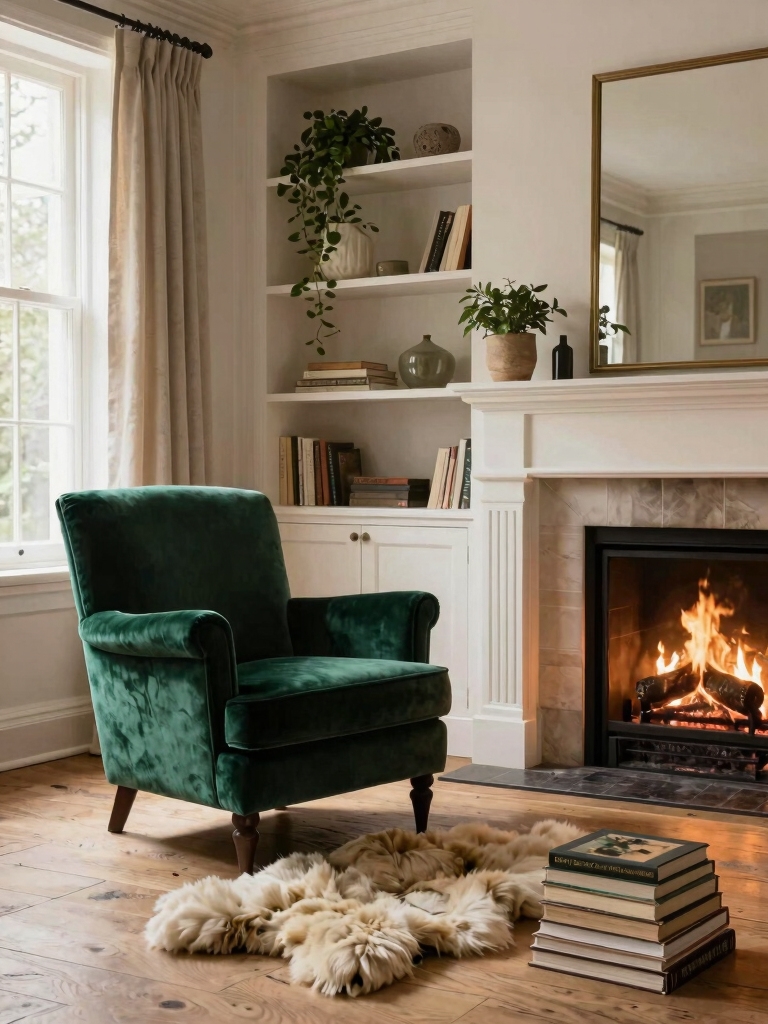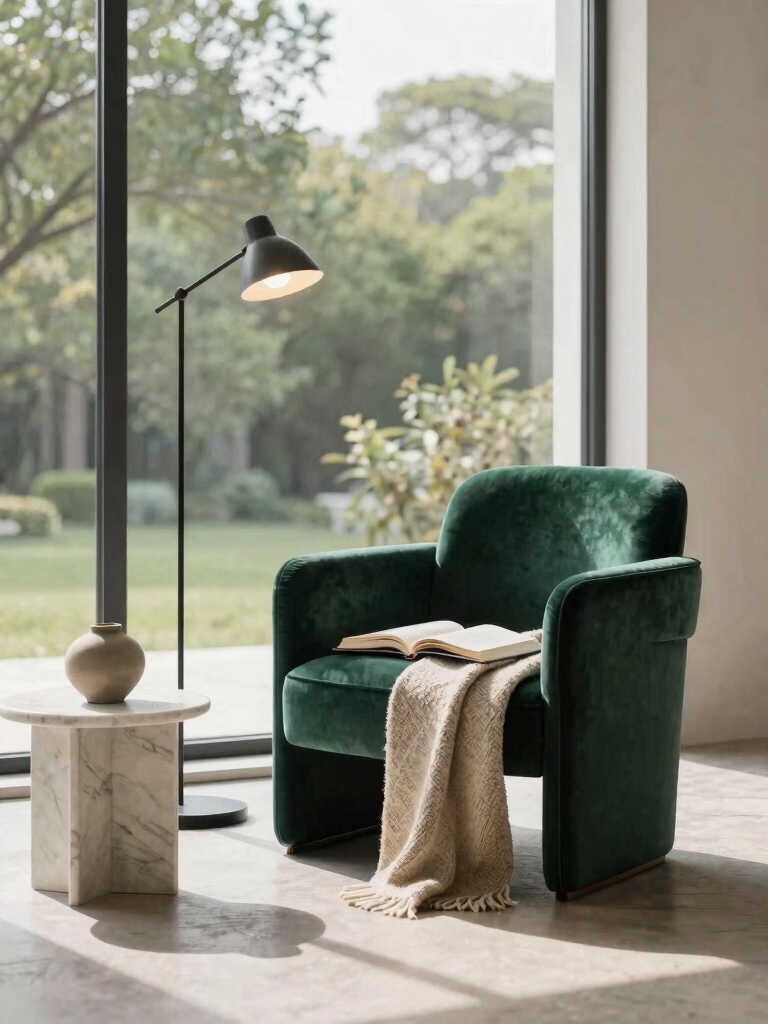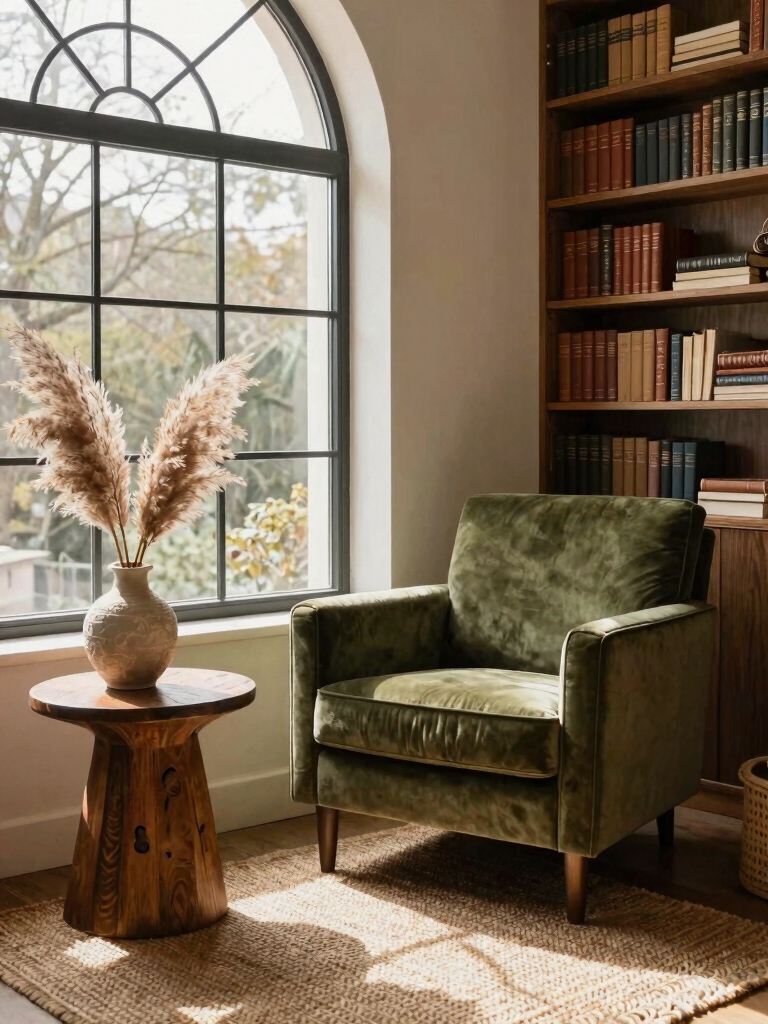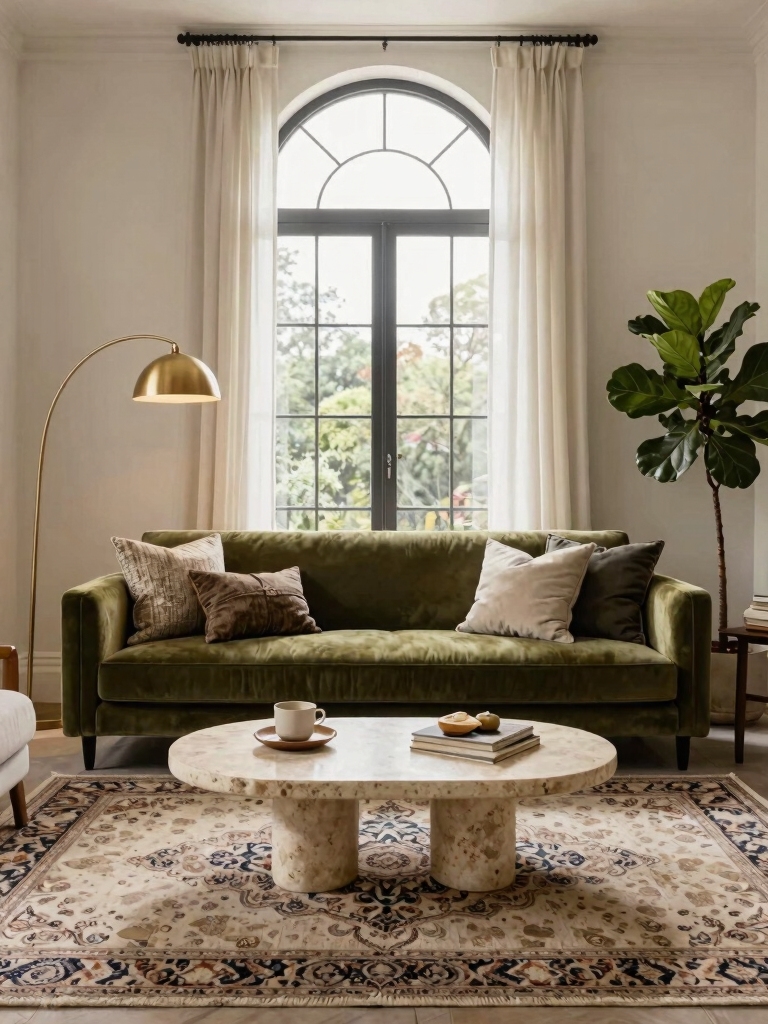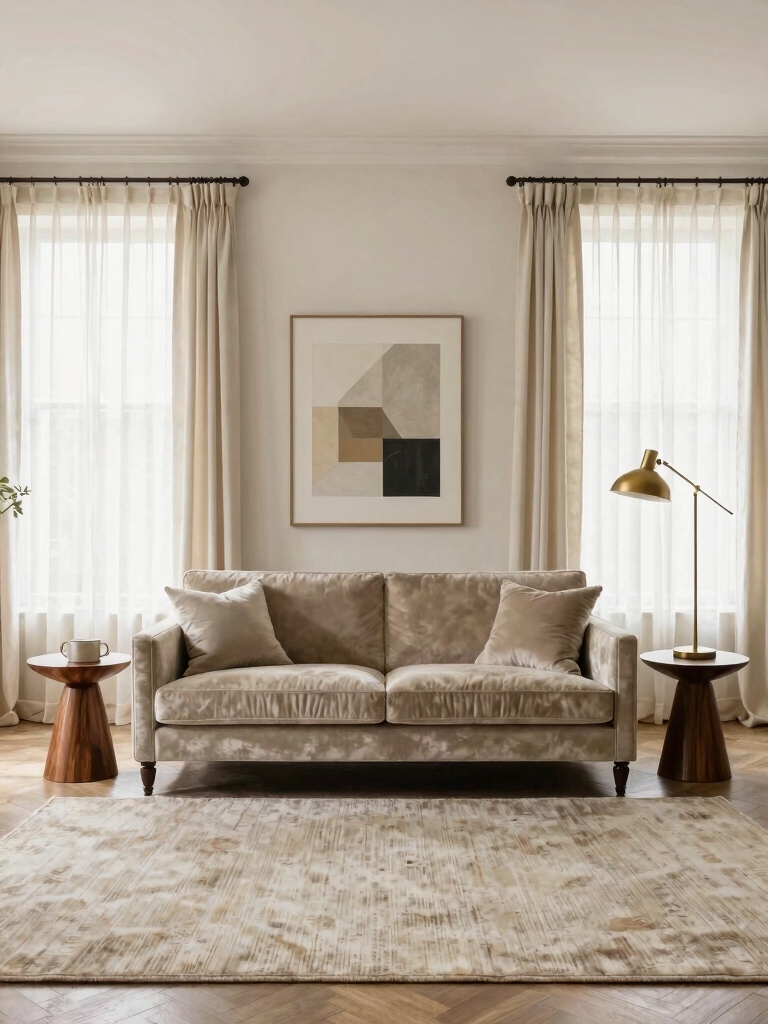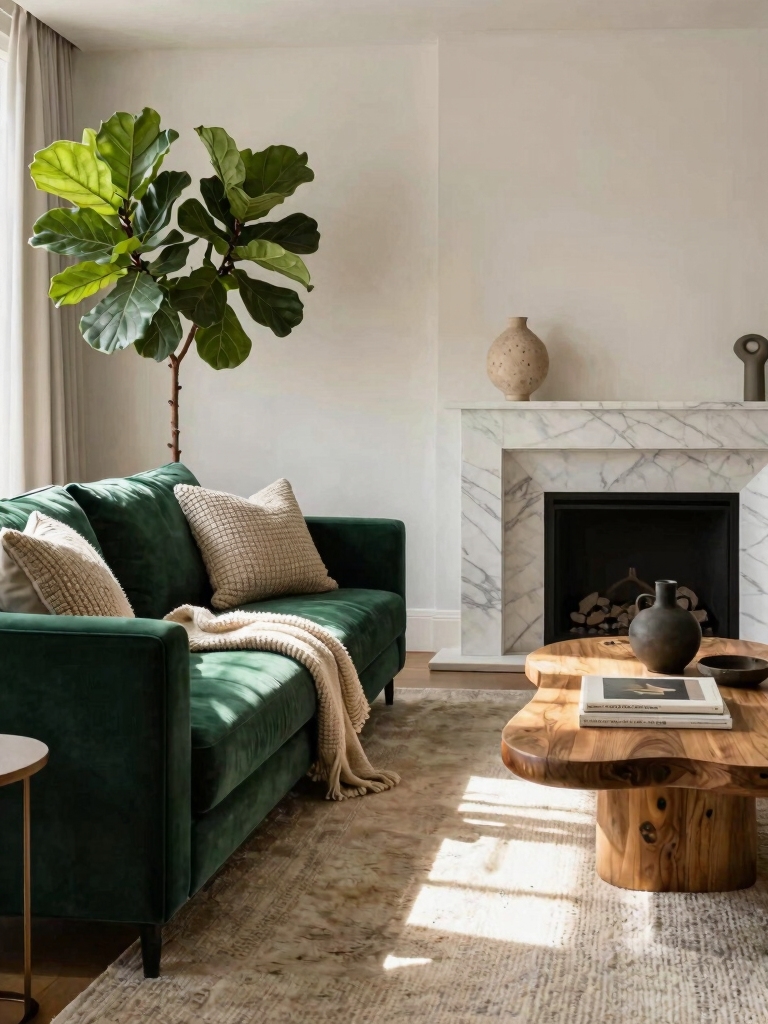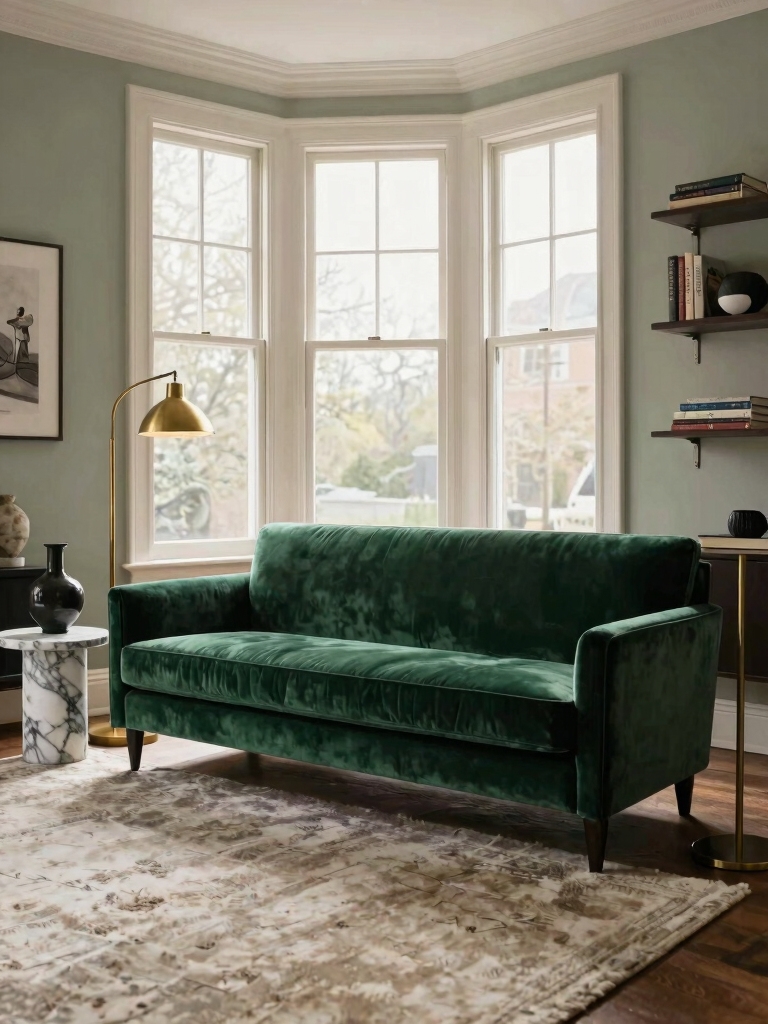
I believe your front sitting room sets your home’s entire tone. I’d start by maximizing its layout and choosing a cohesive, calm color palette. Then, I anchor everything with a large area rug and layer the lighting for warmth. Statement seating and personal accents make it both stylish and inviting. There are more specific ideas I use to make that essential first impression truly shine.
Start With Your Front Sitting Room Layout
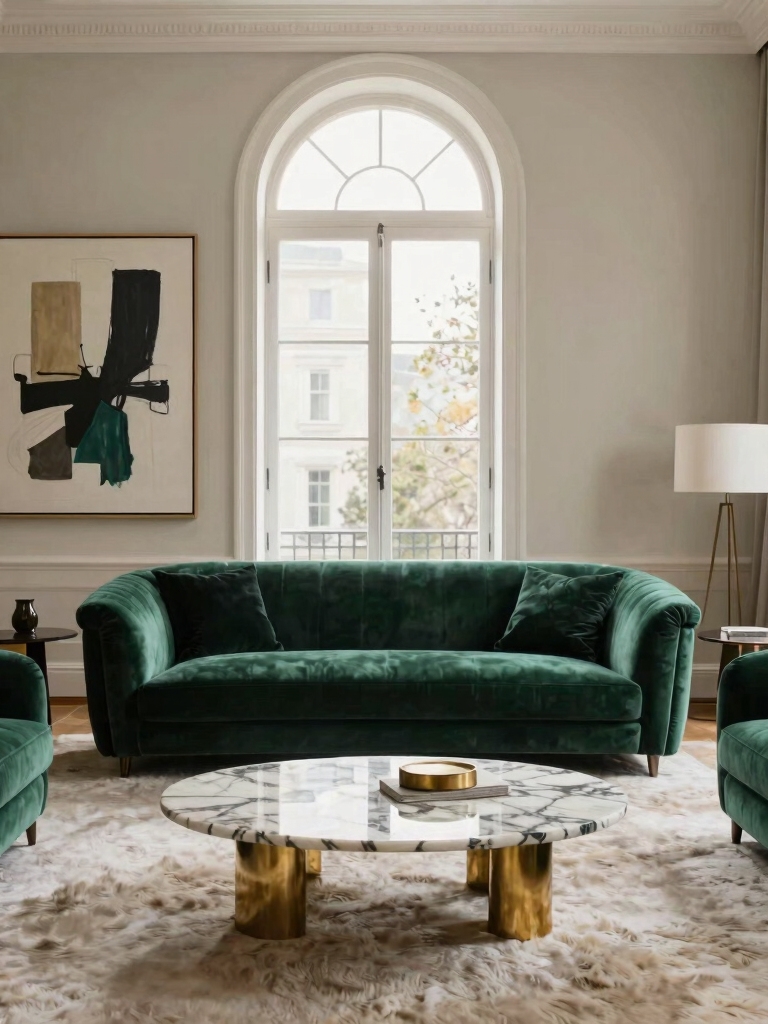
Before tackling furniture or decor, I focus on the layout because it dictates how a room functions.
I begin by considering traffic flow—the path from the entryway through the space. Then I define the primary conversation area, ensuring it’s welcoming and unobstructed.
I measure my room and sketch potential arrangements. This practical step saves me from costly mistakes and creates a foundation that feels intentional and easy to live in.
In small apartments, choosing pieces that enhance the living room decor without overwhelming the space is key to maintaining a stylish and functional environment.
Choose a Cohesive Color Palette for Your Space
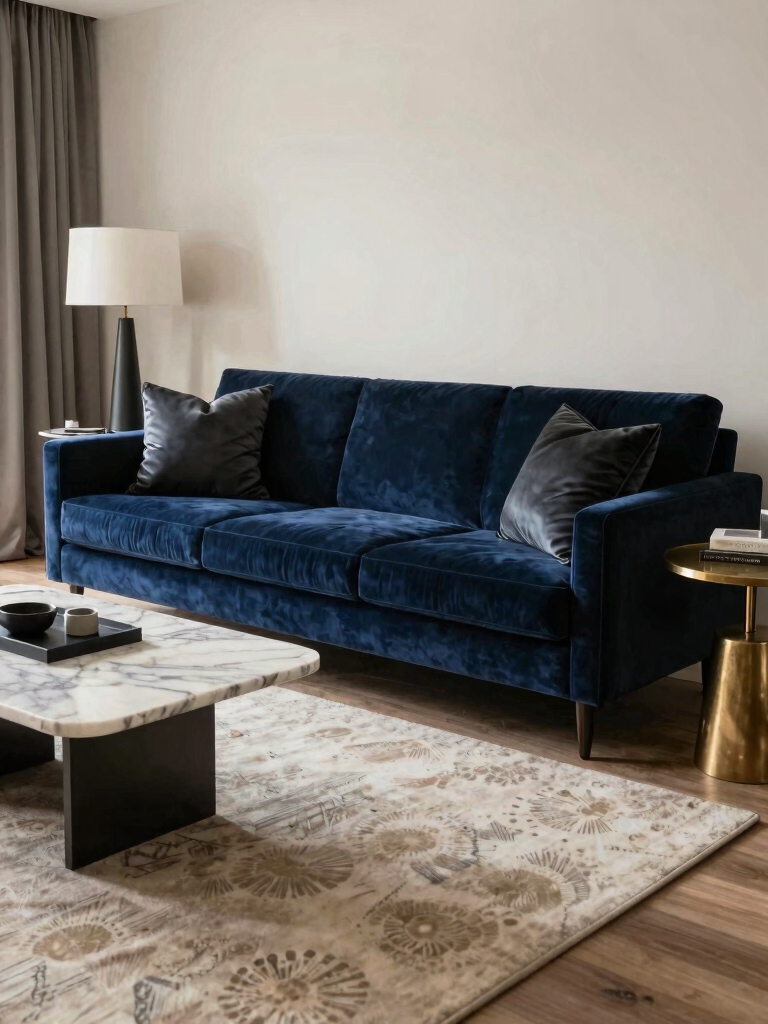
With my room’s layout settled, I turn to color. I stick to three main tones for visual harmony.
My walls get a neutral base, letting furniture and art provide the main hues. I select one accent color and repeat it in cushions and decor. This creates a calm, intentional feel without clutter.
I always test paint swatches in the room’s natural light before committing fully.
Incorporating a brown couch can add warmth and versatility to your cohesive color palette, making the living room feel both chic and inviting.
Anchor the Space With a Statement Area Rug
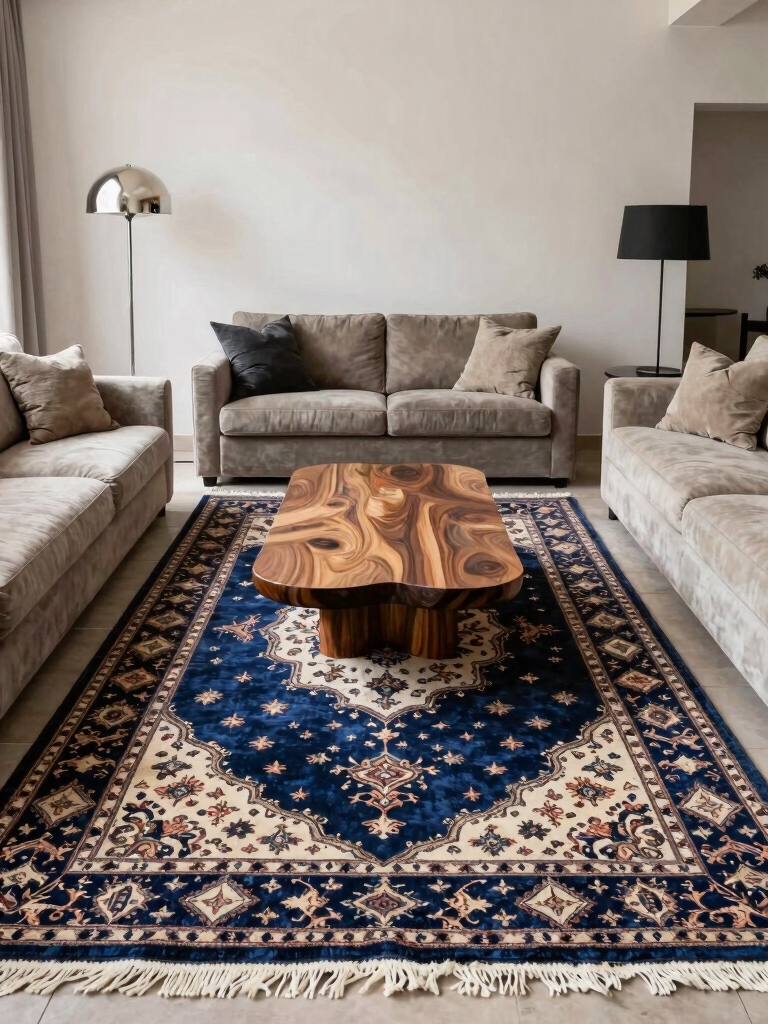
I’ll start by considering scale and proportion first, as that’s foundational.
Then, I’ll look at how my rug’s material can suit my lifestyle.
Finally, I’ll decide on a color and pattern that impacts the whole room’s feel.
Adding cozy elements like soft textures and warm tones can instantly transform the atmosphere of your living space into a more inviting and comfortable area for relaxation and gatherings, as suggested by cozy living room decor ideas.
Scale and Proportion First
Let’s anchor your sitting room by starting with a statement area rug; it’s the key to balancing scale and proportion.
I choose one large enough to fit all major furniture’s front legs on it. This instantly defines the zone, makes the room feel intentional, and prevents a postage-stamp effect.
A correctly sized rug creates a foundation, making everything else feel settled and right from the start.
Choosing Your Rug Material
Once you’ve established the proper size, the rug’s material determines how the space functions and feels.
I consider comfort, durability, and maintenance before choosing my floor.
- Wool: My go-to for its natural softness, durability, and resistance to stains.
- Jute or Sisal: These natural fibers add wonderful texture and are incredibly durable for high-traffic areas.
- Synthetics: Perfect for budget-friendly options where easy cleaning is essential.
Color and Pattern Impact
With the rug’s material selected, its color and pattern will define the room’s character. I view it as the foundation.
A bold geometric pattern makes a dynamic statement, while a neutral tone grounds a busy space. I always consider the existing palette. The rug shouldn’t clash; it should connect or contrast intentionally.
This single choice directs the mood, so I choose a piece that feels cohesive to me.
Layer Your Front Sitting Room Lighting
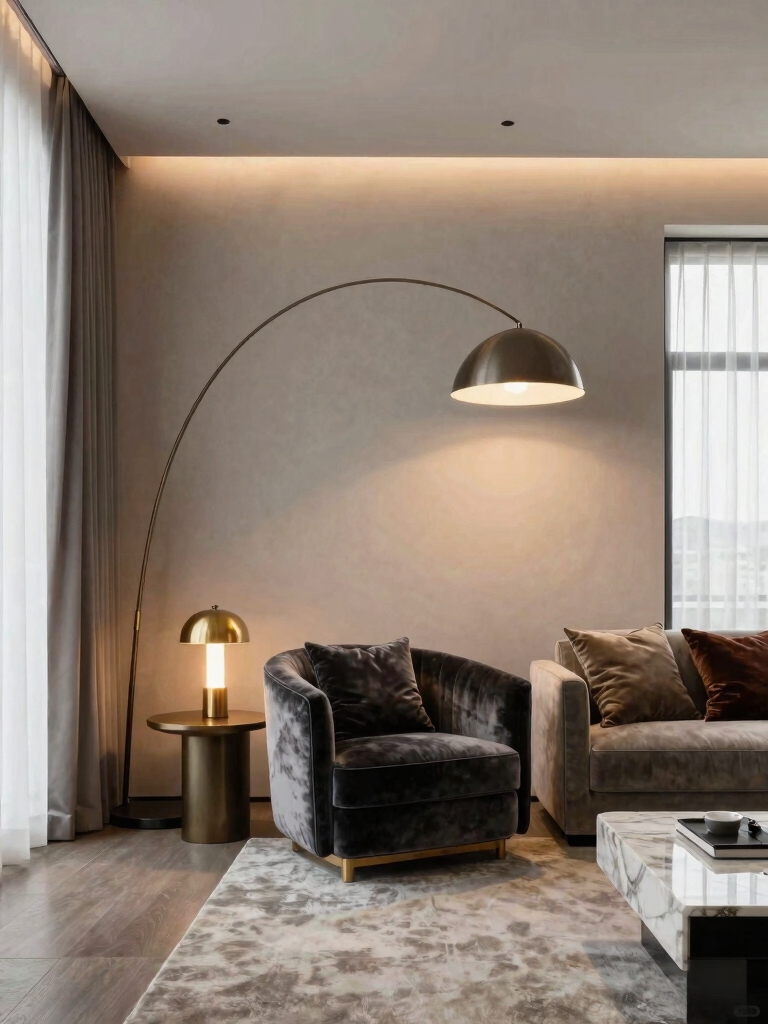
To transform your sitting room from a simple space into a warm and inviting haven, you should layer your lighting.
I use three types to build depth. Ambient light provides overall illumination, task lighting focuses on specific areas like reading nooks, and accent lights highlight artwork or plants. This combination creates a functional yet cozy atmosphere.
- Start with a central ceiling fixture for ambient light.
- Add floor or table lamps for dedicated task lighting.
- Incorporate wall sconces or small spotlights as accents.
Creating a cozy elegant space can be achieved by thoughtfully layering these lighting elements to enhance both comfort and style.
Select Statement Seating for Comfort and Style
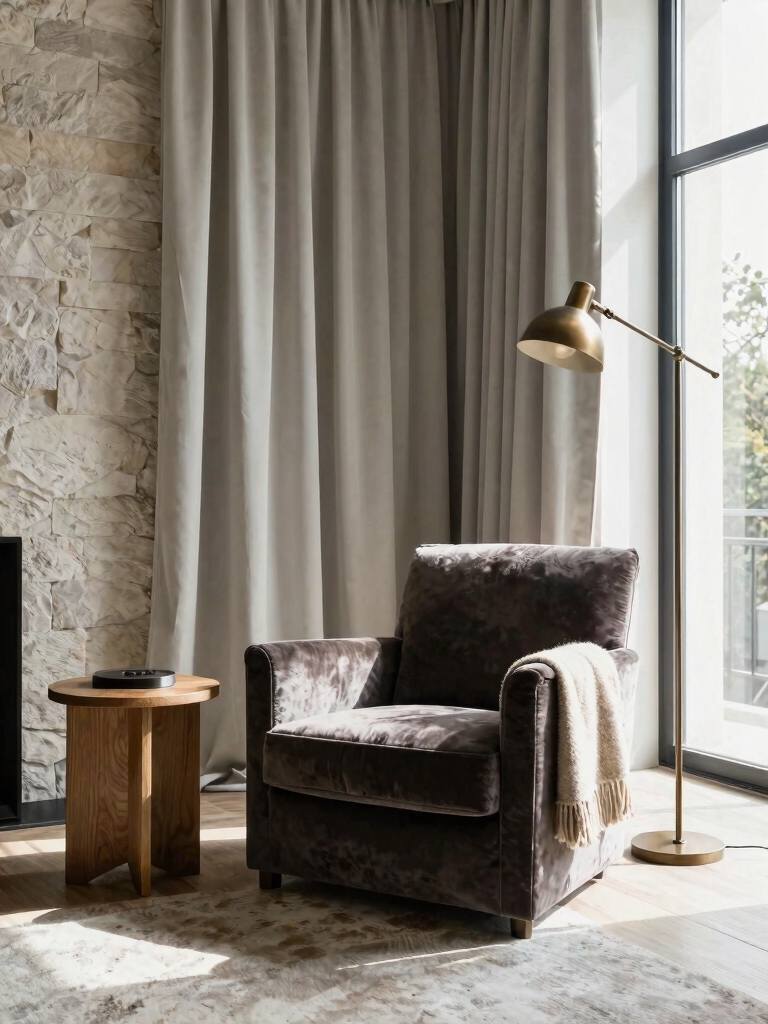
I always start with a statement sofa that anchors the room.
Then, I add a plush armchair for extra seating and texture.
Finally, I accentuate the space with a versatile ottoman that’s both functional and stylish.
To keep the look high-end without overspending, I focus on budget-friendly living room decor ideas that maximize style and comfort.
Statement Sofa Selection
A statement sofa instantly anchors your sitting room, so I recommend choosing one that balances striking design with genuine comfort.
I always test the seat depth and cushion fill first.
Consider these points:
- Define the Silhouette: A clean, architectural frame makes a bold impact.
- Prioritize Fabric Durability: A performance fabric in a rich color or texture wears well.
- Check the Proportions: Verify its scale complements your room’s dimensions.
Plush Armchair Accents
Your statement sofa deserves an equally compelling partner in a pair of plush armchairs. I view them as the room’s secondary anchors.
Opt for a material and color that complement your main piece, but don’t be afraid to introduce a subtle texture or pattern. Their deep seats and supportive backs guarantee extra seating feels just as comfortable and intentional.
This balance creates a truly cohesive conversation area.
Accentuate With Ottomans
Ottomans reveal a layer of casual versatility that fixed-leg seating simply can’t match.
I love their dual-purpose nature—they’re a footrest one moment and extra seating the next. You can pull one up anywhere, creating an instant conversation spot. Choose a textured fabric or a bold color to make it a statement piece. They anchor a space with function, not just form.
- Use a large, square ottoman as a sturdy coffee table alternative.
- Cluster smaller ottomans for flexible, movable seating during gatherings.
- Select a leather or velvet option to introduce tactile contrast.
Arrange Furniture for Conversation and Flow
Five core principles can transform your seating area into a hub of easy conversation.
First, I pull seating pieces close, ensuring no one shouts. I arrange chairs and sofas to face each other, not the walls.
I always leave clear pathways so movement feels natural, not obstructed.
Finally, I consider the room’s shape, using it to guide my layout for a space that truly flows.
Incorporating expert decor tips can elevate the comfort and style of your cozy sitting room.
Design a Focal Point, Like a Fireplace or Art
I always start by choosing a focal point to ground my sitting room. A well-styled fireplace instantly centers the space, but a single, bold piece of art can work just as well.
Your choice here really sets the tone for everything else. Transforming blank walls with stunning decor ideas can enhance the overall ambiance and complement your focal point perfectly.
Fireplace Style Selection
How do you choose a fireplace style that truly anchors your sitting room? I think it’s less about what’s trendy and more about what works with your room’s bones and your daily life.
Get the proportion right and everything else falls into place.
- Match your architecture: A sleek linear design fits a modern space, while a classic mantel suits a traditional room.
- Prioritize function: Decide if you need real heat or just the visual ambiance.
- Edit the surround: Keep materials simple and let the fire itself be the star.
Art As A Focal Point
When you’re not working with a built-in feature like a fireplace, a compelling piece of art can serve as the perfect anchor for your sitting room.
I choose a single, large-scale piece I truly love. I then arrange my key furniture to face it, making it the star.
This simple act creates an instant focal point that defines the room’s entire layout and feel.
Maximize a Small Front Sitting Room
Since my front sitting room is compact, every choice has to count towards maximizing both space and comfort. I stick to light colors and streamlined furniture.
Here’s how I make it work.
- I choose a few multifunctional pieces, like a storage ottoman.
- I keep the floor clear by using wall-mounted shelves.
- I guarantee lighting is layered and strategic to brighten every corner.
Adding smart design tips, such as using multipurpose furniture, ensures I fit more into less without clutter.
Incorporate Texture Through Fabrics and Materials
Texture breathes life into a compact space, and I weave it in through thoughtful fabric and material choices.
I layer a chunky knit throw over a smooth leather chair. A nubby wool rug grounds sleek wooden legs.
I choose linen cushions for their lived-in feel against a velvet sofa. These contrasts add depth and warmth without clutter, making the room feel inviting and complete through touch.
Adding cozy elements like soft fabrics and warm colors can truly make a living room feel like a warm hug.
Frame Windows With the Right Treatments
I find the right window treatments truly frame a room.
Let’s start by comparing curtain and drapery styles for a softer look.
Then, I’ll cover practical blinds and shade options for better light control.
Elegant curtain ideas can significantly enhance your living room’s overall aesthetic by adding texture and color to the space with window treatments.
Curtains And Drapery Styles
Because windows set the tone for a room, choosing the right curtains is my first step in building a cozy sitting area.
I focus on style, fabric, and length.
- Style: I choose a simple rod-pocket drape for a casual look or a tailored pinch-pleat for a formal feel.
- Fabric: A heavy linen adds texture, while a light cotton lets in soft, diffused light.
- Length: Floor-length panels feel elegant; hitting just below the sill feels modern.
Blinds And Shade Options
Once I’ve chosen my curtains, I explore blinds and shades for both style and function.
For a clean look, I prefer simple roller or Roman shades. Wooden blinds add warmth, while blackout options are essential for a media room. I guarantee they allow light control and privacy.
Ultimately, I select a finish and texture that complements my other fabrics to unify the window’s final, layered look.
Balance Open and Closed Storage Solutions
When you’re planning your sitting room, aim to mix open shelving for display with closed cabinets to conceal clutter.
This blend creates visual interest and keeps everyday mess out of sight. I find it makes the space feel both curated and liveable.
- Use open shelves for books, art, or a few decorative objects.
- Store remotes, games, and blankets behind cabinet doors.
- Keep the ratio about 70% closed to 30% open for a clean look.
Pick Durable Fabrics for High-Traffic Areas
I always think about material science when choosing fabrics for my sofa and chairs.
I select materials like tightly-woven synthetics that can handle daily wear without showing it.
This focus on resilience means my sitting room stays looking good even with kids and pets.
Material Science Matters
Choosing fabrics for your sitting room demands a bit of science because durability is everything in a high-traffic area.
I look at a fabric’s construction, not just its color. This approach saves me from costly replacements.
- Check the Rub Count: I always look for a high Martindale or Wyzenbeek score; it’s my best indicator of how well a fabric will resist abrasion from daily use.
- Decode the Fiber: Synthetic fibers like solution-dyed acrylics or high-performance polyesters inherently resist stains and fading better than many natural ones.
- Examine the Weave: A tight, dense weave or a textured pattern like a bouclé will naturally hide dirt and wear more effectively than a loose, smooth one.
Selecting For Resilience
That scientific approach to materials directly informs my actual fabric selections for these active spaces.
I always choose performance fabrics like Crypton, Sunbrella, or tightly woven synthetics. They repel spills, resist fading, and handle wear beautifully.
A patterned tweed or textured weave hides crumbs and pet hair, too. It’s about investing in pieces that look great but don’t need constant babying.
That’s true resilience.
Define Your Front Sitting Room’s Style Vibe
Before you even consider furniture, pinpointing the vibe you want is essential because it guides every other decision. I ask myself what feeling the room should project.
- Audit existing architecture. Is it modern or traditional? I don’t fight strong features.
- Find three inspiration images. They reveal a common thread I can name.
- Choose a descriptive phrase. “Serene library” or “sunny conversation hub” becomes my filter.
Create a Cozy Neutral Sitting Room
Once you’ve settled on your style vibe, a neutral palette becomes your simplest path to a cozy space because it provides a calm, adaptable foundation.
I layer various textures, like a chunky knit throw over a linen sofa, to add visual warmth.
A single, meaningful piece of art or a vibrant houseplant introduces a subtle focal point without disrupting the serene feel I’m cultivating.
Build a Sleek Monochromatic Color Scheme
Although a neutral foundation offers adaptability, a monochromatic scheme elevates sleekness through tonal precision.
I stick to a single base hue but use varied shades, tints, and textures to build visual interest. This approach feels curated and calm.
- Layer a charcoal sofa with lighter gray pillows.
- Select a matte-finish side table against a glossy wall.
- Introduce a deep, plush rug in the same color family.
Add Natural Elements for Organic Warmth
Since a monochromatic palette can feel stark, I balance it by bringing in natural materials for warmth.
I’ll use a light wood coffee table, a jute rug, or a linen throw. A simple vase with a few fresh branches adds life without clutter.
These textures keep the room feeling calm and grounded. It’s a functional way to soften the space and make it more inviting every day.
Display Personality With a Gallery Wall
A gallery wall is my favorite way to show my style without taking up floor space.
I mix frames and art to tell my story. It personalizes the room instantly.
- Layer vintage finds with new prints for texture.
- Include a small shelf to hold a sculptural object.
- Use a cohesive color palette to unify different pieces.
Craft a Modern Farmhouse Sitting Room
To craft a modern farmhouse sitting room, you’ll want to blend rustic warmth with clean, contemporary lines.
I start with a neutral palette, then add raw wood and a simple shiplap accent.
You’ll need durable, comfortable furniture—think a slipcovered sofa.
Finally, I choose practical, textural decor like a jute rug and a few iron sconces.
It’s all about creating an easy, livable space that feels both fresh and timeless.
Design a Glamorous Yet Inviting Space
While aiming for glamour, I guarantee a space remains welcoming by balancing rich textures with comfortable furnishings.
I choose a plush velvet sofa but keep its silhouette relaxed. My focus is on creating a layered, livable elegance.
- Anchor with a soft, neutral palette for walls and large pieces.
- Introduce metallic accents sparingly through lamps and frames.
- Prioritize ambient lighting with a mix of floor and table lamps.
Add the Final Personal Accents
Now, I layer in the final, personal details that make the space distinctly yours. This is where personality truly shines.
I’ll place a cherished stack of books, a single sculptural object, or a found textile. A favorite photograph in a simple frame works perfectly. Each piece holds meaning.
Conclusion
So, try just one of these ideas in your front room. I promise it’ll instantly make your home a million times more welcoming. It’s all about creating a space that feels like you, from the first step through the door. Start with your layout, add your personal accents, and just enjoy the cozy, put-together haven you’ve made.