If you’re aiming for productive homeschool days, these 14 room ideas focus on flexible zones, clutter-free workflows, and motivating touches. I’d start by clarifying goals, users, and layout criteria, then create quiet reading corners, hands-on science tables, and a tech-ready workspace. Build a Celebration Wall to track wins, use smart storage with labels and color-coding, and keep a cozy nook with good light. With seasonal rotations and budget-friendly tweaks, you’ll see momentum grow—stick with me and you’ll reveal more practical steps.
Foundations for a Productive Homeschool Space: Goals, Users, and Layout Criteria
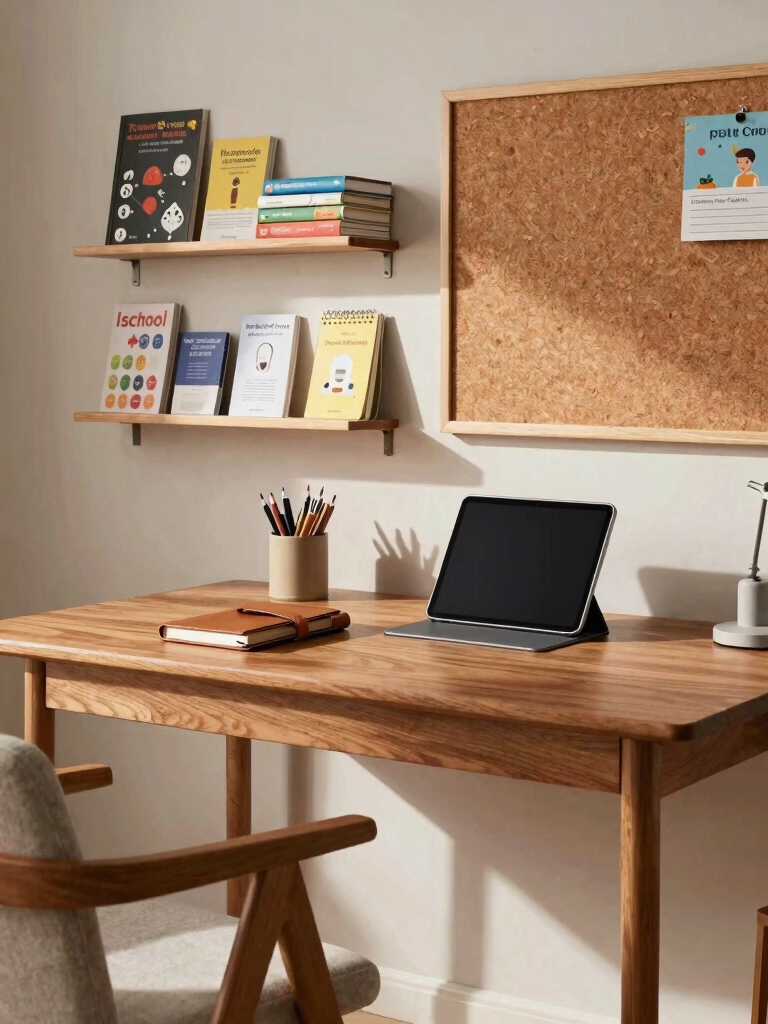
When planning a productive homeschool space, start by clarifying the goals, identifying all potential users, and outlining layout criteria that support those aims.
I define clear objectives, note essential functions, and map daily routines. I consider learners, co‑teachers, and space limits, then prioritize flexibility, noise control, and access to resources.
This foundation guides decisions, keeping the setup practical and focused.
Create Flexible Zones for Different Subjects and Activities
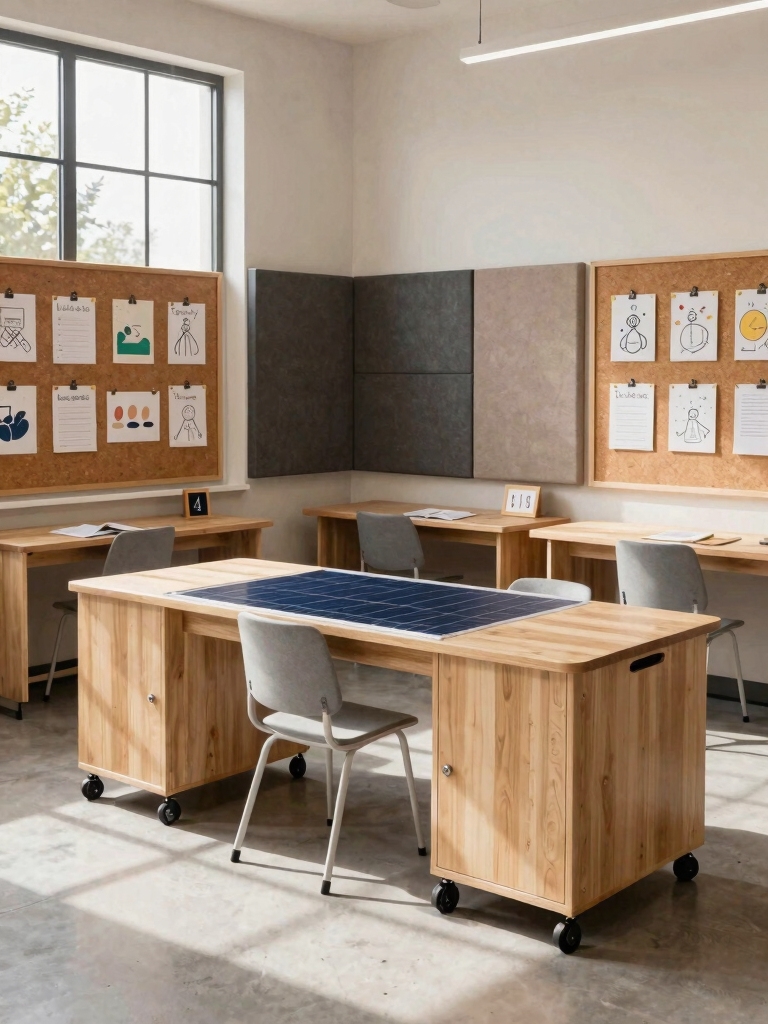
To put the goals from building a productive homeschool space into action, I set up flexible zones for different subjects and activities.
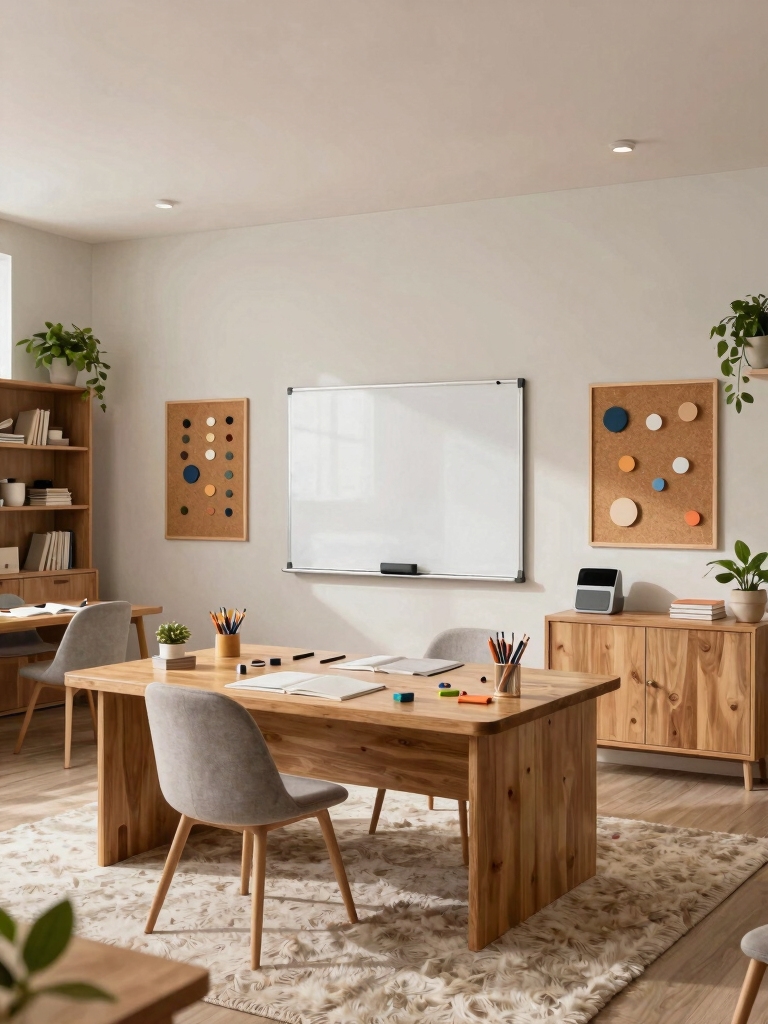
I designate quiet reading and writing corners, hands-on science tables, math mats, and a creative project area. Each zone has essential tools, schedules, and clear boundaries.
This setup reduces distractions, boosts focus, and keeps workflows organized for efficient study sessions. Incorporating creative ideas for cozy rooms can maximize comfort and functionality even in small homeschool spaces.
Build a Clutter-Free Workflow With Smart Storage
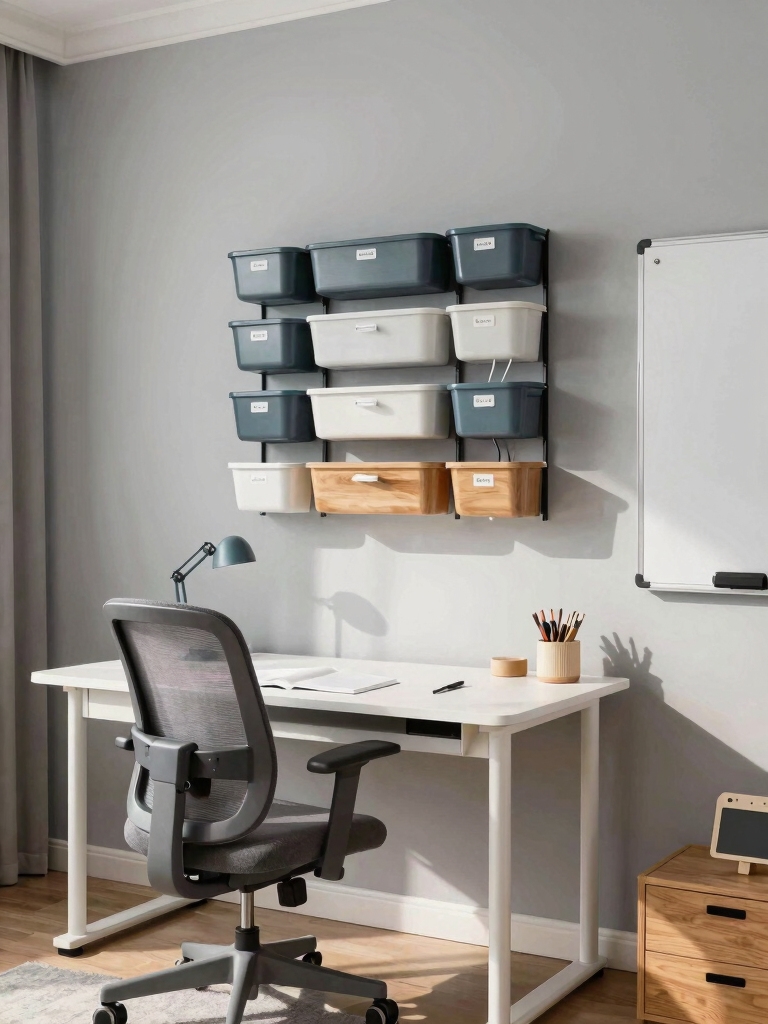
I’ll show you how smart storage can keep our homeschool momentum steady, with easy-to-use systems that fit our daily routines.
We’ll start by choosing a few flexible storage pieces, implement simple declutter routines, and keep the workspace layout adaptable to changing needs.
Together, we’ll create a clutter-free workflow that stays organized as subjects and activities shift throughout the week.
Smart Storage Systems
I choose containers and shelves I can reach without clinking through rivals of clutter.
Label clearly, group by task, and keep like items together.
Mobile bins near work zones let me grab what I need quickly, stay organized, and focus.
Declutter Daily Habits
Decluttering isn’t a one-and-done task; it’s a daily habit that keeps a clutter-free workflow intact.
I’ll integrate simple routines—end-of-day reset, quick item sort, and labeled zones—to reduce friction. I favor accessible storage, clear signals, and minimal movement.
You’ll notice calmer mornings, faster cleanup, and steadier focus.
Let’s build a routine that supports steady, productive homeschooling.
Flexible Workspace Layout
When a room flexes to fit the day, you’ll move more efficiently and feel less scattered. So, I design a workspace that adapts: compact zones for learning, quick-access storage, and clear sightlines.
I prioritize simple, modular furniture, labeled bins, and vertical organizers. With dedicated work nooks and routine setup, clutter stays minimized, and focus stays steady, every single learning session.
Set Up a Cozy Reading Nook That Invites Lingering
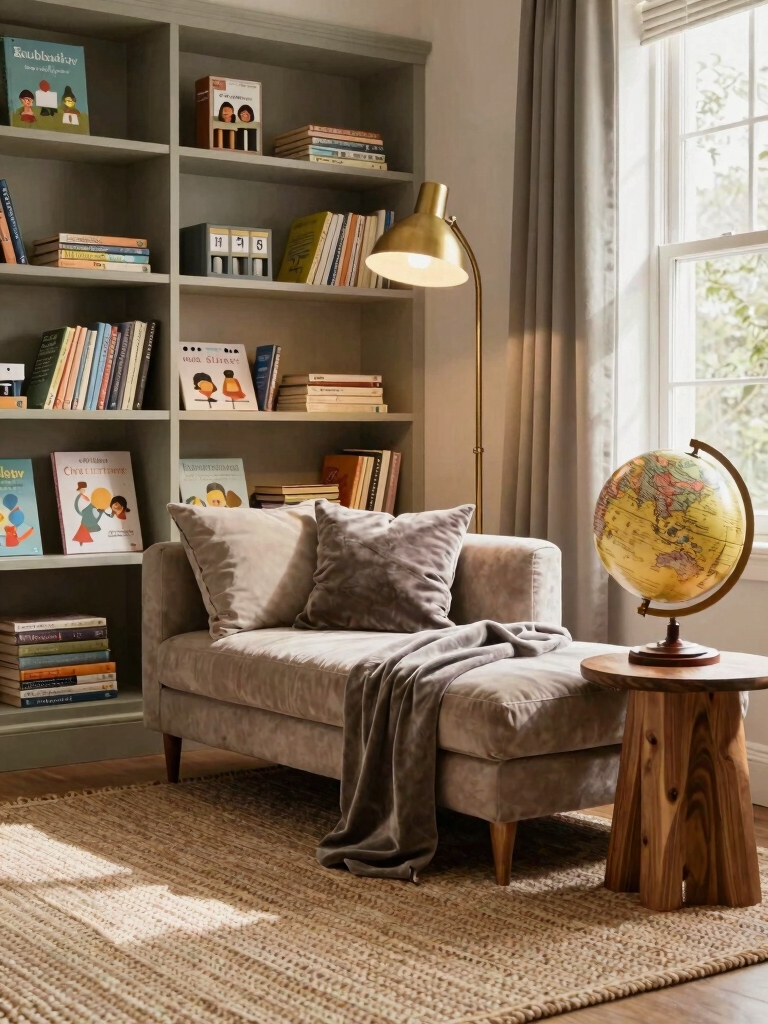
A cozy reading nook makes learning feel inviting, so I start with a comfy chair or cushiony floor space, a good light source, and a small shelf of favorite titles within easy reach.
I keep the area tidy, add a quiet timer, and rotate books monthly.
Clear signage and a simple blanket invite lingering without distraction or clutter.
Practical, calm, organized.
Incorporating elements of Cozy Elegance can transform the space into one that is both comfortable and stylish, enhancing the overall learning environment.
Design a Tech-Ready Workspace That Supports Today’s Tools
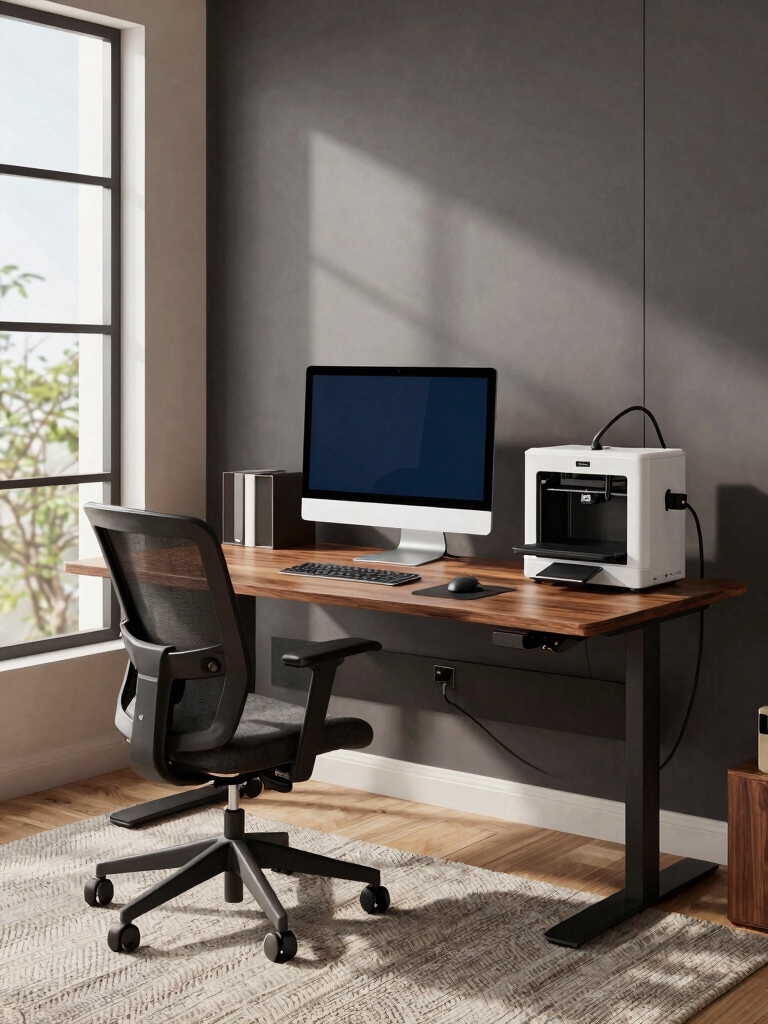
I’m setting up a tech-ready workspace that keeps today’s tools within easy reach and easy to manage.
We’ll look at how a smart desk setup and clean cable management support focused, distraction-free learning.
Let’s explore practical steps to integrate the right devices and tools so everything feels organized and ready for action.
Tech-Ready Desk Setup
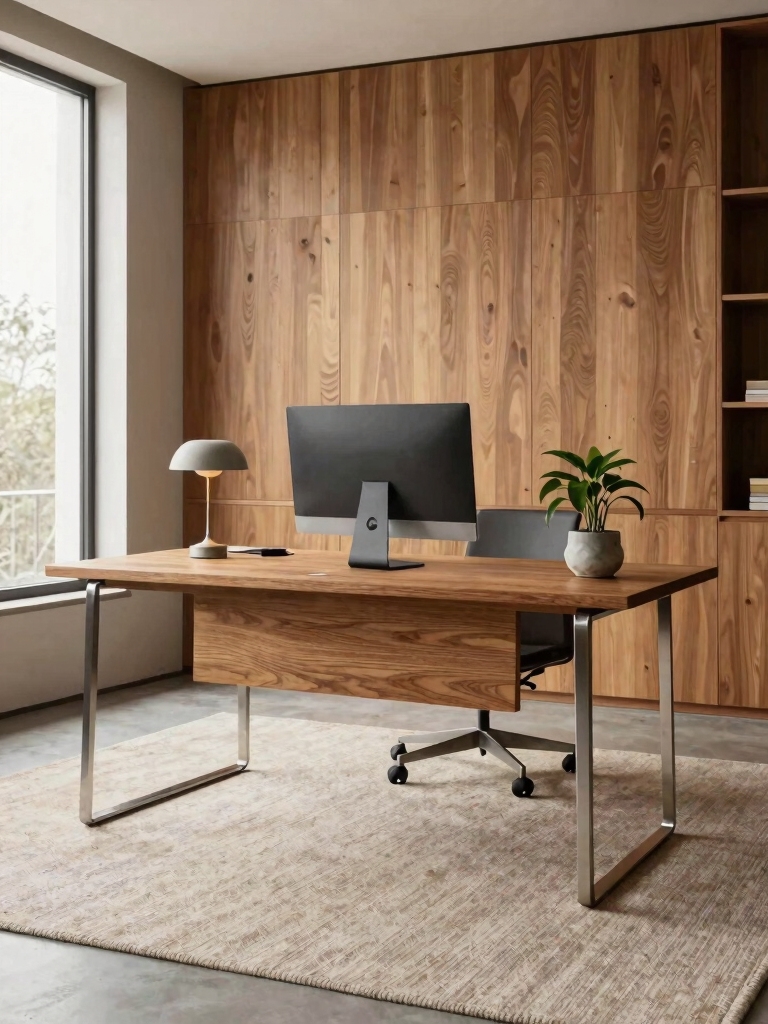
A well-organized tech-ready desk helps today’s tools run smoothly and keeps distractions at bay.
I set a clean surface, wire management, and a dedicated charging spot so devices power up without clutter. I label cables, group accessories, and keep a single, reachable notebook.
With a calm layout, I navigate lessons efficiently, focusing on tasks, not tech chaos.
Smart Tools Integration
Smart tools are only as good as the workspace that supports them, so I design my setup to keep devices, software, and accessories accessible but tidy.
I prioritize a centralized charging station, labeled storage, and cable management.
I choose reliable apps, sync across devices, and back up files regularly.
My plan balances efficiency with simplicity, ensuring smooth, distraction-free learning sessions.
Use Adjustable Furniture to Grow With Your Learners
Choosing adjustable furniture is a smart move because it grows with your learners.
I design my space to flex with ages, sizes, and tasks, so changes stay smooth. Use height-adjustable desks, chairs with proper lumbar support, and adaptable shelving.
Keep cords managed, designate zones, and label settings. Your setup should evolve, stay organized, and feel inviting for every study session.
Incorporating small room ideas that double your space instantly can further enhance the functionality of your homeschool area.
Create Calm Walls With Purposeful, Rotating Displays
Rotating displays keep homeschooling calm by giving me a simple, purposeful way to manage visual clutter.
I curate a single message per week, then rotate it beside a small, labeled icon. I use neutral frames and a fixed color palette to preserve focus.
This system stays practical, approachable, and organized, helping learners stay engaged without distraction.
Maximize Natural Light and Comfortable Acoustics
I’ll show you how to maximize natural light while keeping the room quiet and practical.
We’ll cover natural light optimization, a sound-friendly layout, and quiet acoustics strategies that fit everyday homeschooling.
Let’s keep things clear, organized, and comfortable so you can focus on learning.
Natural Light Optimization
Natural light can transform a homeschool room, making it brighter, more inviting, and easier to focus. I optimize windows and placement, keeping glare low while preserving view.
Use light-colored walls, minimal window obstructions, and mirrors to bounce daylight further. Schedule tasks for peak sun, and pair shutters with blackout curtains for flexible brightness.
Practical, organized, and calm environments promote steady, productive lessons.
Sound-Friendly Room Layout
Sound-friendly layouts start with how I place desks and storage to keep both light and sound in balance.
I prioritize open sightlines, soft textures, and movable panels so light pours in without echoes.
Here’s how I structure it:
- Flexible desks near windows
- Soft rugs to absorb sound
- Low-profile shelving for air flow
- Plants for color and calm
Quiet Acoustics Strategies
To maximize natural light while keeping acoustics comfortable, I balance open sightlines with sound-absorbing details that don’t block daylight.
I use soft rugs, wall panels, and adjustable blinds to dampen echoes without darkening the room.
Diffuse noise with plants and strategically placed shelves.
I test layouts, tweak furniture, and invite feedback to keep learning spaces calm and productive.
Organize Supplies With Color-Coding and Clear Labels
Color-coding your supplies and labeling everything clearly makes chaos vanish and tracking needs simple.
I group similar items by color, assign names, and store them in transparent containers so I can see at a glance what’s missing. This method saves time and reduces frustration.
- Color-system setup
- Clear, readable labels
- Transparent storage
- Quick-access bins
Implement a Simple Daily Routine That Sticks
Now that supplies are organized with color coding and clear labels, implementing a simple daily routine becomes straightforward.
I’ll start with a predictable sequence: 9 a.m. math, 10 a.m. reading, 11 a.m. hands-on projects, lunch, then independent practice.
Keep timers short, switch activities smoothly, and post a basic checklist.
Consistency builds momentum; small wins keep motivation high without derailing progress or causing fatigue.
Create a Celebration Wall to Track Progress
Creating a Celebration Wall is a practical way to visualize progress and stay motivated.
I guide you to honor small wins, display goals, and celebrate milestones together. It’s simple, tactile, and adjustable as learning evolves.
- Post clear goals and revise monthly
- Showcase completed tasks with color codes
- Add photos or quotes for inspiration
- Celebrate with a quick, shared reflection session
This budget-friendly approach is a great example of transforming your space without spending a lot.
Budget-Friendly Hacks That Make a Polished Homeschool Room
I’m sharing budget-friendly essentials that add up to a polished look without the price tag.
I’ll show practical space hacks and smart styling that feel high-end, yet stay simple and repeatable.
Let’s tackle functional organization tips first, so your homeschool space stays tidy, efficient, and inviting.
Budget-Friendly Essentials
If you’re aiming for a polished homeschool room without breaking the bank, start with practical, high-impact basics like a sturdy work surface, clear storage, and a simple organizational system.
I use affordable, durable items and label everything for quick access, keeping tasks streamlined.
- Sturdy desk
- Clear, labeled bins
- Compact shelving
- Simple filing system
Polished Space Hacks
Polished space doesn’t have to cost a fortune; with a few budget-minded tweaks, your homeschool room can look crisp and organized in no time.
I swap mismatched decor for simple, cohesive pieces, use labeled bins, and rotate art to keep walls clean.
I purge clutter weekly, embrace natural light, and add a lasting finish with a DIY sealant.
You’ll notice instant polish.
Functional Organization Tips
We’ve got the look dialed in, now let’s lock the space in with practical, budget-friendly organization tips.
I keep supplies visible, labeled, and within reach, so lessons flow smoothly. Use movable bins for quick cleanup, thrifted trays for desk essentials, and a simple filing system for worksheets.
Build zones: reading, craft, and math, to reduce clutter and boost focus.
- Visible bins and labels
- Movable desk organizers
- Simple filing system
- Defined learning zones
Seasonal and Subject-Focused Layout Ideas You Can Rotate
I rotate a compact, central display for each season: math boards, science prompts, and history timelines tucked into slim pockets.
I swap props weekly, label zones clearly, and store extras in labeled tubs for quick, organized reconfigurations.
Quick Refresh Ideas to Renew Any Homeschool Space
When a quick refresh is on the agenda, I start with a focused reorganization and a few targeted updates that make a big impact.
If space feels tight, I prioritize essential tools, label zones, and swap out bulky decor for bright, functional accents. Quick wins below define flow.
- Reassign desks to create clear work zones
- Label storage and supplies for easy access
- Limit color palette to calm, productive tones
- Rotate visual cues for renewed focus
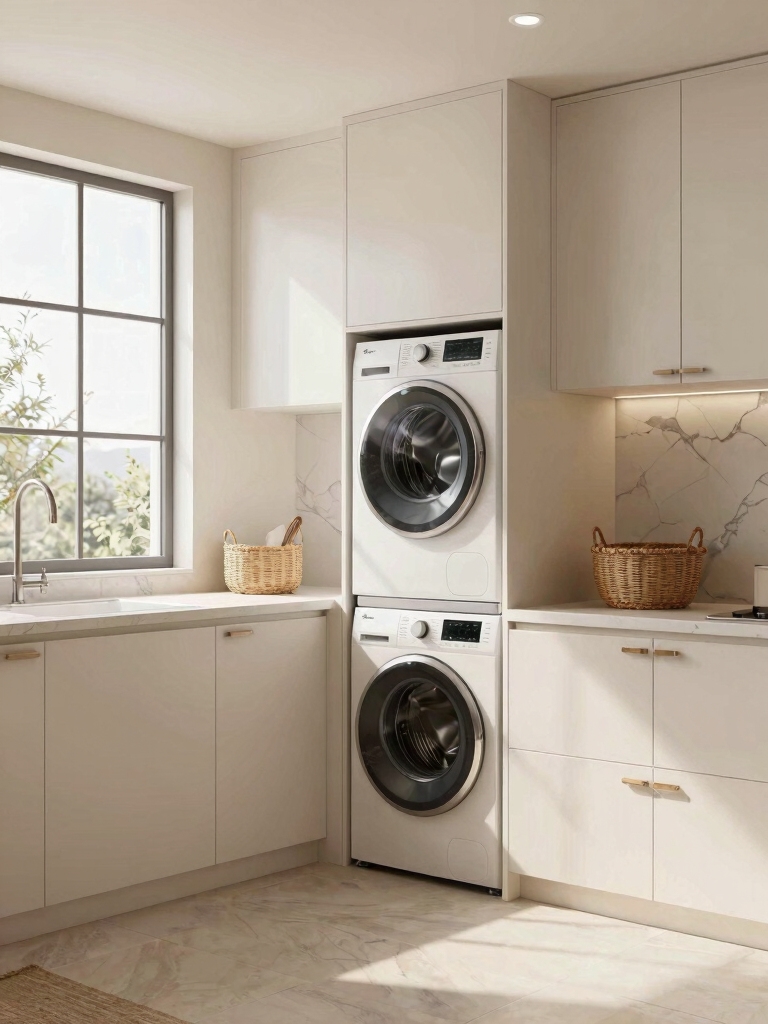
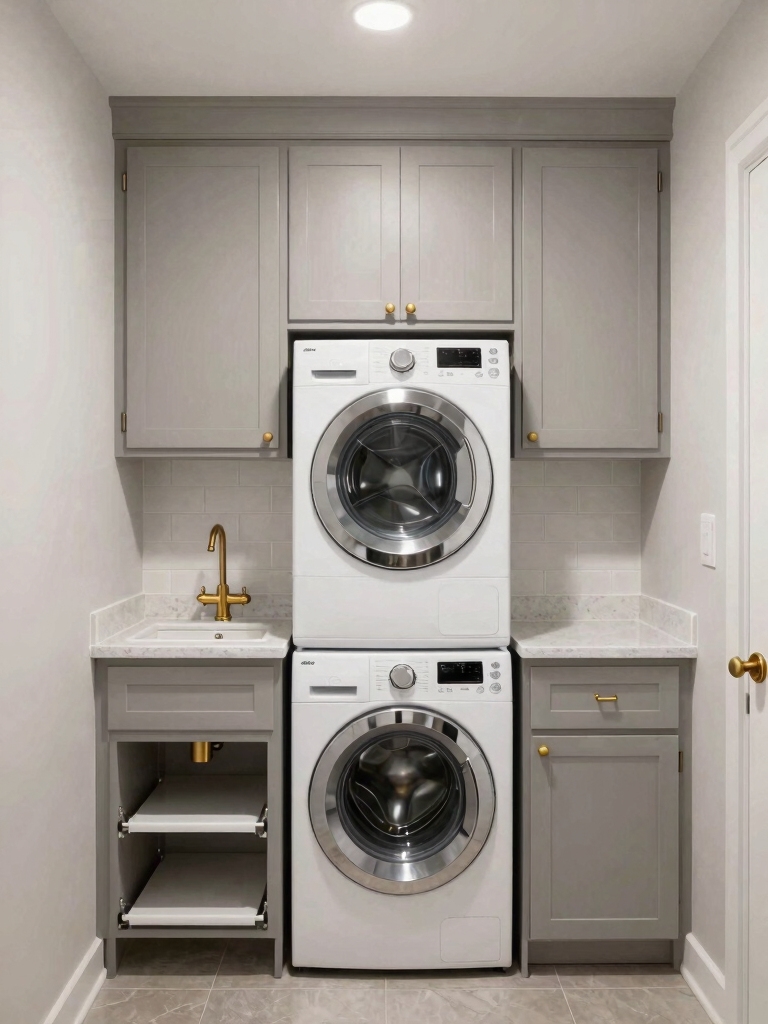
Incorporating clever utility room solutions can help keep your homeschool space tidy and organized for better productivity.
Conclusion
Here’s the quick wrap: you create a space that works, you adjust as you go, you tune for flow, you tune for focus, you tune for joy. You set goals, you support learners, you honor their pace, you celebrate small wins. You organize with intention, you store with strategy, you refresh with purpose, you rotate with season, you reflect with gratitude, you keep it simple, you keep it smart, you keep it moving. You’ve got this—so teach, learn, thrive.