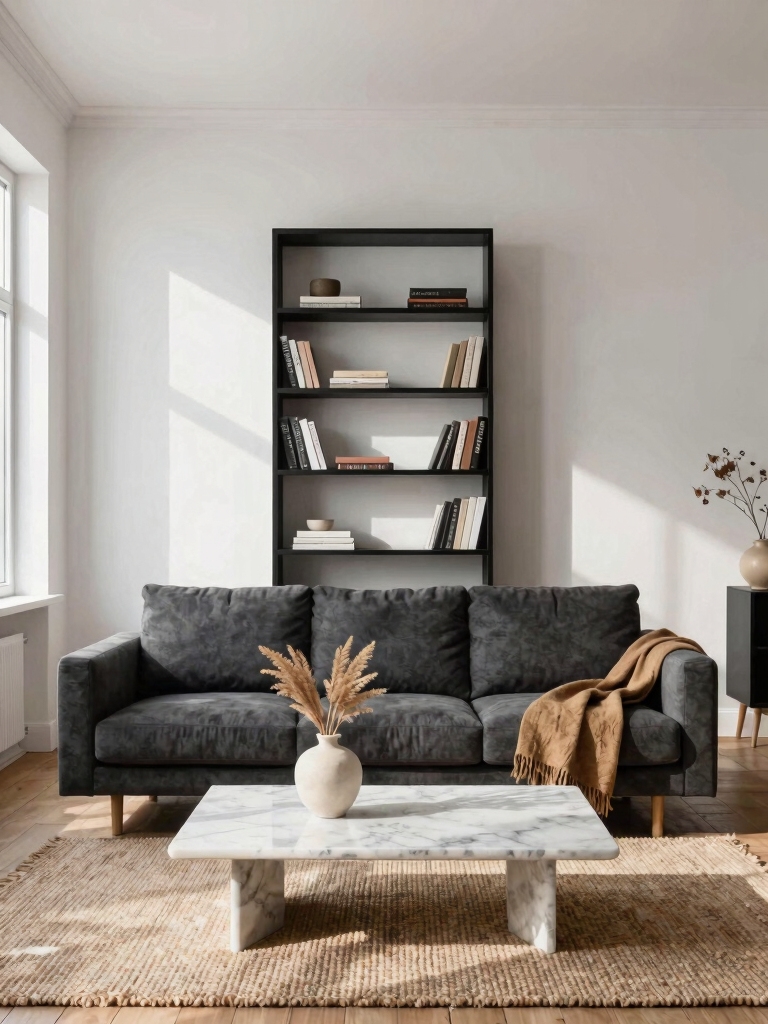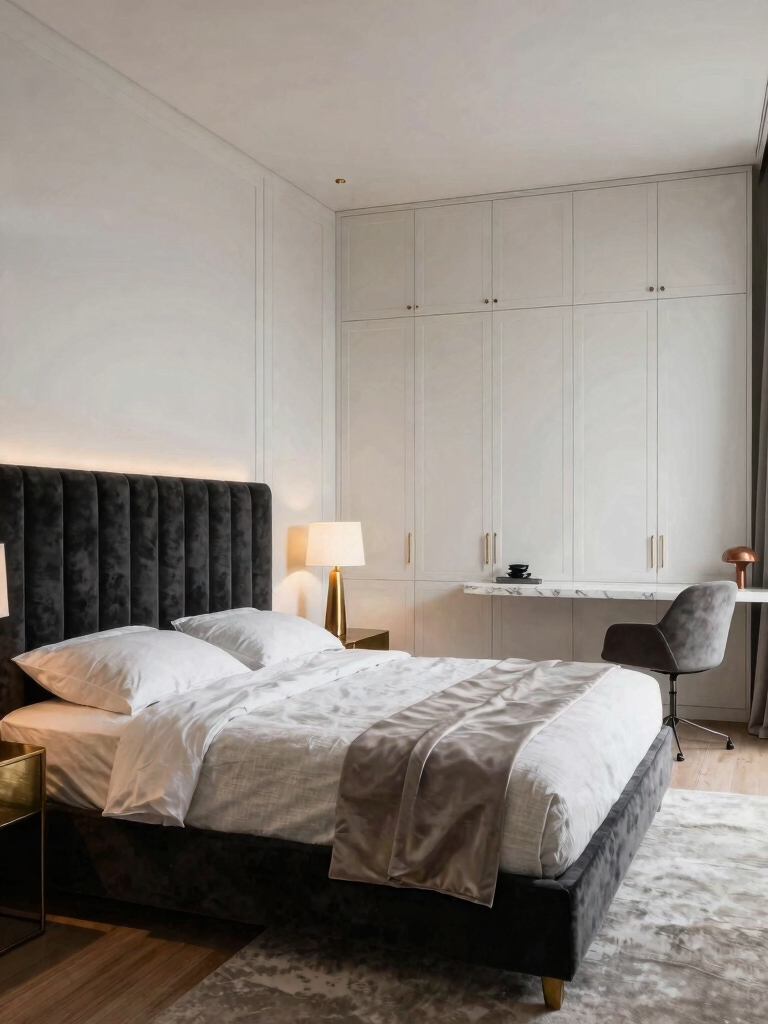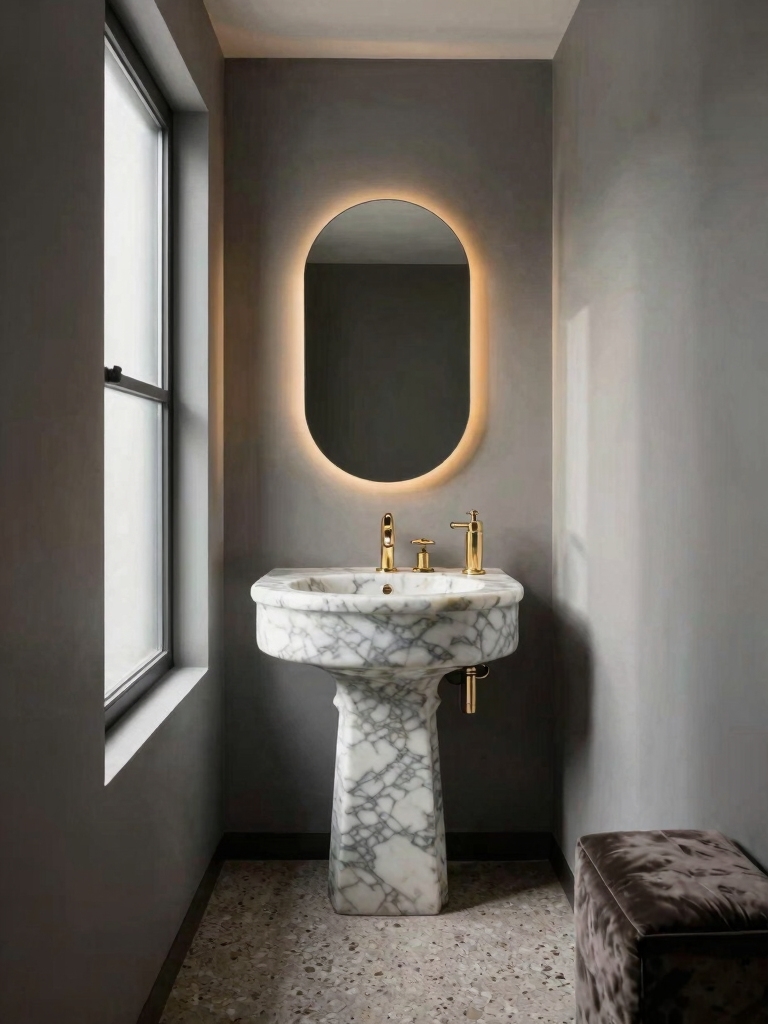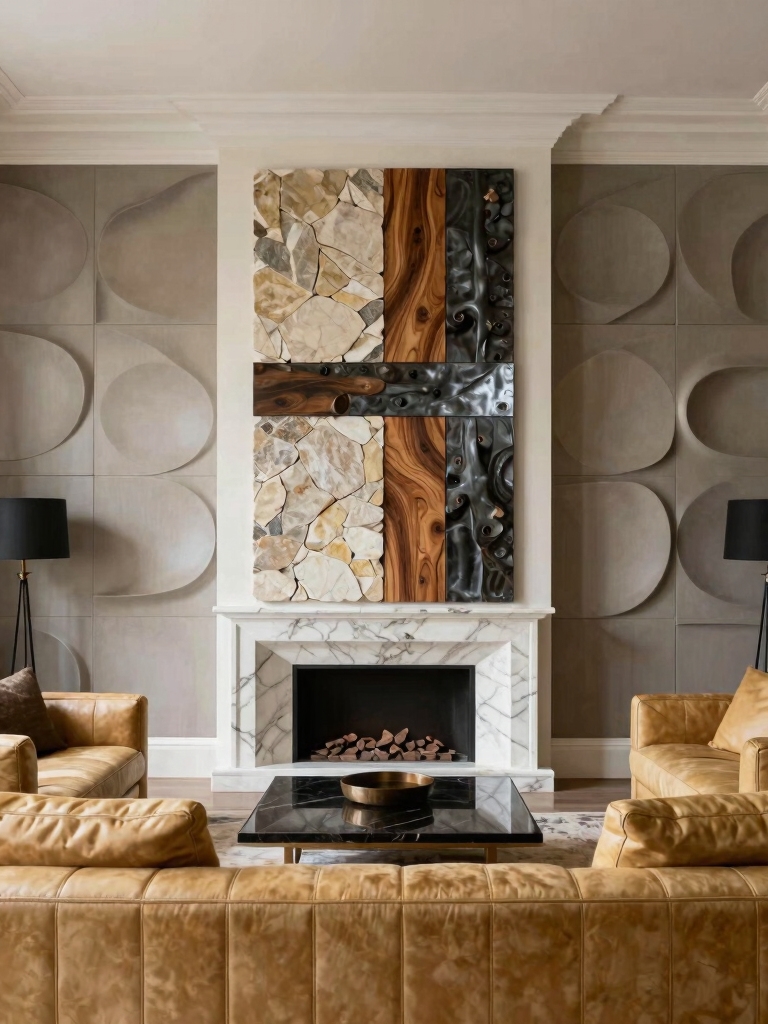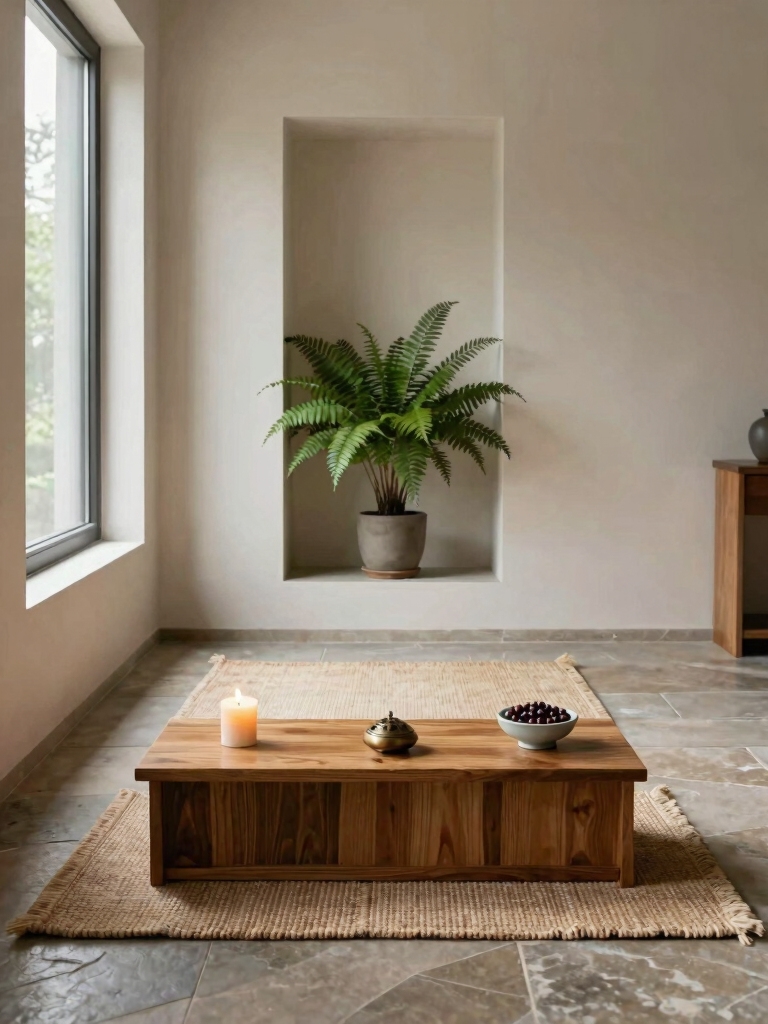
I designed this guide to help you create a calming prayer space that invites focus, comfort, and consistent peace. Start with a quiet corner and a simple shelf of meaningful objects, then choose warm lighting and soft colors to steady the mind. Add natural elements like wood tones and plants, and keep decor minimal to avoid distraction. Build a daily, inclusive practice you can sustain; more practical steps await as you explore further.
How to Create a Calming Prayer Space: Core Principles
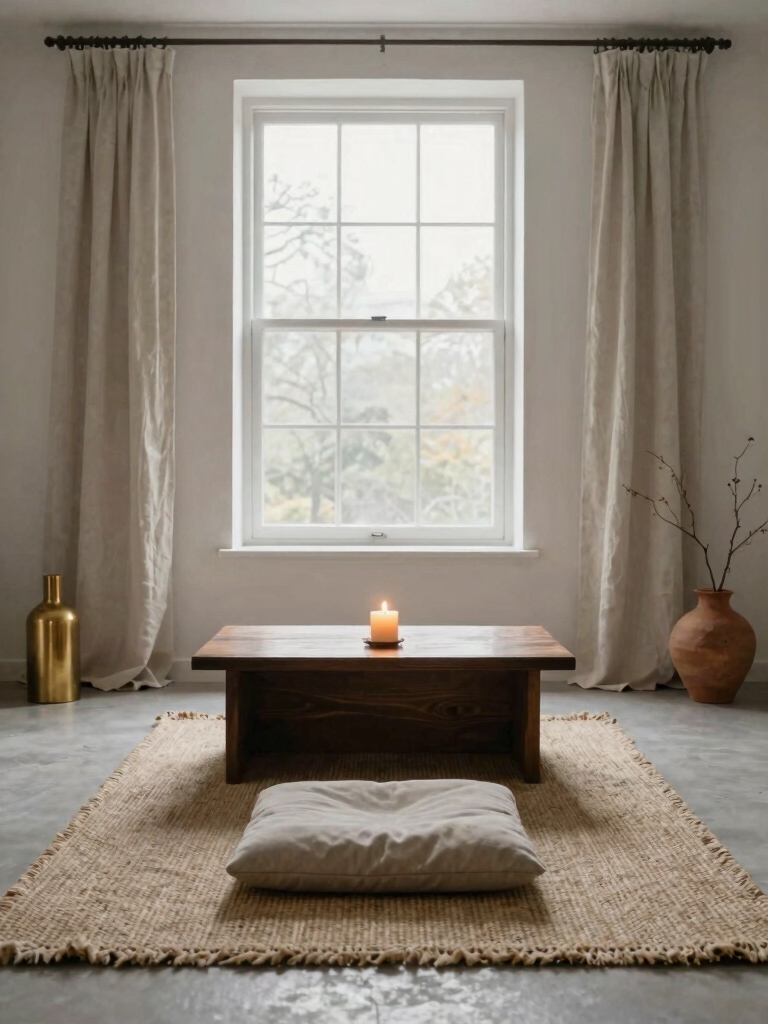
When I design a calming prayer space, I start with the basics: a quiet corner, simple light, and a surface that invites stillness.
I prioritize intention over ornament, choosing objects with meaning and easy access.
I breathe, reflect, and arrange mindfully, ensuring silence breathes through the room.
Consistency matters: routines ground practice and deepen connection with quiet purpose.
Set Up Your Space: Lighting and Color for Calm
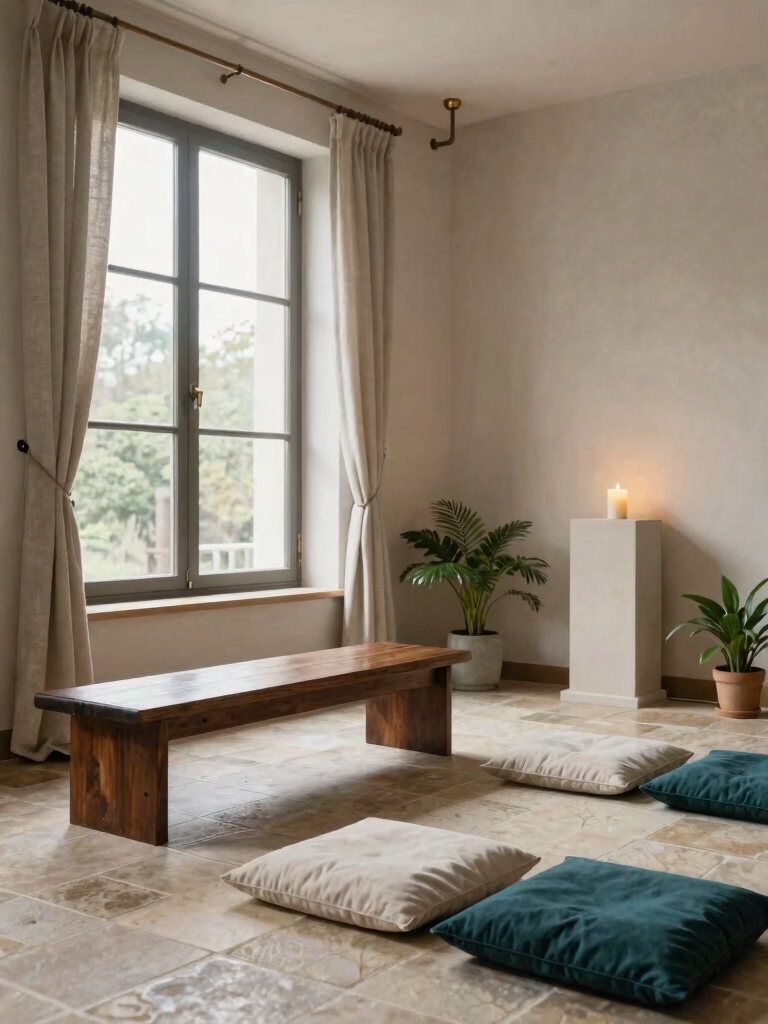
I’ll start with gentle ambient lighting that soothes the room and nudges the mind toward stillness.
I’ll pick soft color palettes and natural elements to keep the space calm and inviting, so you feel supported, not overwhelmed.
Let’s explore how these choices work together to create a serene, focused place for prayer.
Incorporating vibrant room color ideas can subtly enhance the peaceful atmosphere while adding a touch of personal expression.
Gentle Ambient Lighting
- Use warm LED bulbs at eye level to create gentle depth.
- Place dimmable lamps for gradual shifts during quiet reflection.
- Employ shaded fixtures to minimize hot spots and encourage calm focus.
Soft Color Palettes
I balance warm neutrals with soft blues or greens, keeping walls and textiles cohesive. Light, airy fabrics soften edges, while minimal accents prevent visual clutter.
Practically, I create space for breath, focus, and quiet reflection.
Natural Elements Additions
Natural elements invite calm by connecting the space to the outdoors, so I lean on wood tones, stone textures, and gentle botanicals to ground the room.
I aim for simplicity, letting natural light and earthy hues guide mood.
- Embrace warm wood accents
- Include textural stone surfaces
- Add small plants for life and scent
Silence and Sound: Crafting a Quiet Environment
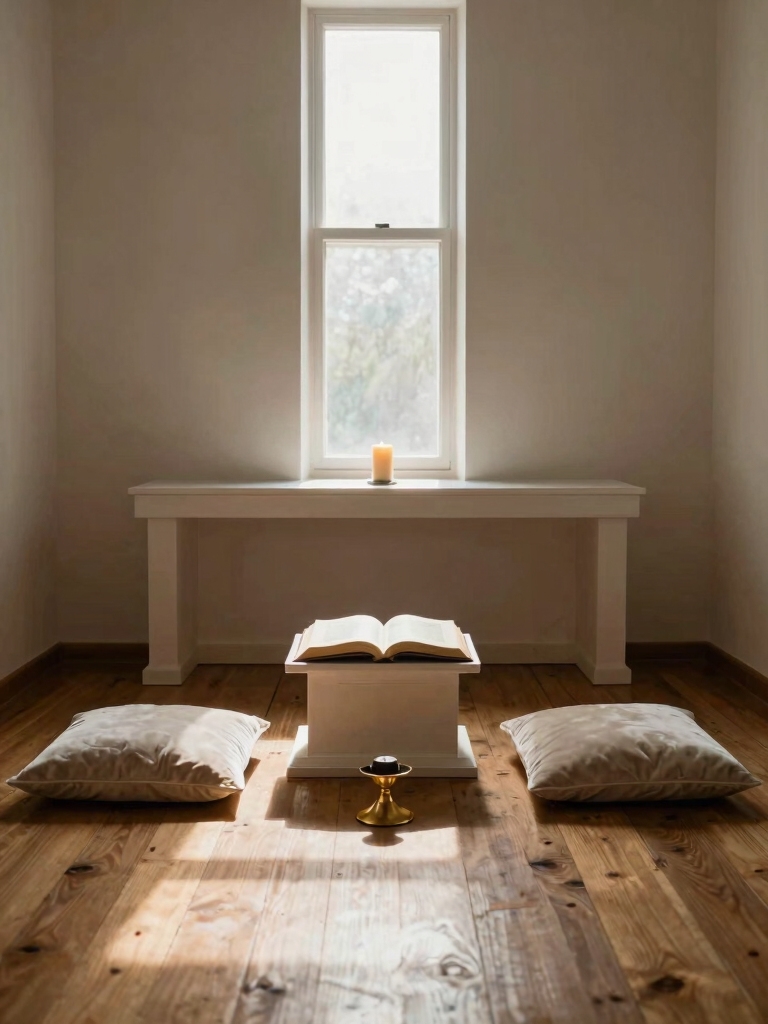
Silence isn’t about emptiness alone; it’s a space I curate with intention, so you can listen to what truly matters.
I shape sound deliberately: invest in quiet corners, soft cushions, and a timer that signals breaths.
I invite you to breathe, notice fluctuations, and choose moments of stillness.
Practical, warm guidance helps you cultivate a listening sanctuary.
Minimal Decor, Maximum Focus: Simple Sacred Elements
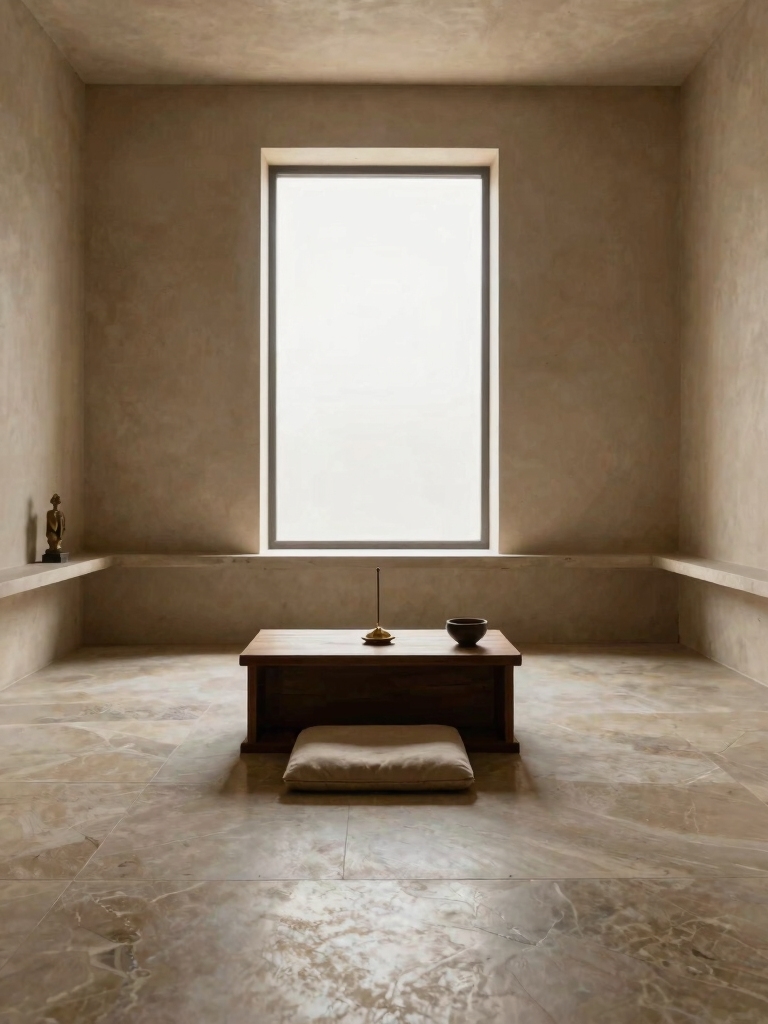
I’ve learned that simple sacred elements can anchor our prayers without crowding the space.
I’ll explore how a single meaningful object or soft light can guide focus, while keeping decor minimal.
Let’s discuss how less really can invite more presence and intent.
Simple Sacred Elements
In a simple space, I focus on essentials that support prayer: a single rug, a low table, and one or two meaningful objects that hold quiet significance.
- A single candle or small lamp for gentle illumination
- A worn journal or prayer book for reflection
- A tiny plant or stone that anchors memory
Simple, serene, purposeful.
Minimal Decor Focus
I invite you to breathe with purpose, removing clutter that pulls attention away. A single candle, a small cross, or simple icon anchors prayer.
I choose restraint, guiding focus toward stillness, gratitude, and meaningful conversation with the divine.
Sit in Stillness: Seating for Reflection
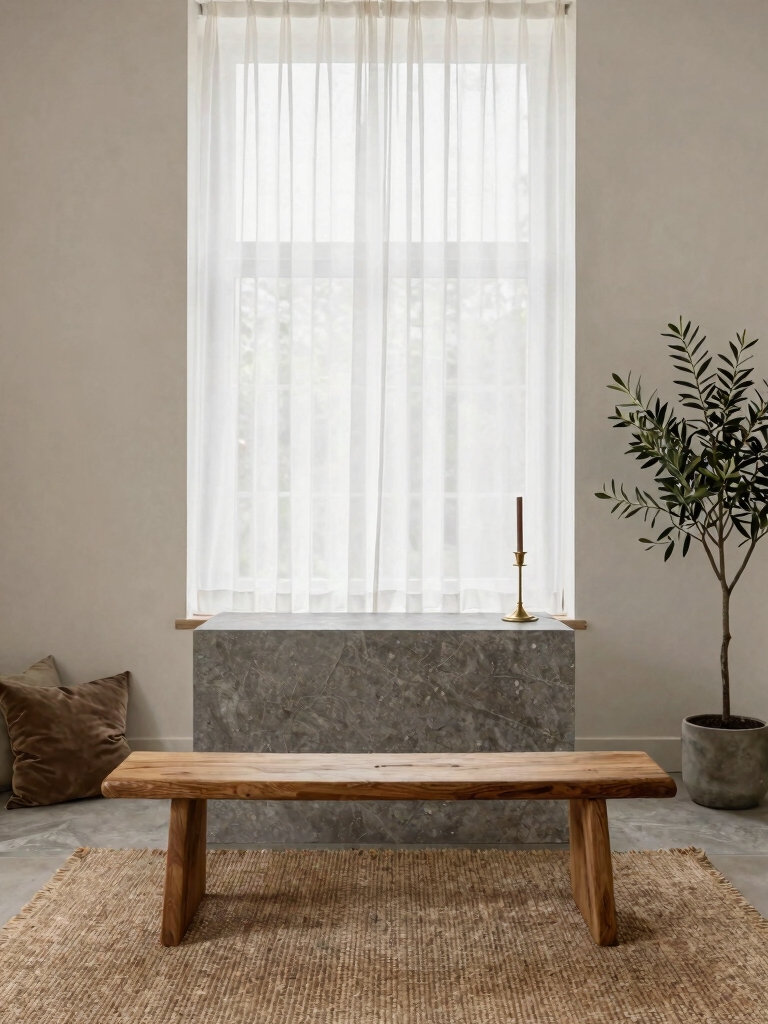
When I sit for reflection, I choose a seat that invites quiet and posture that says “breathe.” A comfortable chair or cushion beside a softly lit corner helps me settle, letting distractions drift away as I reduce my tempo to the rhythm of my own breath.
- Choose a calm chair
- Add a small cushion
- Sit with relaxed shoulders and open chest
Define Your Prayer Space: Clear Boundaries at Home
Clear boundaries transform a corner into a sanctuary.
I set a dedicated space at home by designating a quiet, clutter-free zone where devices stay away and my thoughts can land.
I keep it simple: a small rug, a chair, soft light, and one focus.
You’ll notice the rhythm of intention guiding your breaths and daily pauses.
Sacred Symbols and Personal Mementos: Invitations to Remembrance
Moving from defined boundaries, I invite the things that matter to stay with us in the prayer space: sacred symbols and personal mementos.
I offer these reflections to guide remembrance with intention, simplicity, and warmth.
- Cherish a symbol that centers you, and let it speak.
- Place mementos where you can briefly pause and listen.
- Let memory braid meaning into daily quiet and focus.
Fragrance and Texture: Sensory Caves for Calm
Fragrance and texture shape a sanctuary you can feel as much as hear.
I invite you to layer calm: a soft cedar, vanilla drift, and clean linen—not overwhelming, just present.
Run your hands over woven fibers, smooth stones, and cool wood.
Close your eyes; breathe slowly.
Let subtle scents and tactile cues guide you to quiet, intentional reflection.
Nature Inside: Plants and Water for Sacred Ambiance
I invite you to contemplate how greenery, water sounds, and the balance of sun and shade can shape a sacred mood.
I’ll explore how Greenery for Calm, a gentle Water Soundscape, and careful Sunlight and Shade pairings support focus, serenity, and a welcoming space.
Let’s start with simple arrangements that honor each element and invite quiet, mindful presence.
Greenery for Calm
Greenery brings calm to any prayer space, and I’ve found that a few well-chosen plants and a small, gently flowing water feature make stillness feel more reachable.
1) Place low-maintenance greens near a window for light.
2) Use varied textures to invite touch and breath.
3) Combine subtle scents with careful spacing to anchor quiet reflection.
Water Soundscape Balance
Water sounds can balance the quiet of a prayer space, weaving gentler currents that steady breath and focus.
I invite you to choose a small fountain or a softly running water feature, placed near plants to mirror nature indoors.
The rhythm soothes distraction, guiding mindful pacing, while scent and texture support immersion.
Balance volume, duration, and placement for serene intention.
Sunlight and Shade
Sunlight spills softly across the space, yet shade remains a quiet counterpoint that invites pause and reflection.
I invite you to tune the room with balance, letting light lift intention while shade grounds it. Here’s how:
- Place a forgiving plant canopy to soften glare
- Use filtered daylight via sheer curtains
- Group small mirrors to gently diffuse glow
Build a Daily Practice: A Routine That Brings Peace
A daily practice doesn’t have to be elaborate to carry real calm into your day; it starts with a simple, repeatable moment you can return to.
I invite you to choose a brief ritual—breathing, a prayer, or quiet gaze—then repeat it every morning or evening.
Consistency builds presence, steadiness, and a gentler pace for the whole day.
Inclusive Design: Comfort for All Beliefs
Inclusive design means designing a prayer space that respects every belief and invites quiet reflection, no matter what you hold sacred.
I invite you to cultivate comfort through intention, listening, and adaptable spaces. You’ll notice how small tweaks invite inclusivity and calm.
- Create flexible seating
- Provide neutral, respectful imagery
- Offer quiet corners for personal rituals
Budget-Smart Sanctuary: Affordable Ways to Create Calm
We can carry the calm from inclusive design into a budget-smart sanctuary by focusing on intention and simple, adaptable tweaks.
I guide you to repurpose everyday items: a soft rug, a lamp with warm light, and a small shelf for meaningful objects.
Declutter thoughtfully, breathe, and create a quiet corner that feels present, affordable, and welcoming to your practice.
Incorporating creative room ideas can transform your space without stretching your budget.
Maintenance for a Sacred Space: Habits That Sustain
Maintaining a sacred space isn’t a one-time act; it’s a practice I nurture daily.
I invite you to adopt habits that sustain calm and intention.
- Clear distractions weekly, restoring focus with a brief breath ritual.
- Refresh scents, textures, and light to preserve warmth and invitation.
- Tend gratitude notes and reminders, reinforcing reverence in small, consistent acts.
Conclusion
Creating a small prayer room isn’t about grandeur; it’s about making space for quiet. In my experience, a simple corner can cut through chaos, offering a steady refuge. Consider this: studies show that regular moments of reflection can reduce stress by up to 20%. Imagine what a daily, 5-minute pause can do for you. So light a candle, soften the colors, breathe, and let the space hold you—consistency matters, and peace grows with each gentle visit.