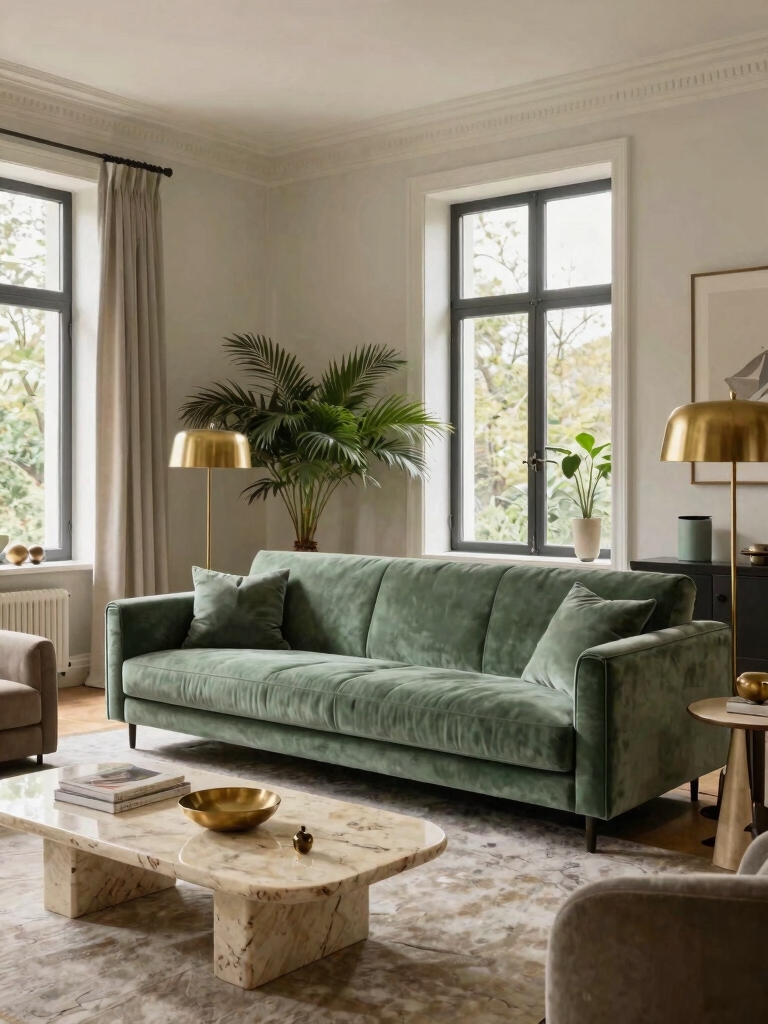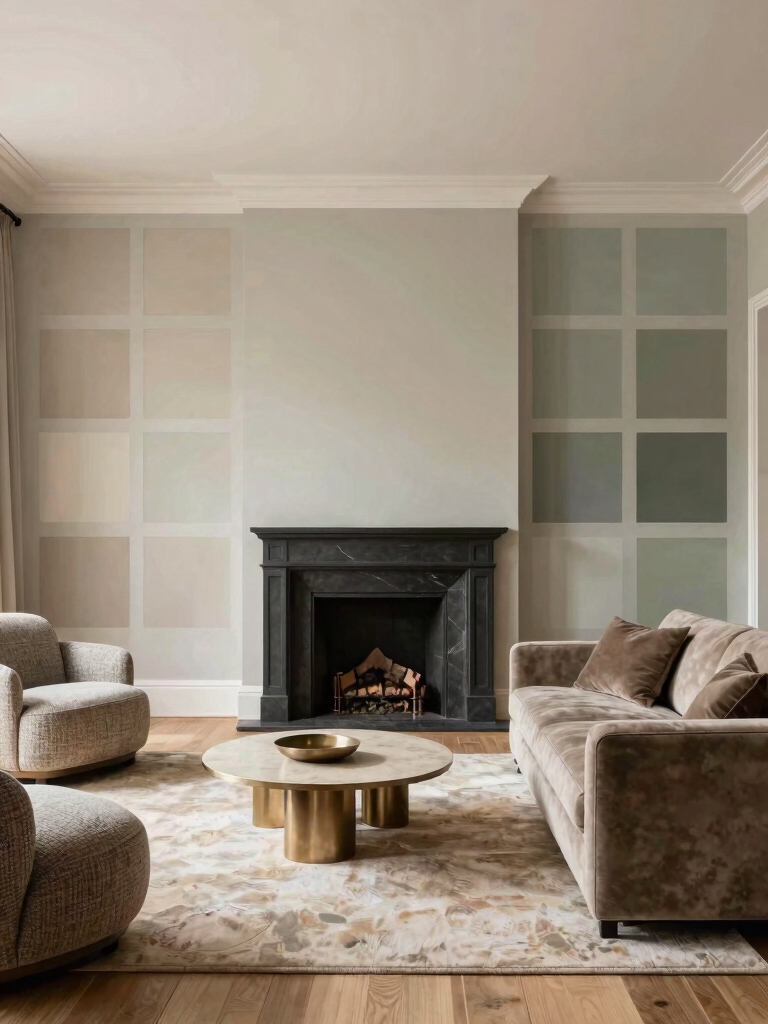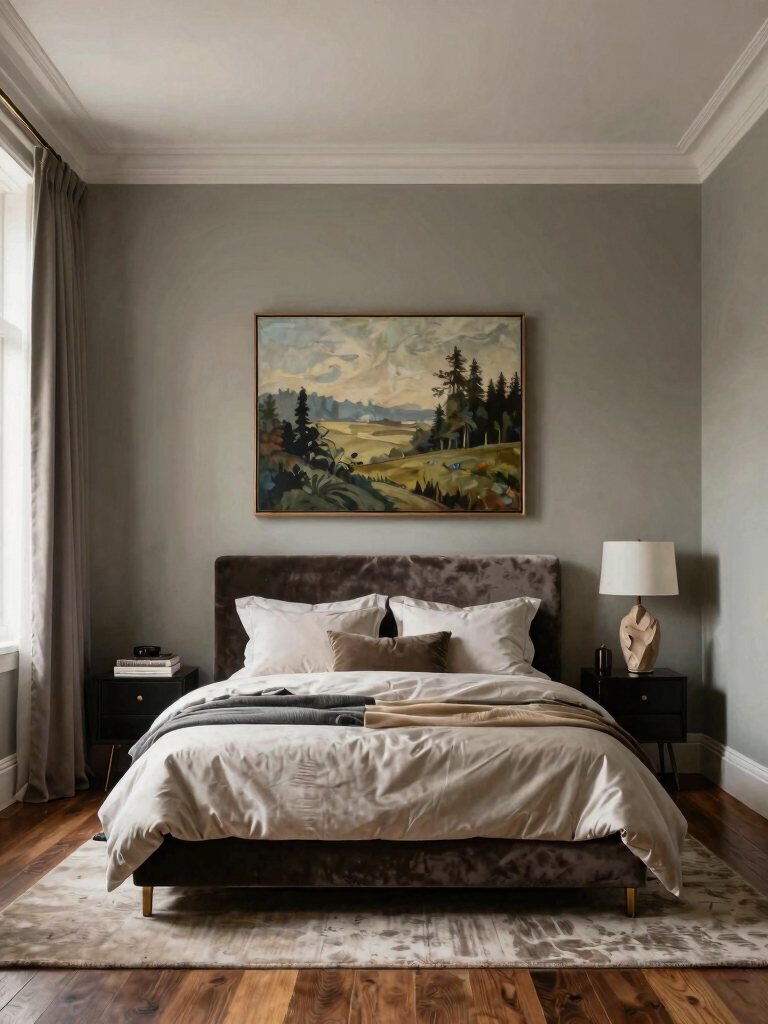
I’ve mapped 19 bedroom color ideas into clear moods—calming neutrals, moody blues, serene greens, and tender blush—so you can pick a vibe, pair textures, and sketch a cohesive layout. I’ll help you decide a dominant color with two accents, plan lighting, and layer fabrics like wool, linen, and velvet for warmth. Keep the space uncluttered and test colors in evening light. If you keep going, you’ll uncover even more practical steps to personalize your plan.
Define Your Bedroom Mood: a Quick Decision Framework
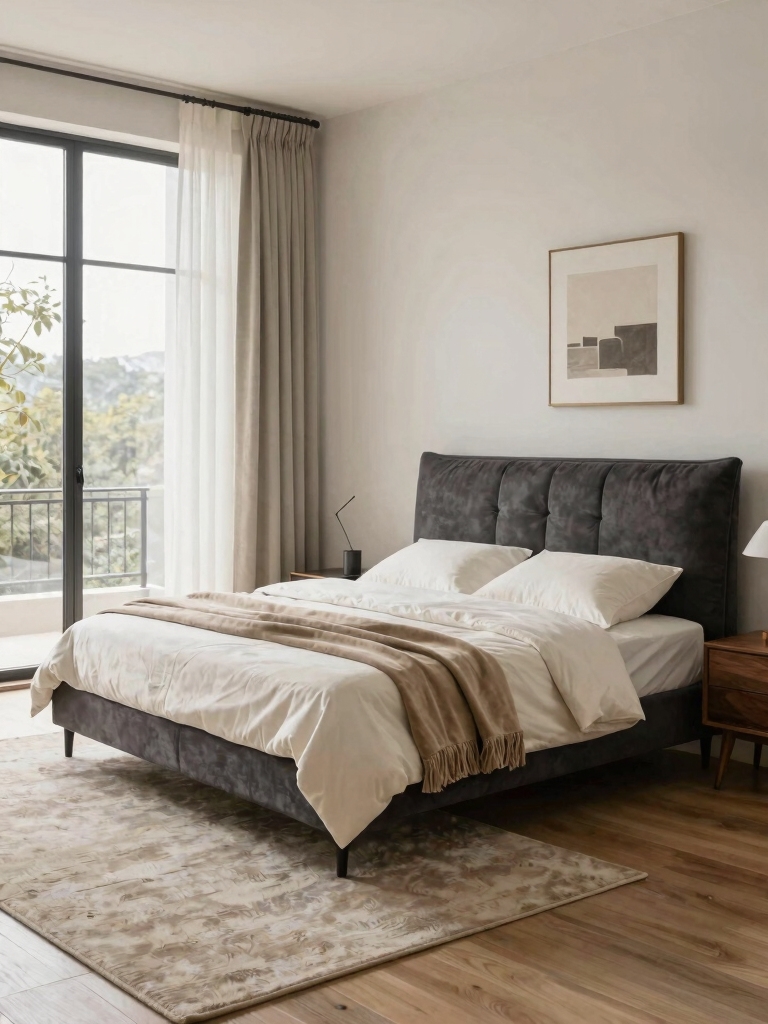
Figuring out your bedroom mood doesn’t have to be a guessing game.
I’ll walk you through a quick decision framework: pick a target vibe, list essential activities, and note lighting needs.
Decide on a dominant color family, then select two accent tones.
Consider texture options—linen, wool, wood—for depth.
Finally, sketch a simple layout to support your mood every night.
Incorporating vibrant room color ideas can truly transform your space and elevate your bedroom’s atmosphere.
Calming Neutrals: Soft, Versatile Backdrops
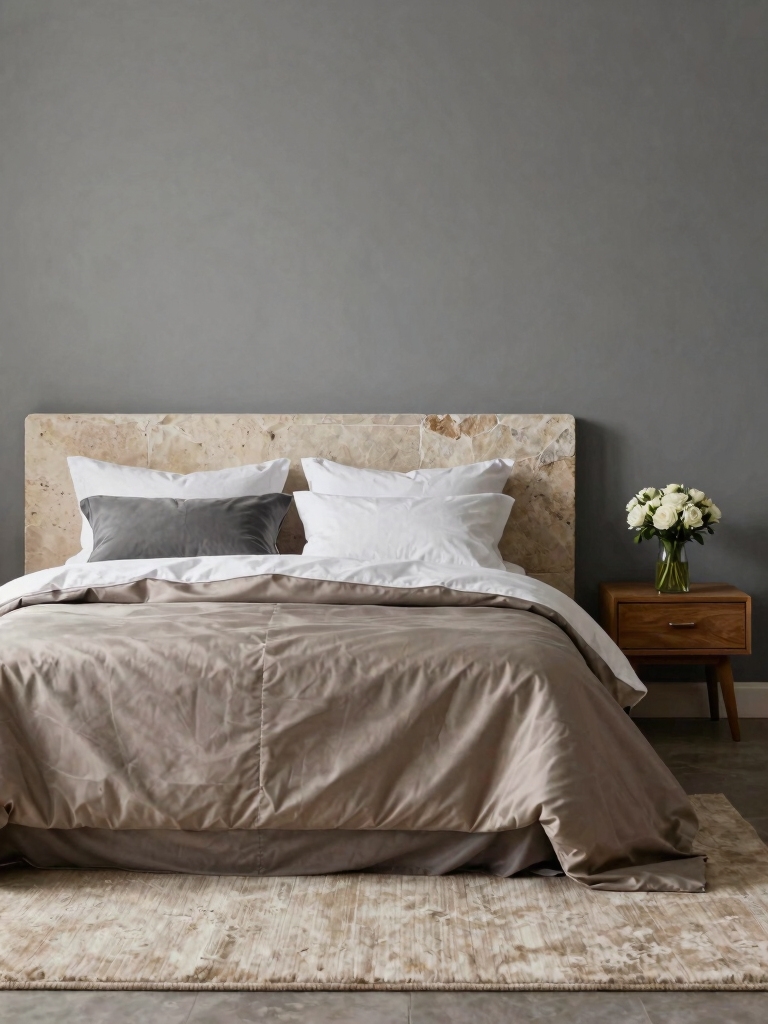
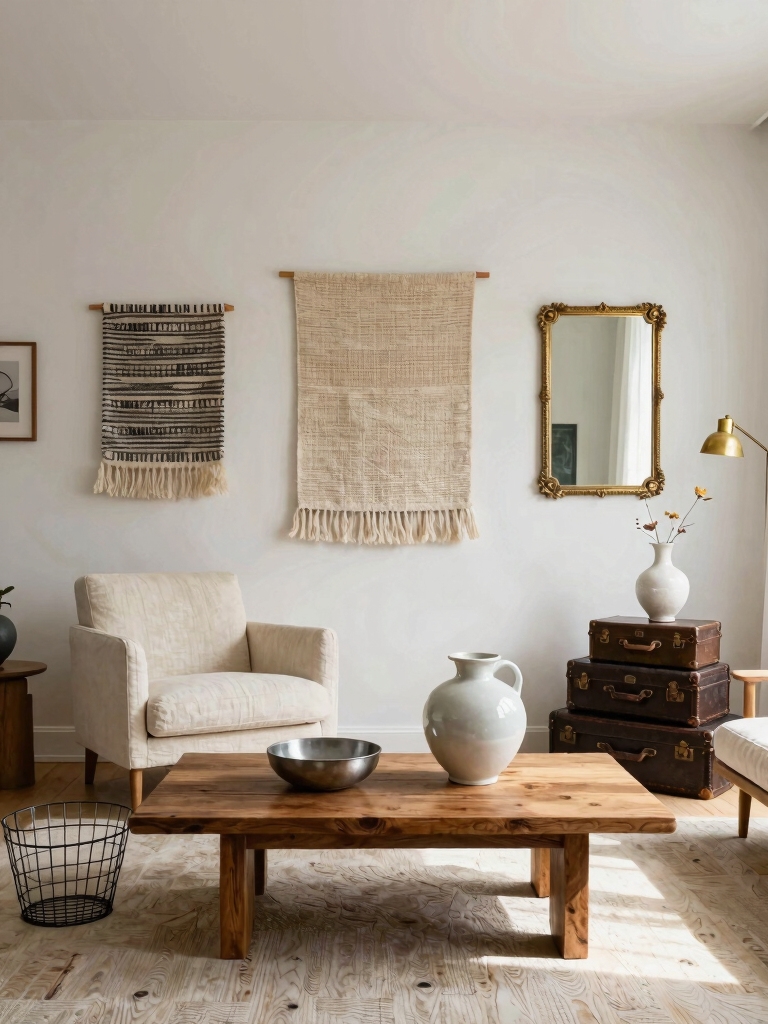
Soft, calming neutrals form a versatile backdrop that keeps your bedroom feeling open and serene.
I choose warm taupes, cool greiges, and soft creams to strike balance between coziness and airiness. These shades pair with natural textures, simple furnishings, and gentle lighting, creating a timeless foundation.
I avoid crowding, so you can layer color thoughtfully and breathe easy every morning. Timeless room colors like these are perfect to refresh your space without overwhelming it.
Moody Blues: Deep Hues for Quiet Evenings
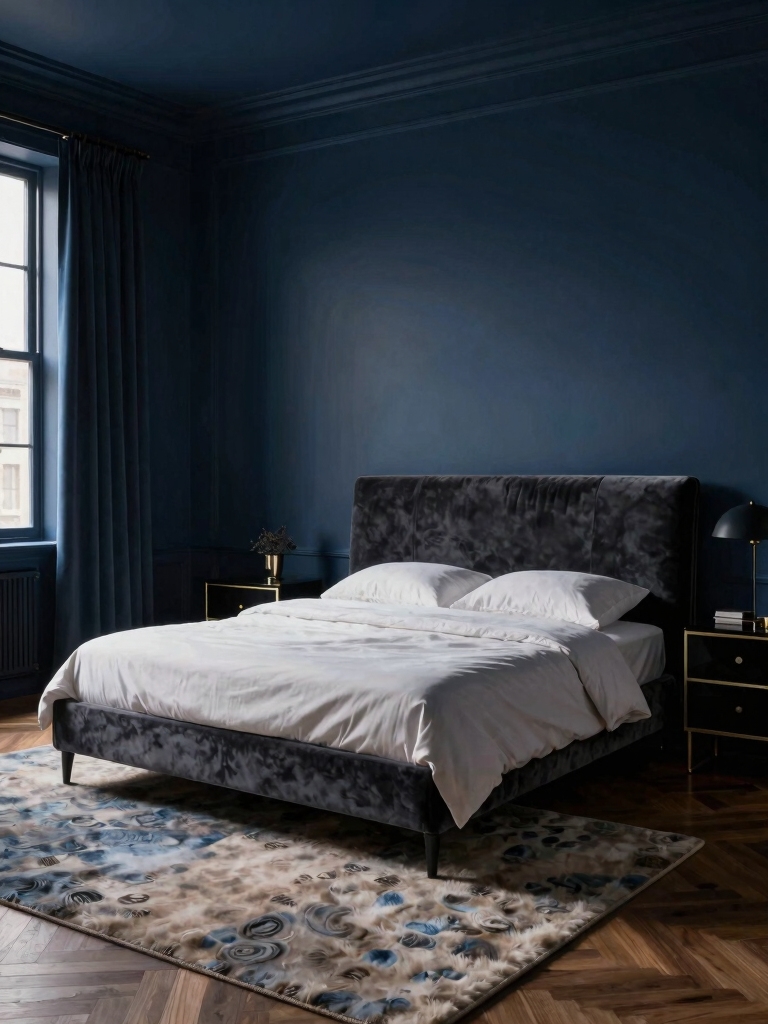
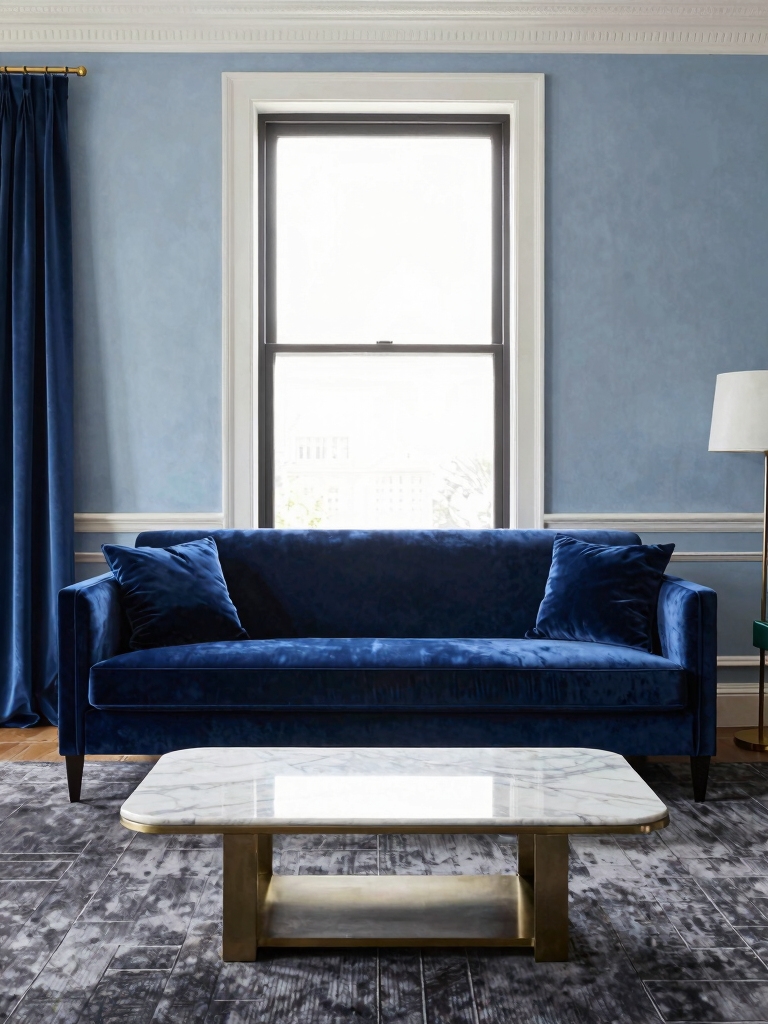
Moody blues bring a quiet sophistication to late-evening spaces, offering depth without overwhelming the room.
I’ve used them to create coziness without gloom, pairing navy or slate with warm neutrals. You’ll notice better focus during reading, calmer conversations, and a sense of grounding.
Keep furnishings simple, textiles textured, and lighting layered for rich, balanced evenings that feel intentional and inviting.
Incorporating cozy grey living room inspirations can enhance the warmth and comfort of these moody blue spaces.
Serene Greens: Bringing Nature Inside
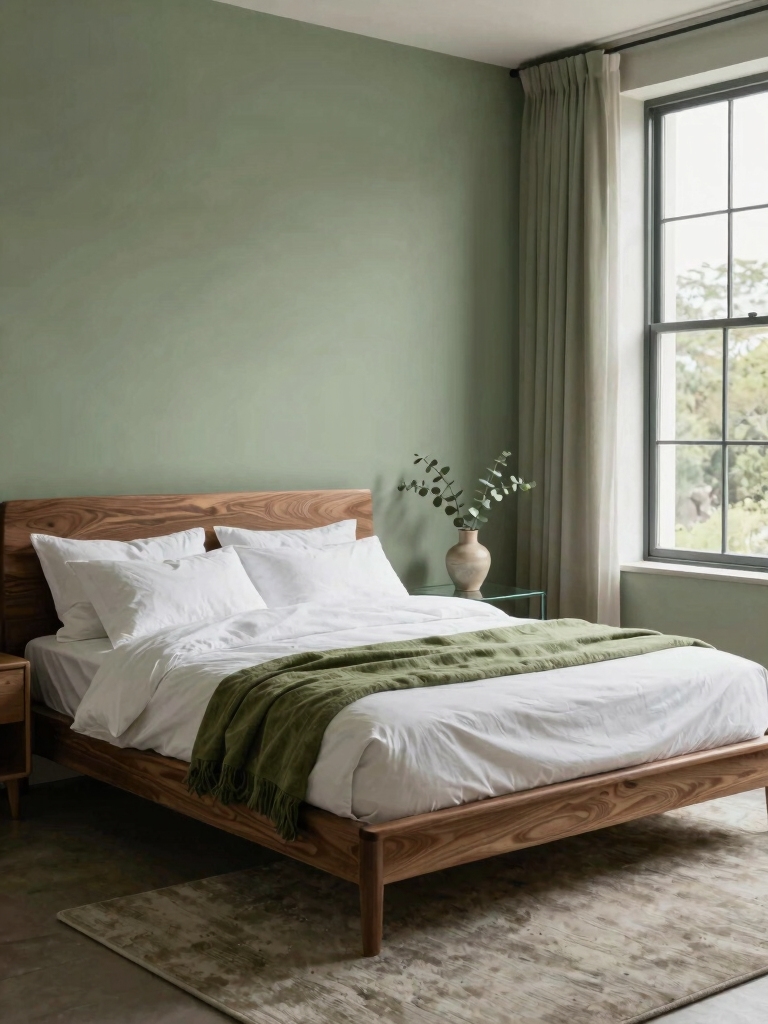
Serene greens invite the outdoors in, wrapping your bedroom in fresh, calming energy.
I’m sharing simple ways to incorporate greens without overwhelming the room: choose breathable, matte paints in sage or olive, bring in plants with varied leaf textures, and layer natural textures like linen and wood.
Avoid busy patterns; let green tones breathe, coordinate accents, and maintain calm balance.
Creating a green room inspired by nature can transform your bedroom into a peaceful retreat that feels like an escape into nature.
Soft Blush and Rose: Gentle Warmth for Romance
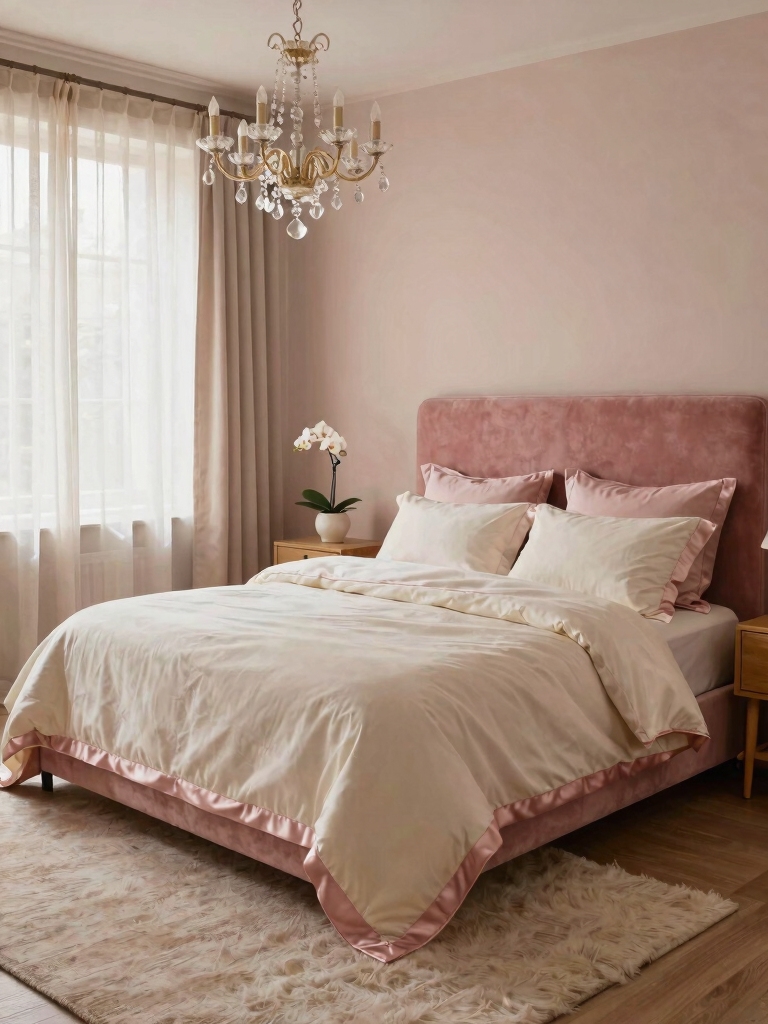
Soft Blush and Rose bring a gentle warmth to the bedroom, like a quiet hug after a long day.
I choose blush-tinted accents and rose textiles to soften lines without overpowering.
Pair these with warm neutrals, diffused lighting, and breathable fabrics for comfort.
You’ll notice romance without fuss, and a calmer, intimate space that stays practical for everyday life.
These colors create timeless girl room ideas that evolve gracefully through every stage of life.
Warm Earthy Palettes: Grounded, Cozy Rooms
Warm earth tones bring a grounded warmth to a room, balancing browns, terracottas, and soft greens for a serene backdrop.
I love pairing cozy textures like wool, linen, and rug piles with natural light to keep the space inviting, not heavy.
Let’s explore how these elements—earthy hues, tactile fabrics, and gentle illumination—work together to create a calm, nest-like retreat.
Incorporating these ideas can help you transform your space into a true relaxation haven.
Warmth From Earth Tones
Earth tones bring a grounded warmth to bedrooms, weaving in coziness without overpowering the space.
I’ll show you how to use warm earth hues—terracotta, olive, taupe—in balanced ways.
Add deep accents, soft textures, and natural materials for coziness that stays calm.
Pair muted walls with furniture in warmer woods, and let daylight guide your palette choices.
Cozy Textures And Light
Moving from earth tones’ grounded warmth, I’ll show you how cozy textures and light amplify that palette without overpowering the room.
I favor tactile finishes—linen, wool, bouclé—and soft lighting to create inviting depth.
Layer warmth with varied sheens, dimmers, and amber bulbs.
Keep contrast gentle, edges softened, so the space feels snug yet airy, practical, and enduring.
Crisp Whites With Texture: Minimal Calm
Crisp whites with texture create a calm, uncluttered bedroom that still feels inviting.
I mix subtle textiles—linen sheets, a wool throw, a woven headboard—to add depth without visual noise.
I keep furniture streamlined and lighting soft, so the room reads serene, not sterile.
The result is practical calm: clean lines, tactile interest, and breathable, lasting harmony.
Incorporating chic paint colors can further enhance the serene atmosphere by adding subtle warmth and dimension.
Charcoal and Ink Tones: Moody Drama With Restraint
Charcoal and ink tones bring moody drama with restraint, and I’ll show you practical pairings that feel intentional rather than heavy.
I’ll walk you through Moody Color Pairings, add Texture with depth, and highlight Lighting for Drama to keep the room feeling sophisticated yet welcoming.
Transform your living room with bold wall designs to complement these tones and elevate the overall ambiance.
Ready to tweak your space with calm confidence?
Moody Color Pairings
If you’re aiming for moodier drama with restraint, charcoal and ink tones offer a sophisticated backbone for any bedroom.
I pair them with warm whites or soft grays to keep contrast refined, not stark. Accent with brass or matte black finishes, and add texture through linens and subtle patterns.
The result stays bold, yet serene, inviting restful, stylish nights.
Textural Depth Techniques
To keep the moody palette of charcoal and ink from feeling heavy, I’m focusing on textural depth that adds warmth and invitation.
I use varied surfaces—matte paint, velvet, woven textiles, and distressed wood—to create tactile contrast. Subtle grain, soft sheen, and deliberate roughness keep drama restrained yet engaging.
Balance rough with refined, cool with warm, and invite conversation rather than intimidation.
Lighting for Drama
Lighting can turn a moody charcoal and ink palette from a mood into a room you want to live in.
I choose lighting deliberately: layered layers, warm fixtures, cool accents, and dimmable power.
I balance contrast with soft fills, so drama remains welcoming.
You’ll feel grounded yet inspired, with every glow highlighting texture, shape, and the quiet sophistication of restraint.
Vintage-Inspired Palettes: Timeless yet Wearable
Vintage-inspired palettes strike a balance between nostalgia and everyday wearability, letting you bring classic charm into the bedroom without feeling tied to the past.
I favor soft neutrals paired with tactile textures, like linen and wood, to keep surfaces calm yet interesting.
I suggest layered warm grays, creamy whites, and muted blues for serene, durable backdrops.
Practical, timeless, effortlessly adaptable.
Incorporating these tones helps create timeless vintage vibes that add character and warmth to your home decor.
Jewel Tones: Elevate Without Overpowering
Jewel tones can add richness without shouting, and I’ll show you how to balance them for a calm, confident vibe.
By pairing a single, saturated accent with soft neutrals, we elevate the room without overwhelming it.
Let’s explore practical tips to keep the color chatter intentional and tasteful.
Incorporating wallpaper with stylish patterns is a great way to create a unique living room accent wall that complements jewel tones and enhances the overall design. Stylish wallpaper ideas
Jewel Tone Balance
Balanced jewel tones can elevate a room without overpowering it, especially when you weave them in thoughtfully.
I mix one bold accent with softer neutrals, letting each hue breathe. I pair saturated pillows with matte walls and metallic accents for shimmer without shouting.
Subtle repetition of a favorite jewel shade ties elements together, creating calm, confident character.
Elevate Without Loudness
Elevating jewel tones without loudness is all about restraint and smart pairing.
I choose a single accent wall in sapphire or emerald, then keep the rest soft and neutral.
I mix textures—velvet, linen, wood—to add depth without shouting.
I balance lighting to glow, not glare, letting color whisper.
You’ll feel luxe, calm, and perfectly composed.
Pastel Palettes: Airy, Light-Filled Spaces
Pastel palettes create an airy, light-filled room that feels calm from the moment you walk in.
I favor soft pinks, blues, and greens layered with warm whites to keep spaces luminous yet grounded.
Use small accents, like a textured throw or ceramic vase, to avoid flatness.
The goal: soothing impact, practical upkeep, and effortless, inviting moods.
Dual-Tone Walls: Color With Smart Trim
Dual-tone walls with smart trim create instant definition in a bedroom, helping you zone the space without heavy furniture or dramatic changes.
I’ll guide you toward cohesive contrast, where trim anchors color and chair rail or molding adds subtle rhythm.
Keep surfaces matte for calm, glossy trim for polish. Use one wall as a focus, others supportive, balanced, and serene.
Accent Walls: Anchoring the Room’s Mood
Accent walls give the room its mood, starting with one bold or nuanced shade that doesn’t overwhelm the rest.
I choose a single focal wall, then balance surrounding tones for harmony. The trick is subtle contrast, not distraction; texture or understated patterns can add depth without shouting.
I’ll keep furniture and decor streamlined, letting the accent anchor the room’s atmosphere.
Lighting and Color: How Night Changes Perception
Lighting changes how colors read once the sun goes down, and understanding that shift helps you pick hues that stay true at night.
I’ll show you practical checks: observe samples under evening lamp warmth, compare swatches in dim and brighter settings, and lean toward colors with medium saturation.
Trust simple tests, avoid overly cool or neon tones, and keep the room balanced.
Texture Plays: Textiles That Boost Color Mood
Textiles aren’t just about softness; they’re color mood amplifiers you touch and see every day.
I choose textures that weave color into calm: cotton for breathability, linen for subtle sheen, velvet for depth, suede for warmth, and silk for brightness. These options layer hue, balance contrast, and shift mood with light.
- Cotton for longevity and softness
- Linen for airy texture and color
- Velvet for depth and luxury
- Suede for warm undertones
- Silk for subtle sheen and brightness
Furnishings and Finishes: Harmonizing Color and Material
I’m excited to explore how Color Harmony Strategies, Material Mood Pairings, and Finish Texture Coordination work together to shape a room that feels cohesive and calm.
I’ll show you practical ways to match wall color and décor materials without overthinking it, so you can create a balanced, stylish space.
Let’s start by identifying a few anchor pieces and building the palette around them for a finished look that’s both intentional and comfortable.
Color Harmony Strategies
Color harmony in a bedroom comes down to balancing color and material so the space feels cohesive, not matchy-matchy.
I guide you to choose complementary neutrals, repeat accent tones, and align textures for depth without clutter.
- Use a dominant color on walls
- Introduce a secondary hue through textiles
- Echo wood or metal finishes
- Vary sheen for interest
- Test palettes in natural light
Material Mood Pairings
Pairing furnishings with finishes is where color truly comes to life in a bedroom; choosing materials with the right mood can unify a palette and elevate texture.
I mix warm woods with soft textiles for coziness, then temper bold metals with matte paints to avoid glare.
Practical pairing means balancing sheen, scale, and durability while preserving a calm, cohesive feel.
Finish Texture Coordination
Finish textures anchor the room by tying your furnishings to the finishes you select.
I balance tactile contrast with color harmony, keeping scale and pattern in mind. Subtle sheen, natural fibers, and durable surfaces unify mood while staying practical.
- Match undertones between wood, metal, and fabric
- Vary textures, not colors, for depth
- Use muted palettes for coherence
- Consider light reflection and warmth
- Test samples in room light
Small-Space Tricks: Color and Scale for Coziness
If you’re decorating a small bedroom, using color and scale thoughtfully can instantly boost coziness without crowding the space—start with a warm base and bring in lighter accents to keep it breathable.
I pair low-saturation tones with scaled furniture and mirrors to expand perceived size, plus soft textiles for warmth.
Keep contrast minimal to preserve calm, cohesive vibes.
Testing Color: Practical Steps to Commit Confidently
I start with small bets to test color, so I can see how a shade reads in your bedroom before committing.
I’ll use color swatches and sample boards, comparing them in different lights and walls to avoid surprises.
If a option passes the test, I’ll commit with full-size samples to confirm my choice.
Test Color Small Bets
Trying color on a sample can prevent expensive regrets, so I start with small bets: I test a tiny swatch on a wall or a fabric panel, compare it in different lighting, and note how it feels with my furniture and decor.
- test in multiple rooms
- track warmth and coolness
- compare matte vs. glossy
- observe color under daylight
- commit gradually with accessories
Commit With Samples
Testing color with samples makes commitment feel doable and concrete.
I guide you to lay out small swatches in a few lighting moments, compare at different times of day, and note how mood shifts.
I’ll keep notes, group favorites, and test full rooms if needed.
You’ll gain confidence, avoid regrets, and choose a color you truly enjoy long after the paint dries.
Quick-Start Plan: a Customizable Color Roadmap
If you want a quick, practical start, a customizable color roadmap keeps your bedroom feeling cohesive without slowing you down: I’ll guide you through a simple sequence to map mood, light, and furniture into a palette you can actually commit to.
- Define core mood and anchor color
- Assess lighting and temperature
- Align furniture tones
- Create a flexible swatch system
- Test with small accents and textiles
Conclusion
I’m the quiet lighthouse in your sea of choices, guiding you toward a room where color clicks into place. Think of your mood as tide and undertone as shoreline: you choose calm neutrals for a steady breeze, moody blues for a contemplative harbor, soft greens for a living mural with nature’s breath. As you test and tweak, your space becomes a trusted map, leading you home—bright, balanced, unmistakably yours. Your color journey ends where comfort begins.