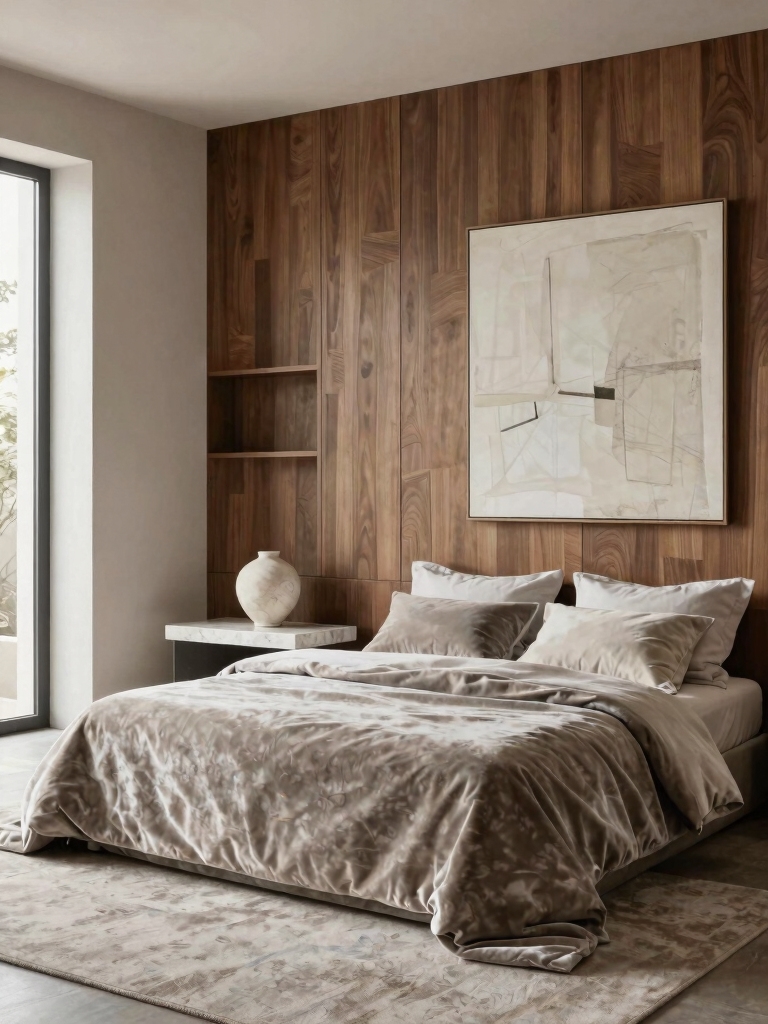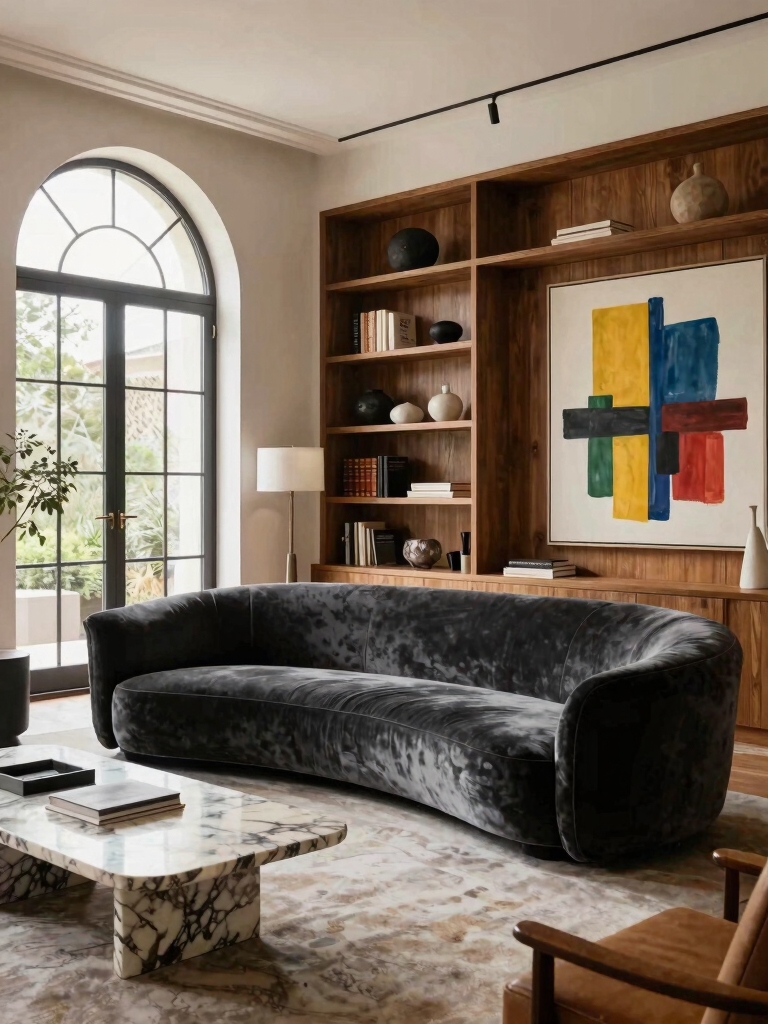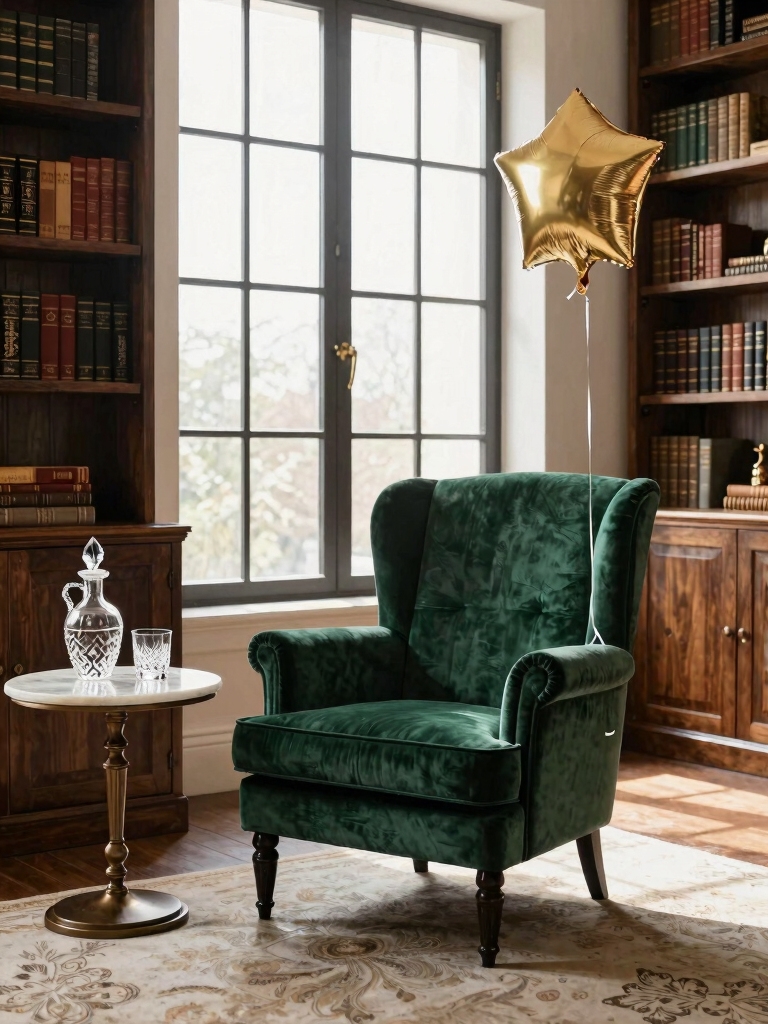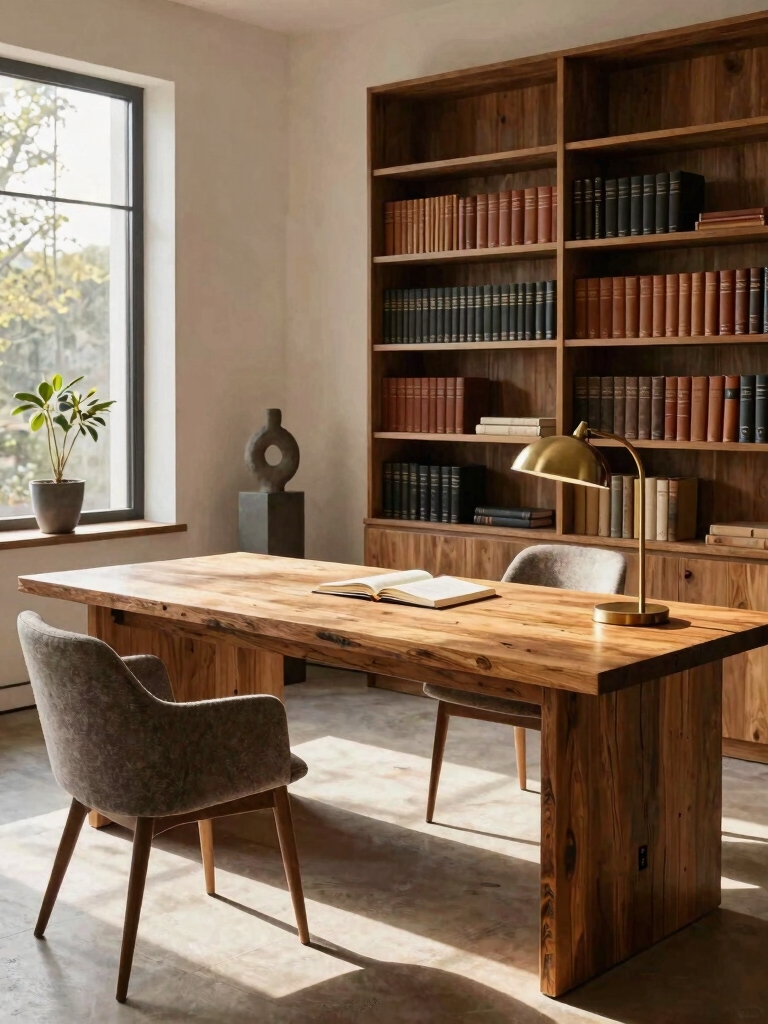
I start by building my space on a foundation of calm, neutral colors. I prioritize an ergonomic chair and desk for all-day support, then declutter with hidden storage like under-desk drawers. Layered, warm lighting avoids harsh glare, while a simple plant adds life. I keep a visual goal in sight and a textured stone nearby for quick mental breaks. This organized simplicity makes focus feel automatic, and there’s more to explore just ahead.
Start With a Foundation of Calm and Neutral Colors
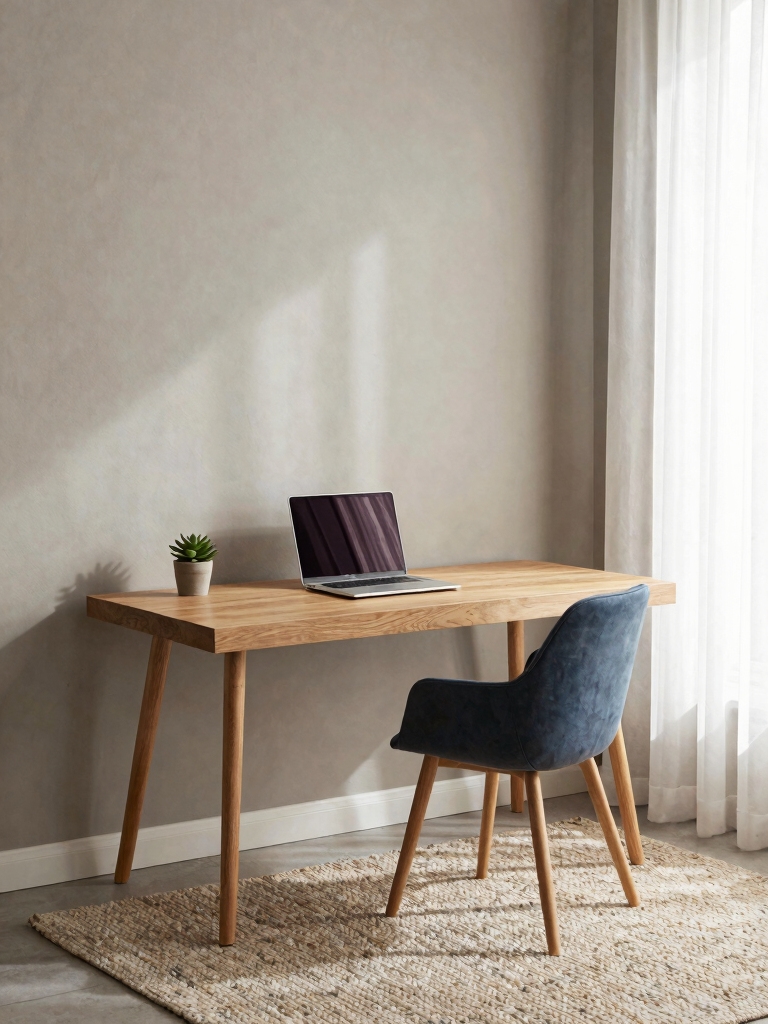
Begin by choosing colors like soft whites, gentle grays, or muted earth tones to establish a serene backdrop for your study space.
I find this neutral foundation quiets my mind, letting my focus land squarely on my work.
It’s a practical first step—these hues don’t compete for attention. They create a clean canvas, making the room feel organized and spacious from the moment I walk in.
Incorporating creative ideas for cozy rooms can also enhance the comfort and functionality of your study space.
Prioritize Ergonomic Furniture That Supports Your Body
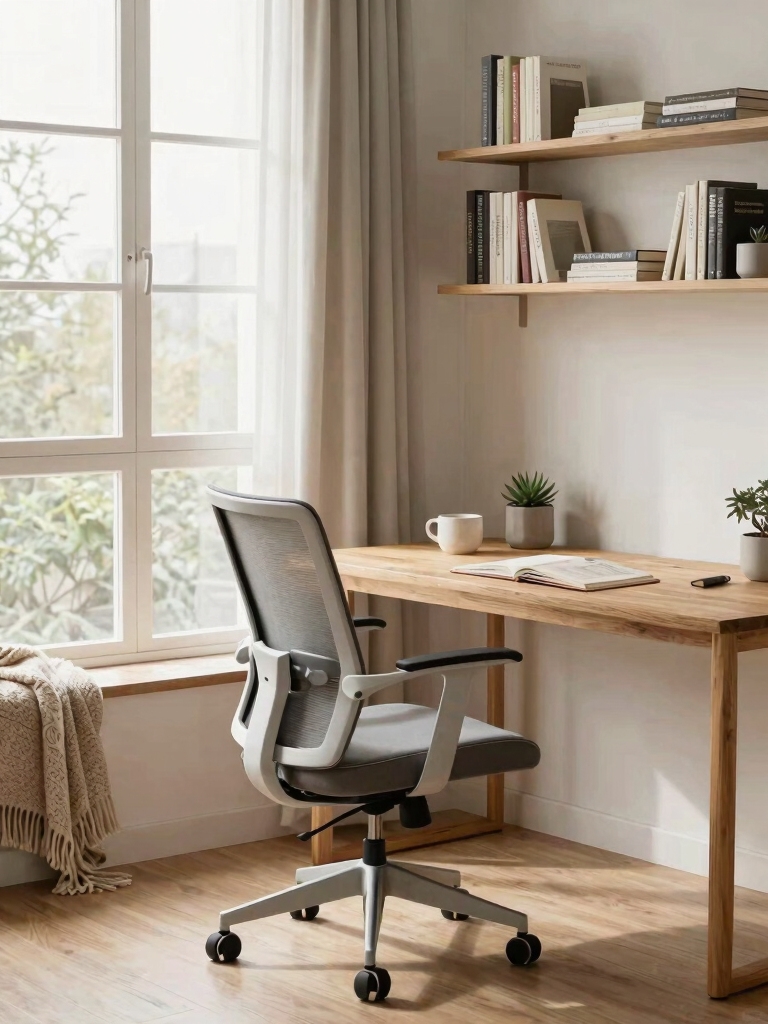
Once your backdrop is set, turning to furniture that supports your posture is a practical next step.
I invest in an adjustable chair for proper lumbar support. My desk height lets my forearms rest parallel to the floor.
This isn’t about luxury; it’s about maintaining energy and focus. Clean lines and functional form define my choices, eliminating physical strain so my mind can work freely.
In addition, incorporating stylish living room tips can create a cozy atmosphere that enhances concentration and comfort.
Declutter With Smart Storage and Hidden Organizers
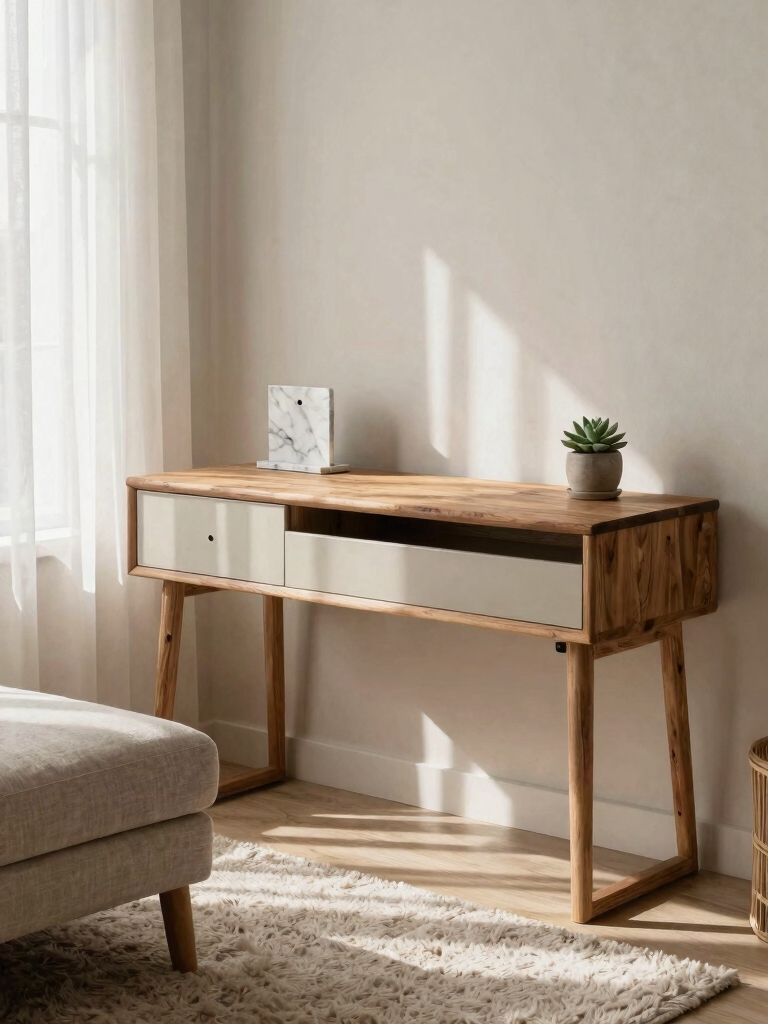
Because a clear space supports a clear mind, I tackle clutter with smart storage and hidden organizers.
I use under-desk drawers and wall-mounted shelves to keep surfaces empty. Baskets and boxes hide supplies but keep them accessible.
It’s about creative, practical solutions that contain the visual noise. This organized simplicity isn’t just tidy; it’s a functional foundation that lets my focus remain entirely on my work.
In a small study room, maximizing every inch with clutter-free setup strategies ensures that focus is effortless and distractions are minimized.
Define Specific Zones for Different Study Tasks
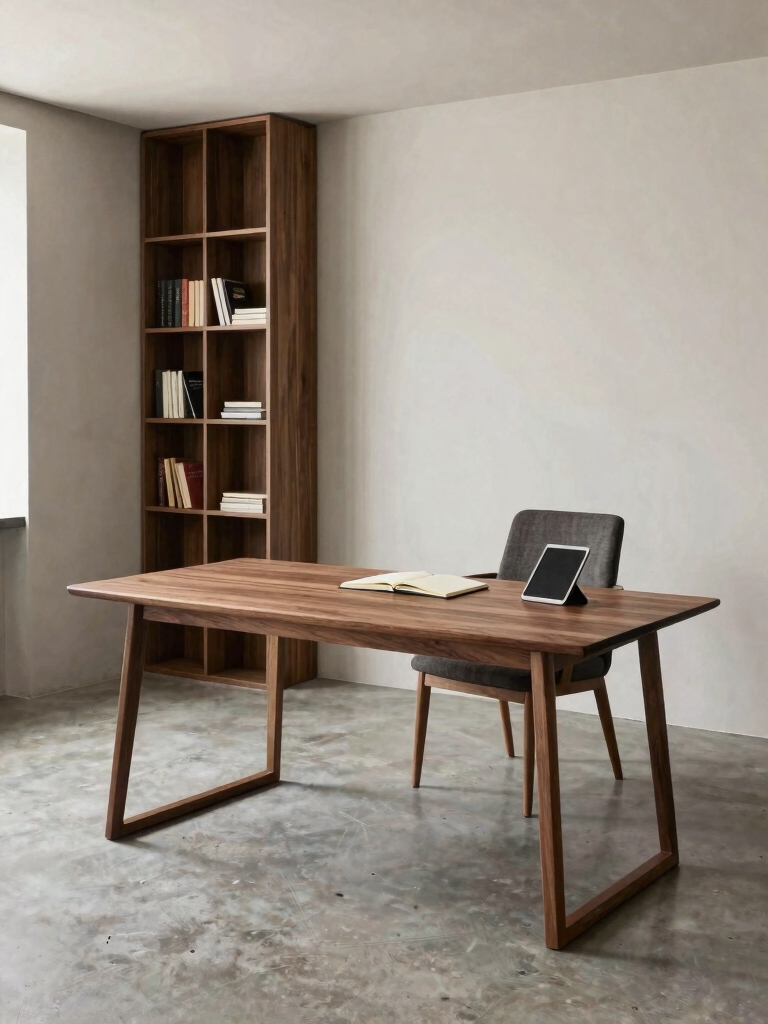
To guarantee my study space works as efficiently as I do, I divide it into specific zones for different tasks.
My clear desk is for deep focus. A separate, comfortable chair holds my reading materials. A small side table keeps my planner and supplies contained.
This organized separation creates mental clarity. I’m not searching for things; I’m moving purposefully between dedicated areas built for concentration, review, and planning.
Refreshing your space with room decor ideas can boost your motivation and create a more inviting study environment.
Illuminate Your Space With Layered, Focus-Friendly Lighting
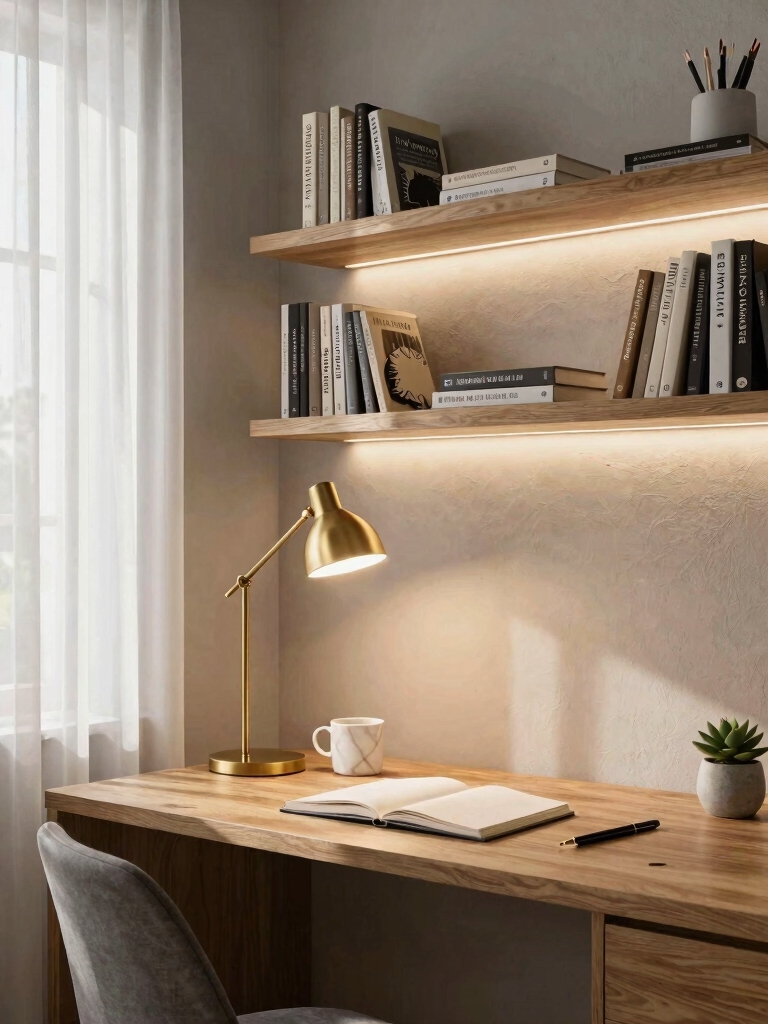
Having organized my tasks into zones, I now consider how light shapes each area’s function.
I layer ambient lighting for overall calm, then add a focused task lamp for my desk. A dimmable option lets me adjust intensity.
I avoid harsh overhead glare, preferring indirect, warm-toned bulbs. This practical layering creates visual clarity, reduces eye strain, and subtly directs my attention to where it needs to be.
In small apartment spaces, incorporating stylish living room decor tips can inspire multifunctional lighting solutions that maximize both aesthetics and functionality.
Minimize Digital Distractions With a Dedicated Tech Station
Just as layered lighting clears visual clutter, I manage digital noise by consolidating my devices into a single, intentional station.
This simple hub houses my chargers, laptop, and tablet. When I’m done, I power everything down.
It creates a clear physical boundary, so my desk remains a distraction-free zone for deep work.
This small, creative habit dramatically boosts my focus.
For apartment dwellers, incorporating small living room ideas can inspire efficient use of space in study areas as well.
Use Wall Space for Functional Vertical Planning Systems
Building on that physical organization, I move my planning off the desk and onto the wall.
I install a simple pegboard or a large whiteboard. This vertical system holds calendars, project notes, and inspiring images without clutter.
It transforms my wall into a clear, active mind map. I see my priorities at a glance, which keeps my workflow visual and my actual workspace completely clear for focused work.
Incorporating clever utility room solutions can inspire similar efficient organization methods in a study room to maintain a tidy, distraction-free environment.
Curate a Personal Library of Essential Reference Materials
Now that my priorities are mapped on the wall, I turn to curating the physical reference library that supports them.
I keep only essential texts within arm’s reach. Each book earns its shelf space by being genuinely useful.
I organize them by project frequency, not just topic, for intuitive access.
This deliberate collection removes digital clutter and creates a tangible, focused resource that directly fuels my work.
Incorporating simple decor ideas can transform the study room into an inviting space that enhances concentration and productivity through thoughtful design.
Control Sound With Quiet Materials or a Noise Machine
I find a quiet environment essential for deep focus.
Sound-absorbing materials like thick rugs or cork panels cut distractions at their source.
If that isn’t enough, I’ll use a white noise machine to create a consistent, neutral soundscape.
Sound-Absorbing Materials
Since a quiet study space depends on limiting disruptive noise, let’s focus on sound-absorbing materials and tools.
I start with a thick rug and dense curtains.
Then, I add felt wall panels or a canvas art piece; both absorb echoes beautifully.
A tall bookshelf filled with books also breaks up sound waves.
These simple, tactile additions create a noticeably quieter, more focused environment.
White Noise Machines
While tactile materials absorb disruptive noise, I also use a white noise machine to control sound. It creates a consistent auditory backdrop, masking unpredictable distractions. I choose one that aligns with a minimalist aesthetic.
- Select neutral, compact designs.
- Opt for adjustable volume and tone.
- Prefer non-looping, natural soundscapes.
- Place it centrally for even coverage.
This practical tool sustains my focus effortlessly.
Introduce One Inspiring Visual Anchor to Spark Motivation
I find my focus sharpens when I define a single, core goal for my study period.
I then select a clean, powerful image or object that represents it—my visual mantra. I arrange this anchor in my direct line of sight, so its daily impact is immediate and undeniable.
Incorporating aesthetic room inspirations can elevate this effect, creating an environment that naturally fosters concentration and motivation.
Define Your Core Goal
Your study space begins with one clear, motivating image—a vision board, a framed quote, or a goal-oriented map. I define my core goal first, making that anchor meaningful. This single focal point directs my energy and cuts through visual noise.
- Pinpoint your primary objective.
- Choose an image that embodies it.
- Place it directly in your sightline.
- Let it remind you *why* you begin.
Select A Visual Mantra
With that core goal defined, a single visual anchor can now focus its energy. I choose one image for my study wall—a mountain summit, a circuit diagram, a single powerful word.
Its purpose isn’t decoration; it’s a direct line back to my “why.” Every glance reignites my intent. I select for meaning over clutter.
This isn’t about art; it’s a practical tool I create for immediate mental reset.
Arrange For Daily Impact
While selecting my visual mantra defined my study’s purpose, strategically placing that anchor confirms it becomes a daily catalyst.
I position it within my immediate sightline. This placement guarantees a constant, silent spark for motivation.
- Place it directly above your desk.
- Confirm it’s at your eye level.
- Keep the surrounding area clear.
- Let it be the first thing you see.
Bring in Natural Elements With Plants or Wood
If you’re looking to soften a study space and improve focus, introducing natural materials can make a significant impact.
I keep my desk clear by opting for a single, simple wooden shelf. I place a small, low-maintenance plant like a succulent there. Its presence adds a living element without clutter.
This touch of nature grounds me, making the sterile environment feel more calm and connected.
Incorporating elements that create a cozy aesthetic can enhance comfort and promote concentration, making your study room a place you’ll truly enjoy spending time in. This is often achieved through aesthetic cozy room ideas such as natural textures and soft lighting.
Add Subtle Scent-Based Cues to Trigger Focus Mode
Moving from the visual calm of plants and wood, I consider how scent can also shape a study session. A subtle, chosen fragrance becomes a cue for my brain to engage. I use it with intention.
- Choose one scent for focused work only.
- Apply it sparingly via a diffuser or natural source.
- Pick a clear, fresh aroma like peppermint or lemon.
- Use it consistently to build the association.
Add a Fidget Toy or Textured Surface for Mental Breaks
Just as scent cues can direct focus, tactile objects can intentionally redirect it.
I keep a single, simple fidget toy on my desk. A small, smooth stone or textured fabric square also works. When my mind needs a brief reset, I reach for it.
This discrete, sensory action creates a mental pause. It refreshes my focus without cluttering my space or breaking my workflow.
Maintain Flexibility for Easy Adaptation and Future Changes
Because I value adaptability, I keep my study decor simple and modular. This lets me rearrange for new projects or moods without a major overhaul.
I focus on versatile pieces that serve multiple functions.
- Use freestanding shelves instead of built-ins.
- Choose neutral containers for supplies.
- Opt for a lightweight, movable desk.
- Hang art with removable adhesive strips.
Conclusion
I’ve found that transforming my space transforms my mind. One study shows good lighting alone can increase productivity by over 20%. So, I keep my approach minimalist: organized zones, ergonomic support, and layered light. It’s practical creativity, not just decoration. This simple system makes focusing effortless, letting my mind work in a space that already does.