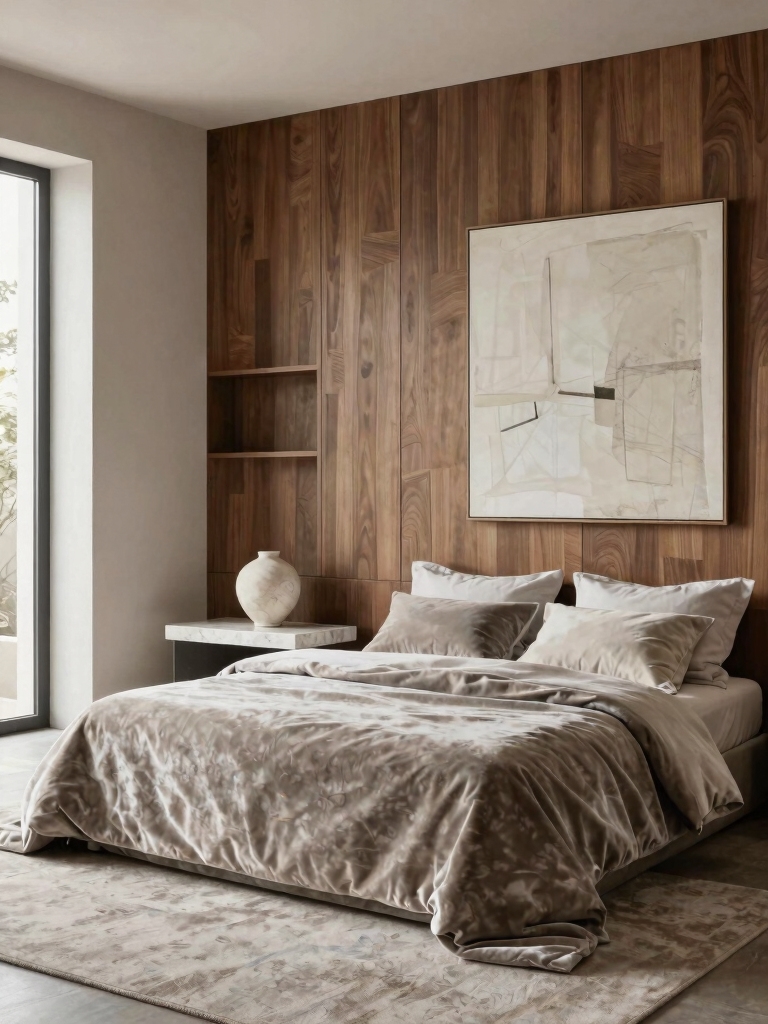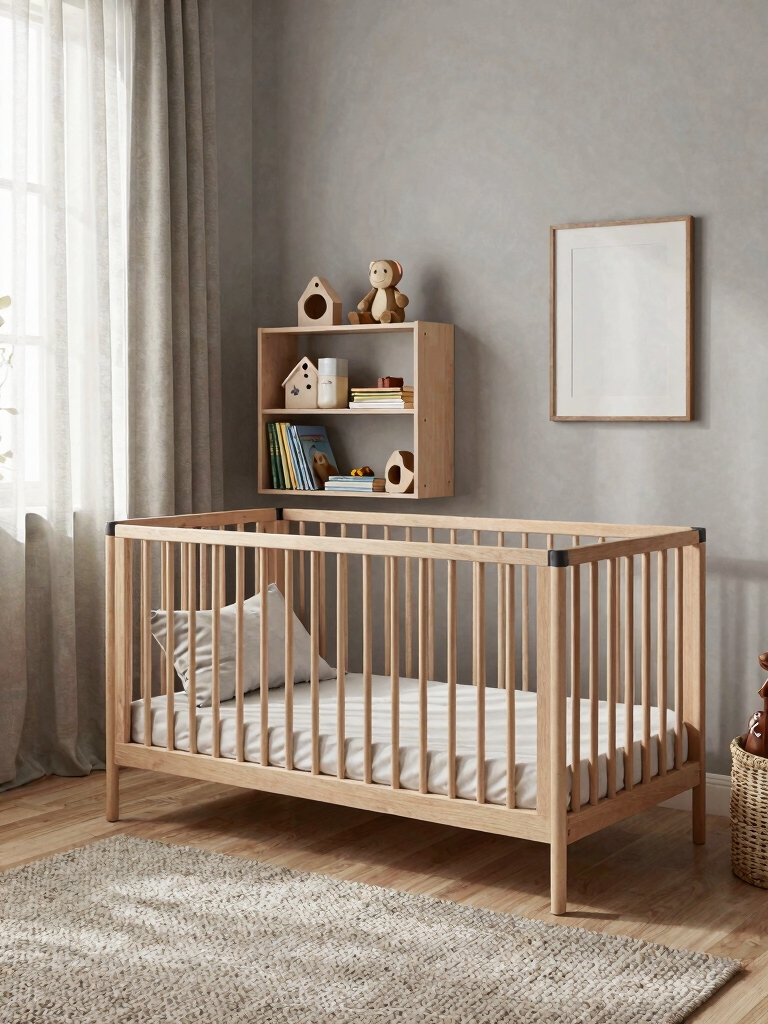
I’ll start with a neutral color palette for the walls; it creates a calm backdrop I can layer with personality. I’m choosing a convertible crib and timeless dresser to grow with my child. Modular storage and versatile workspaces adapt as needs change. I’ll zone the room for sleep, study, and play with layered lighting. These smart, sustainable choices save money and reduce waste over the years. I’ve got plenty more ideas that keep things fresh.
Start With a Neutral Color Palette as Your Foundation
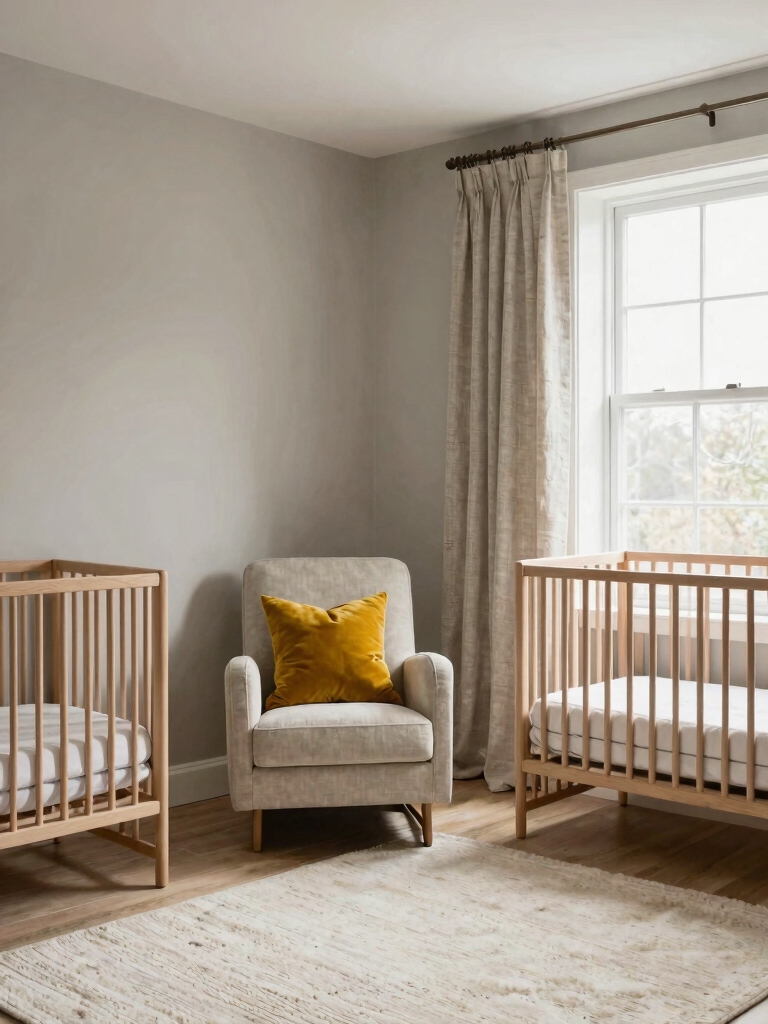
While it’s tempting to pick bold primary colors, I recommend beginning with a neutral foundation for walls and large furniture.
I’ve found it creates a calm backdrop that adapts as my child’s interests change. I use low-VOC paints for better air quality.
We layer in personality with easily swapped accessories like art, bedding, and rugs.
It’s a sustainable approach that reduces waste and keeps the room feeling fresh.
In addition, incorporating decor tips for a bigger feel can make the space feel more open and comfortable as your child grows.
Choose a Convertible Crib That Grows Into a Toddler Bed
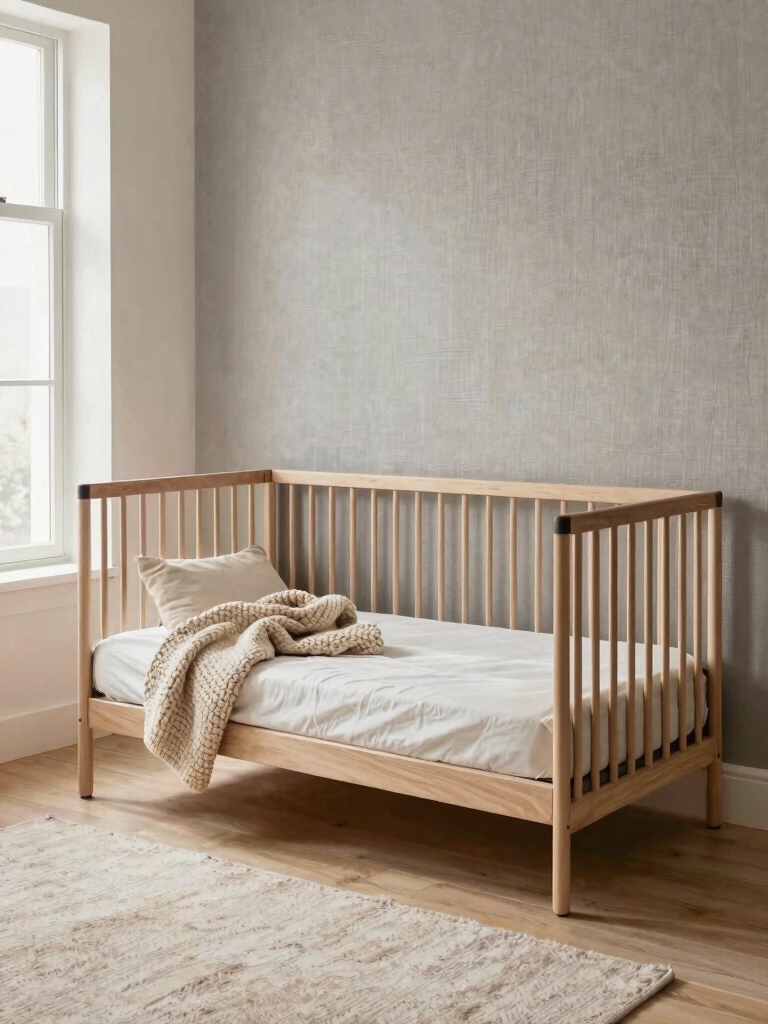
I’m always looking for smart furniture that lasts, so I love a convertible crib. It’s a long-term design investment that shifts from crib to toddler bedframe. This saves me money and reduces waste, keeping my kid’s room functional for years. Choosing timeless pieces like a convertible crib ensures your baby’s room adapts through every stage of growth, making it a practical and stylish choice for every stage.
From Crib To Bedframe
Choosing a convertible crib is a practical and eco-conscious step for your child’s nursery because it grows alongside them.
I look for one that converts into a toddler bed with a simple conversion kit, eliminating the need to buy a separate bedframe. This saves money, reduces waste, and provides my child with a familiar, comfortable space as they make this exciting big-kid change.
Long-Term Design Investment
A convertible crib makes the shift from nursery to big-kid room easier for everyone. I consider it a smart long-term investment.
You’ll buy one sturdy piece instead of two, saving money and reducing waste. Its adaptability means my child’s safe, familiar bed simply transforms as they grow.
This practical choice supports their development and our planet, letting us focus funds on other evolving needs in their space.
Invest in a Full-Size or Adjustable Bed From Day One
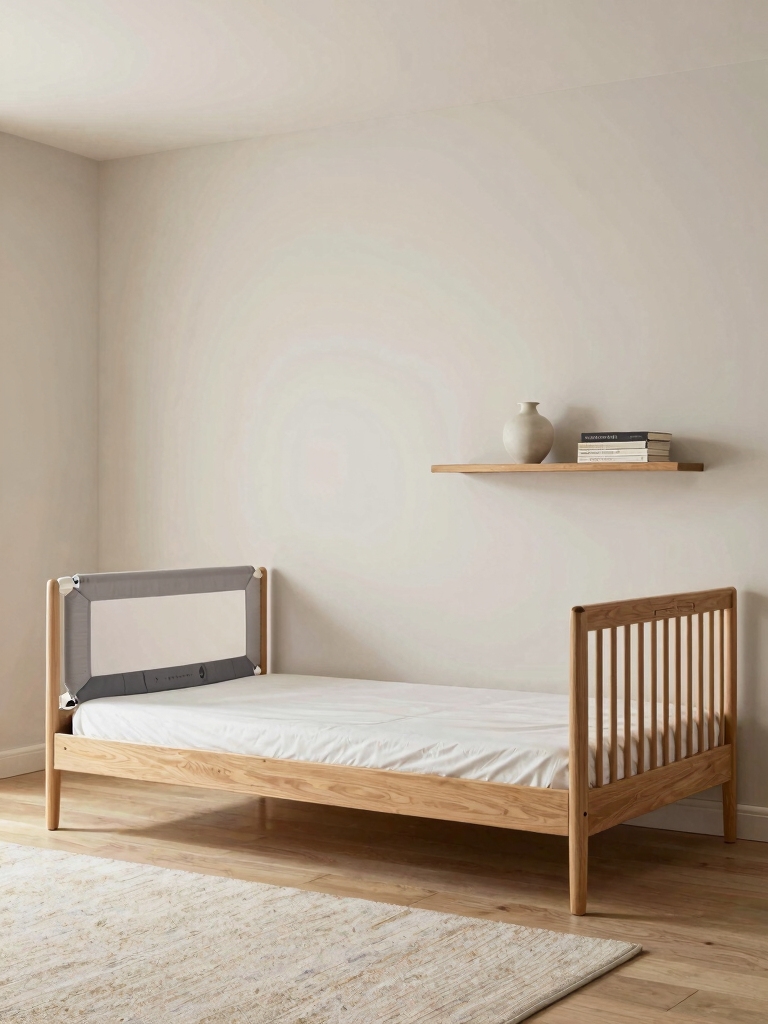
Since your child will need a bed for years to come, you can save resources by investing in a full-size or adjustable bed from the start.
I find a twin or full-size frame eliminates the crib-to-toddler-bed shift. An adjustable model grows with them.
It’s a practical, eco-friendly choice that reduces waste and future purchases. Your child gains a cozy, permanent spot, and you avoid the hassle of replacing it soon.
Additionally, incorporating small living room ideas can help optimize space in your child’s room as they grow.
Pick a Timeless Dresser That Lasts for Years
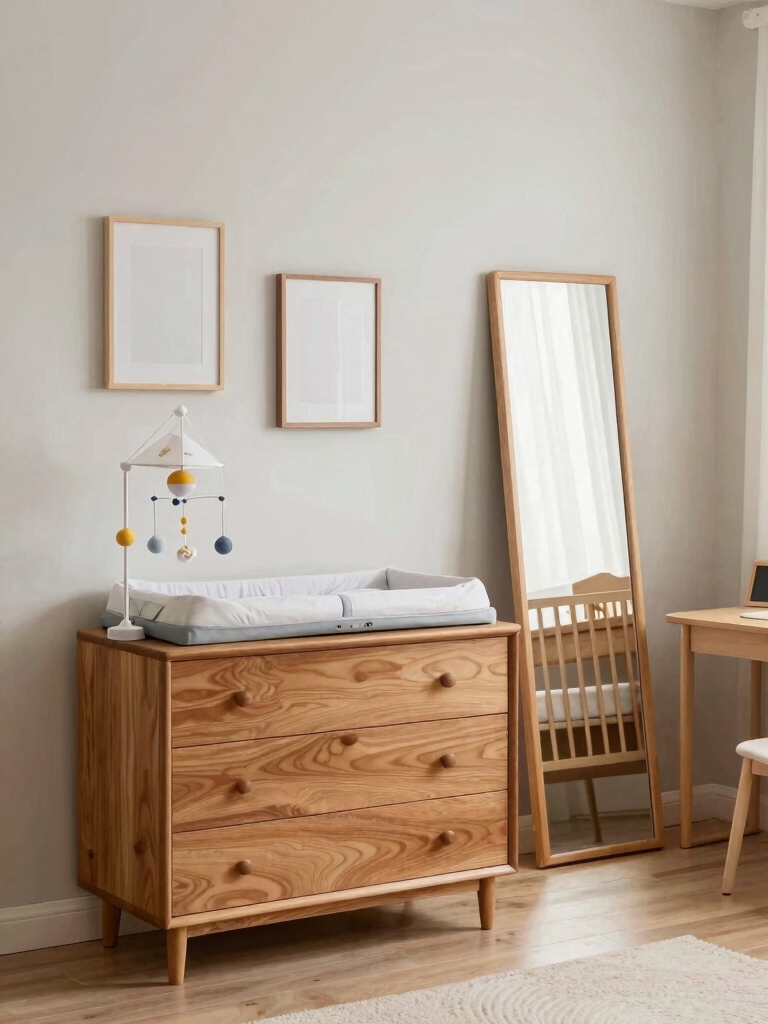
Just like a lasting bed, a dresser that serves your child for many years makes good sense.
I choose one with solid construction and a classic design that won’t look dated as they grow. It’s a practical and eco-conscious choice that reduces waste.
I focus on features that work for a kid now and a teen later.
- Quality materials withstand rough toddler years and teen reorganizations.
- Simple style shifts seamlessly from nursery to college-prep room.
- Secure hardware like soft-close drawers prevents childhood mishaps.
Incorporating creative room ideas can help you transform the space without overspending.
Opt for Modular Storage Systems That Expand
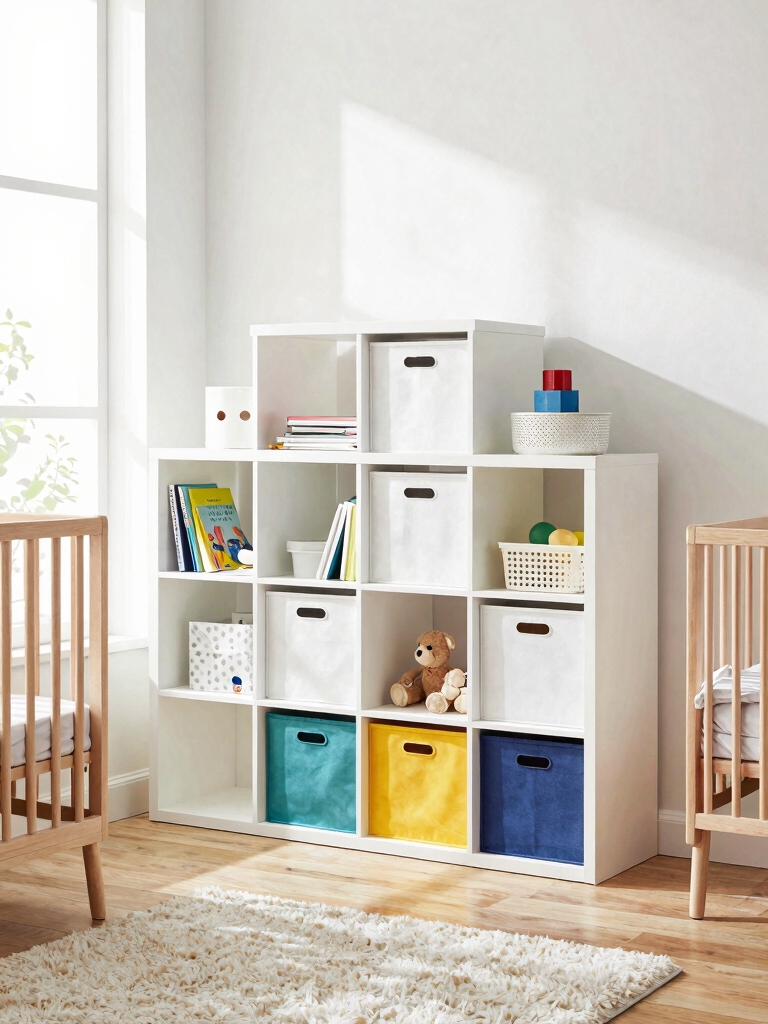
For my next kid-focused and eco-conscious choice, I’m opting for modular storage systems that can grow right alongside my child.
I can start with a few cubes for toddler toys, then add more units or stack them higher as their books and collections expand.
This adaptable approach prevents waste, saving me from buying entirely new furniture every few years as their storage needs evolve.
Incorporating decor tips that maximize space can also elevate the entire room’s functionality and style.
Use Adjustable Shelving to Adapt to Their Needs
To make the most of our wall space, I’m installing adjustable shelving that I can easily reconfigure as my child grows.
It’s a long-lasting, waste-reducing solution that keeps their favorite items accessible. The shelves adapt for every stage.
- Low displays for toddler board books transform into higher galleries for school trophies.
- Changing shelf heights prevents a future landfill trip.
- It hands control over their space to my kid.
Incorporating clever space-saving solutions ensures small rooms stay organized and functional as needs change.
Incorporate Baskets and Bins for Ageless Toy Storage
Since our adjustable shelving solves display needs, I’m using versatile baskets and bins to tackle toy storage that lasts from toddlerhood to the teen years.
I choose durable, natural fiber options that withstand years of use. Their simple, neutral look blends with any decor shift.
For my kid, they make cleanup easy and toys accessible. This flexible system reduces waste, as the same containers organize everything from blocks to books.
Maximizing storage with creative solutions helps make even the smallest spaces feel cozy and functional, an essential principle in tiny room ideas that live large.
Select a Versatile Desk for Every Age Stage
A single adaptable desk can serve your child from their first scribbles through late-night study sessions.
I look for a sturdy, simple frame that’s easy to repaint or adjust. Its longevity is the ultimate eco-win.
- Toddler: A wide surface for coloring and play.
- Student: A dedicated zone for homework and projects.
- Teen: A personalized command center for creativity and study.
It’s one purchase that truly evolves with them. Choosing a desk that encourages organization can help create a tidy space your teen will actually keep clean.
Install a Wall-Mounted Desk to Save Floor Space
I’ve found a wall-mounted desk is a fantastic way to save my child’s precious floor space for play.
By choosing an adjustable model, I make sure it’ll fit their needs as they grow, which reduces waste.
It’s a smart, simple solution that keeps their room organized and their imagination free.
Creating a space that balances both playful dreams and cozy rest can inspire creativity and comfort in their daily routine.
Wall-Mounted Space Saving
One fantastic way to maximize your child’s play area is to install a wall-mounted desk. It’s a smart, space-saving anchor for creativity that keeps the floor clear for play.
- It reduces the need for new, bulky furniture, which is a win for our planet.
- The clean floor space encourages active, imaginative play.
- It teaches my kid that great things can happen when we think vertically and keep our space organized.
Selecting Adjustable Furniture
Installing a wall-mounted desk lets us select adjustable furniture that literally grows with our child.
I love that it saves floor space for play, while its height adjusts for years.
It’s a smart, eco-friendly choice—we buy one sturdy piece instead of several.
This creates a dedicated, evolving spot for homework and creativity, perfectly tailored to their needs as they change.
Choose an Activity Table With Multiple Uses
Since you’re looking for kid-friendly furniture that saves money and space, choosing an activity table with multiple uses is a practical strategy.
I’d pick one that adapts as my child grows, reducing waste and clutter.
Look for these durable features:
- A reversible top for both play and homework.
- Built-in storage for art supplies and books.
- An adjustable height to keep pace with their growth spurts.
Incorporating smart solutions can maximize functionality in small spaces while keeping the room organized.
Create an Evolving Reading Nook
If I’m designing a reading corner that’ll grow with my child, I’d start with a simple floor cushion rather than a permanent chair, adding kid-sized shelving for books they can reach themselves.
I’ll mount a clip-on lamp that adjusts as they grow. For longevity, I’ll choose a durable, washable cushion cover and use wooden crates for shelving that can be repurposed later.
Add Flexible Seating Like Poufs and Bean Bags
Your reading nook’s foundation gets even better with flexible seating, like poufs and bean bags, because I know my kid’s needs will shift.
Lightweight and durable, they can be easily moved for solo reading or piled up for play dates. I look for options that are:
- Adjustable: They support lounging, sitting, or even a soft backrest.
- Sustainable: Covers made from washable, recycled materials are my go-to.
- Inviting: Casual shapes encourage my child to immerse themselves in their books anytime.
Layer Dimmable and Task Lighting
I recommend starting with a dimmable overhead light for adaptable ambient lighting.
Then, I add safe and focused illumination with a clip-on LED reading lamp.
Using these layers lets us shift easily between mood and function, like playtime and bedtime.
Adaptable Ambient Lighting
While we design a space that grows with them, let’s layer lighting to create adaptable ambiance.
I choose dimmable overhead LEDs for general light that adjusts from playtime to calm bedtime. I add a plug-in pendant or floor lamp for focused tasks. This flexible system saves energy and easily updates as my child’s needs change.
- Dimmable LEDs save energy and set the perfect mood.
- Plug-in fixtures offer easy, wire-free updates for new layouts.
- Layered control lets a room transform from play zone to cozy nest.
Safe And Focused Illumination
Because children’s activities demand both safety and concentration, I layer focused task lighting with the existing dimmable ambient system.
For reading or homework, I place an energy-efficient LED desk lamp that casts a bright, glare-free circle. It prevents eye strain and uses minimal power.
A secure, clip-on book light offers portable, cord-free illumination for cozy bedtime stories, ensuring every task has its own safe and clear spotlight.
Mood And Function Transitions
To smoothly shift a room’s atmosphere from energetic play to quiet rest, I layer dimmable ambient lighting with specific task lights.
Using smart bulbs and LED strips conserves energy while giving me control. This approach directly supports my child’s changing needs throughout the day.
- A dimmable ceiling fixture sets the overall, adjustable mood.
- A focused desk lamp protects their eyes during homework or crafts.
- A gentle nightlight provides comfort and safe navigation after dark.
Use Removable Wall Decals for Easy Updates
When I want to freshen up my child’s space without a big project, removable wall decals are my go-to solution. They’re a cinch to apply and swap out as their interests evolve.
I look for non-toxic, PVC-free options from sustainable brands. My kid loves choosing new themes, and I appreciate avoiding paint waste.
It’s a win-win for quick, personality-filled updates that don’t harm our planet.
Frame Artwork to Grow With Their Style
While I adore my child’s original drawings, framing them lets me preserve their creativity in a way that adapts over time.
I use simple, neutral frames that work with any future color scheme. Swapping the art inside is easy and waste-free as their tastes evolve.
- Honors their voice by displaying their personal creations.
- Reduces waste compared to buying new decor.
- Builds confidence as they see their work valued.
Choose Swap-Friendly Themes for Easy Updates
Because I want a room that can change as quickly as my child’s interests, I focus on swap-friendly themes that are easy to update.
I pick a broad base like “under the sea” or “outer space.”
Then, I use themed bedding, removable wall decals, and a few key accessories.
When passions shift, I just swap those items without a major overhaul, which saves money and keeps things fresh.
Pick a Rug That Works for Play and Study
Since a rug anchors both the look and function of the room, I select one that’s durable for playtime and comfortable for study. My focus is on versatile, non-toxic materials that support years of activity.
- Durability: I choose low-pile wool or recycled PET for easy cleaning and resilience.
- Comfort: A cushioned underpad makes floor play and study sessions cozy.
- Design: A simple pattern or color hides stains and adapts to new themes.
Install Classic Blackout Curtains That Adapt
I’m a big fan of classic blackout curtains because they give you amazing light control for better sleep.
I look for durable, adaptable designs made from safe, sustainable fabrics that can grow with my child.
This choice creates a cozy, dark space for naptime and easily shifts to a bright play area during the day.
Light Control And Sleep
Installing classic blackout curtains gives you an immediate solution for light control in your child’s room, directly supporting healthier sleep.
I find they create a perfect dark sanctuary for naps and early bedtimes during summer.
For me, choosing them means:
- Prioritizing rest over screen glare or streetlights.
- Selecting sustainable fabrics that are safe for my kid and the planet.
- Teaching the value of a calm, dark space for winding down.
Adaptable Design And Durability
When you’re picking out blackout curtains, I also look for a design that’ll last and adapt as my child grows.
I choose a classic, neutral style over a loud character print that they’ll outgrow quickly.
I seek durable, quality fabrics that withstand washing and play.
It’s a practical, eco-friendly choice that saves money and resources, ensuring these curtains remain a functional part of their room for years to come.
Zone the Room for Play, Sleep, and Study Areas
First, you’ll need a plan to carve your space into three dedicated zones for play, sleep, and study.
I think of this as a gift to my kid’s focus and creativity. I’m zoning my child’s room, starting with their most active hours and looking for multipurpose pieces to save resources.
- Sleep Zone: A calm, dark corner for restful growth.
- Study Zone: A well-lit, organized spot for focus.
- Play Zone: A durable, open floor space for creativity.
Conclusion
So, my grand plan for a lifelong room is… a few key pieces that change roles. The crib becomes a bed, the toy chest holds textbooks, and the play rug anchors a study desk. It’s my small, ironic victory against waste: planning for my child’s future by ensuring nothing here actually gets to have one. Each piece just sheds its old skin and grows a new purpose.