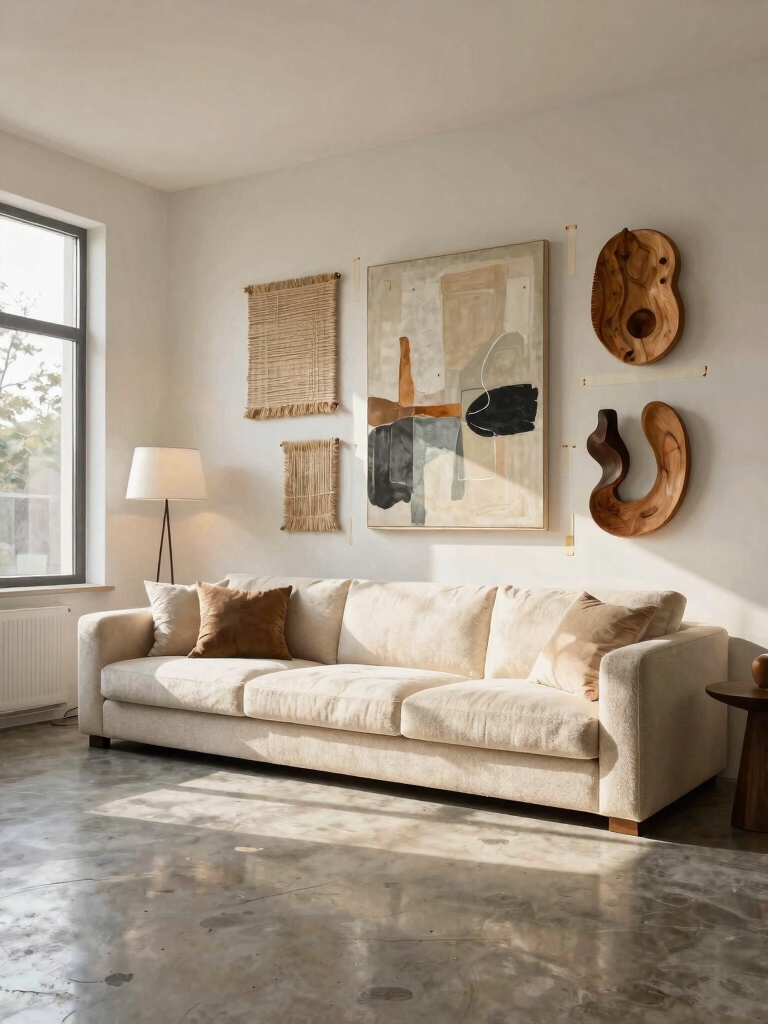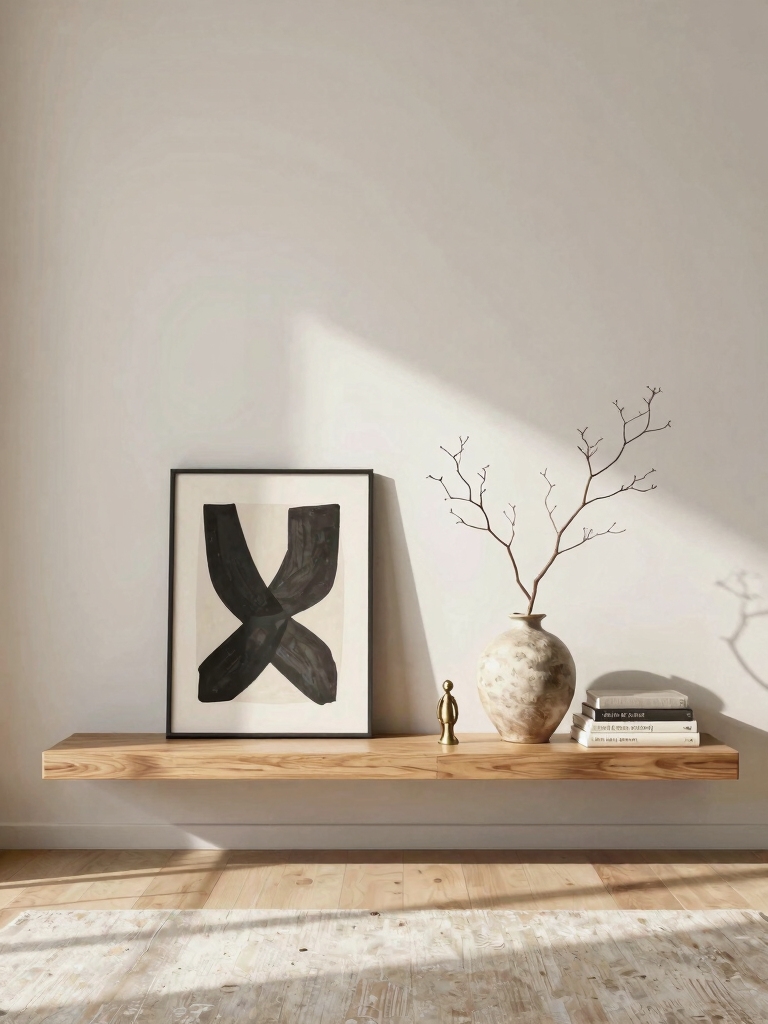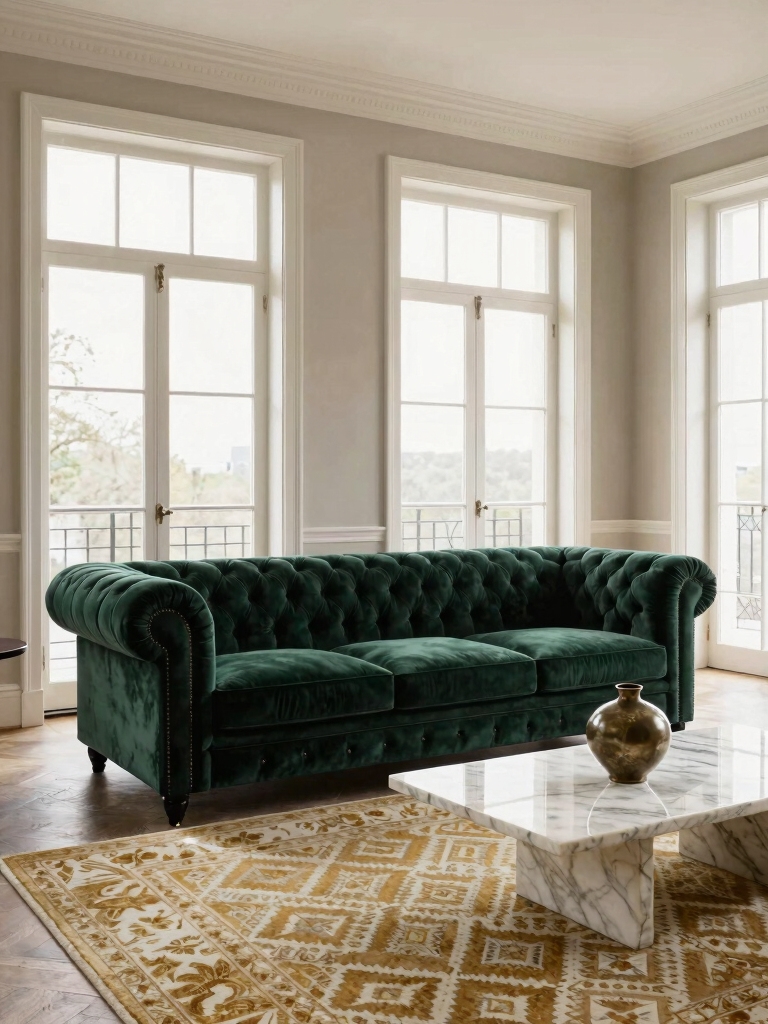
I start by modernizing classic furniture, like a roll-arm sofa in a fresh linen. I revive rich burgundy or olive green walls, then layer in chunky wool throws. I mix antique art with modern pieces on my walls and swap a heavy mantel for a sleek limestone slab. Choosing a geometric rug adds a dynamic focal point. These thoughtful updates create a timeless yet current space, and I’ve found even more ways to blend the eras seamlessly.
Start With Modernized Traditional Furniture
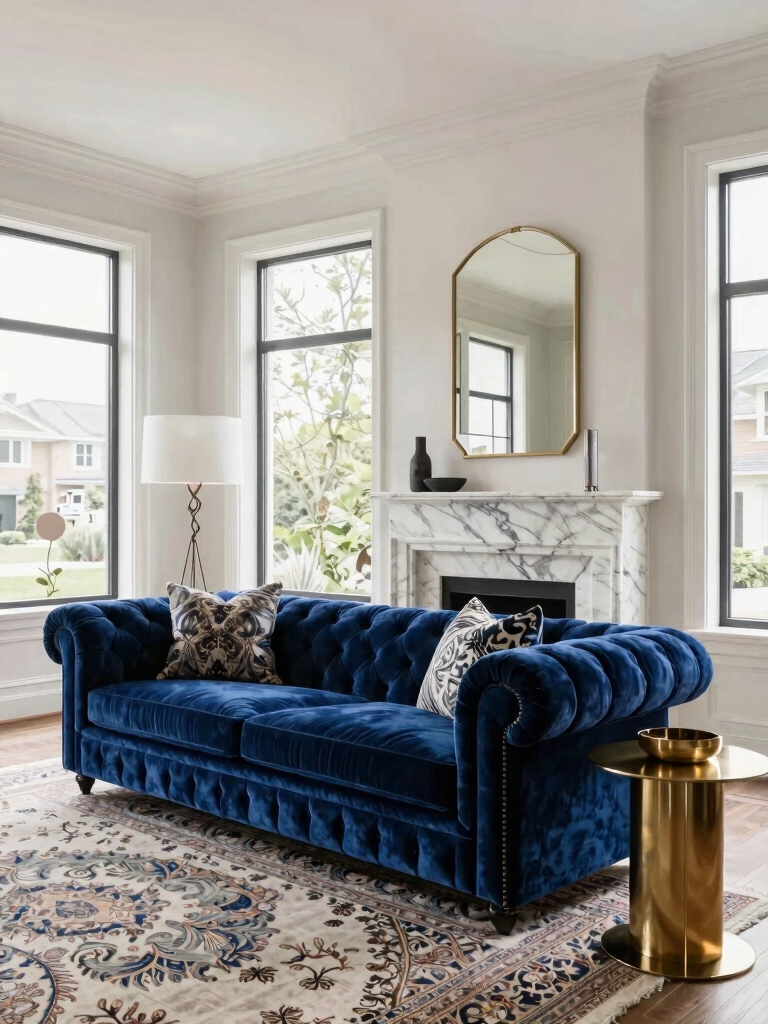
While you might think “traditional” means stuffy or dated, I find the key is to start with modernized traditional furniture.
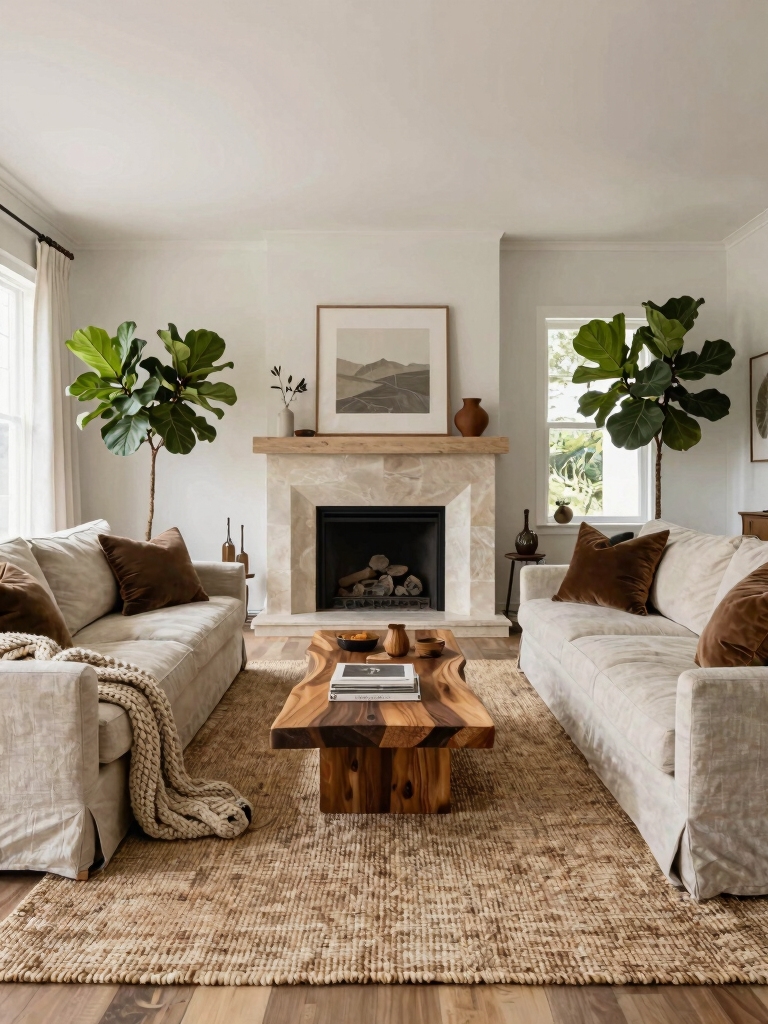
I’ll choose a classic roll-arm sofa but in a clean-lined silhouette. I’m pairing it with a streamlined wingback chair instead of a bulky one.
This maintains the comfort and recognizable forms I love while ensuring the room feels current and uncluttered from the very foundation.
You can enhance this look further by incorporating budget-friendly decor ideas that make your living room feel high-end without overspending.
Refresh Classic Color Palettes for Today
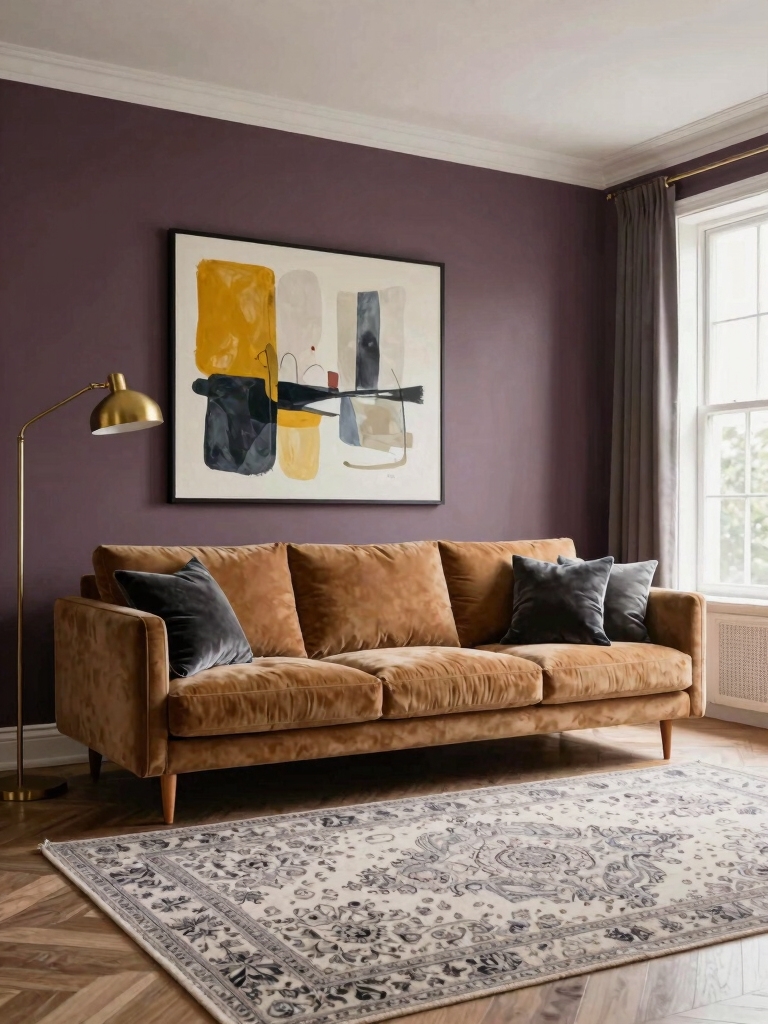
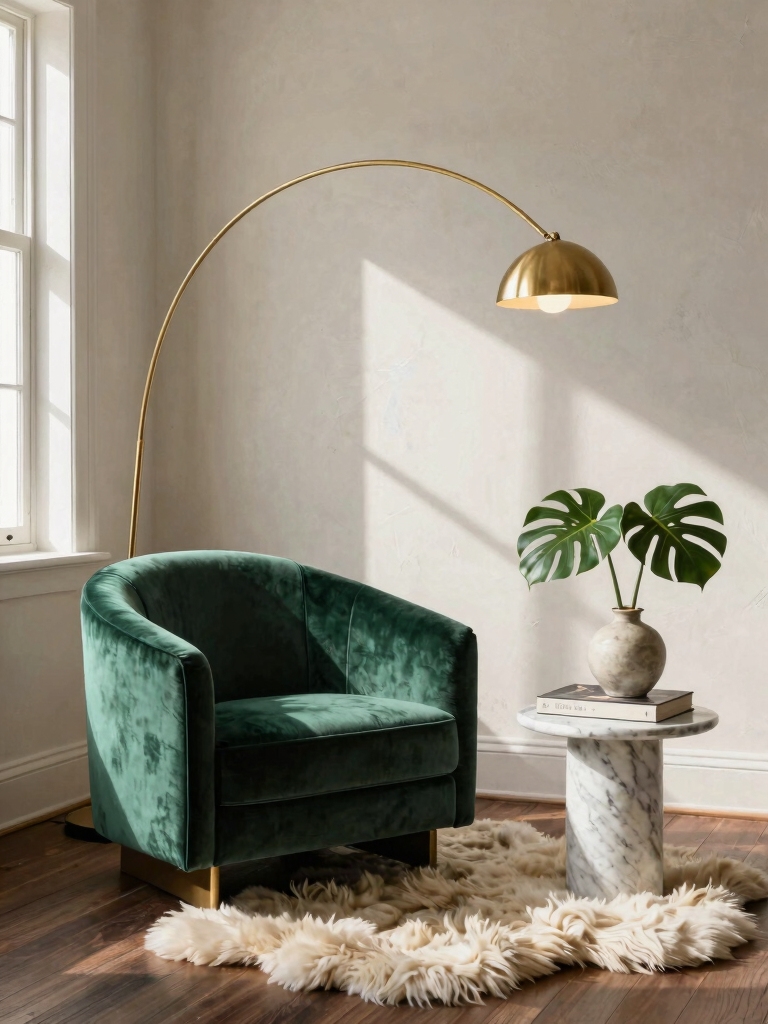
I’m thinking about reviving tried-and-true hues like rich burgundy or olive green, which feel classic yet fresh.
While neutral foundations like beige and gray are safe, I want to explore beyond them for a more personal space.
Let’s consider how these deeper colors can create a warm, modernized traditional look.
Incorporating budget-friendly decor elements can enhance the space without compromising style, making it easier to achieve a polished look on any budget with affordable decorating ideas.
Reviving Tried-And-True Hues
Though classic colors can seem dated, they hold incredible potential for a fresh and timeless space.
I love taking a jewel-toned emerald or a rich burgundy and pairing it with crisp white trim and matte black accents. This modernizes the palette instantly.
Consider a deep navy as a sophisticated neutral instead of gray—it feels both traditional and current, especially when you layer in natural textures like wood and linen.
Beyond Beige And Gray
Since classic neutrals deserve more depth, let’s look beyond beige and gray to refresh our palettes.
I’m loving sophisticated taupes and deep, muddy greens as my foundational colors. They ground the space with quiet richness, letting my patterned fabrics and wood tones truly shine.
For a crisp accent, I’ll add a warm, chalky white to the trim. This layered approach feels both timeless and distinctly current.
Layer Clean-Lined Textiles in Natural Fabrics
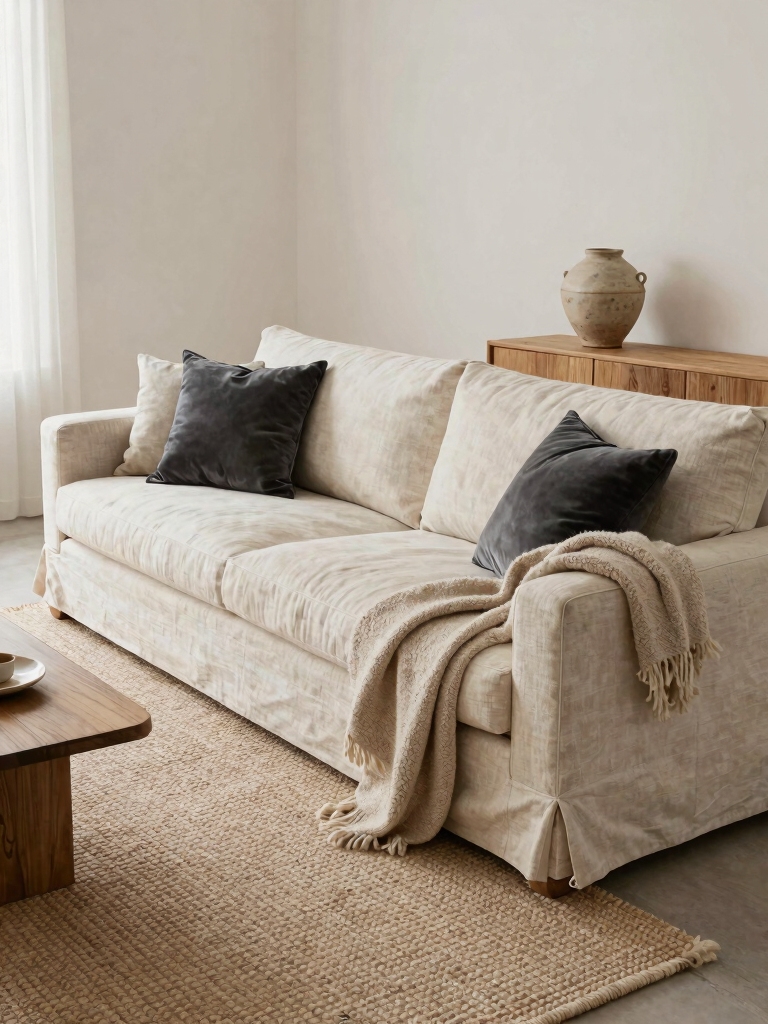
I find mixing texture and scale in neutral palettes creates a rich, welcoming foundation.
Let’s prioritize organic material sources, like linen and wool, for these layered textiles.
I’ll show you how their clean-lined structure brings serenity to the space.
Adding soft lighting and cozy accents can enhance the warmth of your living room for a truly inviting atmosphere with cozy home decor ideas.
Mix Texture And Scale
You can elevate a simple sofa by layering clean-lined textiles in natural fabrics, as contrasting textures and scales add depth without clutter.
I’ll start with a sleek linen slipcover, then add a chunky wool throw.
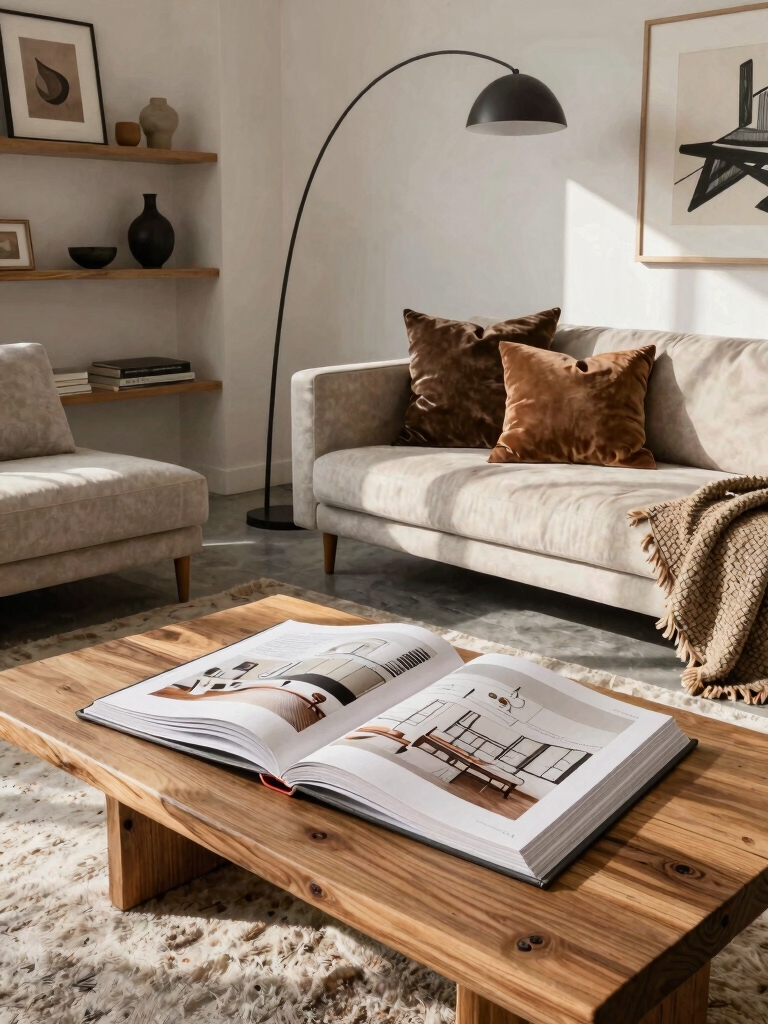
Finally, a plush velvet cushion in a larger scale breaks the monotony.
This mix feels curated, not chaotic, giving a classic foundation a tactile, modern richness.
It’s all about intentional layering.
Choose Neutral Color Palettes
Now, building on that foundation of texture, those same clean-lined textiles allow a neutral palette to really sing.
I always begin with a cream or oatmeal linen for my sofa, then layer in wool or cotton throws and pillows in shades of taupe, charcoal, and ivory.
This approach creates a serene, sophisticated base where the quality of each material becomes the star of the room.
Prioritize Organic Material Sources
After establishing a neutral base, I consciously select textiles made from organic linen, cotton, or wool to enhance both the room’s comfort and its sustainability.
I find their inherent texture adds wonderful depth. I’ll layer a durable wool rug, crisp linen curtains, and plush cotton throw pillows.
This deliberate mix feels grounded and modern, connecting the traditional aesthetic to a cleaner, more environmentally thoughtful approach without sacrificing any warmth.
Mix Antique and Modern Art on Your Walls
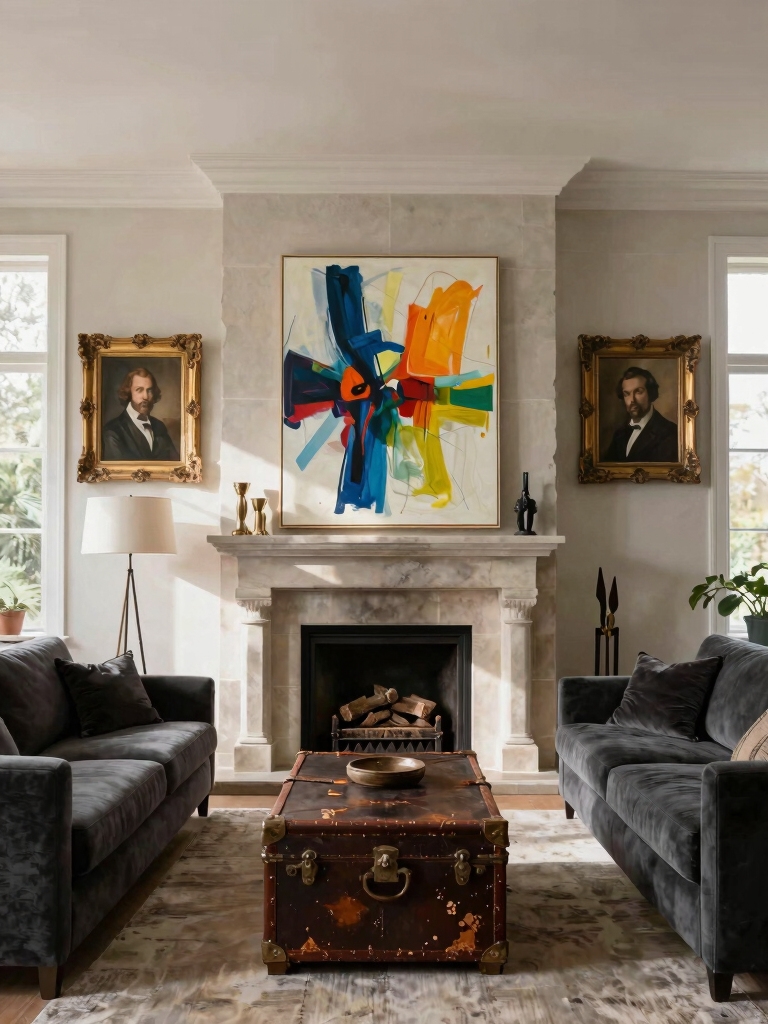
While blending antique and modern art might seem contradictory, I’ve found it creates a dynamic focal point that adds depth and personality to a room.
I’ll hang a sleek, abstract canvas beside an ornate, gilded frame. The key is unifying them through color or theme, like pairing a muted landscape with a bold contemporary piece that picks up its softer hues.
This deliberate contrast feels curated, not chaotic.
To achieve balance, consider sized wall art that complements the scale of your living room walls, ensuring each piece enhances the space without overwhelming it.
Update Architectural Details Subtly
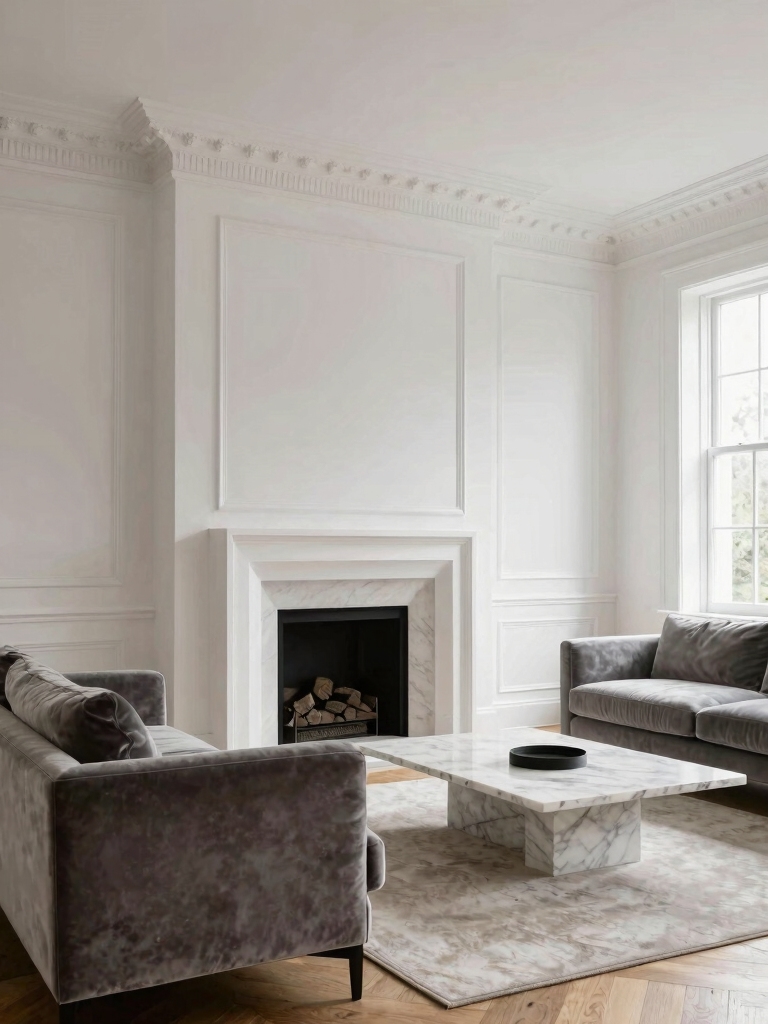
Now let’s turn our attention to your room’s built-in features, which you can easily refresh without overwhelming the space.
A classic fireplace gets new life with a coat of paint, while simple crown molding adds refined character.
For a brighter feel, I often suggest replacing a heavy wooden door with one that incorporates glass panels.
Adding a chic brown couch can also bring warmth and style to your living room while complementing traditional architectural details.
Fireplace Refresh With Paint
A great fireplace refresh can start simply by updating its architectural details with paint.
I once had a traditional red brick surround that felt too heavy. I chose a soft white for the bricks and painted the classic wooden mantel in a deeper charcoal.
This modernized the entire feature without changing its structure, letting its elegant lines shine through in a fresh, new way.
Simple Crown Molding Updates
Architectural details like crown molding offer another subtle opportunity to elevate a room’s character.
I recently painted mine a crisp, clean white, making the ceiling feel higher. You could also install simple, modern-profile molding if yours is missing.
It’s a classic element that instantly frames a space, and a fresh coat of paint or a new installation can quietly bridge traditional architecture with a cleaner, contemporary feel.
Replace Heavy Doors With Glass
When you’re working on a subtle update, swapping solid interior doors for ones with glass panels can dramatically lighten a room’s mood without sacrificing its traditional bones.
I chose doors with divided-light inserts that echo my existing windows. Now, light flows from my hall into the living room, making the whole space feel brighter and more connected while keeping that classic character I love.
It’s a brilliant, subtle lift.
Pick Lighting That Bridges Traditional and Modern
Because blending classic and contemporary aesthetics is key, I find that selecting the right lighting is the most impactful way to achieve it.
I’ll often choose a traditional chandelier in a dark metal finish but with a modern, minimalist silhouette.
For table lamps, I pair clean-lined ceramic bases with classic linen shades.
This mix creates a layered, cohesive glow that feels both timeless and fresh.
Incorporating elements from Cozy Elegance helps to enhance the inviting atmosphere that bridges both styles seamlessly.
Reimagine the Fireplace as a Modern Focal Point
While the fireplace is a classic anchor, I love transforming it into a statement that feels entirely current.
It’s about balancing its inherent character with sleek, modern interventions.
- Clad the surround in a large-format, graphic tile for instant texture.
- Paint the interior firebox a matte black for a dramatic, clean-lined silhouette.
- Swap the mantel for a simple, floating slab of limestone or oak.
- Streamline the hearth by extending a single material flush with the floor.
For a quick weekend update, incorporating one or two of these ideas can revitalize your space and refresh your home’s ambiance.
Style a Modern-Traditional Mantel
After updating your fireplace surround, you should look to the mantel to continue merging classic comfort with contemporary style.
I like anchoring mine with a large, ornate mirror or simple landscape painting.
Then, I’ll layer in modern elements, like a single sculptural vase or a pair of sleek candlesticks, alongside a few cherished antique books.
This mix creates a collected, personal vignette that feels both timeless and fresh.
Incorporating creative decor ideas can truly transform your living room and make any space feel inviting and unique.
Hide Smart Tech in Traditional-Style Pieces
To seamlessly integrate smart technology without disrupting the room’s classic aesthetic, I recommend concealing devices within traditionally styled furniture and accessories.
- A classic wooden cabinet can discreetly house your media components.
- A vintage-style radio might cleverly conceal a modern smart speaker.
- Ornate picture frames can be fitted to hide small digital screens.
- A traditional lamp base often integrates beautifully with a smart bulb.
Additionally, incorporating decor tips designed for small living rooms can help maximize space while maintaining the traditional-modern balance.
Balance Ornate Decor With Minimal Displays
As we’ve considered ways to tuck away modern gadgets, the same principle of intentional placement applies to managing the room’s visual weight.
I’ll offset an ornate, heavily carved console with a simple gallery wall or a clean, open shelf.
By pairing intricate patterns with large, unadorned surfaces, you prevent the space from feeling cluttered.
This creates a dynamic yet calm environment where each beautiful detail truly commands attention.
Incorporating sleek and intentional wall decor enhances the modern vibe while maintaining balance in the room.
Anchor the Room With an Updated Traditional Sofa
I think we should start by choosing a sofa with a clean, tailored profile in a neutral fabric, as it instantly grounds the space.
I love how that simple base then lets me introduce strategic pattern play through pillows or a throw without overwhelming the room.
It’s this updated approach that keeps the look feeling both classic and personally fresh.
Tailored Neutral Upholstery
While classic silhouettes define a traditional sofa, selecting one in a neutral, tailored fabric instantly modernizes the anchor piece of your living room.
I prefer clean textiles like linen or a fine wool blend in shades of oat, gray, or putty. This approach creates a sophisticated canvas that balances ornate details elsewhere.
For depth, consider:
- A tight, channel-tufted back for subtle texture.
- Crisp, knife-edge pillows in a tonal stripe.
- Durable performance fabric for easy living.
- Contrasting neutral welts for defined structure.
Clean Profile Lines
Because a sofa’s silhouette is its most commanding feature, opting for clean, updated profile lines provides an essential foundation.
I look for a streamlined shape—straight, graceful arms and a tailored back—that retains traditional substance without ornate carving. This creates a crisp, architectural anchor.
It’s a subtle but powerful edit, giving the classic form a lighter, more current feel that instantly modernizes my entire seating arrangement.
Strategic Pattern Play
Now that a sofa with clean lines anchors the space, its upholstery is my next opportunity for strategic pattern play.
I layer it with solids and use other patterns for scale and rhythm.
- A classic, oversized floral or damask on the sofa itself
- Crisp, solid-colored throw pillows for balance
- A smaller geometric or stripe on a pair of armchairs
- A tonal, textural pattern in the area rug
Arrange Furniture in a Modern, Conversational Flow
To achieve a modern, conversational flow in your living room, I always suggest starting by orienting your largest sofa and chairs to face each other directly.
I then pull them away from the walls to create an intimate island. Anchoring this grouping with a central coffee table fosters connection.
This intentional, open arrangement feels fresh while honoring the room’s purpose for gathering and easy conversation.
Place a Modern Rug in a Traditional Floor Plan
Now, I love the idea of adding a modern rug to my traditional space, and I’ve found three key things make it work perfectly.
First, I’ll choose a rug with a clean geometric pattern rather than a floral one, as it creates a sharper contrast.
I’m also careful about scale, ensuring the rug fits my furniture arrangement, and I might pick a bold color to make the whole room feel more dynamic.
Geometric Patterns Over Florals
While the traditional floor plan feels timeless, you can shake things up by choosing a modern rug with geometric patterns rather than florals. I find this instantly modernizes the space.
Consider these points to make your choice feel intentional:
- Define a Focal Point: A bold, angular pattern draws the eye.
- Complement Architecture: It can highlight clean lines in millwork.
- Add Visual Texture: Geometric weaves introduce subtle depth.
- Anchor Neutral Furniture: It grounds softer, traditional upholstery beautifully.
Scale And Proportion Matter
Choosing the right rug size for your space is as essential as picking its pattern; a rug that’s too small can make your furniture feel disconnected and the room incomplete.
I aim for a larger, modern rug where all my traditional sofa’s front legs sit comfortably atop it. This grounds my seating area, creates a unified zone, and beautifully marries the room’s classic architecture with a contemporary foundation.
Bold Color In Neutral Rooms
Because I believe a neutral room truly shines when punctuated with a bold statement, I strategically place a modern, colorful rug within my traditional floor plan.
This single piece immediately anchors the space and provides a dynamic focal point. For maximum impact, I follow a few key principles:
- Select a rug with a vibrant geometric or abstract pattern.
- Make certain its scale complements the room’s furniture arrangement.
- Let its colors inform smaller accent pieces elsewhere.
- Maintain traditional elements like wood tones to balance the modernity.
Pair Rich Wood Tones With Sleek Metal Accents
To bring warmth and contrast to your space, I often pair rich wood tones with sleek metal accents.
I’ll choose a substantial mahogany side table and then add thin, brushed nickel legs. A dark walnut coffee table gets balanced with a polished brass tray on top.
This interplay creates a layered look where the organic texture of wood beautifully offsets the industrial coolness of metal.
Style Shelves With Old Books and New Objects
Have you ever considered how old books can ground a collection of new decor? I love styling shelves by stacking vintage volumes horizontally, then punctuating them with modern objects. This creates a wonderfully balanced, collected look.
For maximum impact, I mix in:
- A sleek, metallic bookend
- A single, contemporary ceramic vase
- A small, framed abstract print
- A textural object, like a smooth stone
The contrast feels intentional and deeply personal.
Add Contemporary Shapes to Traditional Tablescapes
Introducing a few contemporary shapes is a simple way to update a classic tablescape.
I love pairing my grandmother’s silver tray with a modern, asymmetrical vase. Instead of a round bowl, I’ll use a geometric dish for candles.
This mix makes the arrangement feel current while honoring its traditional foundation. The contrast in forms adds visual interest without overwhelming the room’s established character.
Blend Classic Patterns in a Fresh, Cohesive Way
Just as contrasting shapes can modernize a tablescape, combining classic patterns with a thoughtful eye brings similar significance to fabrics and wallpapers.
I’ve discovered some key principles for achieving a fresh, cohesive mix.
- Anchor with a Scale Shift: Pair a large-scale floral print with a much smaller geometric check to create clear visual hierarchy.
- Unify with a Common Hue: Let a single, repeated color thread through different patterns to connect them.
- Introduce a Graphic Element: Add a contemporary stripe or abstract motif to disrupt predictability.
- Balance Busyness with Solid Textures: Use plush velvets or linen plains to give the eye a resting place.
Hang Modernized Traditional Window Treatments
While classic patterns anchor the room’s fabric story, the windows deserve a chapter that blends heritage with a lighter, more tailored attitude.
I swap heavy drapes for simpler Roman shades in a timeless linen. Clean-lined curtain rods replace ornate hardware, and I might pair a floral print panel with a crisp, solid one.
It’s about editing the traditional formula to feel current and intentionally refined.
Mix Metal Finishes and Wood Stains Consciously
Because the warmth of wood and the gleam of metal are fundamental to traditional decor, I consciously mix these finishes to create a layered, collected look.
I avoid matchy-matchy sets, instead curating pieces that feel thoughtfully assembled over time.
- Pair dark walnut with unlacquered brass for a stately, aged character.
- Contrast a light oak table with polished nickel lamp bases.
- Use black iron hardware on a medium-stain bookcase.
- Anchor everything with a unifying element, like a rug.
Conclusion
I find my greatest peace in this very room, where a treasured heirloom rests beside a clean-lined sofa, where century-old patterns converse with a bold, modern color. It’s a space that honors my past, reflects my present, and feels authentically me. This blend isn’t just a design choice; it’s a feeling of comfort, a spark of inspiration, and finally, a true home.