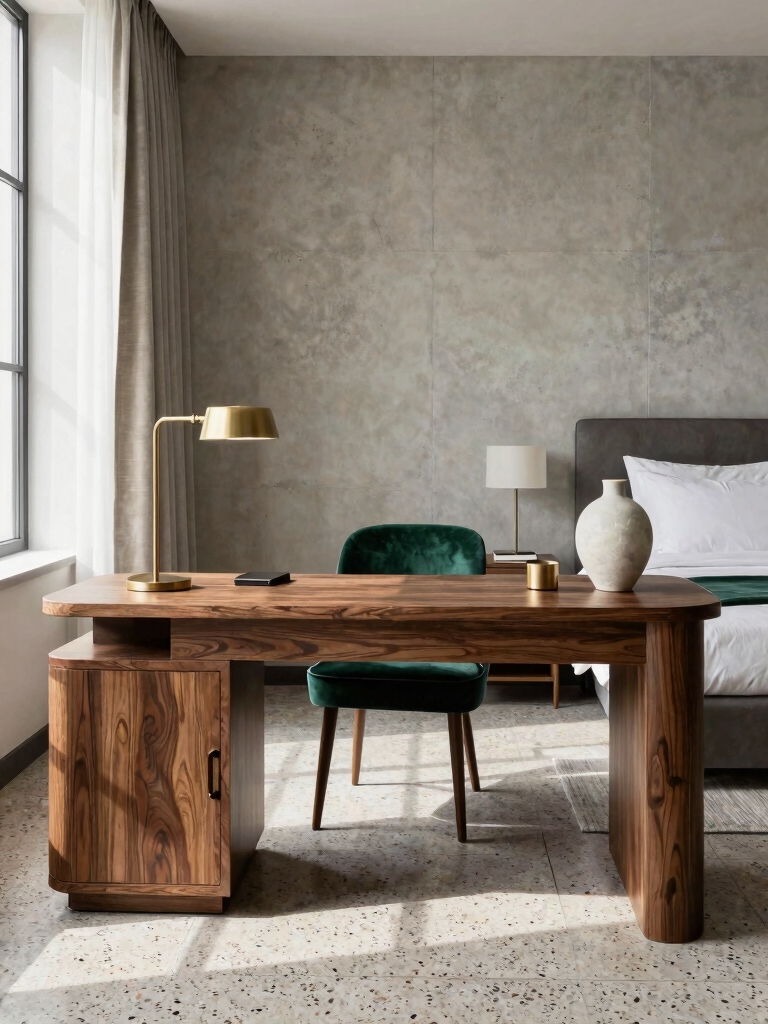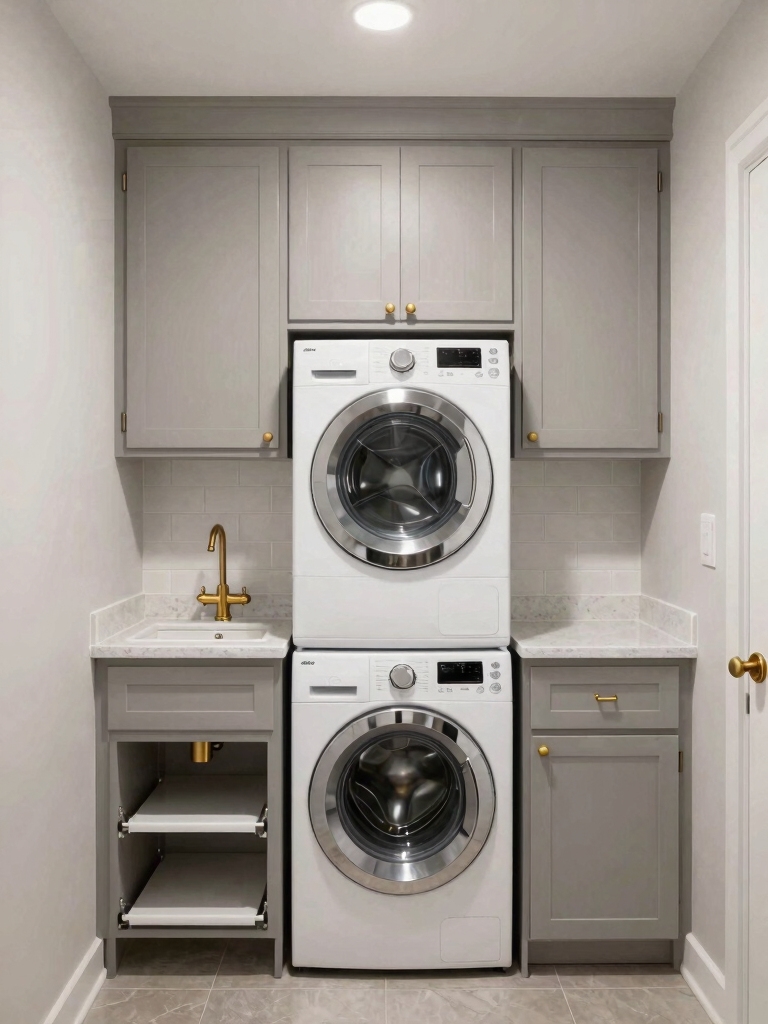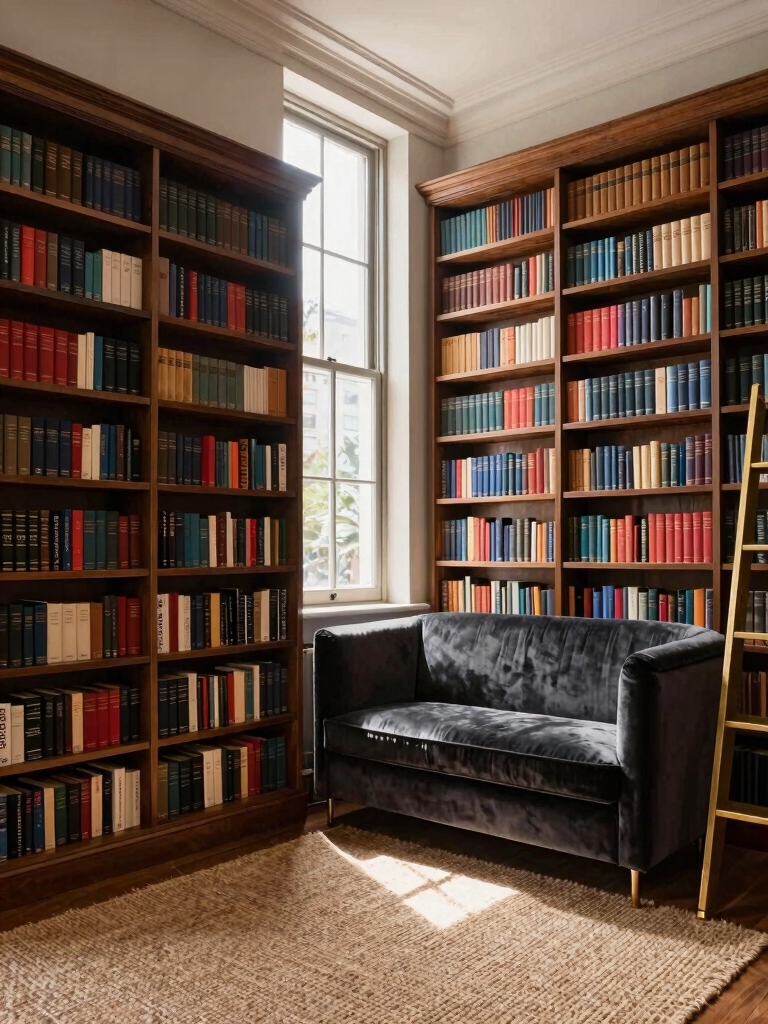
I’ve gathered 14 practical ideas to turn any space into a welcoming library retreat. Start by evaluating light, size, and how you’ll use the room, then plan zones for quiet reading and easy movement. Wall shelves, clever storage, and multipurpose furniture keep clutter low while maximizing function. Create cozy corners with layered lighting and calming colors, and budget-smart tweaks to refresh on a dime. Stick with me, and you’ll uncover more tips that make this space truly yours.
Why a Library Room Elevates Your Space
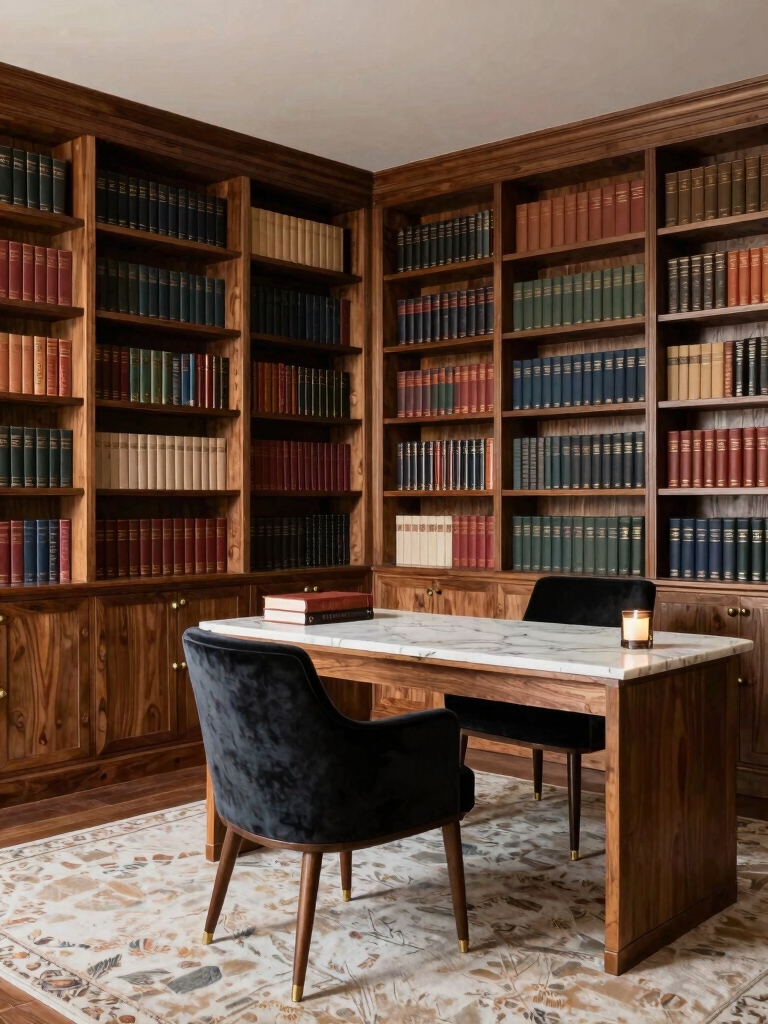
A library room elevates a home by turning books into scenery you can live in. I’m inviting you to feel the impact: shelves frame imagination, quiet concentrates, and a daily routine gains character.
It’s practical luxury—sound-absorbing corners, warm lighting, and a dedicated retreat. You won’t chase clutter; you’ll curate calm, purpose, and a space that invites returns, again and again. Incorporating elements of cozy elegance enhances both comfort and style, making your library a truly inviting haven.
Assess Your Space: Size, Light, and Usage
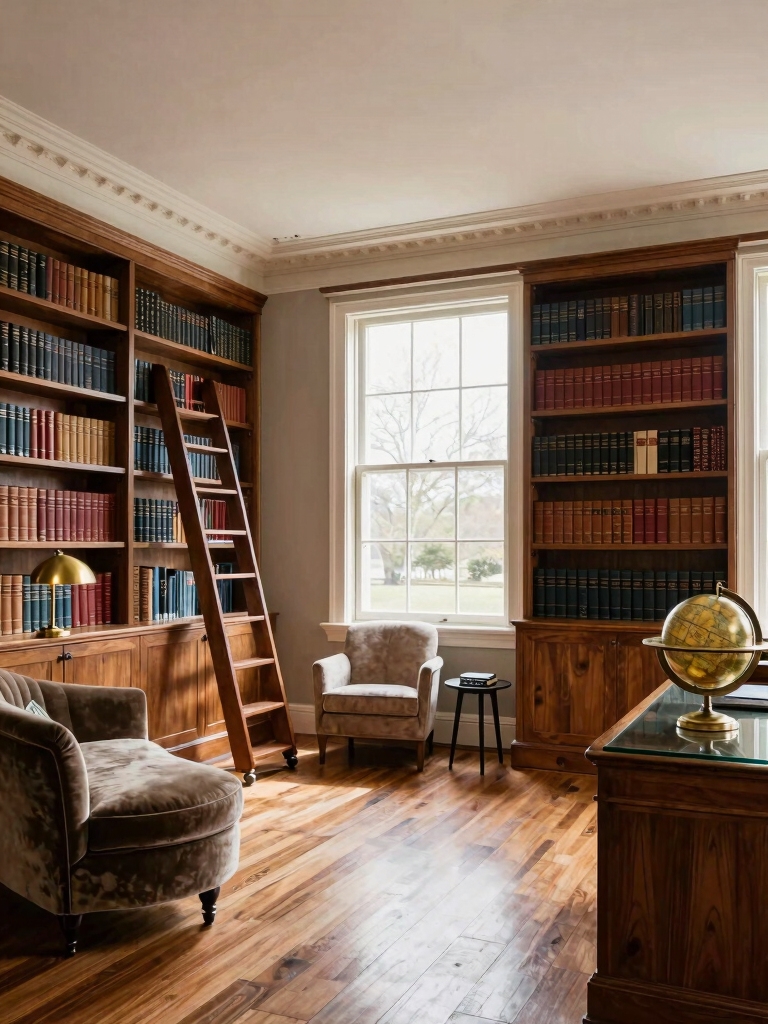
I’m looking at the space I’ve got, noting how much natural light pours in and where it lands on shelves and desks.
I’ll measure the footprint now so I know how many book racks and seating spots fit without feeling crowded.
Then I’ll pin down the room’s main use—reading, researching, or a cozy retreat—so every choice supports that purpose.
Assess Natural Light
Natural light shapes how your library feels, so start by sizing up the space: how many hours of sun does it get, from which directions, and where might glare wash out shelves or reading nooks.
- Note window placement and seasonal shifts
- Track glare spots during peak sun
- Position desks away from direct light
- Use sheer drapes to soften brightness
- Consider skylights or light shelves for balance
Measure Available Space
To measure what you’ve got, start with a quick square footage lap: note each wall, doorways, and any nooks where shelves or reading chairs will fit.
I map clear zones for traffic, light, and outlets, then estimate storage needs.
This keeps layout practical, grounded, and flexible, so you can plan durable shelving, comfy seating, and easy access without clutter or guesswork.
Define Primary Use
Defining the primary use of the space keeps everything focused from the start.
I assess size, light, and usage to guide layout, furniture, and storage, so things work for you. You’ll know what to prioritize, where to sit, and how to access books quickly.
- Prioritize reading zones and ergonomics
- Note natural light and glare
- Plan seating that fits hours of use
- Allocate shelves by frequency
- Include a quiet retreat for focus
Plan a Smart Floor Layout for Any Room
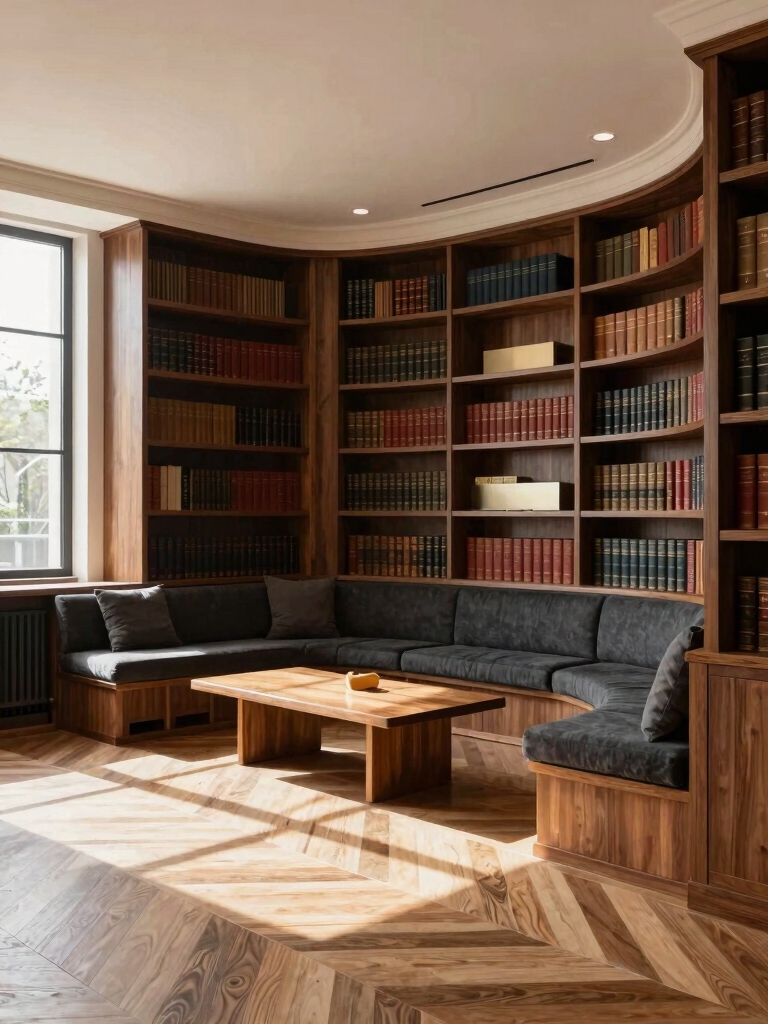
Plan a smart floor layout by starting with two simple questions: how will you use the space, and where do you want cozy corners to live?
I map traffic flow, keep clear pathways, and group seating near natural light. I reserve quiet zones for reading, place storage within reach, and avoid clutter.
This practical plan feels welcoming, efficient, and adaptable for any room. Incorporating design elements that transform small spaces can help create an airy and inviting atmosphere.
Wall Shelving: When to Use It and How to Install
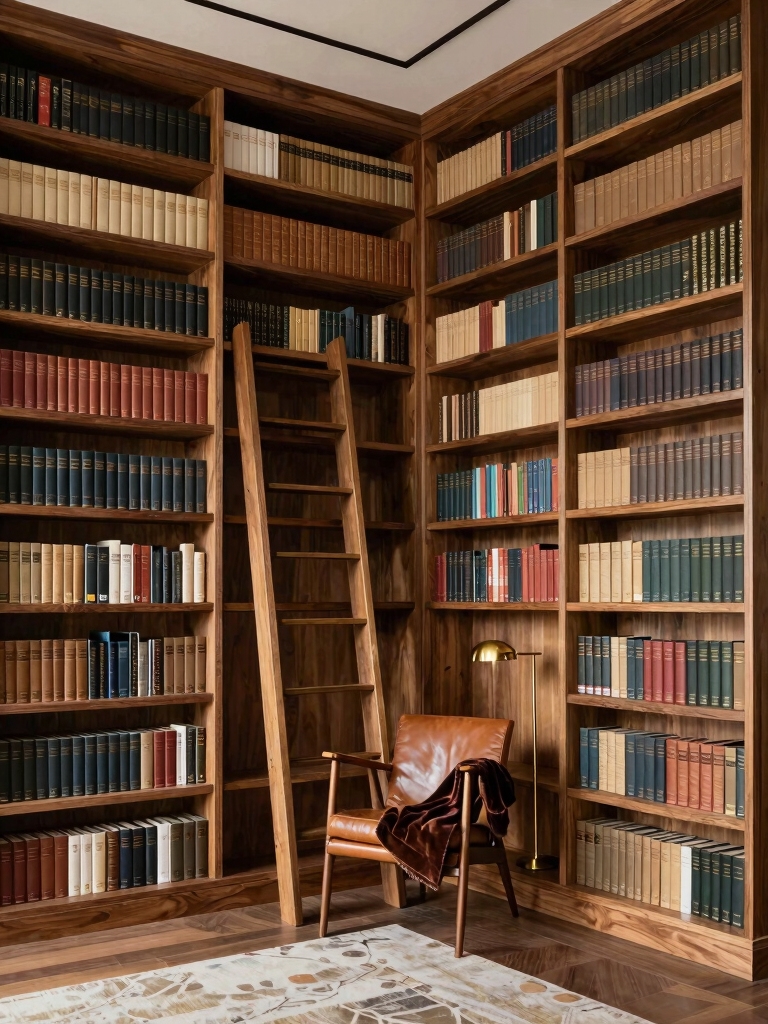
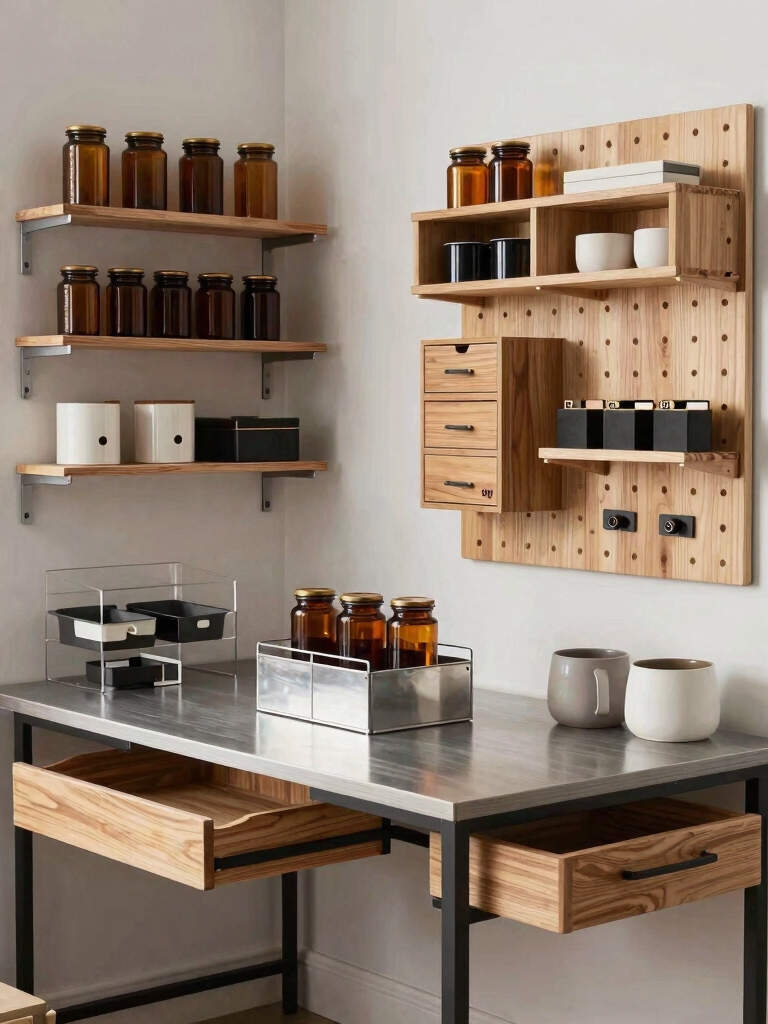
Wall shelves can transform how we use vertical space, letting lighter, accessible storage replace bulky bookcases and freeing floor area for seating.
I’ll share when wall shelving shines, like for display nooks, prime reading corners, and storing overflow without crowding the room, plus practical installing tips that keep weight and safety in mind.
If you’re curious about benefits and a few tricks, I’ll lay out simple steps and smart choices so you can plan confidently.
Transforming your space on a budget with creative room ideas can make your library both functional and inviting.
Wall Shelving Benefits
Wall shelves can transform a small room into a practical, polished reading nook, giving you instant storage without sacrificing floor space.
I value clean lines and easy access, so I pair sturdy brackets with evenly spaced shelves to maximize display and function.
- Maximize vertical space without crowding
- Keep frequently read titles within arm’s reach
- Use uniform depths for a tidy look
- Label sections for quick finds
- Blend finishes with decor tones
Installing Tips and Tricks
Nail down a simple setup: pick wall studs, mark, and drill.
I measure twice, level once, and double-check load limits before hanging. Use sturdy brackets, secure anchors, and distribute weight evenly for heavier volumes.
Keep shelves plumb, screws tight, and staggered heights for visual variety.
Plan front-to-back clearance so books don’t poke into doors, and label cords and corners.
Enjoy calm organization.
Create Cozy Reading Nooks for Long Stays
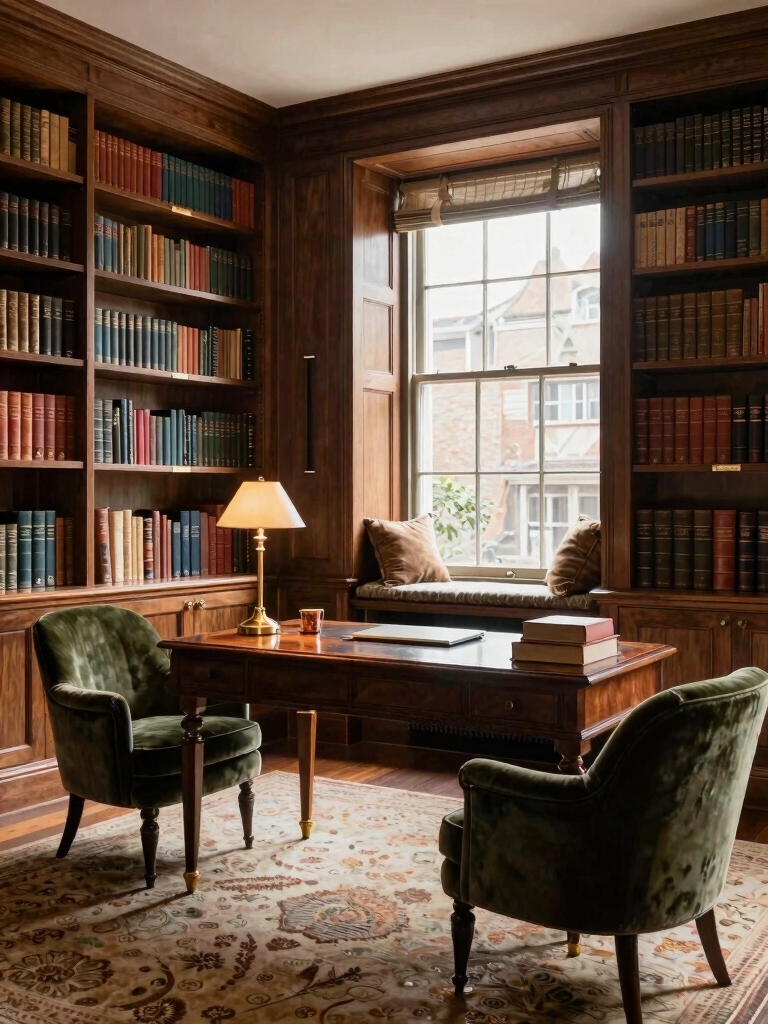
When you’re setting up a long-stay reading nook, prioritize comfort, light, and a sense of enclosure: a supportive chair, warm blanket, and soft, layered lighting that you can adjust as the day shifts.
- Choose a compact, supportive chair and a footrest for posture.
- Layer textiles: blanket, throw, and rug for warmth.
- Use a small, adjustable lamp for focused light.
- Add a book-lined shelf within arm’s reach.
- Include a mug, timer, and notebook for breaks.
To maximize your space, incorporate creative storage solutions that keep your nook organized without crowding it.
Layered Lighting for Reading and Ambiance
Layered lighting isn’t just about brightness; it’s about shaping atmosphere for both reading focus and cozy vibes.
I mix a bright desk lamp for detail, a soft floor uplight for warmth, and adjustable ambient sconces to control mood.
Use dimmers, warm bulbs, and task lighting where you read most.
Test angles, hide cables, and keep glare off pages.
Simple, practical, inviting.
Calm, Focused Color Palettes for Libraries
Calm, focused color palettes in a library aren’t about chasing trends; they’re about selecting hues that ease eyes and sustain concentration.
I choose tones with gentle contrast, matte finishes, and natural light in mind, then pair them with practical accents that keep spaces welcoming, not sterile.
- Soft neutrals for walls that breathe
- Warm wood accents to ground the room
- Muted blues or greens for focus
- Low-saturation, library-safe hues
- Textured textiles to soften hard edges
Seating That Feels Great and Is Easy to Access
I choose chairs and couches that invite quick, quiet breaks and long reads alike, placed near natural light and sightlines.
I prioritize sturdy, comfy options, flexible layouts, and clear pathways for everyone, everywhere.
Adding warm textiles and soft lighting can enhance comfort and create a warm and inviting atmosphere perfect for chilly evenings.
Quiet-Up Your Space: Sound-Taming Tweaks
Brighten the focus by taming noise where it matters most. I guide you through practical steps to quiet a busy room, so you can read in peace.
Start with soft felts, rugs, and door seals, then tune speakers and vents for balance. Keep surfaces sparse; use a life-friendly approach to sound control. You’ll notice calmer evenings and deeper concentration.
- Add heavy curtains to absorb echoes
- Lay down thick rugs over hard floors
- Use door sweeps and weatherstripping
- Position bookcases to break sound
- Choose quiet, cushioned seating
Incorporating stylish living room decor elements can help you create a cozy and quiet space without overspending.
Clever Storage Ideas to Minimize Clutter
If you want to keep a library room neat without sacrificing charm, clever storage is your best ally.
I favor slim, stackable bins on shelves, labeled for quick finds, and a hidden ottoman that hides blankets and receipts.
Vertical dividers, bookends, and in-drawer organizers tame chaos.
I swap excess decor for open, accessible solutions that invite calm, purposeful browsing.
Incorporating smart organization tips from craft rooms can transform your library into a more functional and inviting space with genius organization.
Multipurpose Furniture for Flexible Layouts
Multipurpose furniture makes a library feel adaptable rather than fixed.
I design spaces that stretch with days, not struggle with them, and I invite you to do the same.
Think modular shelves, hidden desks, sofa beds, and stacking ottomans that double as tables.
Practicality first, comfort always, and no wasted space.
- Modular shelves that reconfigure quickly
- Lift-top coffee tables for extra work surfaces
- Hidden desk compartments for quiet study
- Stackable ottomans double as seating and storage
- Convertible sofa beds for guests
Incorporating smart design tips can transform your small library room into a functional and inviting space with major impact.
Display Areas: Personalize Without Visual Noise
Display areas should feel inviting, not cluttered, so I line them up with intention and a light touch of personality.
I keep displays purposeful: a single favorite book, a petite lamp, a framed note, and an occasional keepsake.
I rotate stakes slowly, hide excess behind doors, and honor negative space.
Practical, warm, and neat—visual noise stays out, focus stays in.
Comfort, Temperature, and Ambience Controls
- Gentle lamps for warmth and reduced glare
- Quiet fans or HVAC zoning for even temps
- Quiet, piano-hush background music
- Soft textiles to soften echoes
- Scent-free, breathable air sources
Budget-Smart Transformations and Maintenance
I’m showing how you can get big results without big costs, starting with budget-friendly updates that feel like you spent more than you did.
Easy-care maintenance keeps your shelves, lighting, and seating looking sharp with minimal effort.
I’ll share value-boosting upgrades that lift the room’s vibe and function without breaking the bank.
You can create chic DIY touches with simple materials to personalize your space while staying on budget, making room decor ideas DIY accessible for everyone.
Budget-Friendly Updates
If you’re updating a library on a budget, small, smart changes add up fast—new lighting, fresh paint, and clever storage can transform the room without emptying your wallet.
I focus on practical tweaks you can do now.
- Swap LEDs for ambient glare-free lighting
- Refresh walls with a single neutral shade
- Install modular shelving that fits tight corners
- Use labeled baskets for quick access
- Repurpose a coffee table as a book-cart
Easy Care Maintenance
I choose wipes, sealants, and easy-cleave finishes that resist spills and fingerprints.
I organize tools in a labeled basket and schedule quarterly checks, replacing worn hinges or mats before they fail.
You’ll enjoy calm shelves, clean floors, and a room that preserves every cherished chapter.
Value-Boosting Upgrades
- Repaint walls with a calm, dust-muppressing finish
- Add adjustable shelving for flexible display
- Upgrade lighting to warm, energy-efficient LEDs
- Install hidden cable management for clean surfaces
- Use labeled bins for quick, tidy organization
Conclusion
I close the book on this tour with a memory I can feel. I imagine my dream library waking up: warm light spilling over wood, the soft hush of pages turning, a chair that knows my back, and shelves that breathe with quiet purpose. You’ll tailor every corner until it fits like a favorite sweater. Start small, think big, and let the room grow with you—a steady, practical kindness you can live in and love.