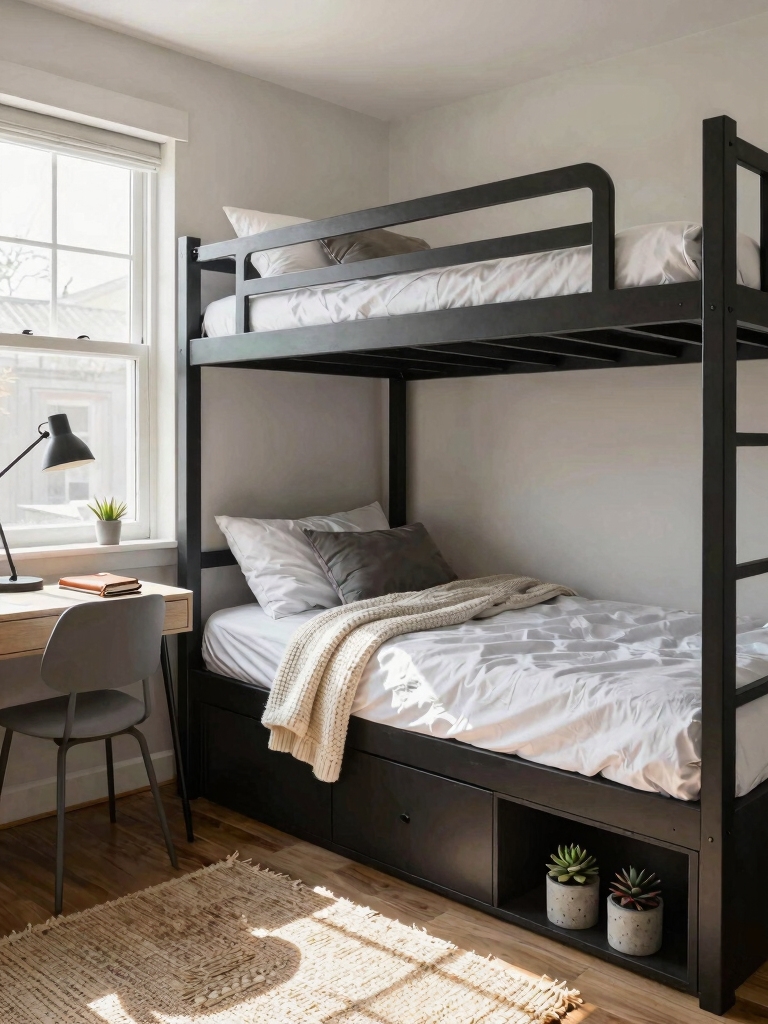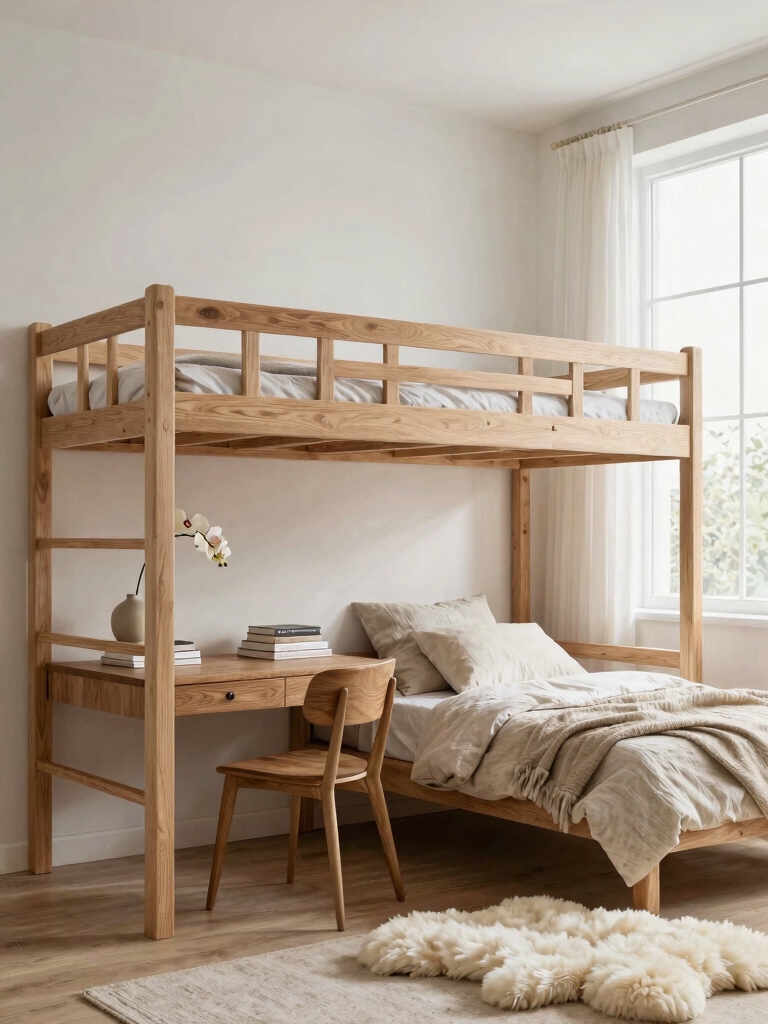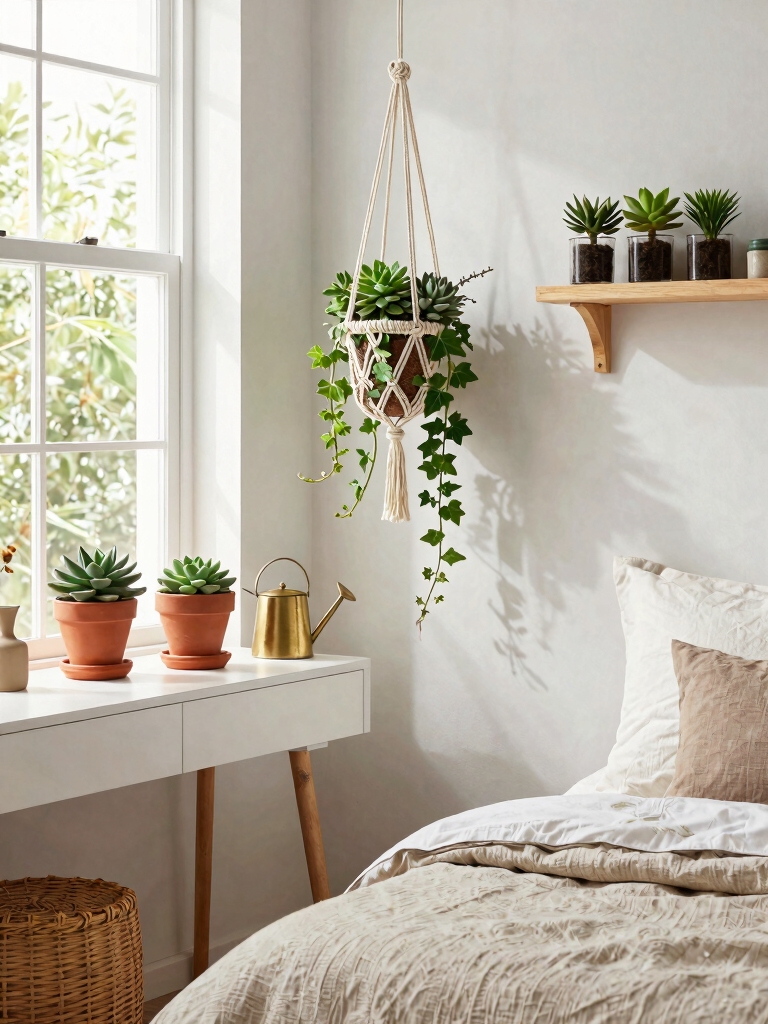
I started my dorm jungle with a single succulent from a friend. I choose low-maintenance picks like snake plants for dark corners and pet-safe spider plants. I create unique planters from thrifted mugs and use vertical gardens to save space. Weekly light spritzes and smart watering keep everything thriving. This green, budget-friendly space totally transforms my room’s atmosphere. I’ve got more clever tips to help you grow your own lush retreat easily.
Start With No-Fuss Desk Succulents
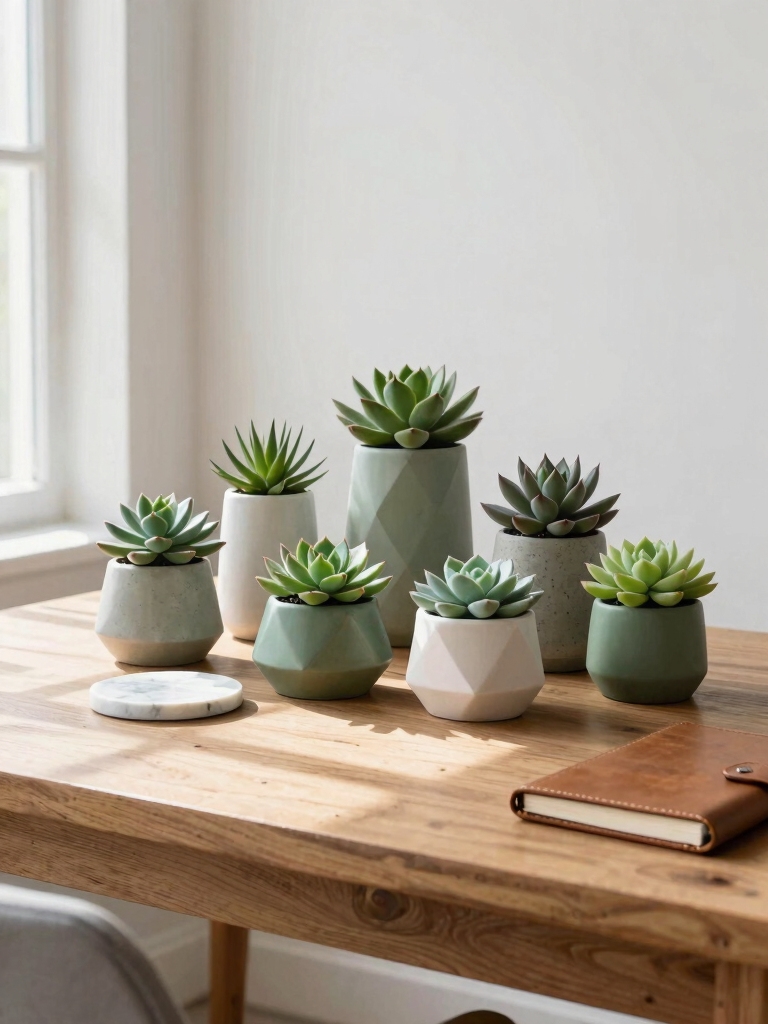
Since you’re probably short on time and cash, I’d start with some low-maintenance succulents to instantly boost your desk’s vibe.
Grab a cute little aloe vera or echeveria from a big-box store. They’re cheap, tough, and only need water every couple of weeks.
You can pot them in a thrifted mug for personality. They’ll purify your air and add a living touch without any fuss.
Adding lush greenery is a simple way to transform your dorm and create a stylish, inviting space.
Opt for the Best Low-Light Dorm Plants
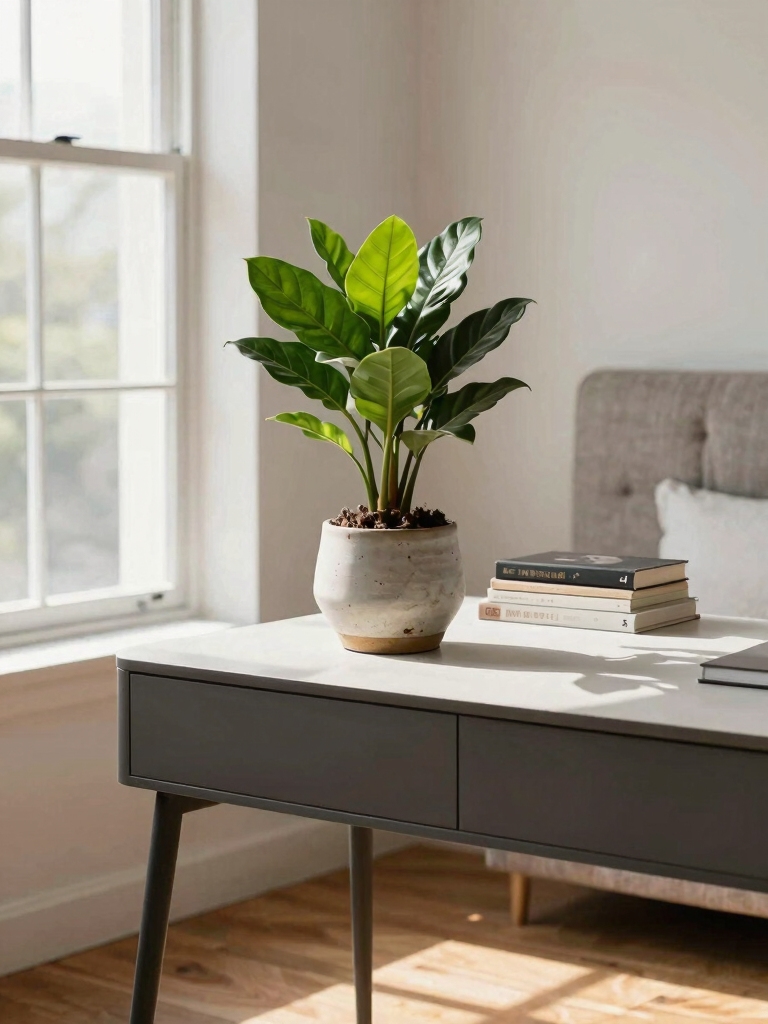
Two other great low-light champions I swear by for dorm rooms are snake plants and pothos.
My snake plant thrives anywhere, asking for water maybe monthly.
Pothos vines cascade beautifully from a shelf, growing happily in that dim corner.
They’re both super affordable, often sold as small cuttings you can propagate yourself.
They’ll purify your air and bring life to your space without needing a perfect sunny window.
Adding these plants is a simple way to transform your dorm room into a cozy home retreat.
Pick Pet-Safe Plants If You Have a Dorm Pet
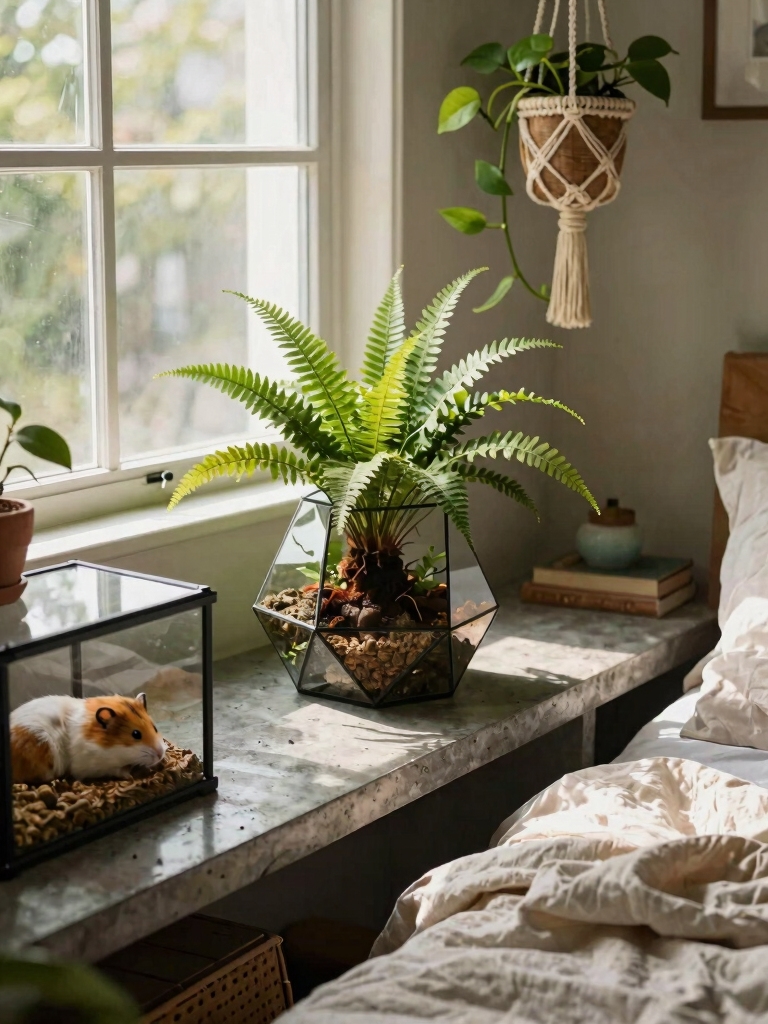
If you’re sharing your dorm with a furry friend, choose plants that are safe for them.
I always double-check the ASPCA’s list before buying. Great non-toxic picks are spider plants, Boston ferns, and some palms. They add life without risk.
Get creative with high shelves or hanging planters to keep curious noses away.
It’s a simple, budget-friendly way to keep your green space and your pet happy.
In small dorm bathrooms, consider creative solutions for small spaces to maximize your plant display without cluttering.
Source Free or Cheap Plants for Your Dorm
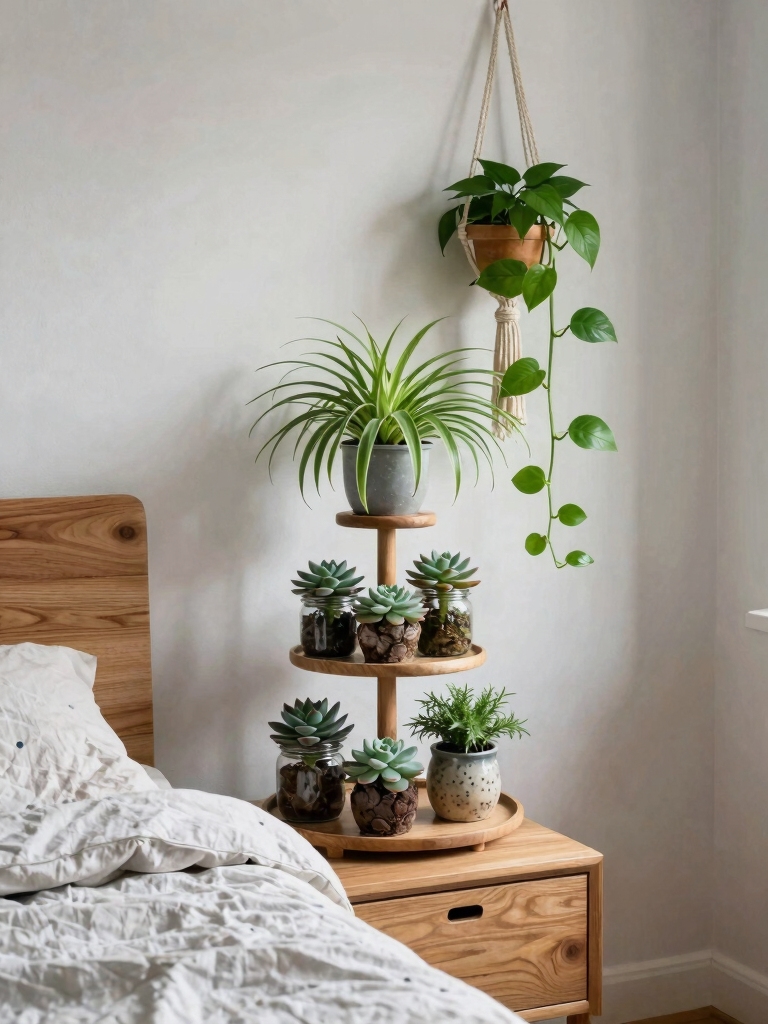
I’ll start with plant cuttings from friends since propagating them costs nothing.
I also check local online groups where people often swap plants for free.
Finally, I scout thrift stores and garage sales for cheap pots with bonus greenery already inside.
Many aesthetic lovers are copying these clever ideas to create their own dream space.
Online Plant Swaps And Exchanges
A straightforward method for finding free or cheap plants is through online swaps and exchanges.
I join local plant groups on social media or use dedicated apps where enthusiasts trade cuttings and potted plants. Often, you can simply pick up a new green friend for a few dollars or even for free.
It’s a fantastic way to build your collection, meet fellow plant lovers, and discover unique varieties without straining your budget.
Propagate Plants From Cuttings
My next favorite method for sourcing free dorm plants is propagation from cuttings.
I just ask a friend for a snip of their pothos or philodendron. Pop the stem in water on my windowsill, and I’ll see roots sprout in weeks.
It’s so rewarding to grow a whole new plant from a tiny piece. I get free greenery and share the love by passing cuttings to my dorm neighbors.
Thrift Store And Garage Sales
Another great way to find plants without spending much is by checking out thrift stores and garage sales.
I’ve scored cute pots with forgotten succulents for just a dollar. People often sell whole collections when they move.
Just inspect for pests before bringing any new green friend home. A quick wipe-down and repotting can give a secondhand plant a perfect fresh start in your dorm.
Repurpose Mugs and Jars as Unique Planters
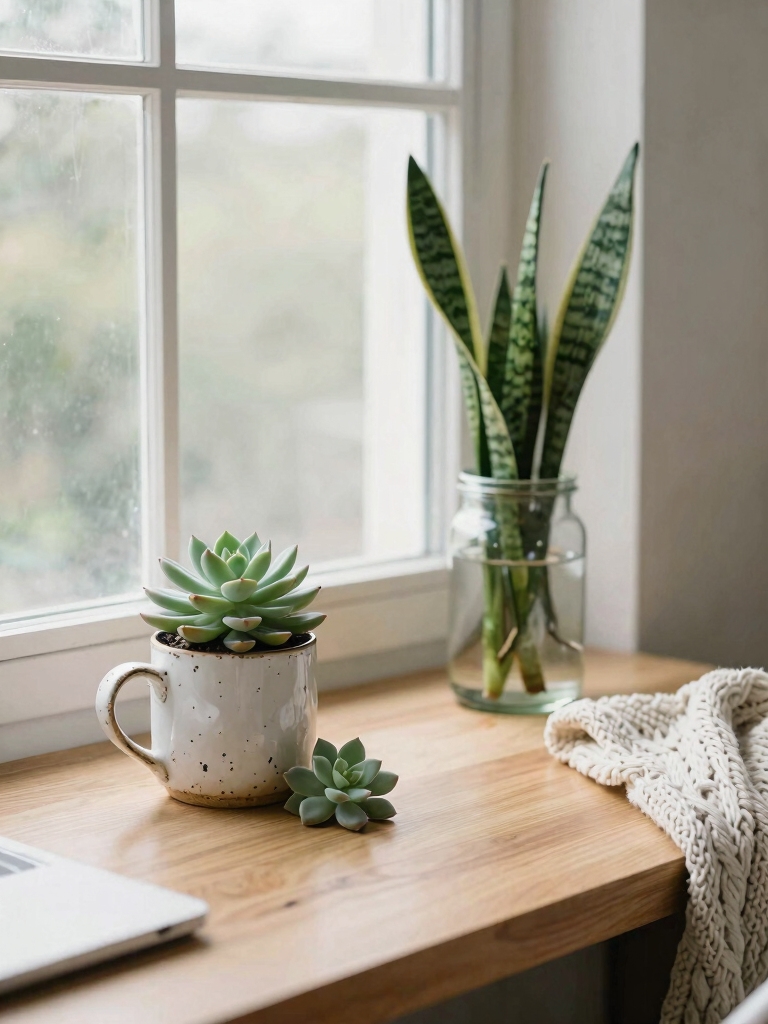
I like getting creative with containers and turning my old mugs and jars into plant pots.
I’ll personalize them with paint or markers to match my room’s style.
To keep my plants healthy, I’ll make sure they’ve proper drainage by adding a layer of rocks or gravel at the bottom.
This is a great way to transform your space on a budget with minimal expense.
Get Creative With Containers
Turning an empty mug or a spare jar into a tiny garden is one of the simplest and most charming DIY projects you can tackle.
I love giving chipped cups or old pasta sauce jars a new life. Just add some pebbles for drainage, potting soil, and a small plant. It’s an instant, budget-friendly decor upgrade.
You’ll find unique containers everywhere once you start looking.
Personalize Your Plant Pots
Have you ever considered that a chipped mug or empty jar could be your next favorite planter?
I love finding these items at thrift stores or recycling my own. You can paint them with acrylics, wrap them in twine, or add decorative decals.
It’s a cheap way to express your style. Each pot becomes a unique conversation piece, reflecting your personality without costing a fortune.
Ensure Proper Drainage Solutions
While those personalized pots look great, they won’t keep your plants healthy without drainage.
I’ll turn my mug into a planter by drilling a hole in the bottom. If I can’t drill, I’ll create a drainage layer.
I’ll fill the base with pebbles or recycled glass beads before adding soil. This simple barrier prevents soggy roots, making my repurposed container both stylish and functional for my dorm room jungle.
Build a Simple Lego or Kokedama Planter
If you’re looking for a low-cost way to add some greenery to your space, I love building a simple Lego or kokedama planter.
For Lego, just assemble a base with a hollow center for a small pot.
For kokedama, wrap a plant’s roots in a moss ball tied with string—it’s super creative.
Both projects are quick, use cheap materials, and make your dorm feel instantly more alive.
These green dorm room ideas create a refreshing atmosphere and add effortless style to your space.
Craft a Closed Ecosystem in a Terrarium
I’ll show you how a sealed terrarium recycles its own air and water.
I start by picking a clear jar I already own and some tough moss or ferns.
We’ll get the moisture right so it practically takes care of itself.
Refreshing your home with fresh room decor ideas can make a big difference this weekend.
Select Suitable Container
Since you’re ready to begin building, choosing the right container is your essential first step.
I love scouring thrift stores for clear glass jars, old fishbowls, or even lightbulbs! Just make sure it’s clean and transparent for light.
A sealable lid helps create the closed ecosystem, but a cork or plate works, too.
Get creative—your container’s shape defines your miniature world’s character without costing much.
Choose Resilient Plants
To craft a thriving closed ecosystem, I focus on plants that are naturally hardy and compact, like mosses, ferns, or succulents, which tolerate the humid, stable environment inside a sealed jar.
My low-maintenance picks create a self-sustaining world.
- The serene, green hug of cushion moss
- A tiny fern unfurling like a secret
- The quirky charm of a miniature succulent
- Watching your own pocket jungle thrive
I often find these for free in shady, damp outdoor spots.
Maintain Proper Moisture
While it might seem tricky at first, maintaining the right moisture level is the secret to a balanced terrarium.
I use the “mist and watch” method. A light weekly spritz with a spray bottle is usually perfect.
If condensation consistently fogs the glass, I’ll briefly open the lid to let some air flow through.
It’s about finding that sweet spot where the soil feels just damp, not soggy.
Add a Moss Wall Art Frame for Greenery
Let me show you how adding a moss wall art frame can introduce rejuvenating greenery without a living plant’s upkeep. It’s a preserved piece of nature. Just hang it and enjoy.
Here’s what it brings:
- A touch of forest calm to your busy space
- Texture and color that never fade
- An artistic statement you can make yourself
- Zero watering, zero stress
Plus, using smart design tips can help you maximize your small space and make room for more creative decor.
Hang a Macramé Plant Holder for Air Plants
I’ll show you some easy macramé knots to make a simple holder with leftover yarn.
You can then pick low-maintenance air plants like Tillandsia ionantha since they don’t need soil.
It’s a cheap project that adds a personal touch of greenery to any corner.
Creating a cozy and inviting space with plants is a great way to transform your dorm into a cozy retreat.
Easy Macramé Knot Techniques
Anyone can master a few simple macramé knots to hang a stylish plant holder for air plants. I grab some inexpensive cord and start with the square knot. It’s super forgiving!
You’ll feel your dorm transform as you weave.
- The satisfying *click* of knots locking into place.
- Watching a tangled cord become orderly art.
- Personalizing length for your perfect sunny spot.
- Creating a gift for your space that’s uniquely yours.
Choosing Air Plant Varieties
So, how do you choose the perfect air plant for your new macramé hanger? I focus on size and ease.
For beginners, I love the compact, curly Tillandsia ionantha. It’s affordable and thrives in indirect light.
The larger, silvery Tillandsia xerographica makes a stunning statement piece if your budget allows.
Just soak them weekly and let them dry completely before placing them back in their hanger.
Install a Wall-Mounted Vertical Garden
Because space is at a premium in a dorm, a wall-mounted vertical garden lets you add greenery without sacrificing your floor.
I find it’s a creative, budget-friendly project that makes a huge impact.
- Feel the pride of building your own living wall.
- Enjoy a daily dose of calming nature.
- Watch your tiny sanctuary grow week by week.
- Breathe easier with cleaner air right in your room.
This simple addition can truly transform your dorm into a cozy sanctuary that feels like home.
Use a Hanging Shoe Organizer for a Vertical Garden
If you’re already short on floor space, repurposing a hanging shoe organizer is my favorite way to create a surprisingly effective vertical garden.
Hang it over your door or on a blank wall. I pop small potted herbs or succulents right into the pockets.
It’s incredibly cheap, keeps your plants off your desk, and you’ll get a lush, cascading green wall with almost zero effort.
Style a Cluster of Small Plants on a Ladder Shelf
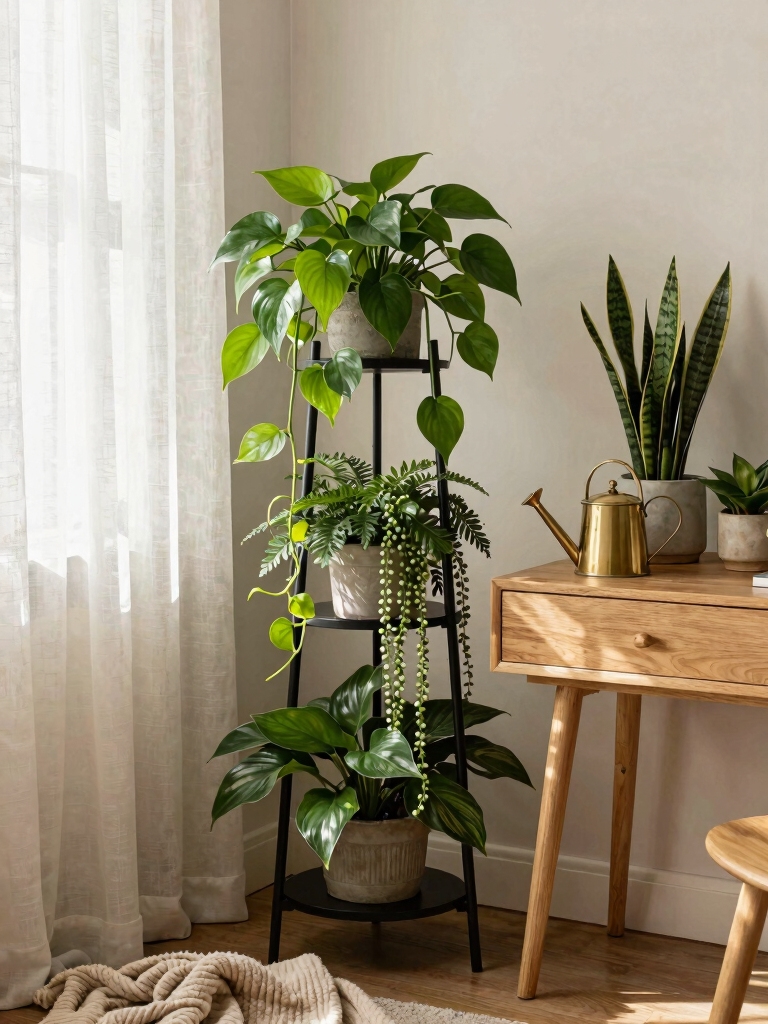
For a more structured plant display, try styling a cluster of small plants on a ladder shelf. I find it organizes my space beautifully.
- Create your own mini jungle on a budget.
- Feel the joy of watching them grow together.
- Build a personal sanctuary step by step.
- Breathe in the calm of your living art.
Use affordable plants like pothos and mix pot styles for character.
Train a Vine Along a Command Strip Trellis
While I love my ladder shelf jungle, I’ve also found a clever way to guide a vine upward using command strips as a nearly invisible trellis.
I simply stick a few to my wall and run clear string or thin wire between them.
Then, I gently wrap my pothos or ivy tendrils around the lines.
It’s a damage-free, space-saving trick that adds vertical greenery without costing much.
Create a Mini Windowsill Herb Garden
One simple way to bring fresh flavor and greenery into a small space is to plant a mini herb garden right on your windowsill.
I love using small recycled containers and a sunny spot. It’s incredibly rewarding.
- Snip fresh basil for your instant ramen.
- Feel proud watching your tiny seeds sprout.
- Smell fragrant mint while you study.
- Taste your own homegrown parsley on everything.
Grow Microgreens on Your Shelf in 10 Days
I want to share how I grow my own microgreens in just 10 days, right on my dorm shelf.
It’s a super budget-friendly project that needs just seeds, a container, and some soil.
You’ll get fresh greens daily, and I’ll walk you through the easy setup.
Benefits and Basics
Even though dorm space is tight, you can harvest fresh microgreens from a sunny shelf in just over a week. I love this because it’s cheap, nutritious, and utterly satisfying.
For a few dollars, you’re not just growing food—you’re creating a tiny, vibrant life-cycle right at your window.
- Taste homegrown flavor without a garden.
- Boost meals with a punch of nutrients.
- Nurture life from seed to salad.
- Save money on expensive grocery store greens.
Setting Up Your Space
Getting your microgreen garden started requires just a few key items you likely already have.
I grab a shallow container, like a reused takeout tray, and poke drainage holes.
Next, I add a thin layer of potting soil. I evenly sprinkle my seeds—radish or broccoli are great starters.
A light mist of water and placing it on a sunny shelf is my final step.
Harvest and Enjoy Daily
Now that your tiny garden is growing, you can snip a fresh handful of greens in about a week. I love topping my ramen or avocado toast right in my room.
Harvesting daily feels like a tiny, rewarding ritual.
- The crisp snip of scissors through stems.
- That vibrant burst of color on a dull day.
- The earthy, fresh scent filling your space.
- The proud taste of something you grew yourself.
Propagate Plants From Kitchen Scraps
When you’re looking for a creative and budget-friendly way to add greenery to your dorm, your kitchen scraps offer a surprisingly easy start.
I root green onion ends in water for continuous harvests. An avocado pit suspended over a jar sprouts with patience.
Even lettuce bases can regrow leaves. You’ll watch free plants emerge right on your windowsill, turning everyday waste into a personal, living garden.
Water Smartly With a Self-Wicking Bottle Planter
Moving from scraps to smart setups, I save time and prevent overwatering with a self-wicking bottle planter.
I upcycle a plastic bottle into a system that waters my herbs automatically. It’s perfect for busy weeks.
- Watch your plant sip water only when it’s thirsty.
- Relax knowing you won’t drown your greenery.
- Enjoy a thriving garden with zero daily effort.
- Create this clever hack for almost no cash.
Keep a Fragrant Lavender Plant by Your Bed
Seven is the number of hours you’ll thank yourself for a lavender plant on your nightstand. I find its scent calms my mind for sleep without any pills.
Buy a small starter plant; it’s cheaper than a diffuser. Just give it a sunny spot and water only when the soil’s dry.
That gentle fragrance makes my cramped dorm feel like a peaceful retreat. It’s my favorite affordable luxury.
Steer Clear of 5 Common Dorm Plant Mistakes
While I adore my lavender plant, keeping greenery happy in a dorm requires avoiding a few key pitfalls. Trust me, I’ve learned!
Here’s my go-to list to keep your plants thriving without breaking your budget.
- Don’t drown them. Overwatering kills roots faster than neglect.
- Skip the dark corner. Most plants crave light—find a sunny spot.
- Avoid tiny pots. Give roots room to grow.
- Forget to check leaves. They tell you everything about your plant’s health.
Conclusion
So I’ve gone from struggling to keep myself alive to keeping plants alive, too. The irony isn’t lost on me. Yet these little green roommates, born from free scraps and thrifted mugs, quietly insist that growth—even on a budget, even in a tiny dorm—is always possible. Just maybe water them more reliably than you do yourself.