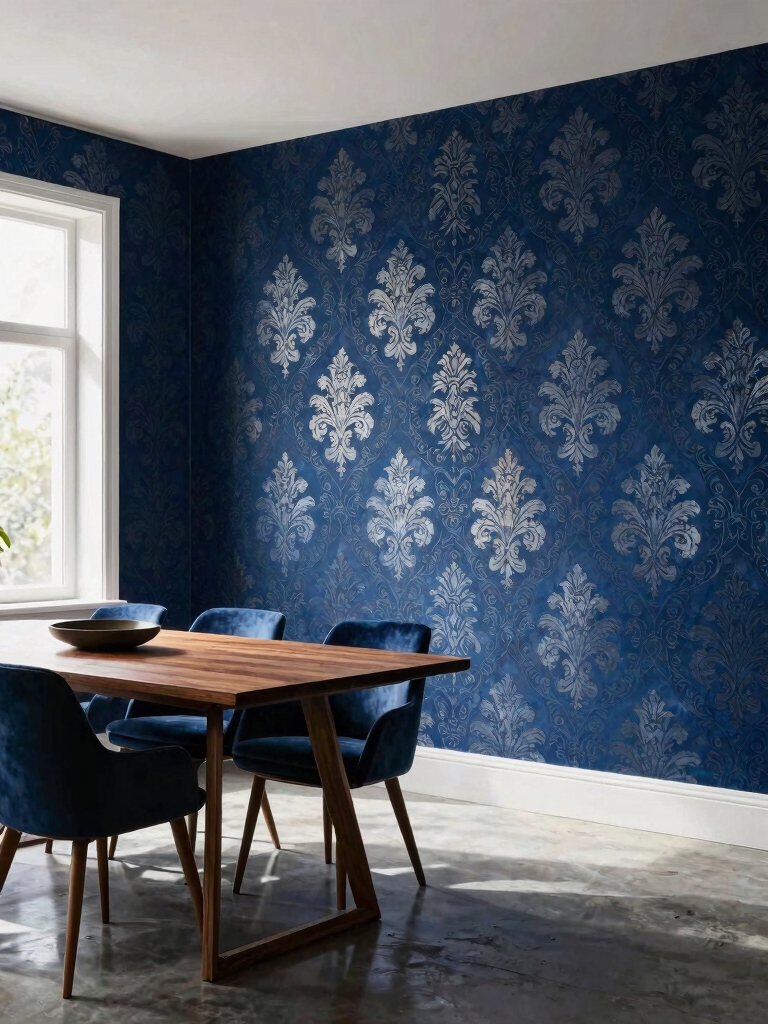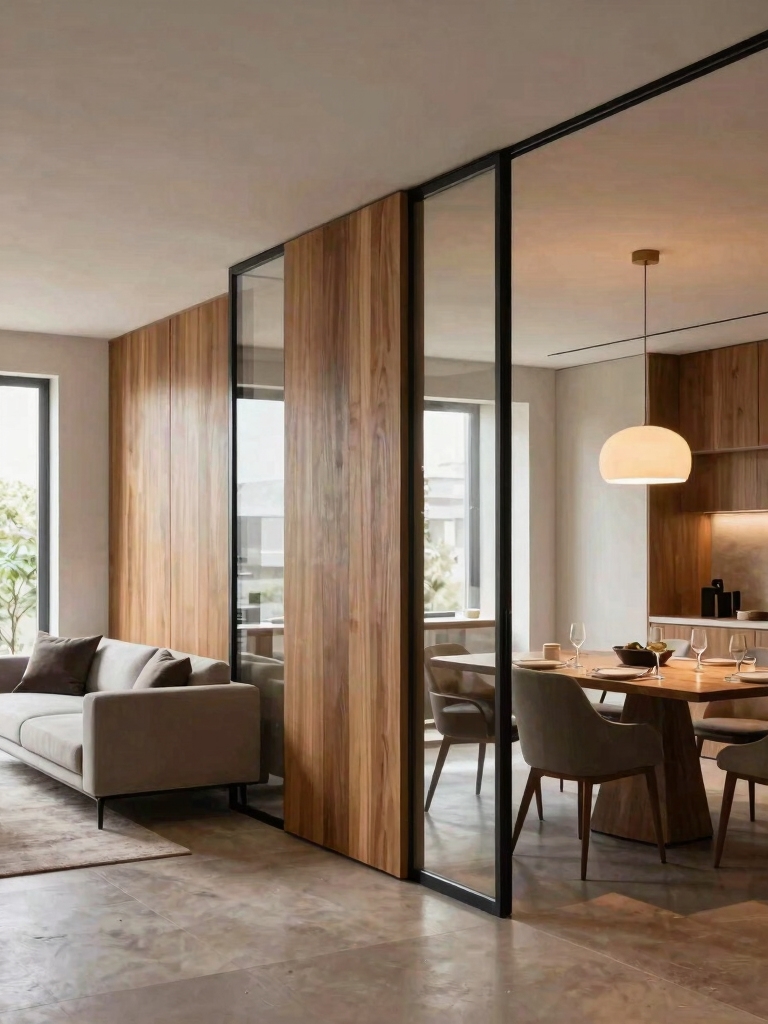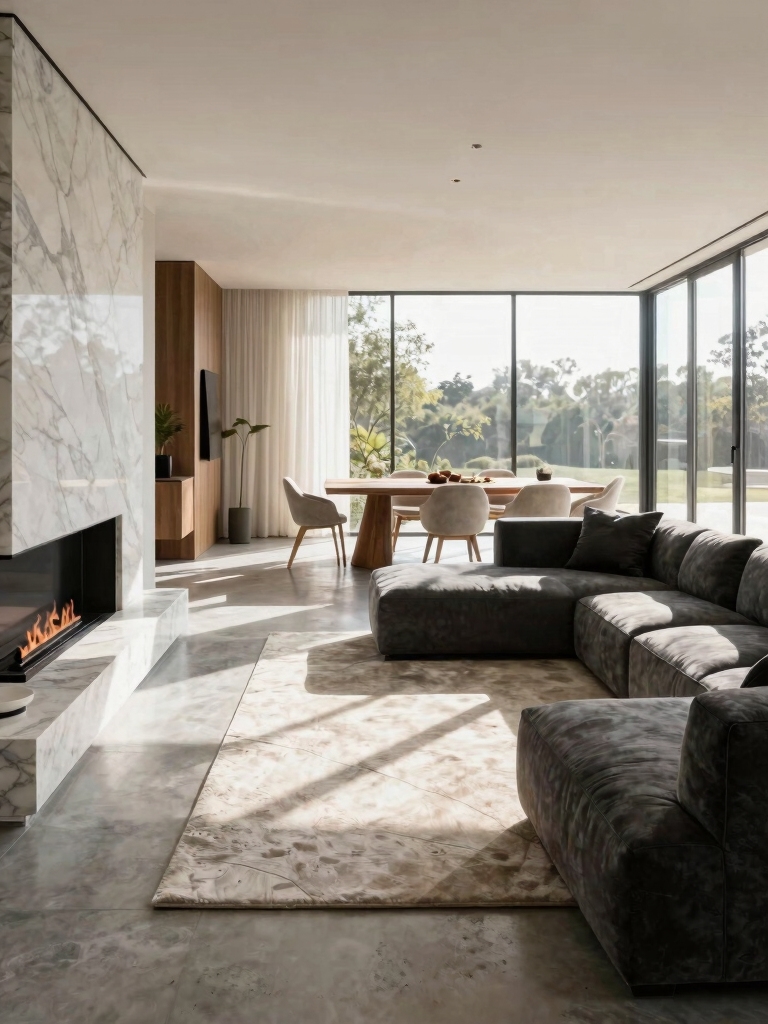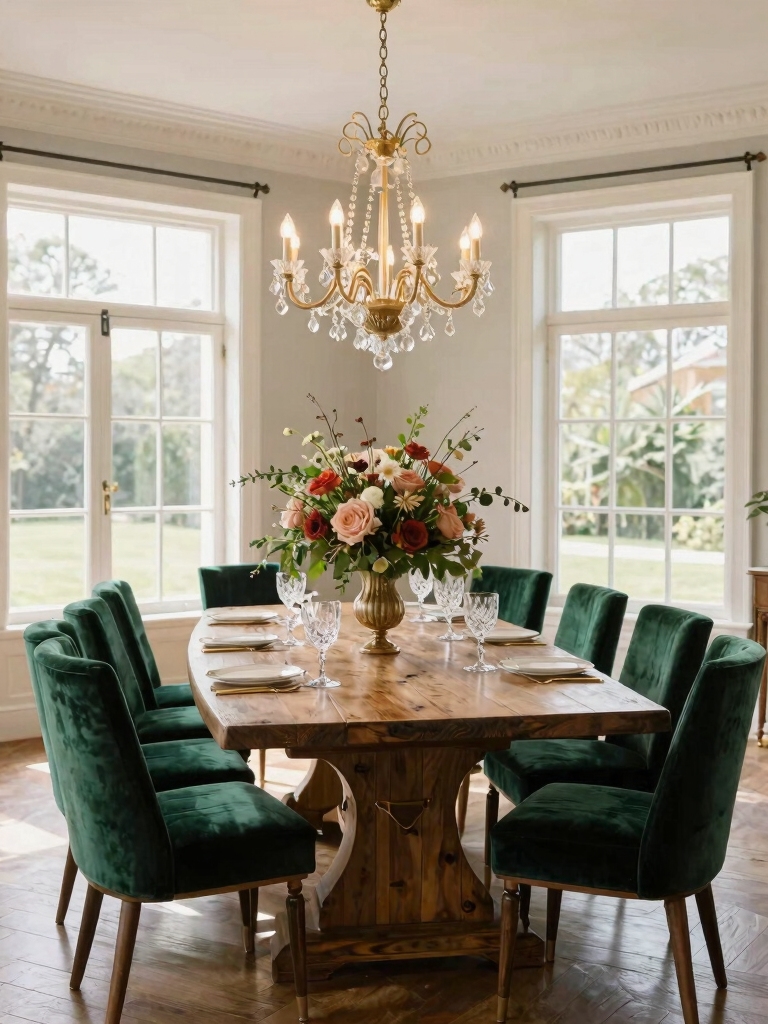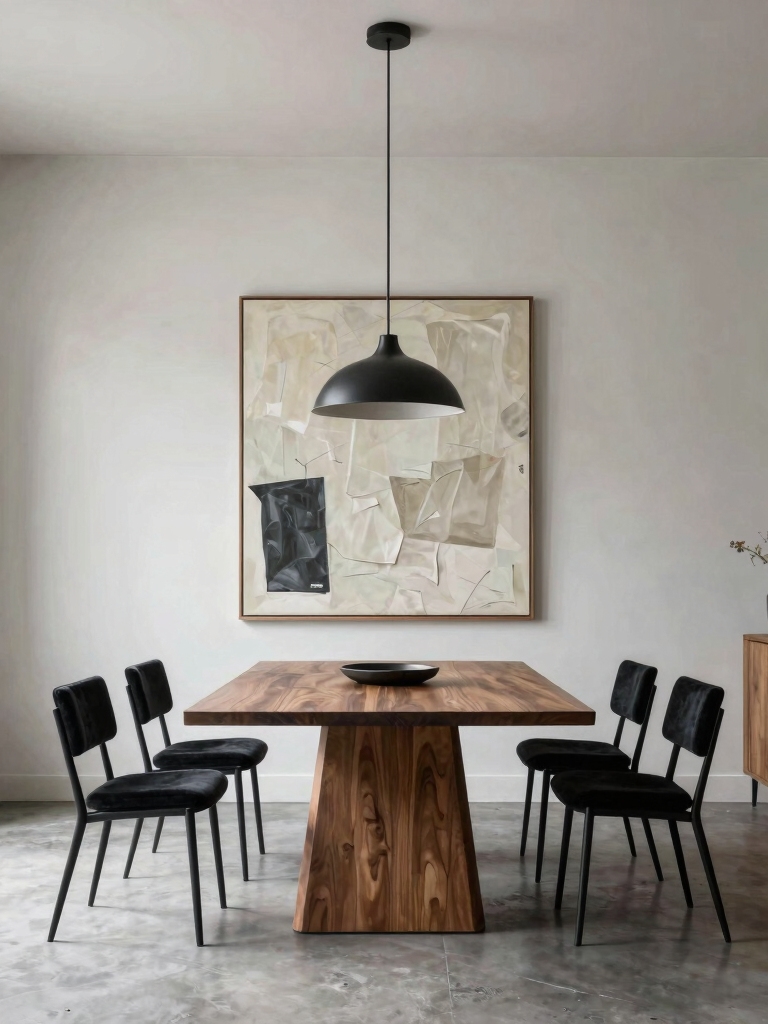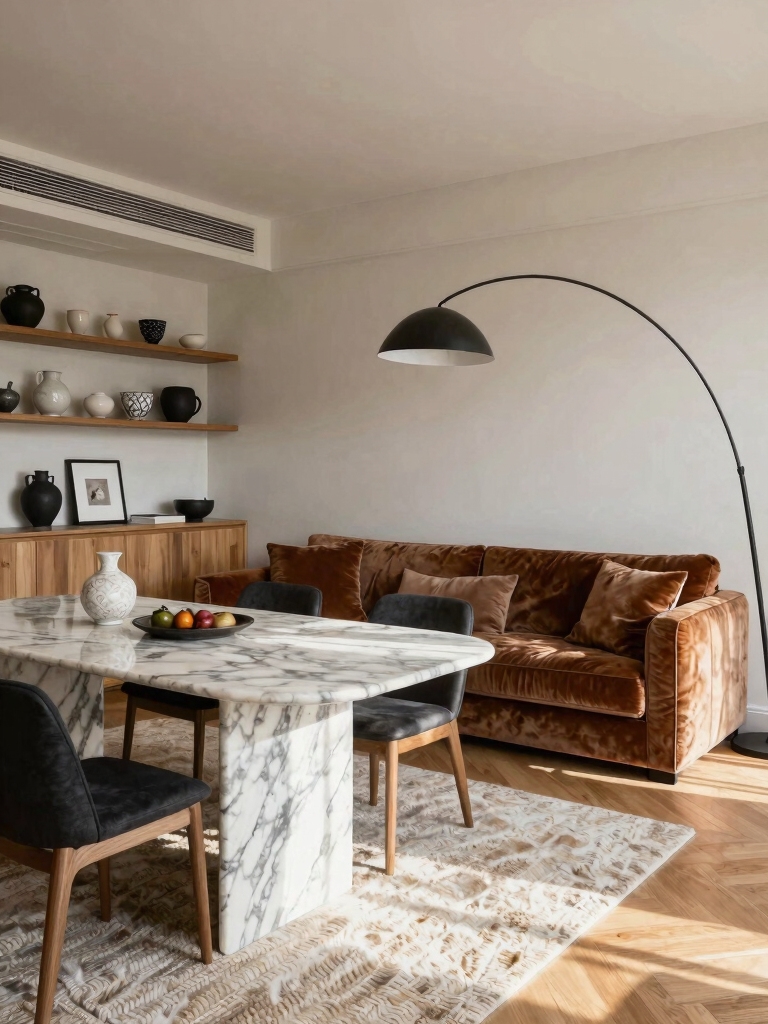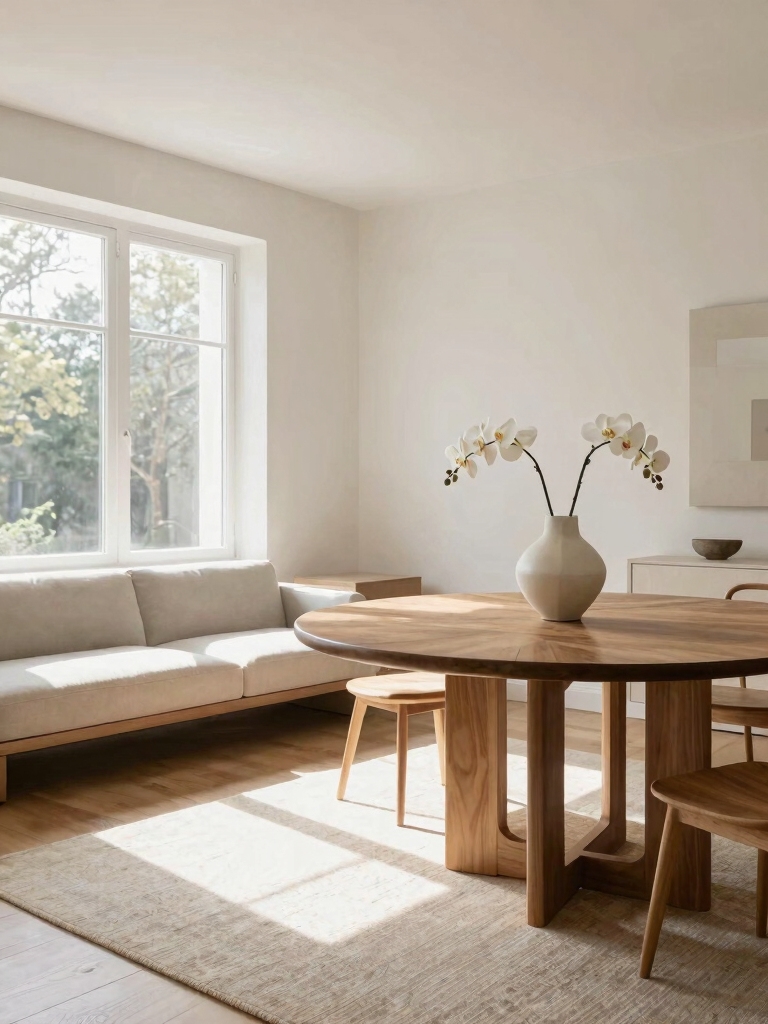
I start by choosing multifunctional furniture to free up floor space. I select scaled-down, leggy pieces and use a light color palette to create visual flow. Strategic mirrors amplify natural light and vertical storage declutters walls. I focus on meaningful decor and flexible seating to maintain an open, airy feel. These simple tricks can really transform your space—stick with me to see how each one works.
Maximize a Small Space With Multifunctional Furniture
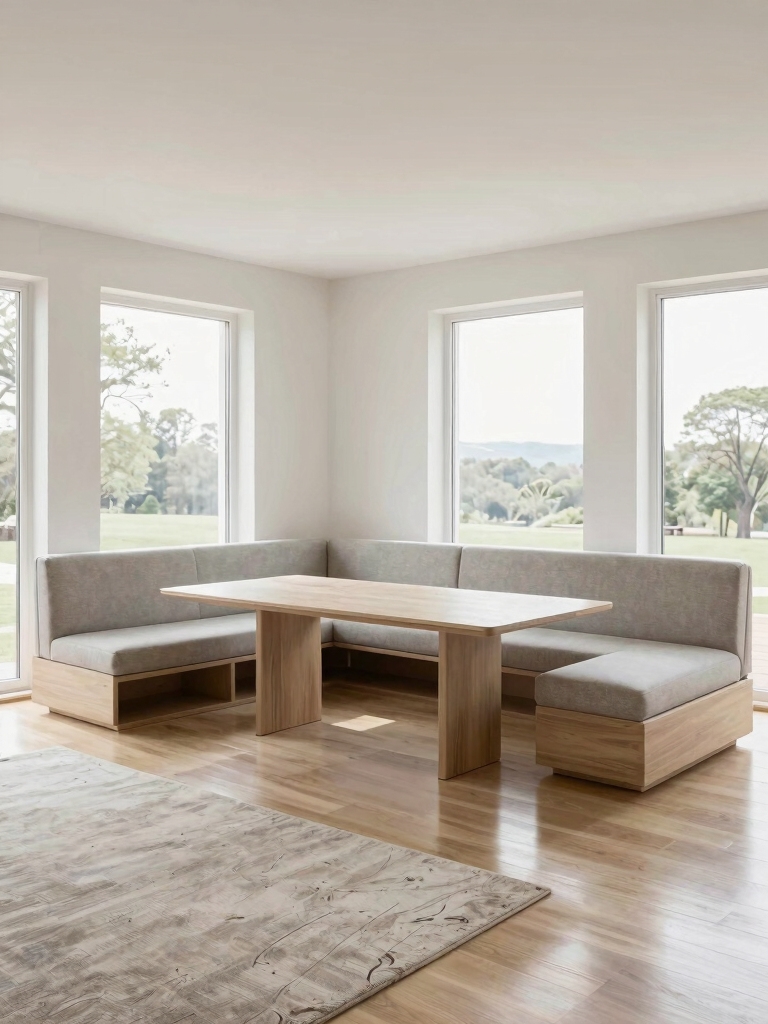
If you’re feeling cramped, you can immediately free up floor space by choosing pieces that serve more than one purpose.
I’ve swapped a bulky coffee table for a large, upholstered ottoman with hidden storage. My dining table doubles as a desk, and a console behind my sofa adds surface area while hiding linens.
Every piece must earn its keep. I look for slim, leggy designs that maintain an open, airy feeling. Incorporating multifunctional furniture is key to making small living and dining areas feel more open and stylish.
Create Space With Strategic Mirror Placement
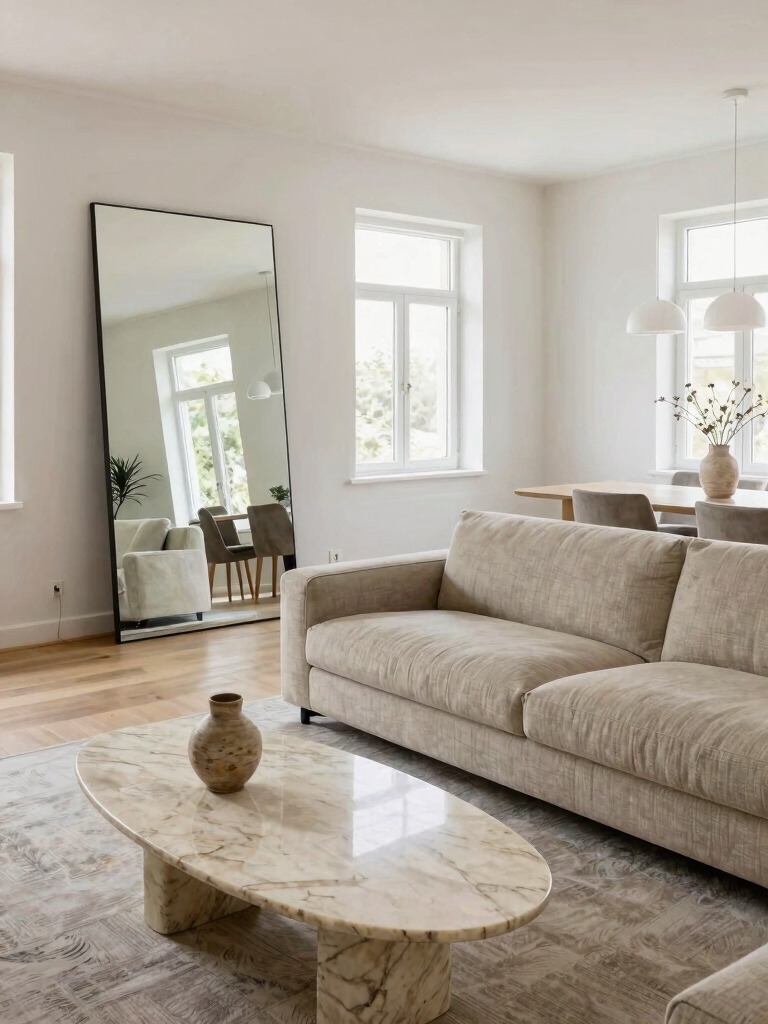
I’ll show you how I use mirrors to make my small rooms feel instantly larger.
Placing them to reflect a window brightens everything with natural light.
It’s also great to position a mirror to amplify a feature I love, like a favorite painting or architectural detail.
Using stylish mirror decor can transform your living room and open up space effectively.
Reflecting Natural Light
To make your small living and dining area feel instantly more open and airy, you can strategically place mirrors to amplify natural light.
I position mine directly across from my windows. This simple trick reflects the sunlight throughout the room, banishing dark corners.
It doubles the view and creates a brighter, more expansive atmosphere without any construction. You’re fundamentally borrowing free light and space.
Amplifying Existing Features
Since the previous subtopic already explored using mirrors to reflect natural light, let’s take that concept a step further. I use strategic placement to amplify my room’s existing features, making the space feel architecturally larger.
- Place a mirror opposite a key piece of art or a beautiful bookshelf to double its visual impact.
- Reflect a doorway or archway to extend the perceived length of a wall.
- Mirror a window’s view to bring the outdoors deeper inside.
- Use a large mirror behind a dining table to create an illusion of a second, symmetrical room.
Choose a Light and Cohesive Color Palette
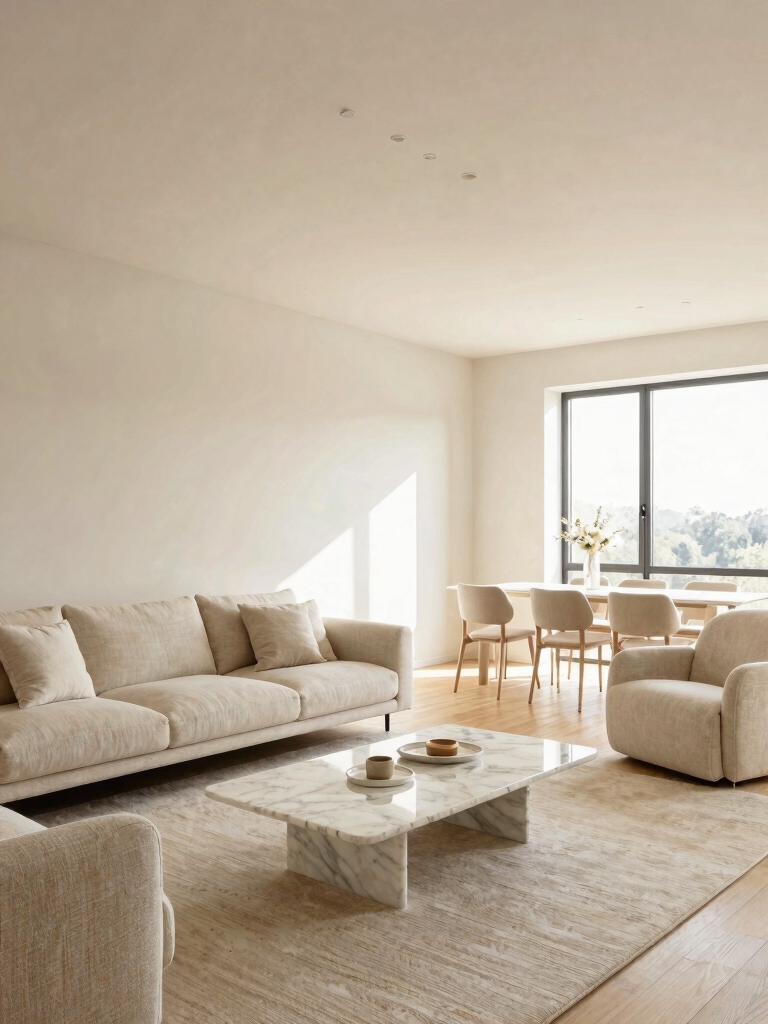
I find a neutral base hue instantly makes a room feel larger and calmer.
I then leverage a monochromatic scheme by layering shades of that color, which keeps everything cohesive.
This approach simplifies decorating and really maximizes the feeling of space.
Incorporating stunning wall decor can further enhance the visual impact and transform your small living and dining area.
Use A Neutral Base Hue
Choosing a light, cohesive color palette creates a calm foundation you can build upon with texture and accent pieces.
I prefer a neutral base hue, as it feels expansive and timeless. Start with your wall color, then layer related tones. This approach unifies the space visually, making it feel larger.
- Paint walls a soft white, warm beige, or pale gray.
- Use varying shades of your base for furniture.
- Introduce texture through natural materials like wood and linen.
- Add visual interest with a singular, bold accent color.
Leverage A Monochromatic Scheme
For a truly harmonious space, try a monochromatic scheme by selecting one primary color and using its various shades, tones, and tints.
I always choose a light, airy base, then layer in slightly deeper tones through textiles and artwork.
This trick creates a seamless visual flow, making the entire room feel more expansive and pulled together without any jarring contrasts that can chop up a small area.
Opt for Leggy and Transparent Furniture Pieces
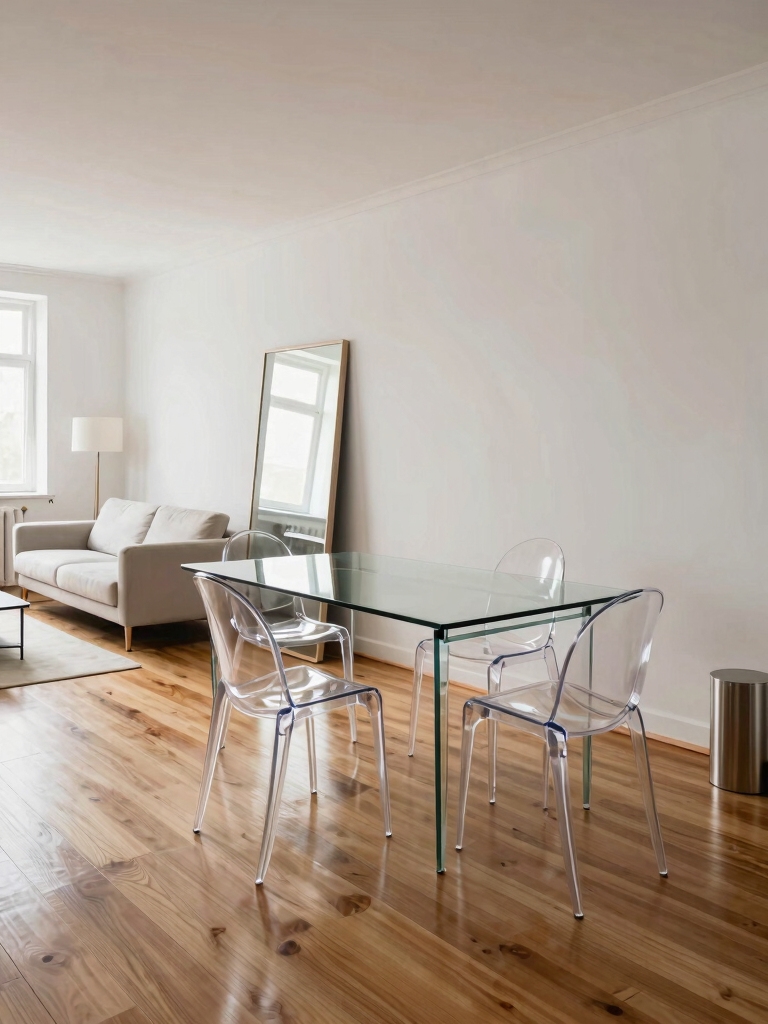
Since furniture with visible legs and clear materials like glass or acrylic avoids visual weight, you can use these pieces to instantly make a compact space feel more open and airy.
I find they don’t block sightlines, which tricks the eye into perceiving more floor and wall area.
- Choose a glass-top dining table to see more of the room underneath.
- Swap a solid coffee table for an acrylic one.
- Pick sofas and chairs on tall, slender legs.
- Use lucite shelves or side tables to maintain openness.
Additionally, incorporating budget-friendly decor tips can help you achieve a chic look without overspending.
Select a Scaled-Down Sofa and Dining Set
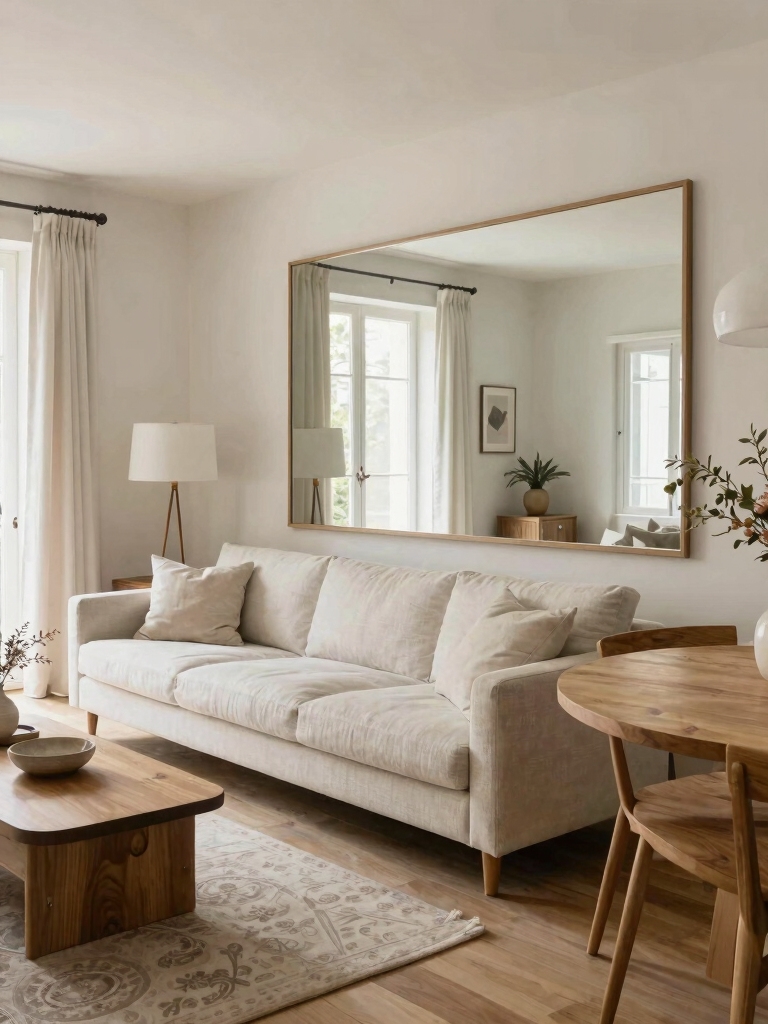
A thoughtful selection of scaled-down furniture is our next step for maximizing a combined living and dining area.
I choose a loveseat instead of a full sofa and a slim, oval dining table that seats four. These smaller pieces provide essential function without dominating the room.
They create clear walkways and a less crowded feel, making the entire space seem more open and livable from day to day.
Incorporating stylish living room decor tips can further enhance the aesthetic and functionality of a small apartment space.
Use Continuous Flooring to Visually Expand the Room
I’m a huge fan of continuous flooring because it unifies the visual flow.
It makes your living and dining areas feel like one connected space.
You’ll see how this simple choice expands your whole room.
This technique is one of the best small living room decor ideas to maximize every inch of your space.
Unify The Visual Flow
Keeping the floor consistent throughout your small living and dining area is a game-changer because it tricks the eye into seeing one expansive space instead of two cramped rooms.
- Choose large-format tiles or planks; fewer grout or seam lines enhance the continuous flow.
- Install boards parallel to the longest wall to visually stretch the room’s dimensions.
- Use a light, neutral color to reflect more light and feel airy.
- Minimize changes; avoid switching materials or adding threshold strips.
Open Floor Plan Connection
Since unifying your flooring is key to faking space, I’ll show you how to connect these zones seamlessly, making your whole area feel instantly larger.
Just use the same material—like wood or tile—throughout. Don’t interrupt it with a different rug or threshold.
This continuous path tricks the eye into seeing one expansive room instead of two cramped ones.
It’s a simple, affordable trick that really works.
Keep Sightlines Open and Clear
1. I make my small space feel instantly bigger by keeping sightlines open. From my sofa, I can see right through to the dining area, which makes everything feel connected and airy.
It’s all about managing what blocks the view.
- I opt for furniture with low profiles and exposed legs.
- I place taller storage items against walls, not in pathways.
- I use mirrors strategically to reflect light and views.
- I choose transparent pieces, like a glass coffee table.
Additionally, incorporating cozy sitting room inspiration can enhance the comfort and style of limited spaces while maintaining an open feel.
Define Zones With a Smart Area Rug Strategy
While managing sightlines helps the space feel open, the next step is making it feel organized.
I use area rugs to define zones without building walls. A large rug can anchor the living area, while a smaller one under the dining table creates a separate “room.”
Just guarantee all furniture legs touch the rug in each zone; this visually ties the pieces together and grounds the space.
Incorporating stylish living room tips can enhance the cozy feel of your compact space while maintaining functionality.
Embrace Vertical Space for Storage and Display
When I design a small space, I always look up!
I find high-impact wall shelves and multi-functional tall units make the most of vertical space for both storage and display.
These elements naturally create a focal point without crowding my floor plan.
Incorporating stylish decor tips helps transform your small space into a finished and functional area.
High-Impact Wall Shelves
Using vertical space with high-impact shelves lets me add both function and flair to my living and dining area without sacrificing floor space.
I install them strategically to hold my daily items and showcase personality. It’s a game-changer for making my home feel spacious and organized.
- Choose a bold, sculptural shelf design that doubles as art.
- Paint the shelving or wall behind it a contrasting, vibrant color.
- Mix closed cabinets for clutter with open shelves for display.
- Use consistent baskets or bins on higher shelves for cohesive hidden storage.
Create A Focal Point
Creating a focal point lets me anchor my room’s design while maximizing vertical space for storage and display.
I’ll pick a tall, eye-catching piece, like a striking bookcase or an artwork, and center my furniture around it. This draws the eye upward, making the ceiling feel higher.
The piece itself provides essential storage without eating into my precious floor space, which is key in a small room.
Multi-Functional Tall Units
My favorite tall units pack serious functionality into their vertical frames, letting me store and show off my stuff without spreading out across the floor. They’re my secret for a neat, airy room.
To maximize yours, think about:
- Mixing closed cabinets with open shelves to hide clutter and highlight decor.
- Choosing a slim, floor-to-ceiling design to truly capitalize on height.
- Using the top shelves for rarely-used items to keep daily essentials handy.
- Adding internal organizers like baskets or dividers within deep drawers.
Free up Floor Space With Wall-Mounted Storage
Because floor space in a small living and dining area is so precious, I always look to the walls for extra storage.
I’ll install floating shelves for books or decor and use wall-mounted racks for keys and mail.
In the dining zone, a narrow, vertical cabinet for glasses keeps my table clear.
This approach instantly declutters the room, making the entire space feel more open and functional.
Incorporating smart storage solutions can further enhance organization and maximize the utility of every inch.
Layer Your Lighting to Make a Room Feel Larger
Along with keeping surfaces clear, paying attention to light can expand the room’s feel. I never rely on just one harsh overhead. Instead, I layer multiple sources at different heights. This tricks the eye into perceiving more space.
- Install a dimmer switch for your main light to control ambiance.
- Add a floor lamp in a corner to push walls visually outward.
- Use table lamps to create inviting, depth-adding pools of light.
- Consider plug-in wall sconces to free up surface space entirely.
Incorporate Reflective and Metallic Accents
While you’re layering light to expand the space, also think about using mirrors and metallics to amplify that effect.
I hang a large mirror opposite a window to bounce light around, and I add smaller reflective pieces like a metallic lamp or picture frame.
These simple touches create visual movement and depth, making everything feel just a bit airier and more open without taking up an inch of floor space.
Declutter and Embrace Negative Space
Mirrors and metallics help visually expand a room, but the foundation of an open feel is actually clearing things out. I start by ruthlessly decluttering, knowing every item I remove creates breathing room.
Embracing negative space isn’t about emptiness; it’s about creating visual pauses that make the remaining decor feel intentional and calm. This process forces me to choose what truly matters, letting my small space feel expansive and serene.
- Negative space acts as a visual buffer, preventing the room from feeling like a cluttered catalogue.
- This practice highlights your favorite pieces, turning them into focal points rather than background noise.
- It introduces a sense of rhythm and balance, allowing the eye to rest and appreciate the overall composition.
- A cleared surface or empty wall becomes a canvas, making the space feel ready and open rather than congested.
Choose a Few Meaningful Decor Pieces
Once I’ve cleared the clutter and established that essential negative space, I turn my focus to selecting just a few meaningful decor pieces to fill it.
I ask myself if an item brings me joy or has a real story. One stunning artwork, a unique vintage find, or a beautiful plant is far more impactful than a dozen smaller knick-knacks.
Each chosen piece should feel intentional and special.
Add Flexible Seating That Tucks Away
Finding flexible seating that effortlessly tucks away is essential for a small living and dining space.
I focus on pieces that serve dual purposes and clear the floor when not in use.
- A storage ottoman that doubles as a coffee table and extra seating.
- Folding chairs hung on wall hooks for instant guest space.
- Nesting stools that slide under a console table.
- A sleek bench that tucks perfectly under the dining table.
Conclusion
I swear these tricks have given my tiny rooms a stadium’s worth of space! By choosing multifunctional furniture and light colors, I created an airy, uncluttered home that feels infinitely larger. A few strategic mirrors and leggy pieces were absolute game-changers. Trust me, decluttering and getting clever with your layout makes all the difference. My space now feels practically palatial.