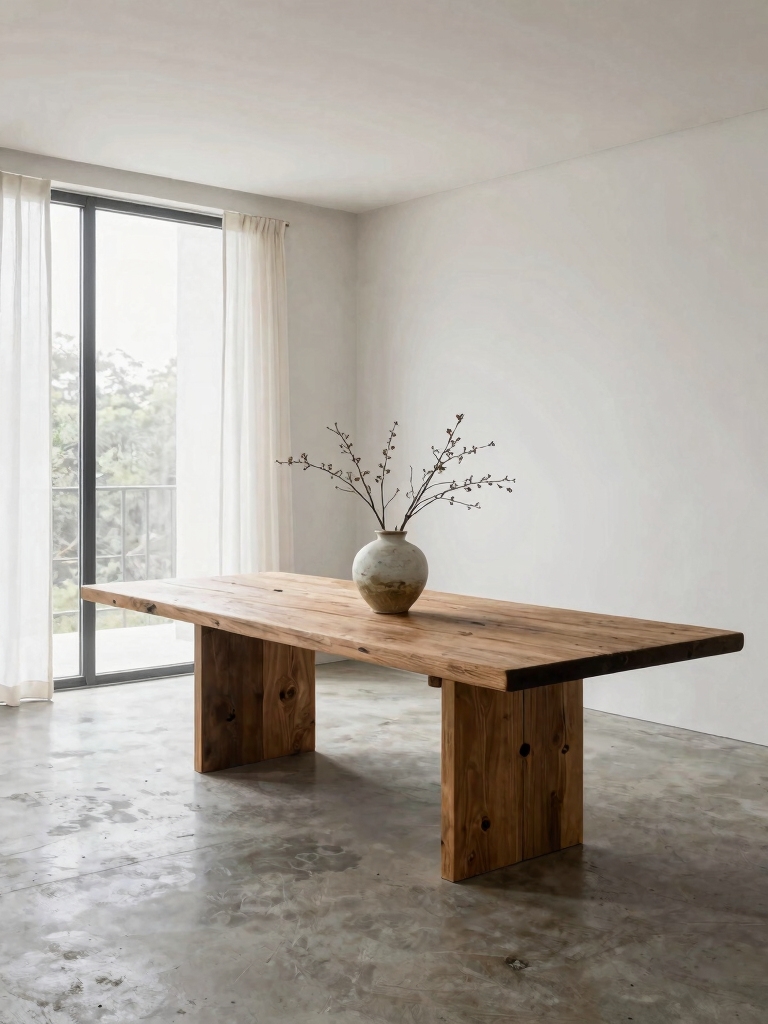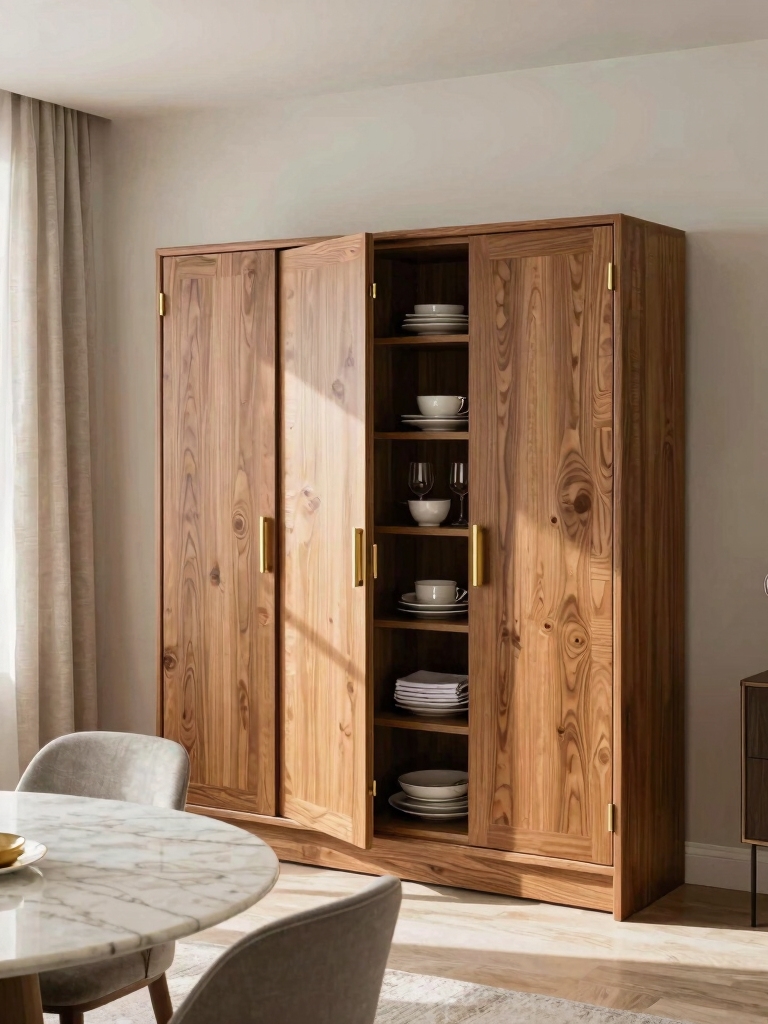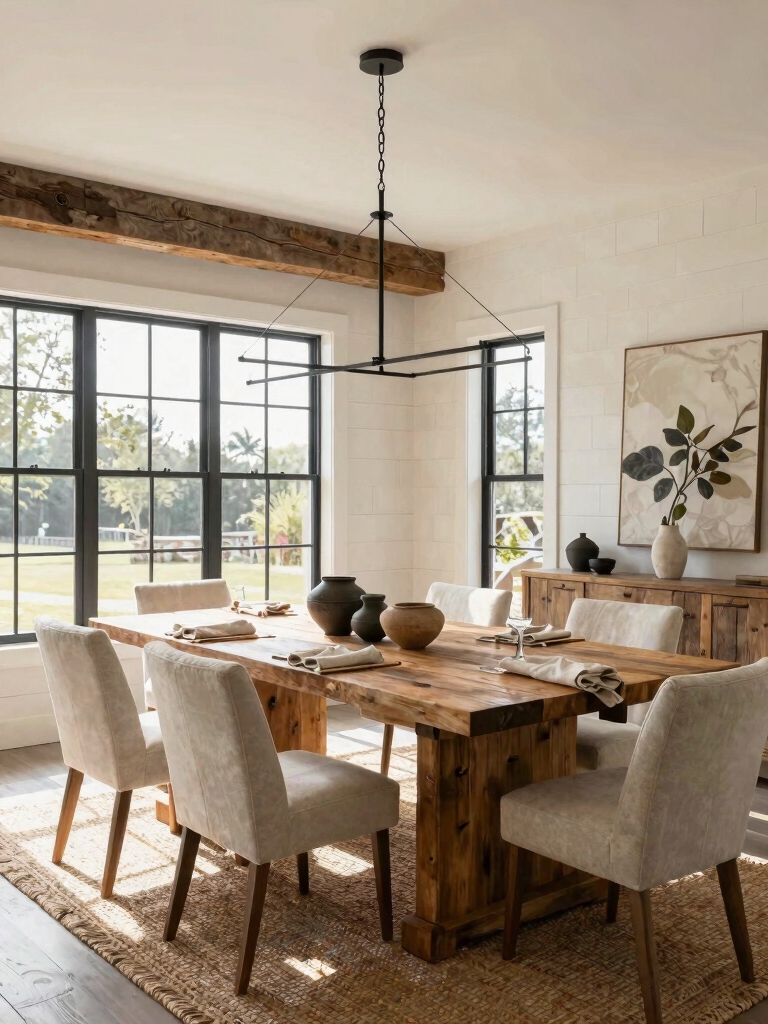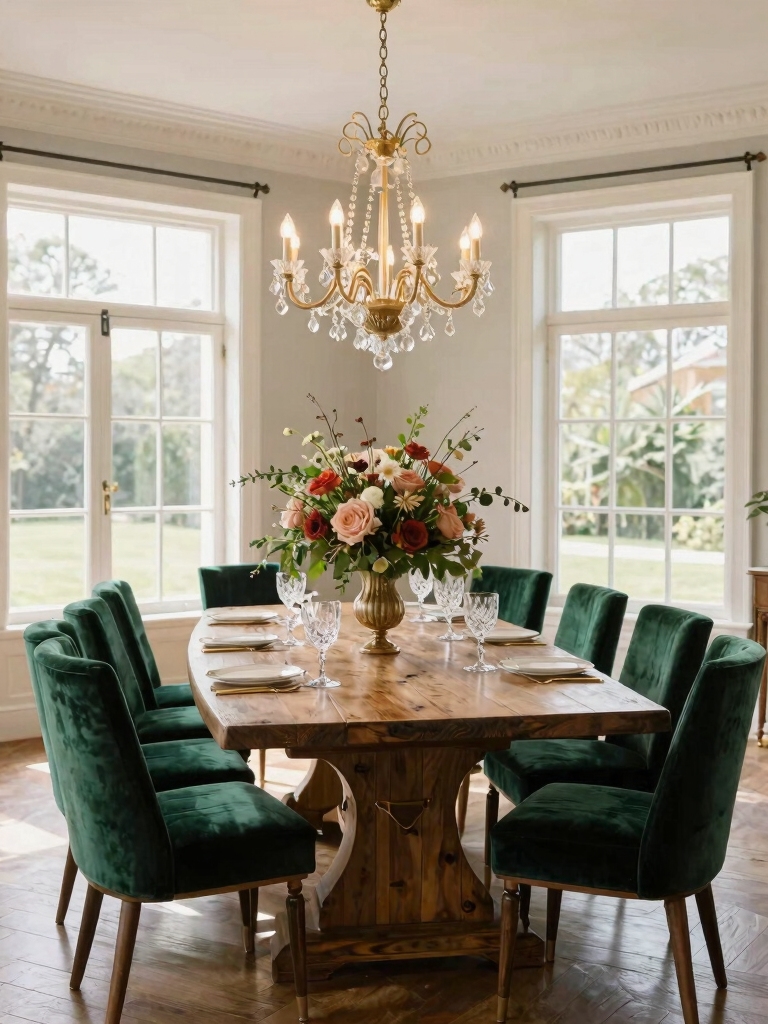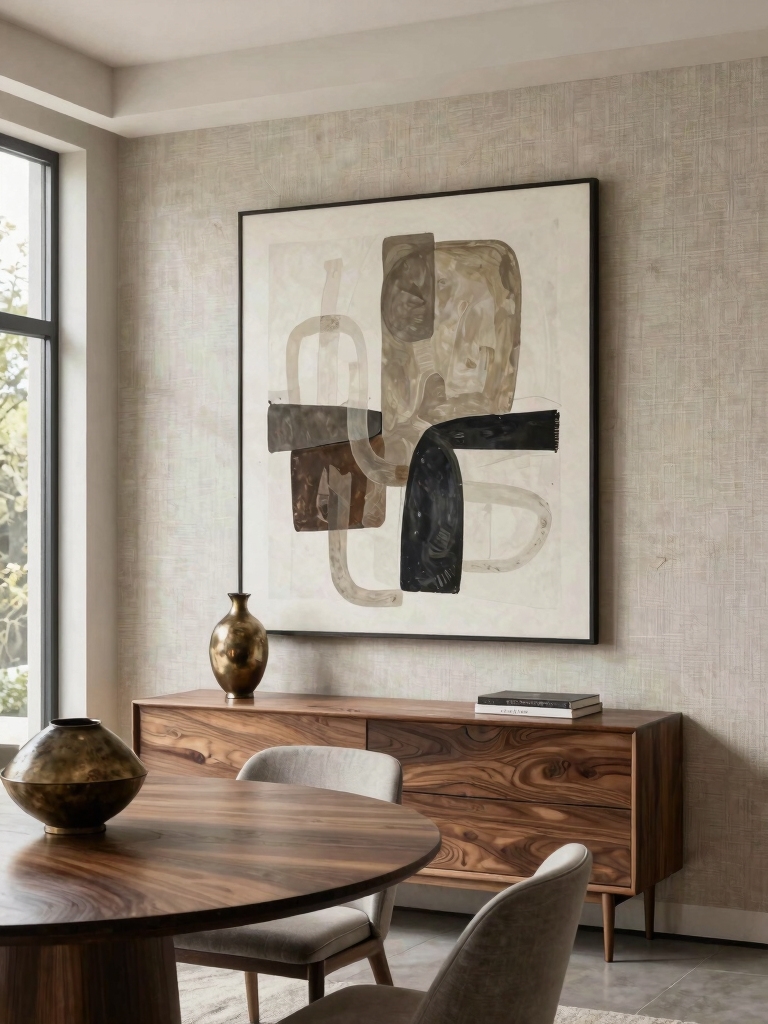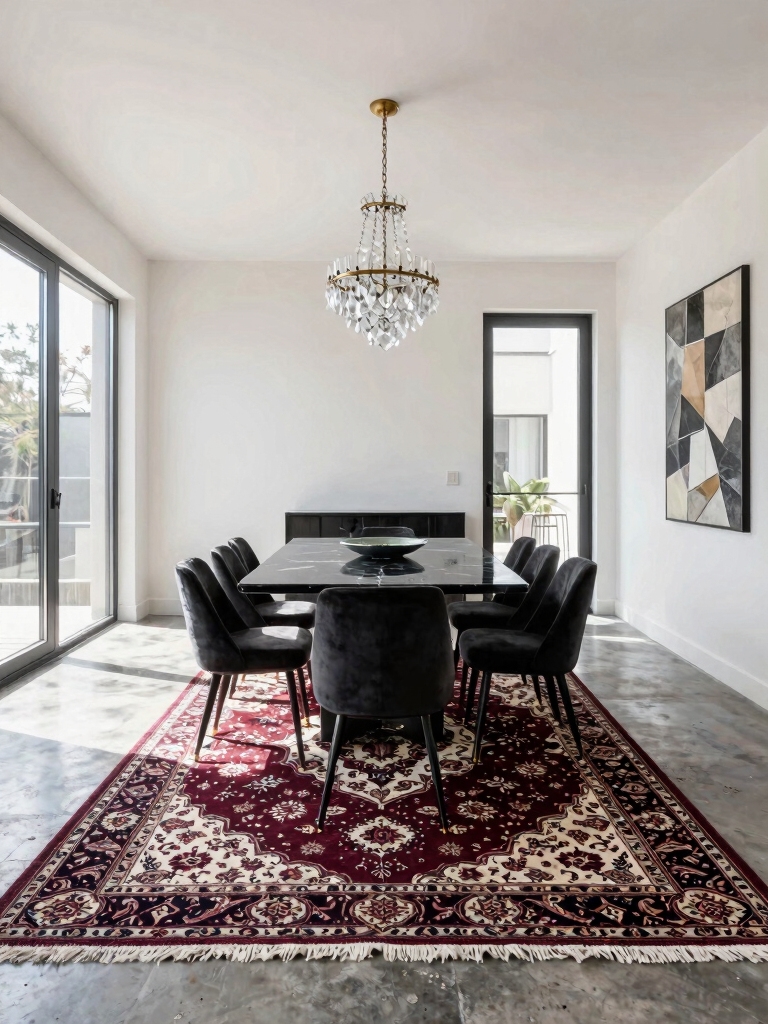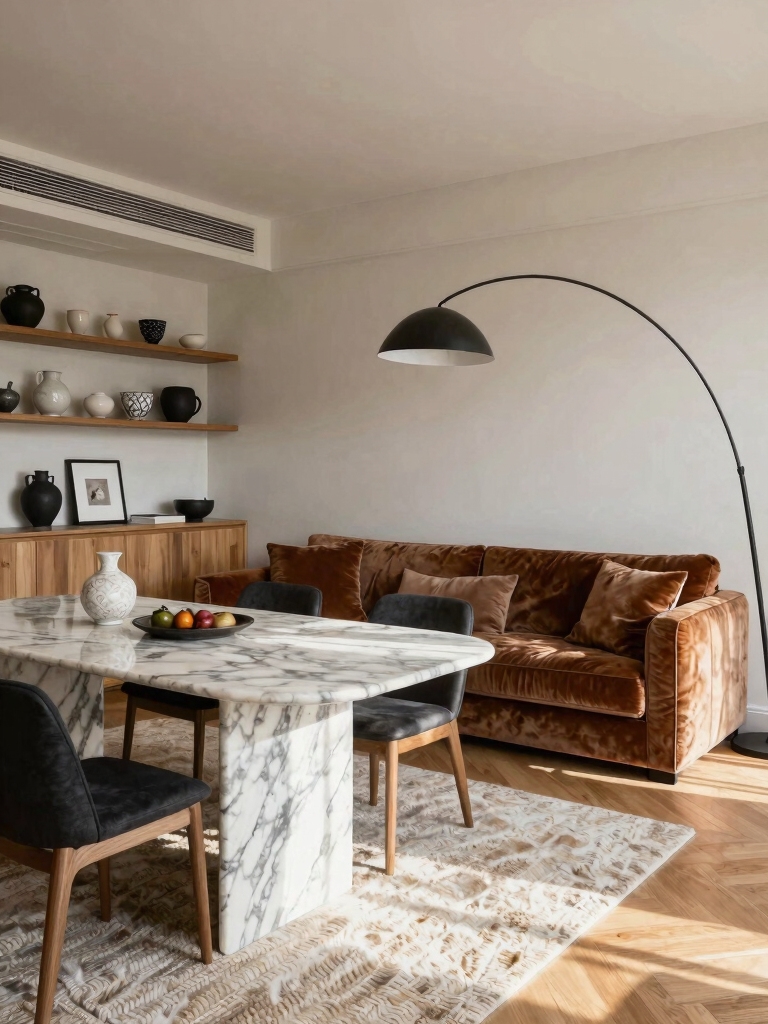
First, I map out each zone with rugs and a console. I use a light color palette to unify everything, making the room feel airy. Choosing flexible furniture like a compact sofa and drop-leaf table is key. I layer lighting with floor lamps and pendants, then tie spaces together with matching textiles. Position your sofa as a subtle divider to define each area without walls. I’ve found a few more clever tricks that really make the layout sing.
Start By Defining Your Living And Dining Zones
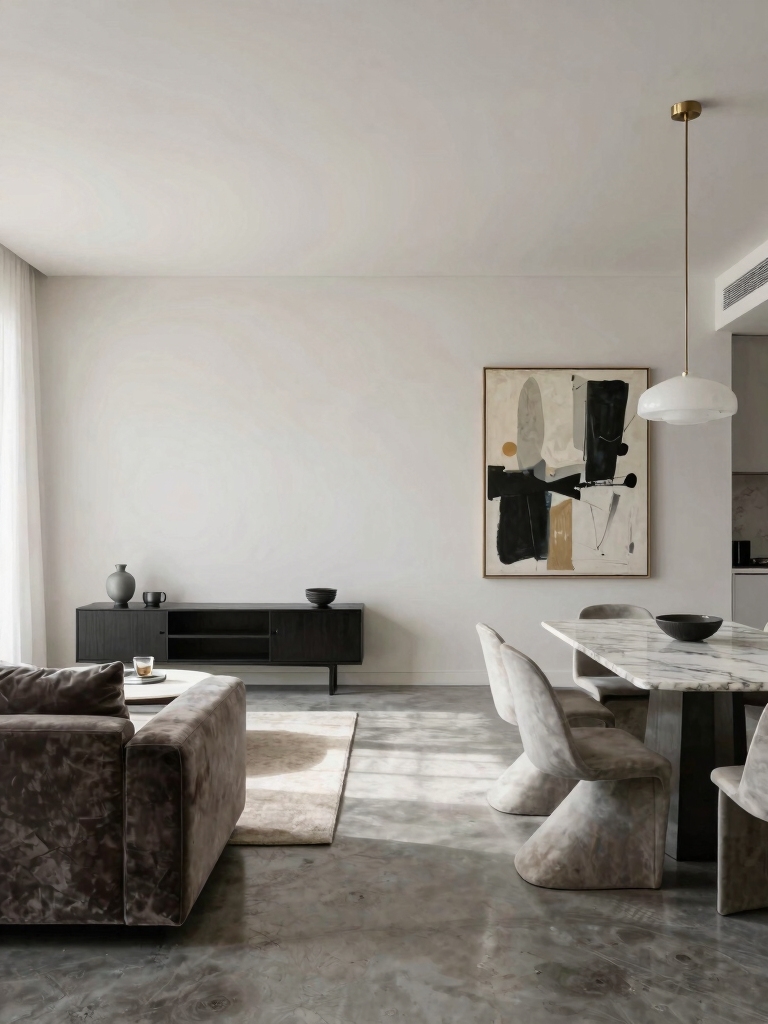
The very first step I take is to define my zones. I physically map out where my sofa should go for lounging and where my table fits for dining.
I often use my rug to anchor the living area. This mental floor plan stops everything from feeling like one cluttered mess.
I’m not building walls, but I’m creating two distinct purposes so each space feels intentional.
Incorporating stylish living room tips helps make the most of cozy spaces while keeping the areas functional and inviting.
Unify The Space With A Light Color Palette
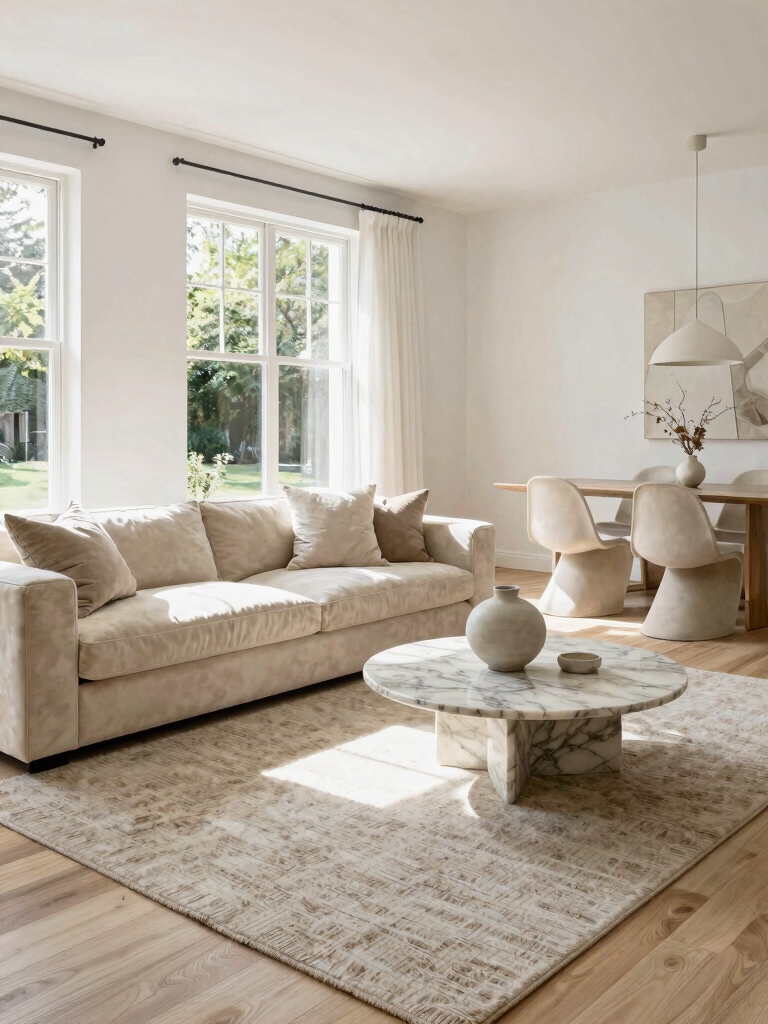
A light color palette is one of my most trusted tools for blending separate zones into a cohesive whole.
I use soft whites, pale grays, or warm beiges on my walls and larger furniture. This instantly opens up the room and makes it feel airier. It provides a calm, neutral backdrop that visually connects my living and dining areas, so they don’t feel like two cramped, competing spaces. Incorporating these colors helps transform small spaces into airy retreats, enhancing the overall sense of openness.
Choose A Dual-Purpose Anchor Piece For Your Combined Room
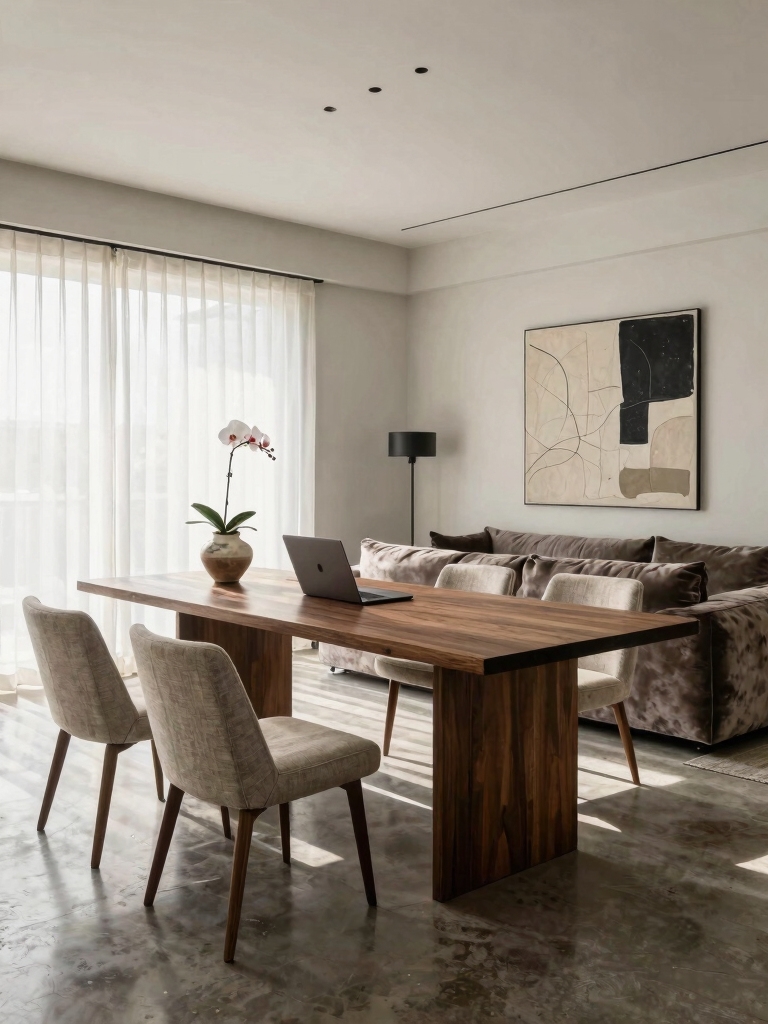
Selecting one standout piece that serves both zones can truly anchor your combined living and dining room.
I love using a large, beautiful storage console. It tucks away dining linens while displaying decor for the living area. This single piece creates a focal point that unifies the entire space.
- Feels intentional, not like two rooms crammed together.
- Reduces visual clutter for a calmer atmosphere.
- Gives you a proud, stylish centerpiece.
Incorporating multifunctional furniture is key to maximizing space in small living and dining areas, helping the room feel open and organized with stylish small living room and dining ideas.
Opt For A Space-Saving Drop-Leaf Or Extendable Dining Table
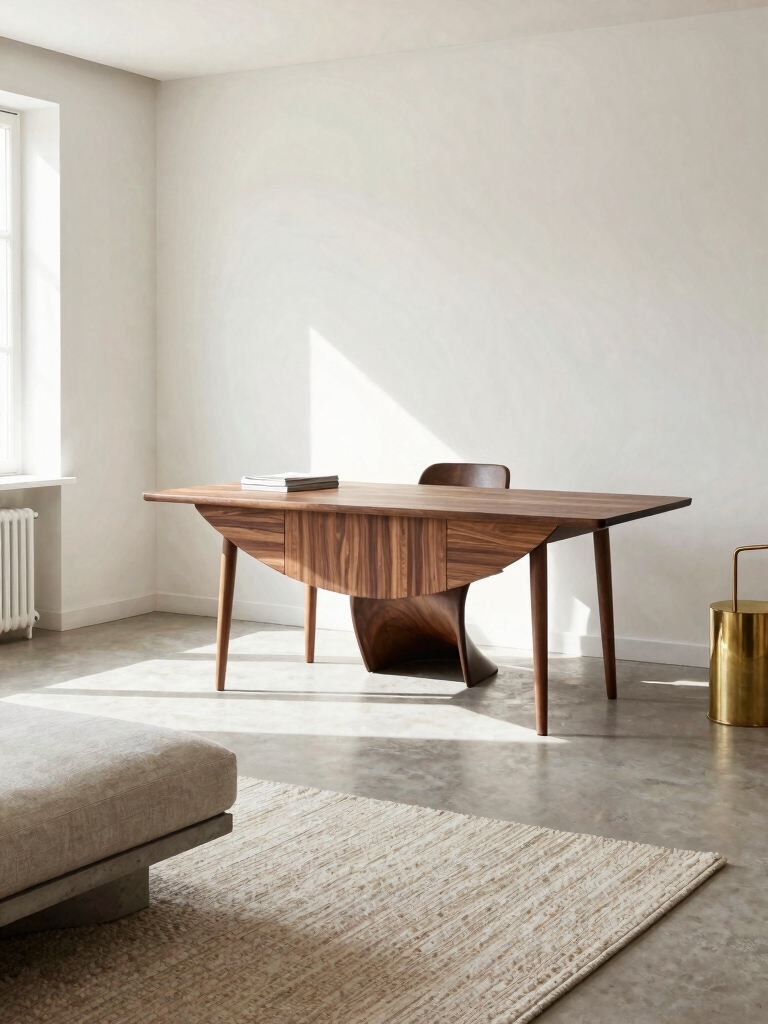
Since your space is doing double duty, I’d opt for a drop-leaf or extendable table as your dining surface.
It’s my favorite trick. You’ll keep it compact for daily life, then easily expand it for guests.
I’ve found this flexibility prevents your living area from feeling permanently cluttered.
Look for a style that complements your anchor piece, and you’ll have a functional, beautiful solution.
Small living rooms, especially in apartments, benefit greatly from charming small living room ideas that optimize every inch without sacrificing style.
Swap A Bulky Sofa For A Compact Loveseat Or Apartment-Sized Sofa
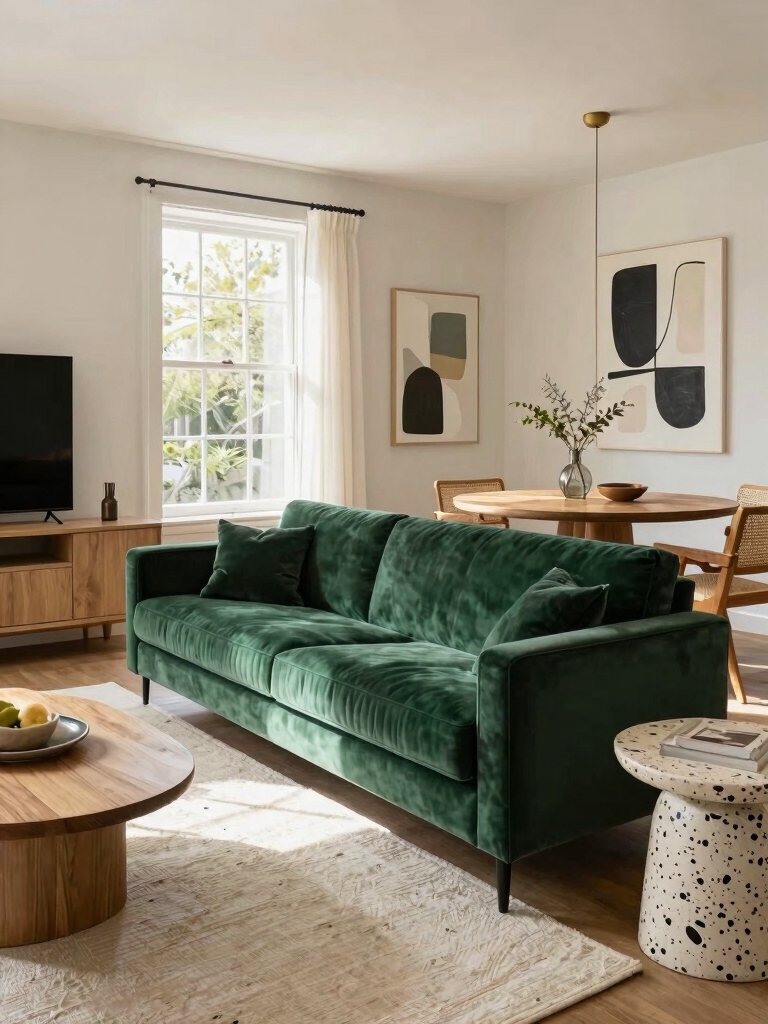
My next essential move is trading a full-sized sofa for a space-smart loveseat or apartment sofa. It’s a simple swap that instantly frees up precious square footage for your dining area. You’ll feel the difference immediately.
- Experience the relief of clear pathways instead of squeezing past furniture.
- Enjoy the cozy intimacy a smaller sofa creates for conversation.
- Gain the freedom to finally add a side table or floor lamp you’ve wanted.
Maximizing every inch of your small living space is key to creating a functional and inviting atmosphere, making this swap a crucial decor tip.
Use Foldable Dining Chairs You Can Tuck Away
Because every square inch counts, I love using foldable dining chairs that can easily be tucked away when they’re not needed.
They free up so much floor space for daily living. I simply unfold four for dinner guests, then fold and lean them in a closet corner after we eat.
This trick keeps my main area feeling open and uncluttered, which is essential in a combined living and dining room.
Incorporating charming decor tips can further enhance the ambiance and functionality of your small living dining area.
Maximize Storage With Vertical And Multi-Functional Furniture
To make the most of a compact space, I prioritize furniture that grows upward and serves multiple purposes. A tall, slim bookcase gives me tons of storage without eating up floor space.
I also love an ottoman with a hidden compartment—it’s extra seating, a coffee table, and a secret stash for blankets.
- The relief of finally having a spot for everything.
- The clever satisfaction of a hidden storage hack.
- The cozy comfort of keeping essentials within easy reach.
Incorporating space-saving solutions like wall-mounted shelves and foldable furniture can instantly free up valuable room in small living dining areas.
Add A Narrow Console Table Behind Your Sofa
I suggest placing a narrow console table behind your sofa as a clever way to save space and define your living area.
It gives you a spot for lamps, books, or decor without taking up floor space in front. This simple trick helps create a visual boundary between your living and dining zones, making the whole room feel more organized.
Adding cozy elements like cushions or throws on the sofa can enhance comfort while maintaining a space-saving layout.
Space-Saving Storage Solutions
Three clever tricks can turn that awkward space behind your sofa into a functional storage zone.
I use a narrow console table there for lamps and books, turning a void into a useful surface. It’s a game-changer for keeping clutter off my coffee table and floor.
- Conquer the clutter that’s been piling up on other surfaces.
- Gain a new spot for your favorite decor or reading light.
- Feel the relief of finally using every inch of your room.
Defining The Two Areas
One great way I’ve found to create a visual boundary between the living and dining zones is to slide a narrow console table right behind my sofa.
It instantly delineates the spaces without blocking sightlines. I use mine for lamps and decor, adding function.
This simple divider trick makes each area feel intentional, so my compact room accommodates both relaxation and meals without ever feeling like one jumbled mess.
Install A Floating Shelf As A Subtle Visual Divider
I love using a floating shelf to mark the boundary between my living and dining areas because it creates a division without any bulky furniture.
It’s a stylish way to add storage or display a few decorative items. This simple trick keeps my space feeling open while giving each zone its own definition. Incorporating elements from cozy sitting room inspiration can make even limited spaces feel inviting and well-designed.
Dividing Without Bulky Furniture
Because you want a clear sense of two zones without creating a physical barrier, installing a floating shelf is a clever way to visually divide the space.
I love how it defines my areas while keeping the room feeling open and airy. It’s all about suggestion, not obstruction.
- It feels like you’ve cleverly outsmarted the room’s small footprint.
- You get to display favorite items without any clutter.
- The space breathes freely, avoiding that cramped, boxed-in feeling.
Stylish Storage And Display
This clever use of a floating shelf creates a dual-purpose piece that both defines the space and offers a home for your treasures.
I love how it subtly hints at a room divider without any bulk. You can style yours with books, a vase, or a small lamp.
It’s a perfect spot to display what you love while keeping your sightlines open and your floor space clear.
Use A Light-Filtering Room Divider For Privacy
While you’re carving out distinct zones in your open plan, consider how a light-filtering room divider can grant you privacy without sacrificing that airy feel.
I love how mine softly defines my reading nook from the dining area. It’s a simple trick that makes the whole space feel more intentional and cozy.
- The gentle glow of morning light through the screen.
- A quiet sense of separation when you need to focus.
- Watching shadows play across the floor in the afternoon.
For an open space, choosing a creative room divider solution can also enhance the overall flow and functionality of the room.
Create Depth By Mirroring Your Wall
If you’re craving more dimension, mirroring a wall is a brilliant way to visually expand your compact dining space.
I lean into large-format mirrors for maximum impact. Positioning one directly opposite a window doubles the natural light and view, making the whole area feel instantly airier and larger.
It’s a simple, classic trick that always makes my combined rooms feel less cramped.
Illuminate Each Zone With Layered Lighting
Because a single overhead light often falls short, I always illuminate my small living-dining area with layered lighting to define each zone.
It’s practical for tasks and creates a cozy, inviting mood. I use these three layers:
- A soft floor lamp’s glow for a welcoming reading nook.
- A focused pendant to make dinner feel like a special occasion.
- Subtle LED strips that add a modern, magical touch.
Tie The Spaces Together With Coordinating Textiles
To create a cohesive look in my combined living and dining area, I rely on coordinating textiles.
I’ll repeat a color or pattern from my sofa cushions in the dining chair upholstery or a runner.
Matching a throw blanket’s texture with the table linens also works wonders.
This simple trick visually connects the two zones without making them feel matchy-matchy, which is perfect for a small, open floor plan.
Position Your Sofa To Separate The Living And Dining Zones
- The gentle barrier gives each zone a sense of privacy and purpose.
- You gain a clear walking path between spaces, avoiding a cluttered feel.
- Your sofa becomes a thoughtful anchor, not just a piece of furniture.
Anchor Each Zone With A Dedicated Area Rug
Now that your sofa defines each area, you can use rugs to visually ground them.
I’d pick a rug for the conversation zone and another under the dining table. It really carves out each space.
Keep the front legs of the sofa on the living room rug—it ties everything together.
This trick helps the whole room feel intentional, not like one big, jumbled mess.
Conclusion
I know combining these rooms feels tricky, but you can truly master the space. Start with just one tip, like defining your zones with a rug. It doesn’t have to be a major overhaul. I’ve found that embracing the coziness makes my dual-purpose room a personal favorite spot for both relaxing and entertaining.