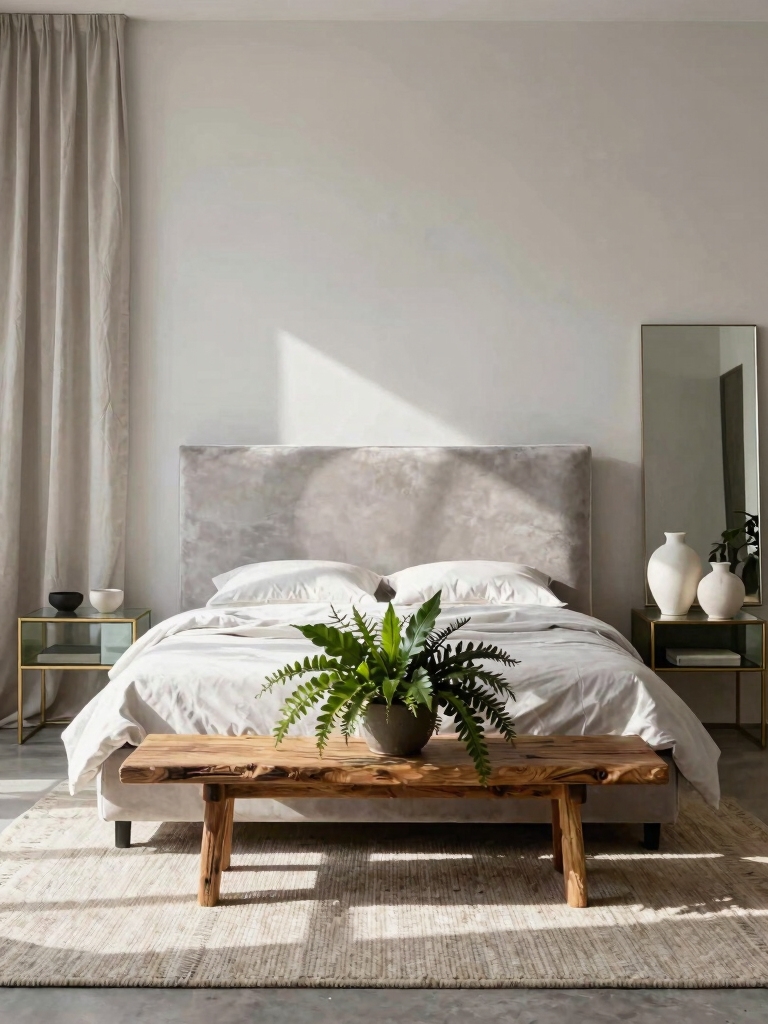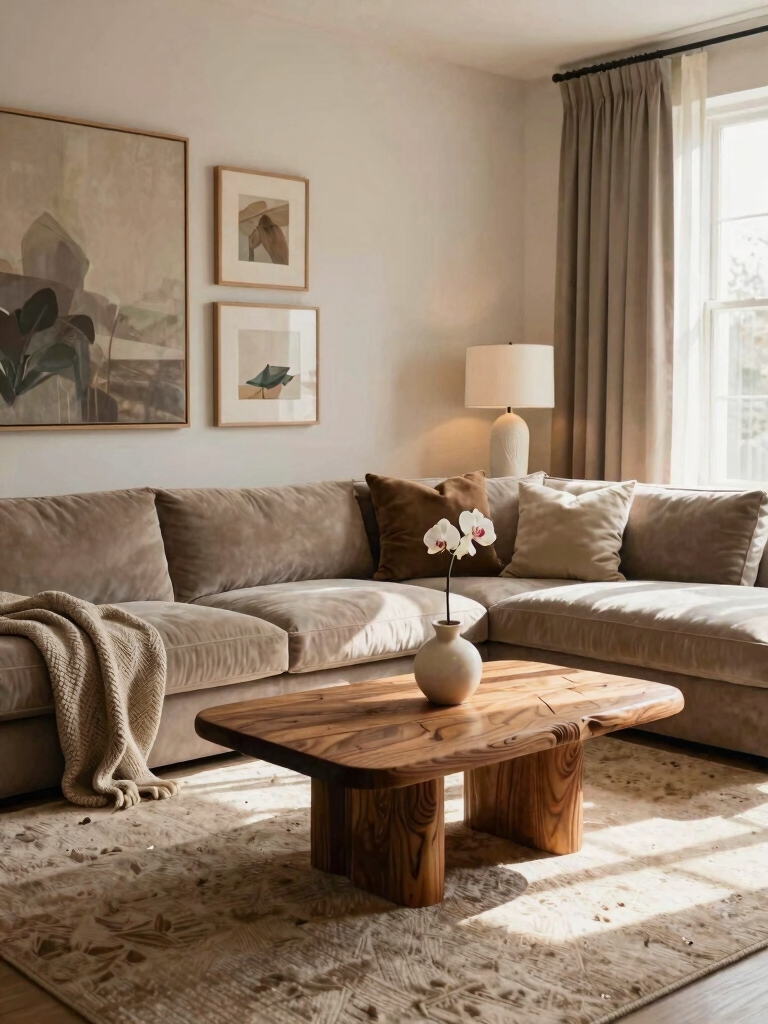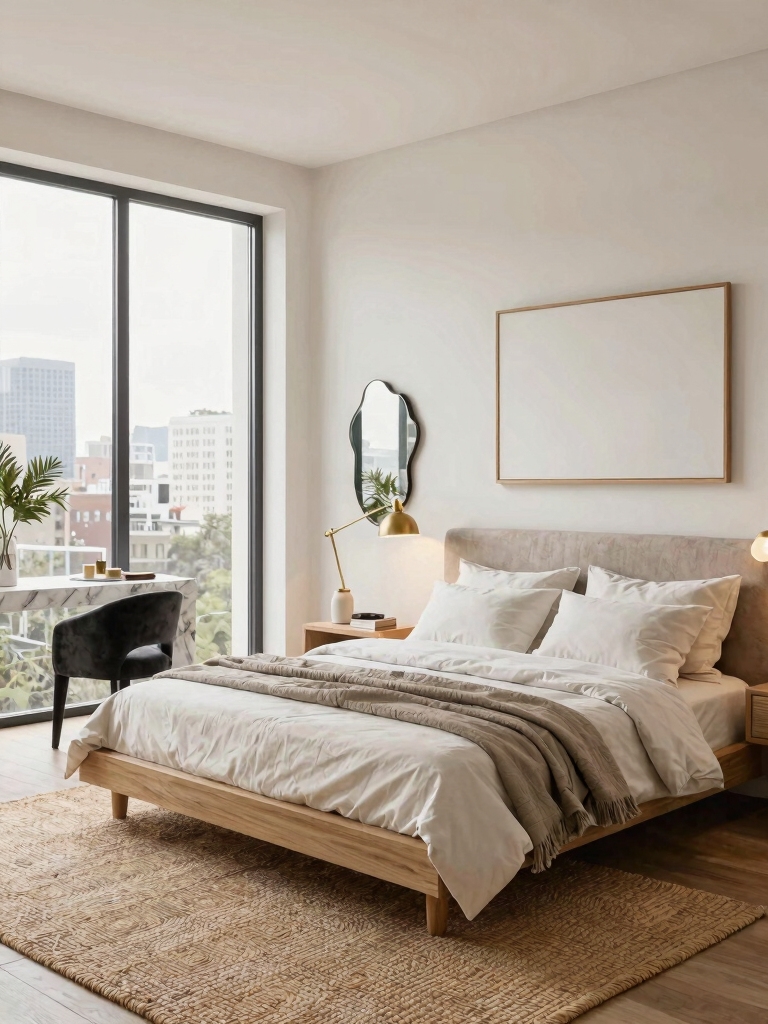
I’ll share practical, stylish tweaks that make small rooms feel twice as big without losing coziness. Think clever layouts, storage beds, and multi-function furniture to clear the floor. Light colors, layered lighting, and reflective surfaces expand space, while rugs define zones without crowding sightlines. Keep clutter low and use vertical shelving to breathe air into the room. If you keep these ideas in mind, you’ll get brighter, calmer spaces—and more tricks to try as you go.
What Tiny Rooms Really Need to Feel Bigger
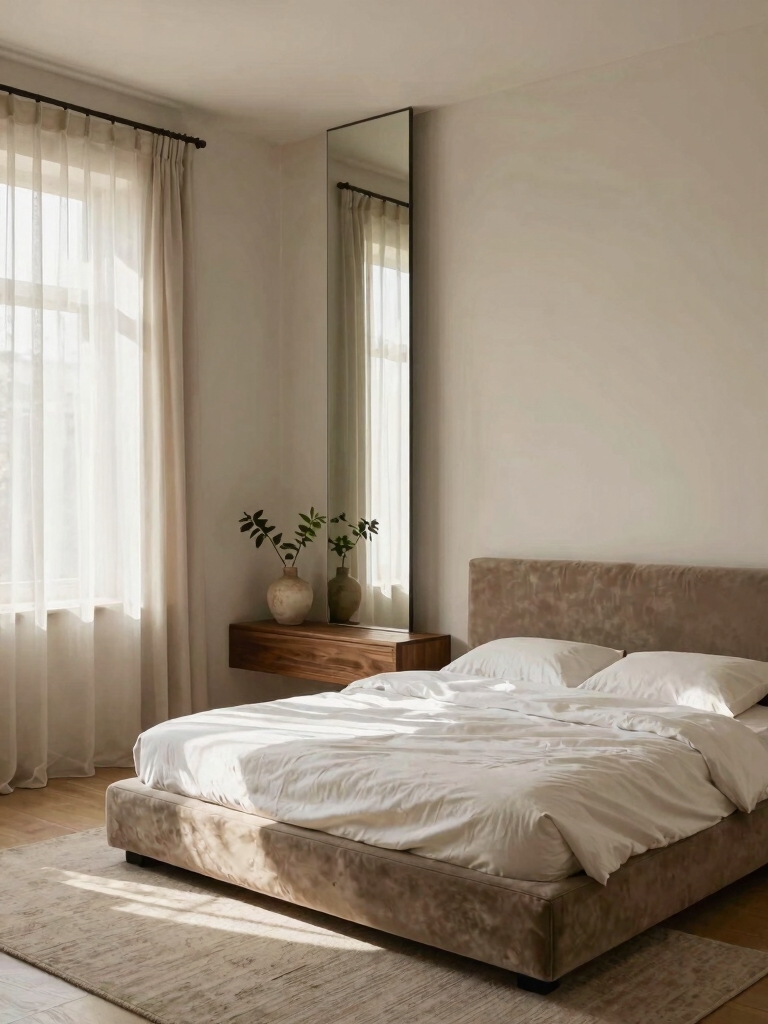
Small rooms can feel surprisingly roomy with a few smart moves. I’m telling you what really matters: clever layouts, organized storage, and color that doesn’t shout.
I’ll prioritize scale, keep furniture low and open, and create clear sightlines. Use mirrors sparingly for depth, not distraction.
Neutral bases, pops of purpose, and tidy surfaces make space feel intentional and noticeably bigger.
Incorporating smart design tips can transform your small living room into a more functional and visually appealing space.
How Light Palettes Make a Tiny Room Read Bigger
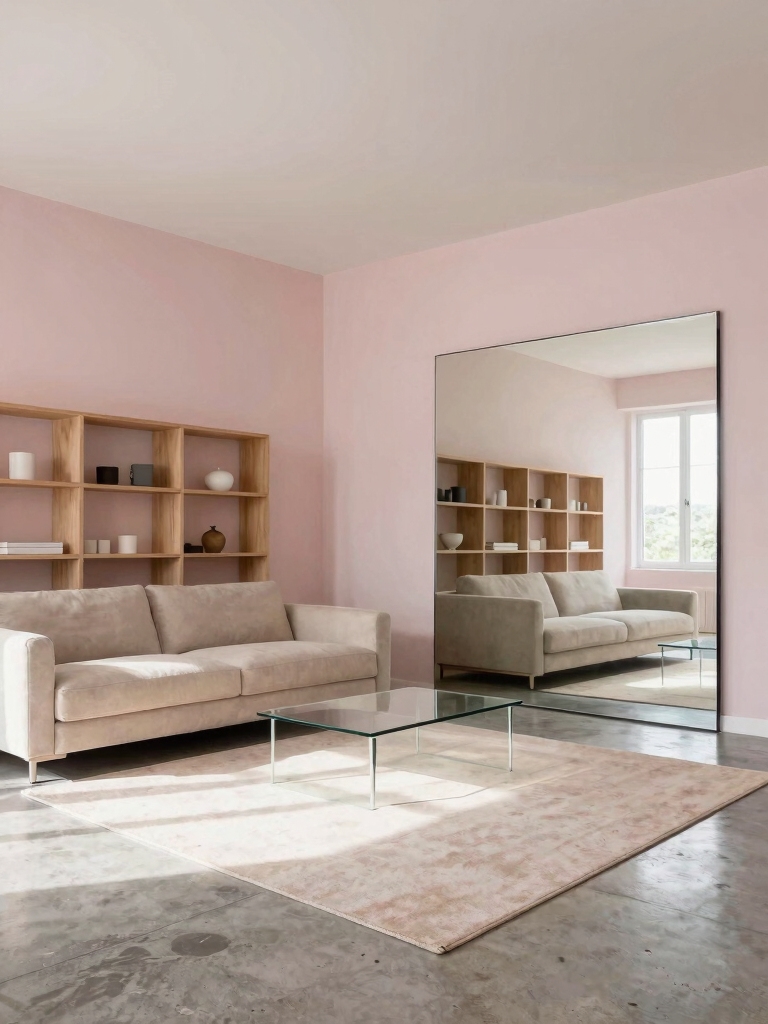
Light colors expand space by washing walls and ceilings in a single, airy hue.
Brightness boosts perceived size, so a well-lit room feels taller and more open.
I’ll show how reflective surfaces amplify light to keep the room feeling bigger without changing its footprint.
Incorporating smart furniture choices can also transform small spaces into airy retreats that maximize comfort and style.
Light Colors Expand Space
When you paint and decorate with light colors, a tiny room suddenly feels airier and more open. I’ll show you practical ways to use brightness to your advantage.
- Pick soft whites and pale neutrals for walls, ceilings, and floors to bounce light evenly.
- Choose light furniture with slim profiles to avoid visual weight and maintain flow.
- Add reflective accents, like glass or mirrored surfaces, sparingly to amplify brightness.
Brightness Creates Perceived Size
Bright palettes don’t just look lighter—they trick the eye into reading a room as bigger than it is.
I’ll show you how choosing airy hues and a consistent value range reduces visual clutter, creating breathing space.
Light tones reflect more, so walls feel farther back and ceilings higher.
Pair with minimal furniture and strategic accents to enhance perceived openness.
Reflective Surfaces Amplify Light
Small rooms feel cozier when light bounces around, and reflective surfaces help you maximize every ray.
I’ll show you how to use shine without glare, keeping balance and practicality in mind.
- Choose pale, glossy paints that mirror light without overwhelming color.
- Add glass or metallic accents to scatter brightness.
- Use mirrors strategically to widen the view and reflect natural daylight.
Layer Lighting: Create Depth and Height With Fixtures and Dimming
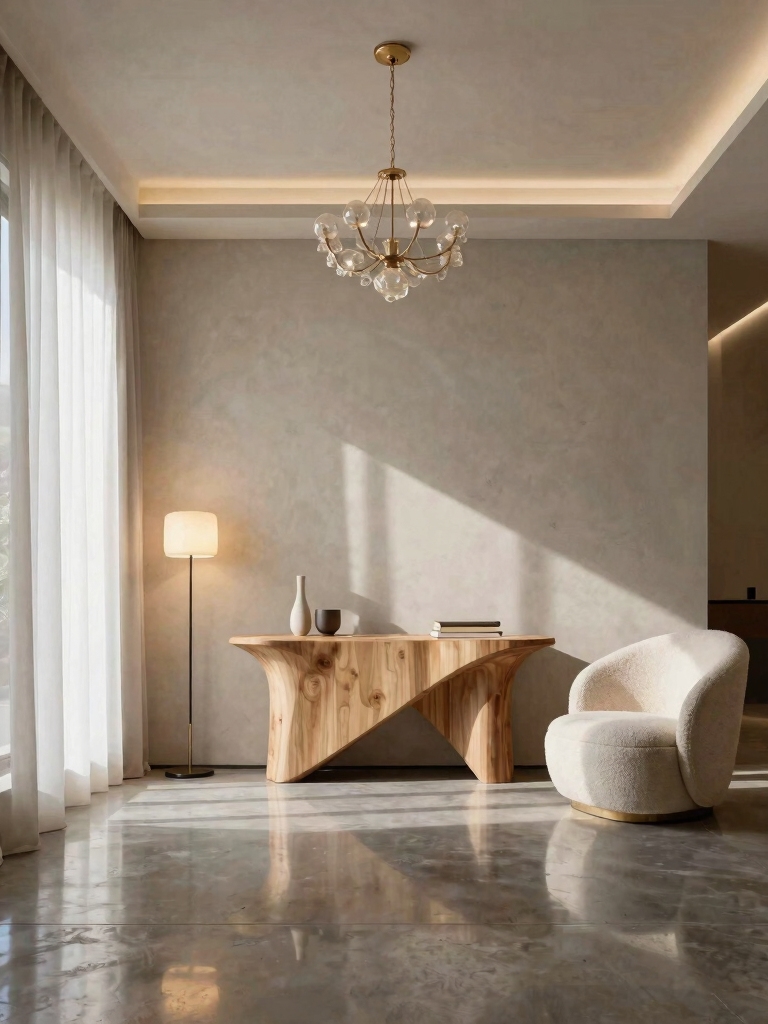
Layering lighting instantly adds depth and height to a small room, and it’s easier than you think.
I mix warm wall sconces with a dimmable ceiling fixture, then add a compact floor lamp for task moments.
Use layered brightness, not a single glare, to carve zones and visualize height.
Dimmed ambient light feels bigger, intimate, and endlessly adaptable.
Incorporating smart decor tips like varied lighting sources can truly open up any space and transform your small living room.
Mirror Magic: How Reflections Multiply Your Space
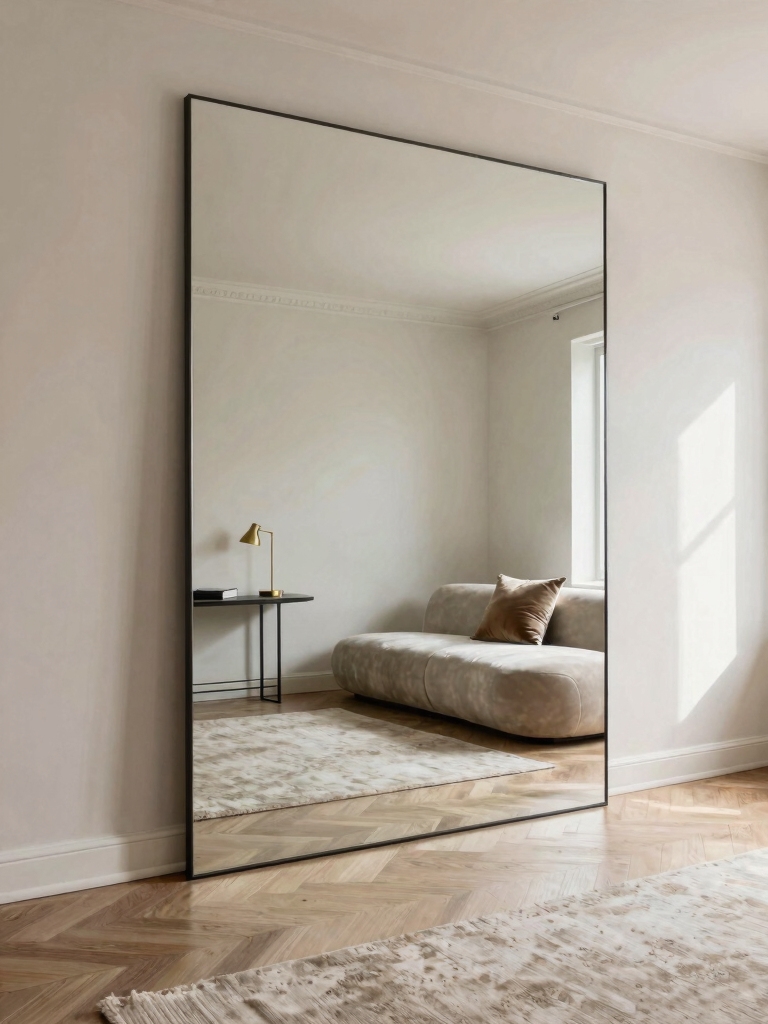
Mirrors aren’t just surfaces to check your makeup or outfit—they’re design tools that double your floor plan in an instant.
I’ll show you practical, bright tricks to make reflections work without feeling flashy.
1) Pick large mirrors to widen walls
2) Place opposite windows to double light safely
3) Use mirrored doors for seamless space illusions
Additionally, incorporating smart storage solutions around your mirrors can enhance organization while maximizing space efficiency.
Keep It Clear: Minimal Layouts That Read as Bigger
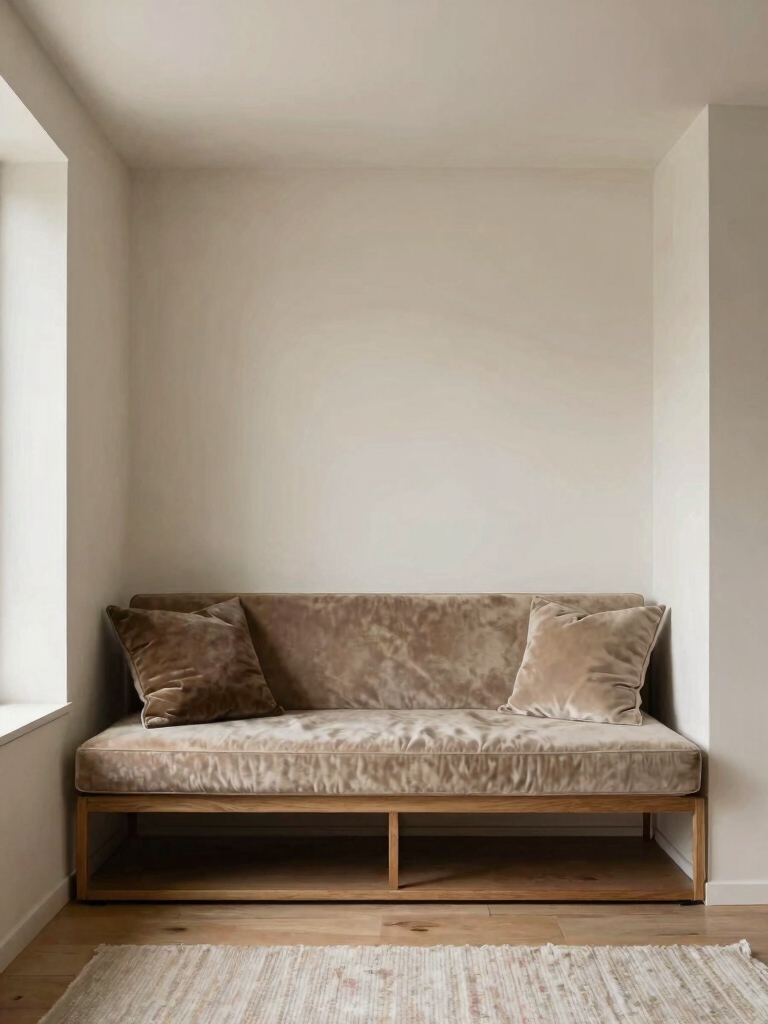
Clear spaces read bigger when every piece has a purpose and nothing fights for attention.
I keep layouts simple: one focal point, clean surfaces, and intentional negative space.
I choose furniture that fits snugly, hides cords, and allows easy flow.
Less clutter, more calm.
You’ll notice breathing room, easier cleaning, and a sense of openness without sacrificing function or style.
Incorporating small room ideas can instantly double your space and transform your area into a spacious retreat.
Multi-Function Furniture for Small Footprints
When space is tight, multi-function furniture isn’t a luxury—it’s a necessity.
I choose pieces that earn their keep, so every inch serves two roles. Think a bed with drawers, a coffee table that hides shelves, or a desk that folds into a wall panel.
Here are practical picks:
- Storage bed
- Convertible sofa
- Nesting tables
Using creative room ideas can help you transform your space on a budget while maximizing functionality.
Zone Your Space Without Walls
I’m curious how you’ll visualize space zones with no walls, so let’s start by spotting where lounging, dining, and work could naturally happen.
I’ll show you how light helps define each zone, using bright, indirect rays to cue separation without crowding the room.
Together, we’ll map simple cues—color, rugs, and furniture height—that make each area feel distinct yet connected.
Incorporating decor tips for a bigger feel can further enhance how open and inviting your small space appears.
Visualize Space Zones
To make a small room feel bigger and more organized, I start by imagining distinct zones for living, sleeping, and storage.
Then separate them with clever, invisible boundaries like rugs, furniture alignment, and color shifts.
- Use area rugs to define each zone without walls.
- Align furniture to guide flow and create visual separations.
- Apply consistent color accents per zone for cohesion.
Light Into Zoning
Light can be your best zoning tool.
I’ll show you how a clever light plan creates distinct zones without walls. Use brighter lamps for work areas, warmer tones for cozier corners, and layer lamps to sculpt depth.
Align lighting with activity, not just decor. Dim when relaxing, brighten to focus, and let shadows carve intimate nooks.
Practical, simple, effective.
Behind-the-Doors Storage That Still Looks Clean
Behind-the-doors storage can look tidy and still be incredibly useful: I’ll show you simple fixes that keep cabinets, bins, and organizers cleanly tucked away without turning your space into a clutter trap.
- Clear bins with labeled lids
- Soft-close hinges and shelf dividers
- Push-to-open organizers that don’t protrude
Maximizing every inch with smart solutions can transform even the tiniest laundry room into a highly functional space.
Vertical Moves: High Shelves and Tall Cabinets
Vertical moves can transform a small room in minutes: by adding high shelves and tall cabinets, you free floor space while keeping essentials within easy reach.
I mix lightweight storage with deeper shelves to hide clutter while preserving flow.
Choose units with adjustable shelves, slim profiles, and doors that blend; I avoid bulky hardware to preserve a calm, breathable feel.
Incorporating smart organization tips ensures every inch of your craft room maximizes functionality without sacrificing style.
Smart Window Treatments for Brightness and Comfort
I’ll share how smart window treatments can boost brightness and comfort in small rooms, from shading that enhances light to venting that makes mornings breeze in.
I’ll show you options for daylighting through venting and how automated light control systems tailor brightness to your mood and schedule.
Let’s explore simple setups that feel effortless and spacious rather than fussy.
Incorporating wall mirror ideas can further expand the sense of space by reflecting natural light and creating an airy atmosphere.
Brightness Enhancing Shading
Smart window treatments can transform brightness and comfort in a small room.
I share simple shading tweaks that lift light without glare, using practical choices and quick setups. You’ll feel more open, and rooms seem larger.
- Choose light, opaque fabrics for afternoon glare control
- Use dual-position blinds to trade light and privacy
- Pair sheer layers with energy-efficient panels for soft brightness
Daylight Through Venting
Daylight can slip into a room just enough through venting to brighten the space without inviting glare.
I love vented openings that soften sunlight, cut heat, and keep privacy intact. I suggest breathable curtains or side vents that align with furniture, so airflow stays steady.
With careful placement, daylight feels inviting, not overwhelming, boosting mood and perceived space.
Automated Light Control Systems
Imagine a room that automatically adjusts to your day: automated light control systems, or smart window treatments, tailor brightness for comfort and function.
I’ll share how these tools simplify life, improve mood, and protect furnishings without fuss.
- Schedule brightness curves that match routines
- Auto-adjust with daylight sensors for even lighting
- Remote control and voice compatibility for quick tweaks
Reflective and Translucent Materials That Lighten
Reflective and translucent materials can brighten a small room without piling on glare.
I mix metallic accents, glass decor, and frosted panels to bounce light softly. I avoid heavy textures, focusing on smooth surfaces that reflect rather than absorb.
I pair mirrored furniture with sheer curtains, which doubles depth.
Practical tip: keep clutter low so reflections stay crisp and calming.
Cool, Neutral, and Light Color Psychology
Cool, neutral, and light colors set a calm, open vibe in small rooms, and I love using them intentionally to widen perceived space.
I share practical, quick ideas you can try now:
- Choose whites with a touch of warmth for walls
- Use light grays as accents to soften contrasts
- Pair matte neutrals with reflective surfaces for depth
Pattern Play Without Overwhelm
Pattern play in a small room can feel bold without tipping into chaos. I choose a single motif as the anchor, then repeat it thoughtfully across textiles, wall art, and accents.
Mix scale—oversized for drama, tiny for rhythm—so patterns compliment, not clash. Use neutrals to ground bold prints, and pause with solid surfaces to breathe.
Seamless Transitions: Consistent Flooring Across Rooms
When I map out small spaces, I start with seamless flooring flow that guides you from room to room.
I’ll show how uniform connections create a calm, cohesive feel without visually shrinking the space.
Let’s explore practical tips for choosing materials, colors, and seams that keep every footstep intentional and effortless.
Seamless Flooring Flow
- Pick a single flooring family (wood, tile, or vinyl) with consistent undertones.
- Use continuous planks or tiles across thresholds to avoid abrupt changes.
- Align grain direction and sheen for a unified, calm vibe.
Uniform Room Transitions
Uniform room shifts keep a small space feeling cohesive.
I recommend consistent flooring across rooms to create an uninterrupted flow, visually enlarging each area. Choose the same material or color tone, and plan alterations at door thresholds or hallways.
I’ll measure carefully, avoid abrupt changes, and favor seamless edge details. Your space will feel calm, connected, and surprisingly roomy.
Hidden Corners: Built-Ins That Disappear
Hidden corners can feel like wasted space, but built-ins that disappear turn them into a smart, usable feature.
I’ll share simple ideas you can use today, with clean lines and practical storage that vanishes into the room’s architecture.
- Integrate shelves with flush doors for a seamless look
- Use pull-out desks that tuck away when not in use
- Conceal a niche with a lightweight, slim cabinet
Art and Accessories That Wrap the Room, Not Clutter
Art and accessories should weave around the room, not pile up in corners.
I choose pieces that flow with walls, colors, and lighting, creating a cohesive path your eye follows.
Keep scale honest, hang art at eye level, mix textures, and group objects in odd numbers.
Choose streamlined frames, avoid clutter, and let negative space breathe; cohesion feels surprisingly roomy.
Small Kitchen, Big Feel: Compact Layouts That Work
Small kitchens can feel cramped, but smart layouts make all the difference.
I’ll show you practical tweaks that maximize space without sacrificing function, so your kitchen feels open and efficient. You’ll notice better flow, easier prep, and brighter vibes.
- U-shaped or galley layouts boost workstation efficiency and wall storage.
- Wall-mounted shelves and pegboards free counters for prep.
- Pull-out organizers and magnetic strips keep essentials within reach.
Bath-Time Brightness: Compact Bathrooms That Sparkle
I’ll show you how to brighten a small bath with smart lighting and reflective surfaces.
We’ll consider simple tweaks—like placing lights higher, using white or pale tones, and adding mirrors or glossy tiles—to bounce light around.
Let’s talk practical fixes that make compact bathrooms feel spacious and sparkling.
Brighten With Light
Brighten up a compact bathroom by playing with light sources and reflective surfaces; every smart choice adds space and sparkle.
I’m writing to you: bright, practical tips you can use now, without fluff.
Let’s focus on intention, not clutter.
- Layer warm LEDs above the mirror for even, flattering illumination.
- Choose glossy tiles or a high-gloss cabinet to reflect light.
- Use a sheer shower curtain to keep sightlines open.
Reflective Surfaces Tricks
Reflective surfaces aren’t just pretty—they’re practical, especially in a tight bath. I use mirrors, glass shelves, and glossy tiles to double light and space.
I place mirrors opposite windows, bounce daylight, and reduce clutter with transparent organizers. I treat chrome fixtures as accents, not distractions.
Clean lines, minimal patterns, and careful spacing keep the room bright, airy, and instantly bigger.
Real-Life Tiny-Space Transformations: Before and After
Tiny spaces can feel cramped, but small-room transformations show how smart rearranging and clever storage turn constraints into charm.
I’ve seen real-life before-and-afters prove tiny changes deliver big impact, from hidden desks to vertical shelves. You can copy these ideas, too.
- Move walls of clutter to recessed or wall-mounted storage.
- Double-duty furniture transforms corners into work and wake-up zones.
- Light, mirrors, and color create space and brightness.
Conclusion
I’ve learned that tiny spaces aren’t lost rooms but lanterns, casting bigger shadows of possibility. When light acts as a trusted friend, walls become sails, not cages. Mirrors flutter like windows to farther rooms, while clean layouts keep the air unspoken and free. Accessories whisper, never shout, wrapping the space with a soft halo instead of clutter. So breathe, arrange, and trust the glow—the room doesn’t shrink; it learns to dance with you, one bright, brave corner at a time.