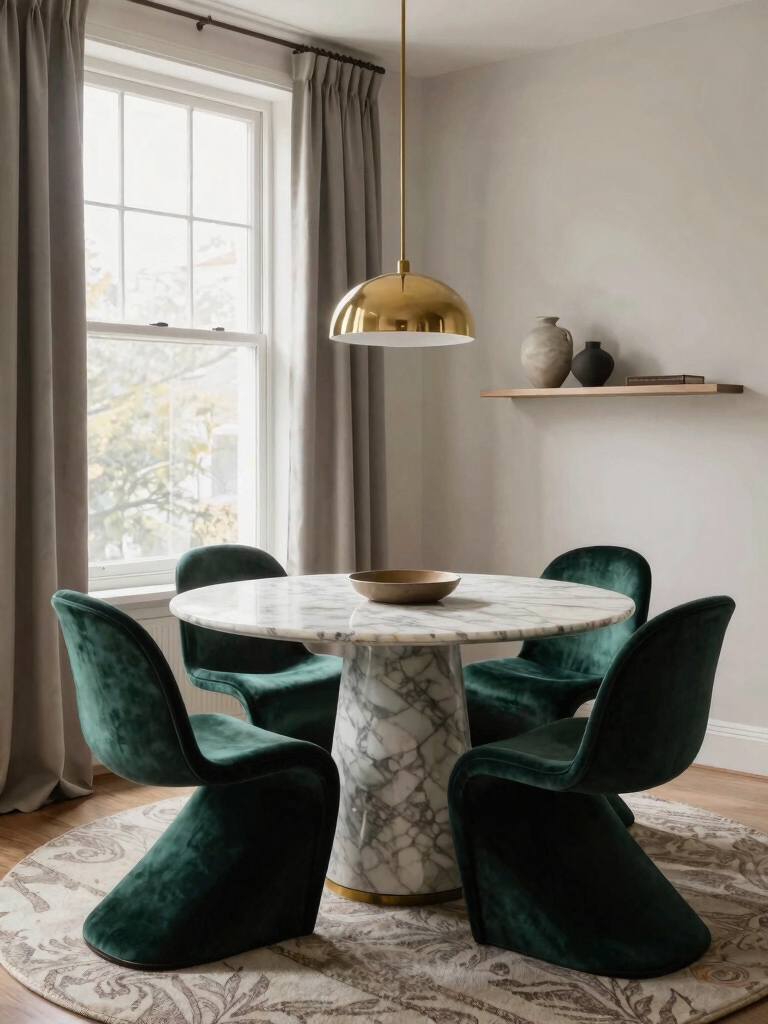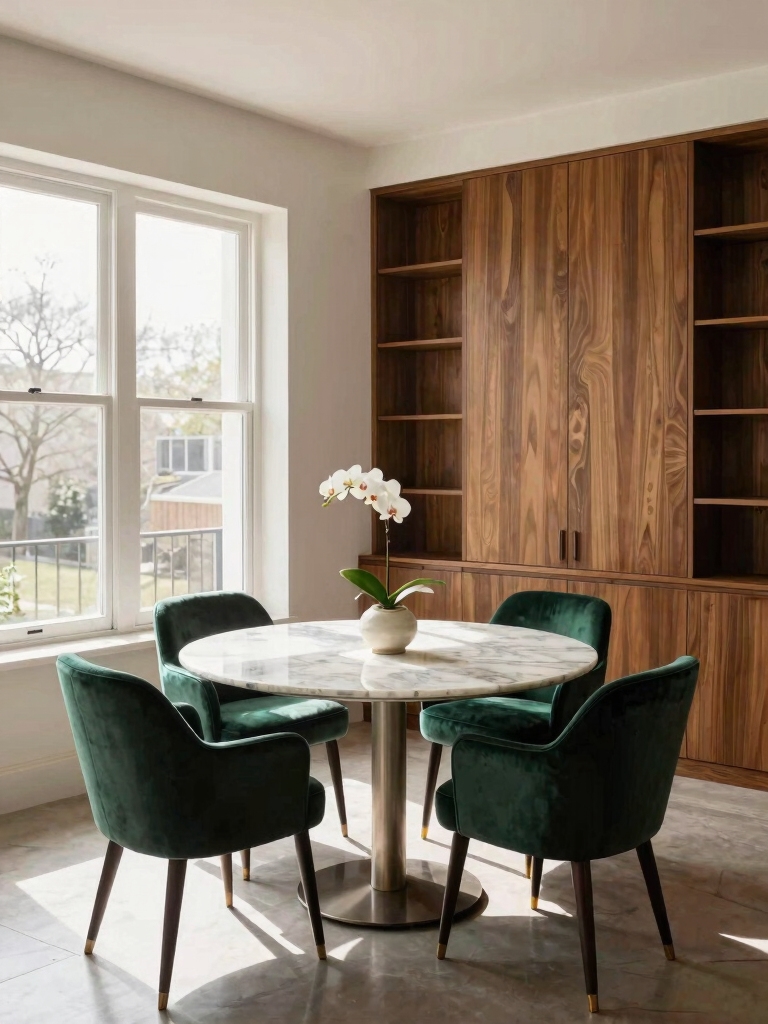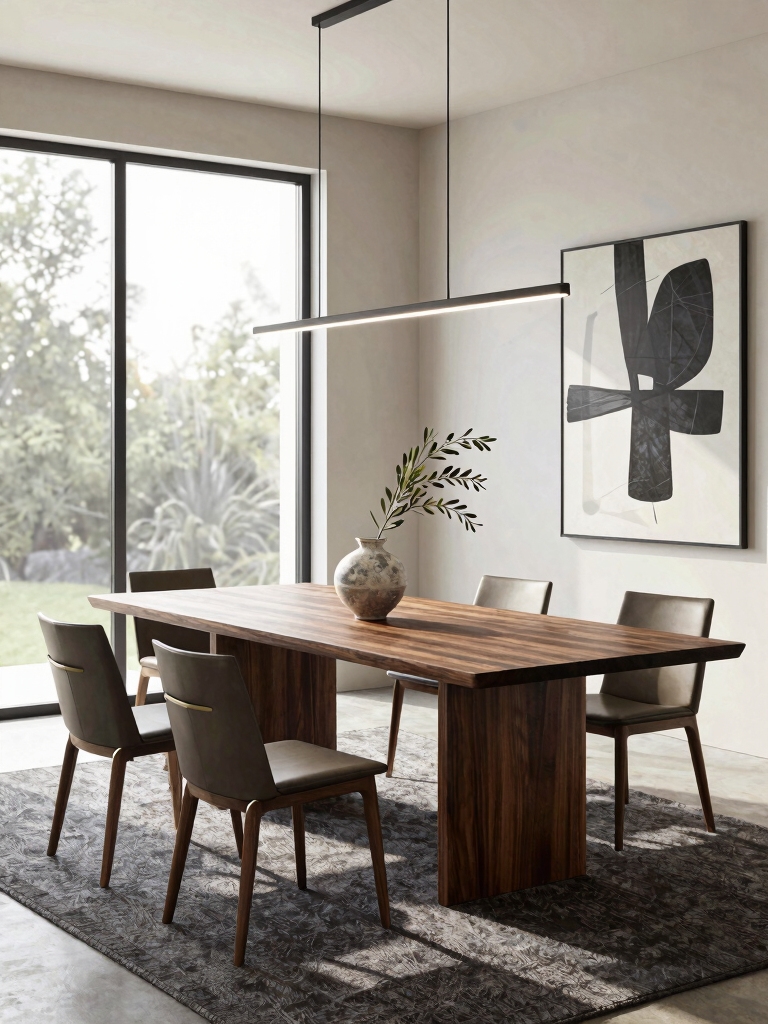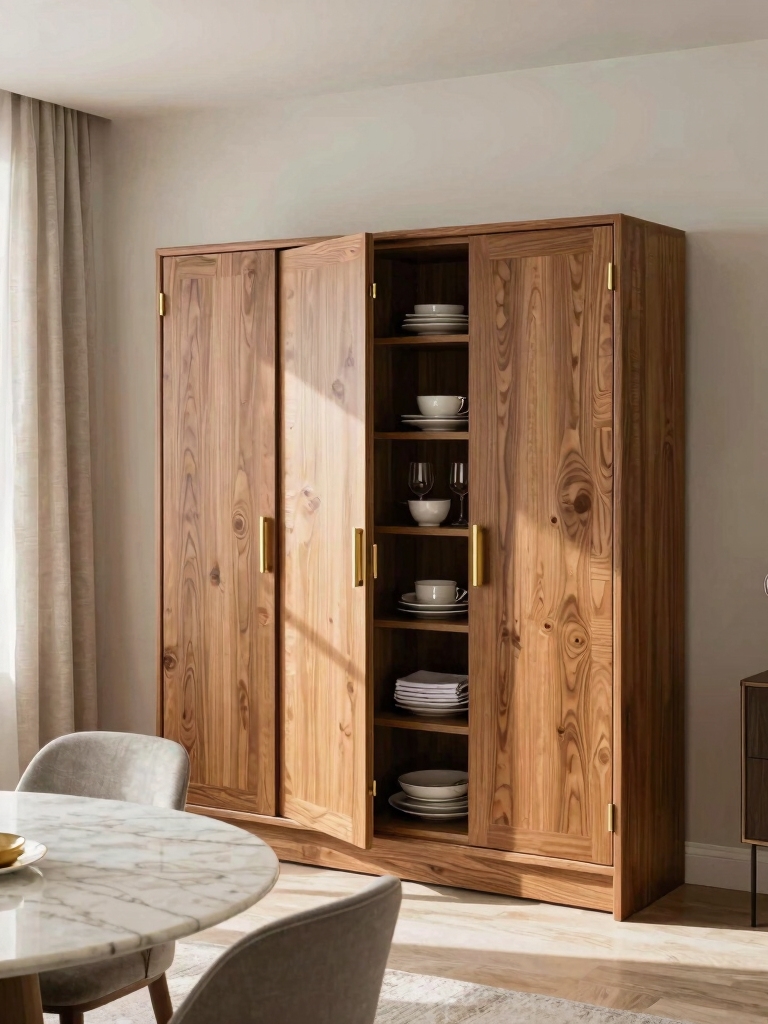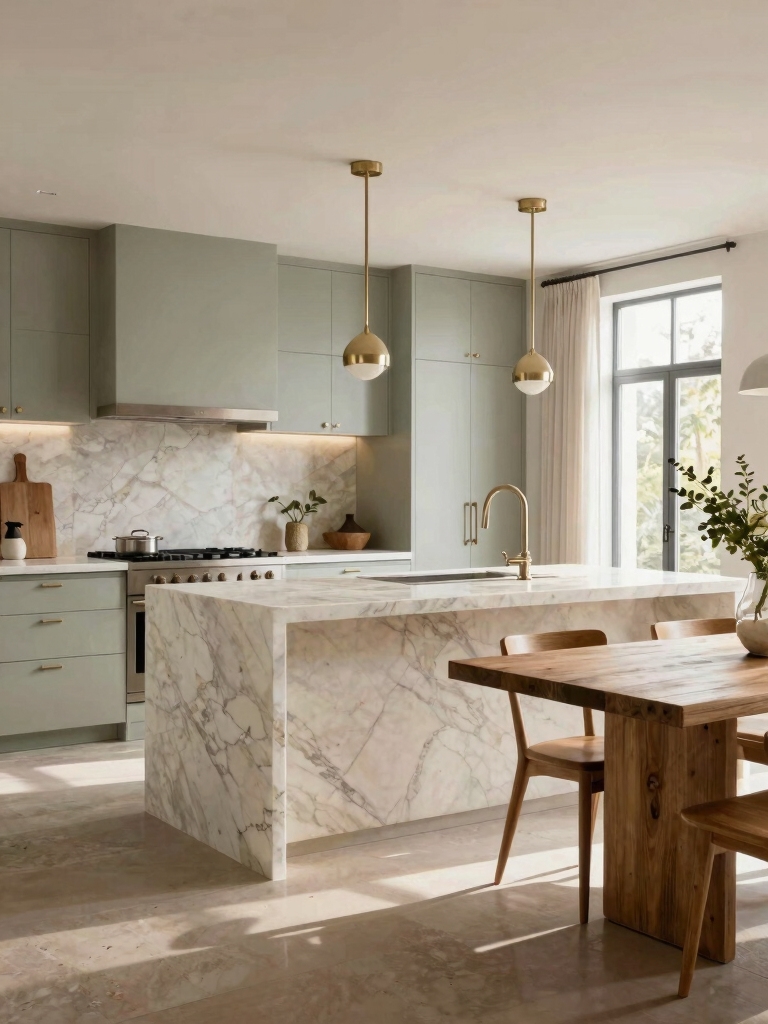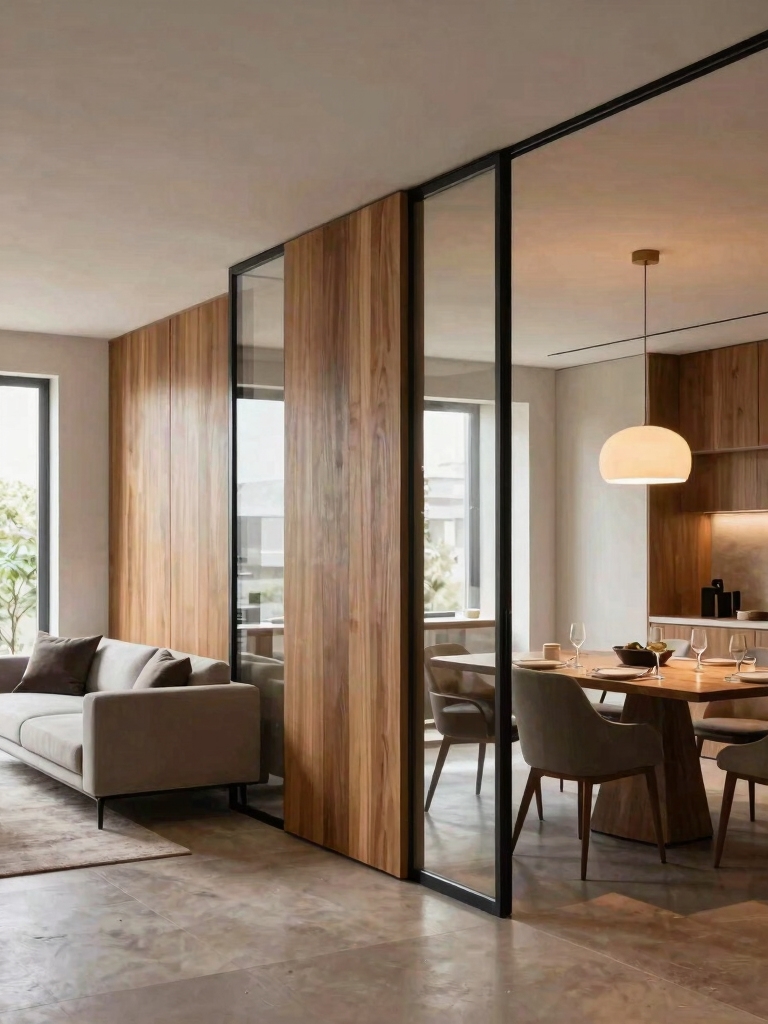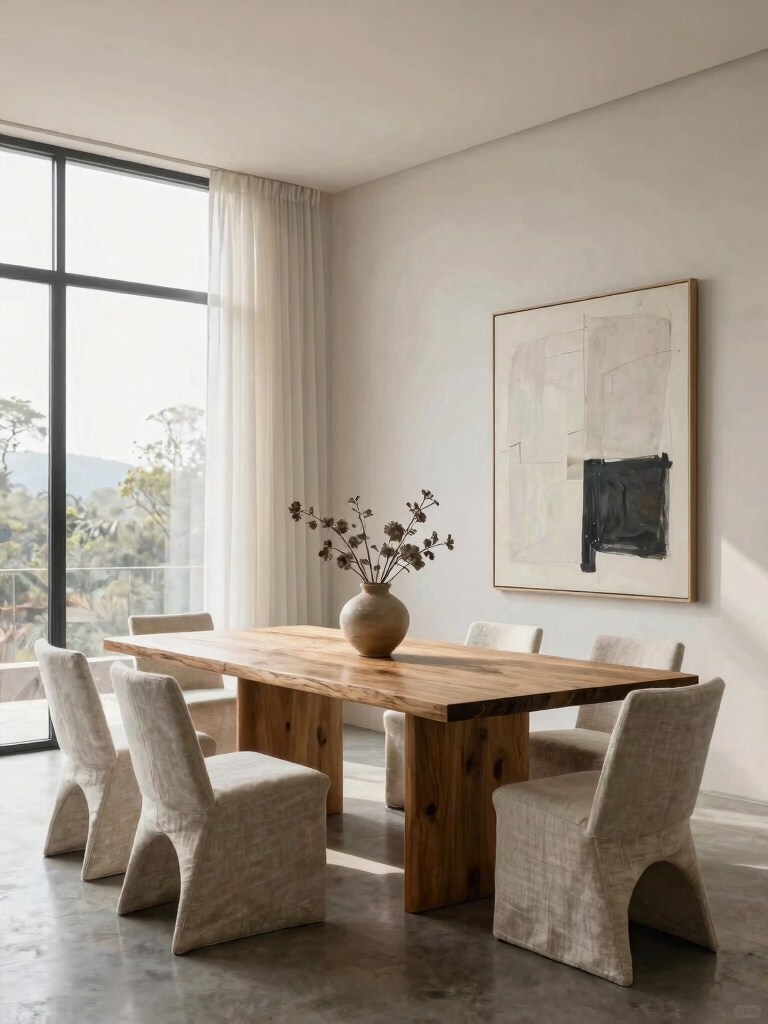
I always start by defining my dining room’s primary function, as that guides every choice. A table shape that fits my layout, like a round one for small rooms, and flexible seating like benches are key. I plan clear traffic paths and use a rug to zone the space. For smaller rooms, a mirror and smart lighting work wonders. Stick with me for the full list of clever layout strategies.
Define Your Dining Room’s Primary Function First
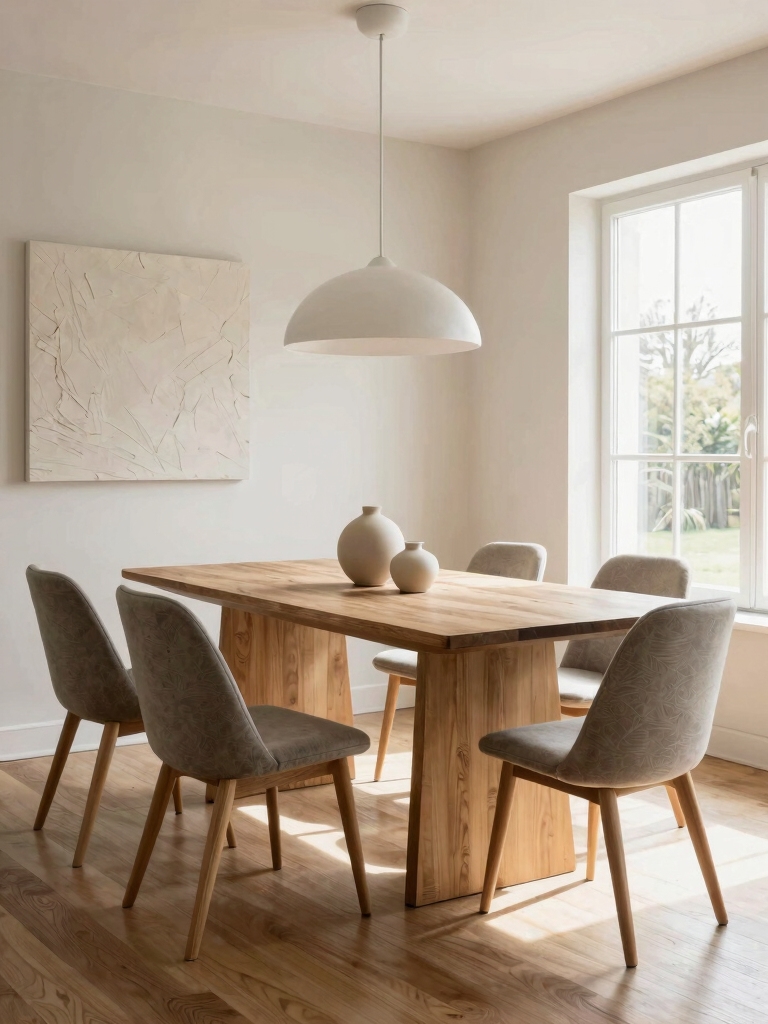
Before we even think about paint colors or table styles, I must ask you to define your dining room’s primary function, because a room designed for weekly family dinners will look radically different from one meant for formal holiday gatherings.
Is it your daily homework station? A formal entertaining space? Knowing this guides every choice, ensuring your layout actually supports your life.
It’s the most cost-effective decision you’ll make, preventing expensive mismatches later.
Transforming your dining room with design ideas that elevate every meal can make every gathering more memorable and enjoyable.
Choose a Table Shape That Suits Your Layout and Needs
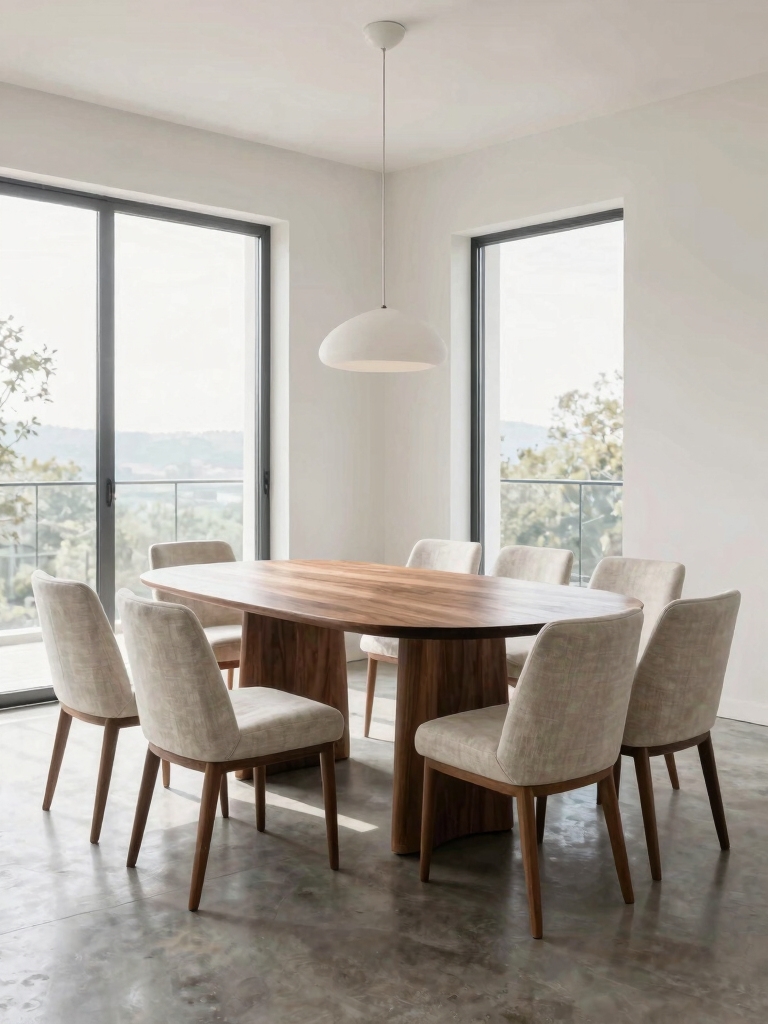
With that purpose clear, we can select a table shape that works with your space and habits.
I’d consider a round table for small or square rooms; it saves space and encourages conversation. A rectangular table fits long rooms better and seats more people formally.
If your room’s narrow, a sleek oval table might be your best compromise, offering flow without sharp corners.
Always measure your room first.
To truly transform your dining space, explore inspiring design ideas that complement your table choice and overall layout.
Plan for Perfect Traffic Flow and Clearance
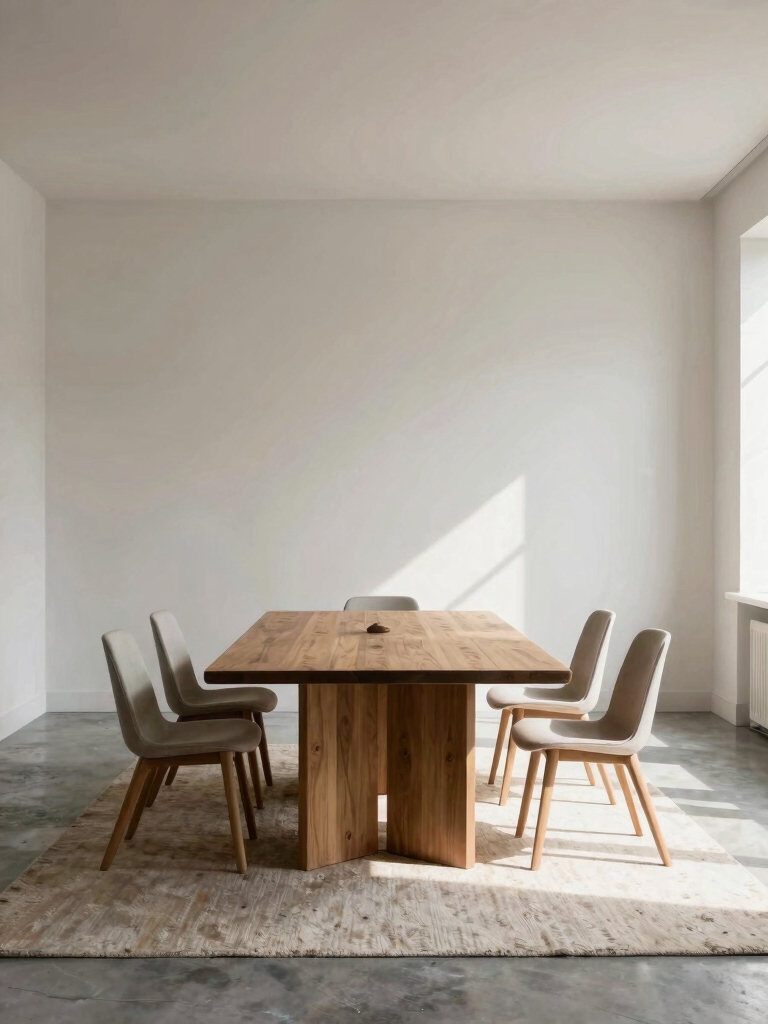
Now let’s plan how people will move through your dining room. I aim for a clear path, so guests don’t bump chairs or walls.
Start by walking your space and mapping the main routes.
- Keep 36 inches behind chairs for easy passage.
- Allow 42-48 inches for a main walkway if it’s a thoroughfare.
- Check all doors to guarantee they open fully without hitting furniture.
Incorporating stylish wall decor can enhance the flow and ambiance of your dining area without obstructing movement.
Select Flexible Seating for Your Dining Table
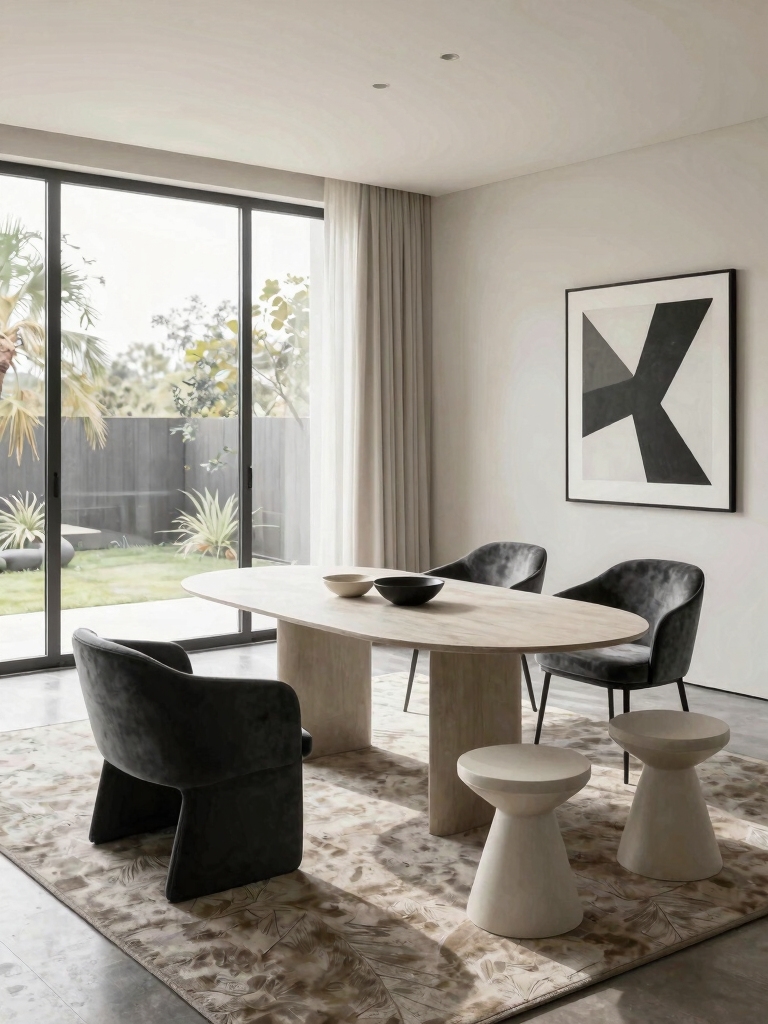
Let’s explore seating that adapts to your needs, starting with a built-in banquette paired with movable benches.
I also love versatile stools, which you can tuck under a console or pull out for extra guests.
These choices maximize space and keep your budget in check without locking you into a single layout.
For small dining rooms, choosing seating that seats more guests efficiently is key to entertaining comfortably.
Banquette With Bench Options
While you might typically think of a dining bench as fixed, opting for one with a banquette style lets you create a surprisingly flexible and efficient seating arrangement.
I like that a banquette can tuck neatly into a corner, saving essential floor space.
To maximize this setup, focus on three key points:
- Add casters for easy movement when you need floor access.
- Choose a bench with built-in storage for linens or serving pieces.
- Select a durable, easy-clean fabric for the cushions to handle daily wear.
Versatile Stool Solutions
Four versatile stool solutions can give your dining area the flexible seating it needs.
I’d select backless stools that tuck completely under the table. Look for lightweight, stackable designs you can easily store.
A set of counter-height stools also works for an adjacent island.
I always check for durable, wipeable materials to handle daily use.
Mixing finishes keeps things interesting without blowing your budget.
Zone Your Space With a Perfectly Sized Area Rug
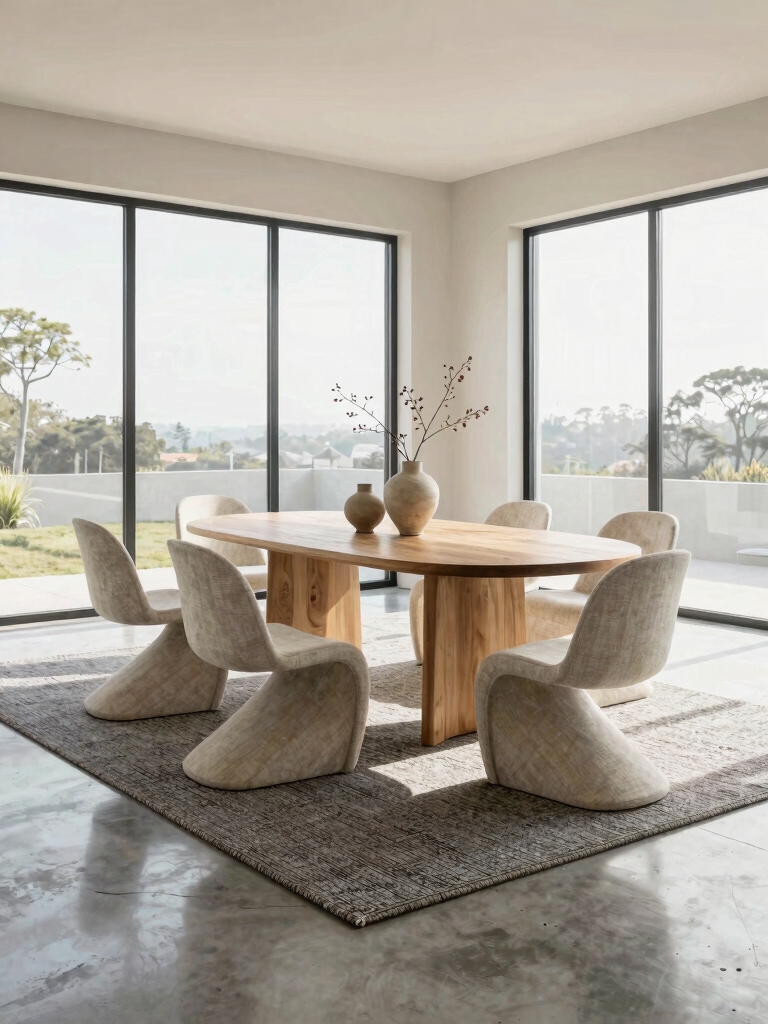
An area rug grounds your dining space, literally defining the room’s core zone. I find it’s the simplest way to visually anchor your table and chairs.
For a perfect fit, remember these three rules:
- Size it right: Guarantee all chair legs stay on the rug, even when pulled out—I typically add 24-30 inches beyond the table.
- Pick low-pile fabric: It’s easier to clean and resists snagging from chair legs.
- Go neutral or patterned: This hides everyday crumbs and stains beautifully, saving you stress.
Choosing stylish rugs can also elevate your dining room ambiance and enhance the overall design.
Anchor the Room With a Statement Light Fixture
Just as a great rug defines your floor, the right light fixture defines your airspace, becoming the room’s crowning focal point.
I always hang it 30 to 36 inches above my table for ideal scale. It doesn’t have to be expensive.
I’ve found stunning options at vintage shops and big-box stores. A well-chosen piece instantly elevates my mood and sets the design tone for every meal.
For truly inspiring ideas, consider exploring stunning chandelier designs that steal the spotlight in any dining room.
Add Storage and Style With a Buffet or Sideboard
I love how a buffet instantly creates a defined serving zone that keeps my dining table clear.
It’s a dual-purpose furniture piece that gives me hidden storage for linens and dishes without breaking the bank.
I find stylish containment solutions, like baskets or trays on top, keep everyday clutter organized while adding personality.
Choosing the right dining room table design can anchor the space and complement your buffet perfectly, enhancing both function and style with inspiring dining room table designs.
Defined Serving Zone
One of the simplest ways to carve out a dedicated serving area in your dining room is by incorporating a buffet or sideboard. It keeps serving dishes off the table, freeing space for guests.
- Consolidate essentials like trivets, serving utensils, and table linens inside.
- Style the top with a lamp for ambiance and a tray for condiments.
- Shop secondhand for solid wood pieces to stay budget-friendly.
Dual-Purpose Furniture Piece
Beyond simply defining a serving zone, a buffet or sideboard is a workhorse that adds both storage and style.
I use its spacious drawers for table linens and its lower cabinets for dishes. An open-shelving model displays my favorite serving pieces affordably.
With its generous surface, it’s perfect for holiday buffets or as a casual coffee station, maximizing my room’s function without sacrificing a cohesive look.
Stylish Containment Solutions
Since a buffet organizes everything from everyday dinnerware to special-occasion linens, you can use stylish bins, baskets, and trays inside to corral items neatly.
I focus on affordable, multipurpose containers that also enhance my decor. Here’s my strategy:
- Use fabric bins for soft goods to prevent scratches.
- Assign a specific tray for cutlery or napkin rings.
- Repurpose decorative bowls atop the sideboard for keys or mail.
Use Mirrors to Enhance Space and Light
Mirrors are your secret weapon for making a dining room feel bigger and brighter, and I’ll show you how.
I always place a large mirror opposite a window to double the natural light. A tall leaning mirror in a corner visually stretches the room.
You can find great, affordable options at secondhand stores—just give an old frame a fresh coat of paint for a custom look.
Incorporating large living room wall decor ideas can inspire creative ways to transform your dining space as well.
Layer Lighting for Dining Ambiance and Flexibility
I’ve shown you how mirrors can transform the space, and now let’s talk about lighting.
Layering your lights lets you switch from a bright family meal to a romantic dinner instantly. Think beyond the single ceiling fixture.
- Anchor with a dimmable chandelier or pendant for overall illumination you can control.
- Add wall sconces to cast a soft, welcoming glow without glare.
- Finish with table candles for an intimate, flickering ambiance that’s budget-friendly.
For a truly stunning dining experience, consider how formal dining room ideas that command attention can inspire your lighting choices to elevate your space with stunning dining room designs.
Connect Spaces in an Open-Concept Layout
First, I define a dining area with a simple, budget-friendly focal point like a bold light fixture or a gallery wall.
Then, I consider traffic patterns, ensuring there’s clear walkway around the table so the flow between kitchen and living areas feels natural.
Finally, I use consistent flooring throughout the space to visually connect the zones, which makes the whole area feel larger and more cohesive.
Incorporating multifunctional furniture can also help fill large dining room spaces with purpose while maintaining an open-concept design.
Define A Focal Point
Let’s create a focal point that anchors your dining area, as this helps define the space in a sprawling open layout.
I focus on one major element to draw the eye and organize furniture around it.
- A bold light fixture is my top pick—a striking chandelier or a set of pendants instantly claims the zone.
- A large mirror or artwork on the main wall adds depth and style.
- A distinctive rug under the table grounds the whole arrangement.
Consider Traffic Patterns
When you’ve defined your focal point, ensuring people can move comfortably around it becomes key.
So I map out traffic patterns to connect spaces without disrupting the conversation zone. I aim for clear, 36-inch-wide pathways from entrances to the kitchen or living room.
This keeps traffic flowing behind diners, not through their space, which is a simple, cost-free plan for a more functional room.
Use Consistent Flooring
Consistent flooring visually links separate areas, making an open-concept layout feel unified.
I find it eliminates visual choppiness and makes small spaces feel larger. To implement this smartly, I consider three key points.
- Choose durable, affordable materials like luxury vinyl plank for wear and spills.
- Run the flooring directionally to guide the flow through the living and dining areas.
- Use a single, neutral color to avoid overwhelming the budget or the space.
Maximize a Small Dining Room With Smart Solutions
Several clever strategies can transform your compact dining area from cramped to charming.
I always start by measuring my space precisely, then choose a round table. It encourages conversation and eases traffic flow.
I’ll also opt for a light-colored rug to visually expand the floor.
Finally, I install a large mirror opposite a window to reflect light and give the illusion of depth.
Create a Built-in Breakfast Nook Feel
Even if your dining area lacks a true built-in nook, you can craft that cozy, tucked-away feeling with a few strategic choices.
I focus on defining a compact space with furniture and lighting.
- Anchor with a bench. Place a long bench against one wall instead of chairs for a fixed, casual look.
- Define with a rug. Use a smaller rug to visually carve out your nook zone.
- Install pendant lighting. Hang a single pendant light low over the table to create an intimate, focused glow.
Finalize Your Layout With Complementary Decor
Now that our cozy breakfast nook feel is in place, I can layer in complementary decor to finish the space.
I’ll add seat cushions that match my color scheme for comfort. A simple pendant light above the table anchors the area beautifully.
Finally, some affordable framed prints and a small potted plant on the table will add personality without cluttering our smart layout.
Conclusion
So, roll up that beautiful rug you chose and pull out a chair. I want you to finally savor that smart layout you’ve built—the easy flow around your table, the clever nook bathed in morning light. It’s a space that works as hard as you do, blending style with everyday sense, and it didn’t break the bank. Now, the only thing left to arrange is dinner with friends.